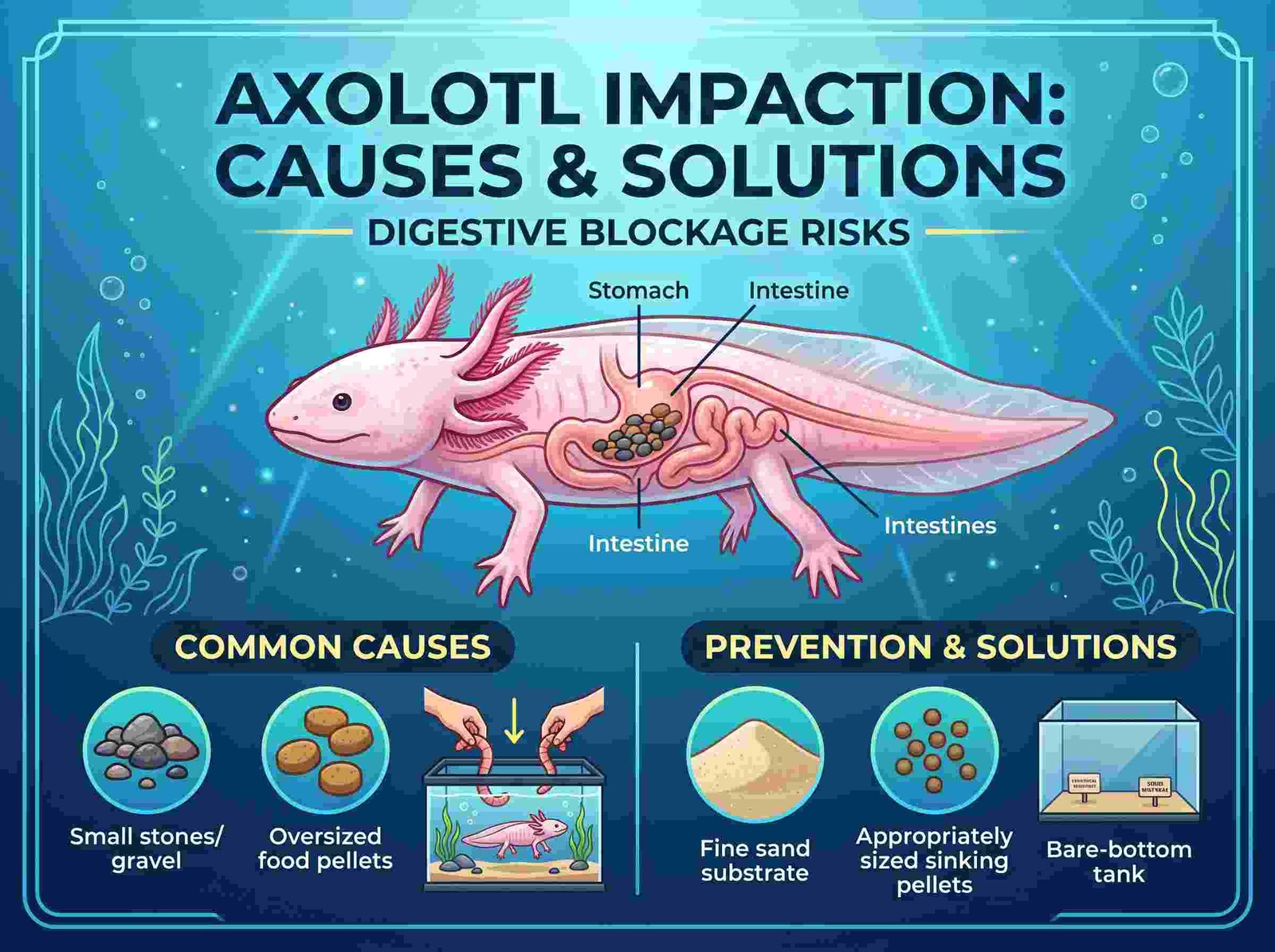
Axolotl impaction is a condition that occurs when an axolotl inhales or swallows foreign objects or materials that lead to a blockage in their digestive system. This issue can arise from various factors, including the ingestion of pebbles, substrate, or even larger food items that exceed the axolotl’s capacity to digest. The anatomy of an axolotl predisposes them to such occurrences as their mouths can easily engulf items that might not be suitable for consumption.
For axolotl owners, understanding impaction is critical. This condition can pose significant health risks to these unique amphibians. Impaction can lead to severe complications such as gastrointestinal distress, malnutrition, and in extreme cases, it may even be fatal if not addressed promptly. The combination of a compromised ability to digest food and the pressure exerted by the obstruction can cause physical stress on the axolotl’s body, making it vital for owners to recognize the warning signs early.
Symptoms of axolotl impaction may include lack of appetite, lethargy, visible discomfort, and abnormal swimming patterns. Owners should monitor their pets for these signs and seek veterinary assistance when necessary. Prompt intervention can often alleviate the complications associated with impaction, potentially saving the axolotl’s life. Hence, the early identification of the symptoms is essential for effective treatment and care.
In addition, understanding the causes of axolotl impaction can aid in prevention. By providing a safe environment and ensuring that the food offered is suitable in size and type, owners can significantly reduce the risk of their axolotl encountering this condition. Education on proper axolotl care, along with regular health checks, can enhance the well-being of these fascinating creatures. Overall, awareness of axolotl impaction is a significant aspect of responsible ownership.
Common Causes of Impaction in Axolotls
Axolotls are unique aquatic creatures that require specialized care to thrive, and one of the significant health issues they face is impaction. Impaction occurs when a foreign object obstructs the gastrointestinal tract, and a variety of factors can contribute to this condition in axolotls. Understanding these factors is crucial for pet owners to ensure the health and well-being of their amphibious companions.
One primary cause of impaction is the ingestion of substrate materials. Many axolotl owners use gravel, sand, or other substrate types in their tanks. Unfortunately, these materials can be ingested during feeding or through exploratory behavior. When axolotls consume these small substrates, they can lead to choking or gastrointestinal blockage, resulting in severe health issues.
In addition to substrate ingestion, axolotls may also face impaction from consuming inappropriate foods. For instance, feeding them large chunks of food or items that are too hard can cause significant problems. Axolotls are carnivorous and naturally feed on small aquatic creatures, such as worms or insects. Providing them with foods that are not suited to their dietary needs can increase the risk of impaction, as their digestive systems may struggle to process these substances.
Another common mistake made by axolotl owners is allowing them to swallow small items. Items such as small decorations, plant material, or even pieces of their tank accessories can unfortunately be mistaken for food. This uncontrolled environment can lead to unintentional consumption, ultimately resulting in impaction. Regularly checking and removing any small, loose items from the tank can help reduce this risk and create a safer habitat for axolotls.
To summarize, to prevent impaction in axolotls, owners must be diligent about their choice of substrate, dietary options, and the overall environment they provide. By being mindful of these factors, owners can help protect their axolotls from the dangers of impaction and promote their health and vitality.
Symptoms of Impaction: What to Look For
Observing the health of an axolotl is crucial for pet owners, and being vigilant about potential signs of impaction can make a significant difference in the wellbeing of these fascinating amphibians. One of the first indicators of possible impaction is a noticeable change in appetite. If an axolotl that usually has a robust feeding routine suddenly shows disinterest in food, this could suggest that the animal is experiencing digestive issues.
Lethargy is another critical symptom that owners should monitor closely. An active axolotl that becomes inactive or spends excessive time at the bottom of the tank, remaining motionless, may be suffering from impaction. This listlessness can indicate a lack of energy typically caused by discomfort or illness, warranting immediate attention from owners to assess the animal’s condition.
Additionally, unusual swimming patterns can serve as a red flag. Healthy axolotls swim with purpose but may exhibit erratic movements or struggle to maintain buoyancy when impacted. Owners might notice their axolotl floating at an odd angle or having difficulty navigating the tank, suggesting internal distress or blockages. Moreover, a visible bloated abdomen might accompany these behavioral changes and should not be ignored.
Maintaining keen observation habits is pivotal for those who own axolotls. Regularly checking for these symptoms allows for timely intervention if impaction occurs. Furthermore, implementing a routine that includes monitoring feeding habits, energy levels, and swimming behavior can enhance the chances of identifying any concerning signs early. By being proactive and attentive, axolotl owners can significantly influence their pet’s overall health and ensure they thrive in their aquatic environment.
How to Prevent Impaction in Your Axolotl
Preventing impaction in axolotls is essential for ensuring their health and longevity. One of the primary strategies to prevent this condition involves the careful selection of food. Axolotls should be provided with high-quality, appropriately-sized food items. Live or frozen options such as small fish, earthworms, and specially formulated pellets are ideal. It is crucial to ensure that the food particles are small enough for the axolotl to consume without difficulty, as larger pieces can lead to blockages in the gastrointestinal tract.
The choice of substrate in the aquarium is equally important in preventing impaction. Substrates such as gravel can pose a significant risk, as axolotls may inadvertently swallow these small particles. Instead, it is advisable to use a bare bottom tank or large, smooth gravel to minimize this danger. By keeping the substrate safe, the likelihood of your pet ingesting harmful substances during feeding is drastically reduced.
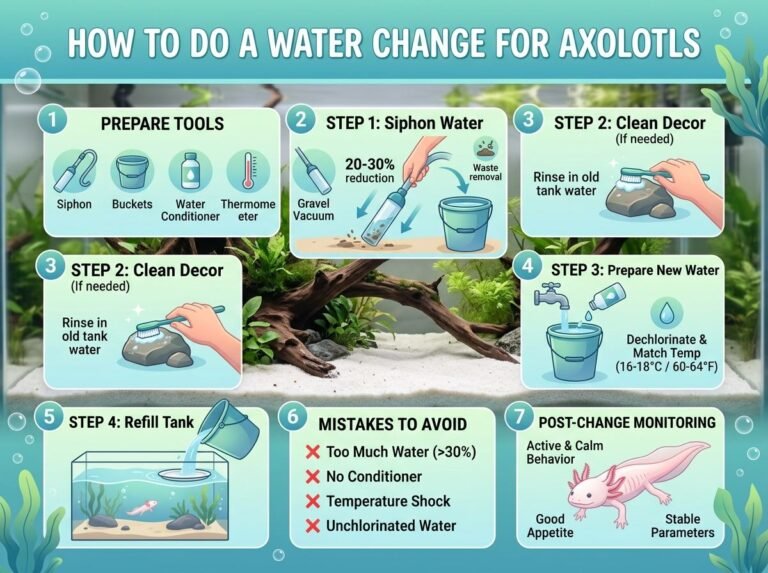
Maintaining optimal tank conditions significantly contributes to the overall well-being of axolotls. Sticking to appropriate water temperature, pH levels, and ensuring good water quality will reduce stress and encourage healthy feeding habits. Regular water changes and the use of a reliable filtration system can help sustain a suitable environment. Additionally, monitoring the axolotl’s behavior can offer insights into their health. Signs of impaction may include lethargy, loss of appetite, or abnormal swimming patterns, so it is crucial to remain vigilant.
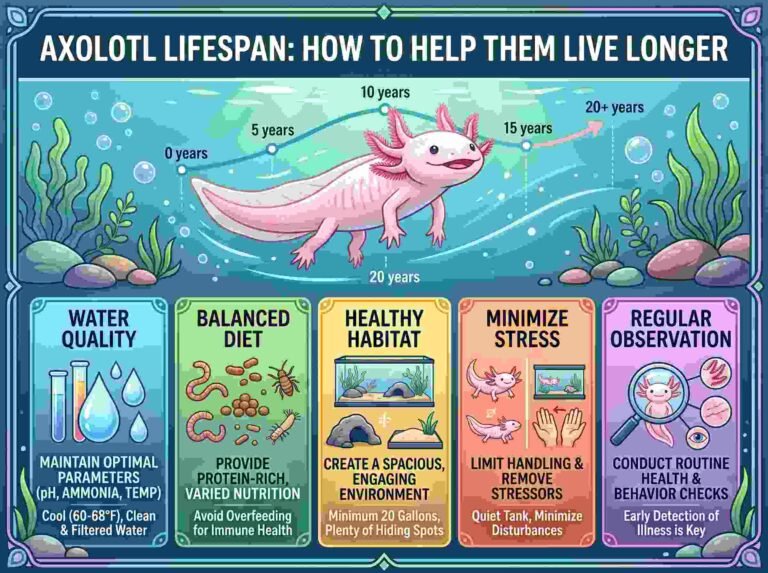
Incorporating regular health checks into your routine can aid in early detection and prevention of impaction. Observing your axolotl’s eating habits, physical appearance, and overall activity can help identify potential issues before they escalate. Consulting with a veterinarian who specializes in exotic pets can provide further insights and peace of mind. By following these best practices for axolotl care, owners can significantly reduce the risk of impaction and ensure a healthier, happier pet.
Immediate Steps to Take if You Suspect Impaction
If you suspect that your axolotl may be experiencing impaction, it is essential to take immediate action to ensure its well-being and minimize further distress. The first step is to closely monitor your axolotl. Observe its behavior and physical condition carefully. Look for signs such as lethargy, changes in eating habits, or any visible swelling in the abdomen, which may indicate that your pet is struggling with impaction.
Avoid unnecessary handling of your axolotl during this period. While it may be tempting to check for signs of distress by lifting your pet out of the water, this can increase stress and exacerbate any existing health issues. Allow your axolotl to remain in its tank, where it feels most secure. Instead, take note of its activity level and eating patterns. If the axolotl continues to show signs of impaction without improvement, it is crucial to prepare for the next steps.
Before heading to a veterinarian, ensure that you have all relevant information about your axolotl. This can include details like the axolotl’s age, any recent dietary changes, and a history of prior health issues. If you keep a log of your axolotl’s diet and behaviors, this can be invaluable for the vet in diagnosing the situation accurately.
While preparing for a visit to the vet, consider creating a comfortable transport environment. Use a container that is clean, properly ventilated, and filled with water from the axolotl’s tank to reduce the stress of relocation. During this time, it is crucial to maintain a calm demeanor, as your axolotl can pick up on stress levels. Remember that prompt action can often be the difference between a positive health outcome and more serious complications. Thus, seeking professional help as soon as possible is essential for the well-being of your axolotl.
Treatments for Impaction: When to Get Professional Help
Axolotl impaction is a serious condition that can arise from various factors, including improper dietary choices, ingesting substrates, or even stress. The treatment for impaction can vary in intensity based on the severity of the condition. Initially, there are several home remedies that pet owners might consider implementing to alleviate the impaction. These include providing a warm, shallow bath to the axolotl, which may help to stimulate bowel movements, as well as ensuring a more fiber-rich diet to aid digestion.
Another approach involves the use of mineral oil. Administering a small amount of this oil can help lubricate the digestive tract, potentially facilitating the elimination of any obstructive materials. However, it is crucial to be cautious with this remedy, as excessive use may lead to other complications. If the impaction persists despite these home interventions, it is important for axolotl owners to seek professional veterinary care.
Professional treatment options for axolotl impaction can include various assessments and procedures, depending on the underlying issue and its severity. Vets may perform an X-ray or ultrasound to determine the extent of the impaction and confirm what is causing the blockage. If foreign objects are detected, a veterinarian might recommend a procedure to manually extract or remove them. In more severe cases, surgery may be necessary to resolve the impaction effectively.
It is essential to stress that pet owners should consult a veterinarian if they notice symptoms such as lethargy, loss of appetite, or abnormal buoyancy in their axolotl. These signs can indicate a more serious health issue that requires immediate attention. Seeking timely professional help not only ensures the well-being of the axolotl but also provides guidance on post-treatment care and management to prevent future incidents of impaction.
Potential Complications from Impaction and Treatment
Axolotls, being sensitive aquatic creatures, are particularly vulnerable to the effects of gastrointestinal impaction. When not addressed promptly, the condition can lead to severe complications, including chronic health issues, internal injuries, and even death. As the impaction worsens, it can cause obstruction within the digestive tract, which leads to abdominal distension and distress. This not only manifests in physical symptoms but may also induce a significant amount of stress on the axolotl, ultimately affecting its overall well-being.
One of the key complications of untreated impaction is the risk of septicemia, a severe infection that can develop if waste materials are allowed to accumulate and foster bacterial growth. This can result in systemic infections that may be extremely challenging to treat and could require prolonged veterinary intervention. Moreover, if the impaction causes a rupture of the gastrointestinal tract, this may lead to peritonitis, a life-threatening condition that necessitates immediate surgical intervention.
Different treatment options also come with their own set of risks. For instance, manually removing the obstruction may cause perforation or damage to the intestinal lining if not performed with utmost care. Medications aimed at encouraging bowel movement, while generally safe, can lead to dehydration or electrolyte imbalances if not carefully monitored and administered. Therefore, it is crucial for axolotl owners to weigh the risks of these treatments against the potential complications of inaction.
On an emotional level, the stress of worrying about an axolotl’s health can be overwhelming for pet owners. It is natural to feel anxious when faced with the possibility of serious complications from impaction; therefore, acting swiftly to seek veterinary advice is paramount. Early detection and intervention can mitigate risks, enhancing the likelihood of a successful outcome and restoring peace of mind for both the owner and their beloved pet.
Real-life Experiences: Stories from Axolotl Owners
Many axolotl owners find themselves facing the challenge of impaction, an issue that can be both distressing and frightening. Through the sharing of real-life experiences, a sense of camaraderie emerges among the community, providing valuable insights and support to those dealing with similar circumstances.
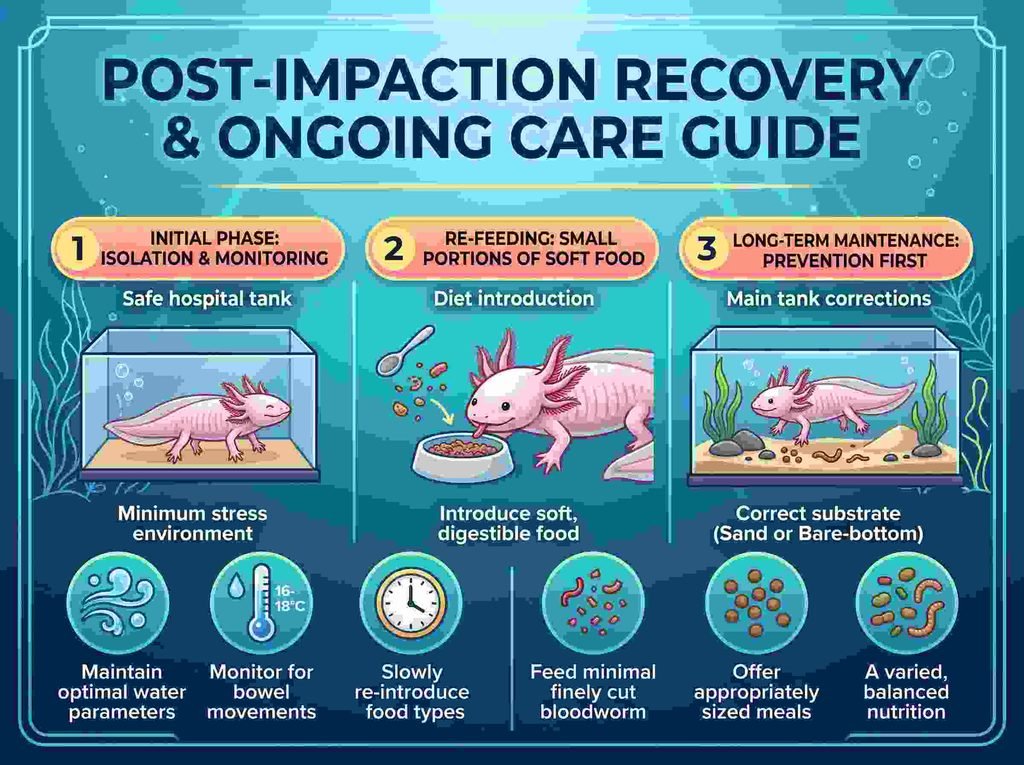
One owner recounted a particularly alarming incident when their axolotl, named Lucy, suddenly became lethargic and refused to eat. After conducting some research, the owner suspected impaction due to the substrate used in the tank. The swift action taken included a series of therapeutic baths and modifications to Lucy’s diet. This approach not only resolved the immediate problem but also provided a template for prevention moving forward. By switching to a sand substrate and incorporating more varied, softer foods, the owner significantly reduced the risk of similar incidents.
Another axolotl enthusiast shared how their experience with an impacted axolotl named Max led them to join an online support group. Within this community, they discovered various methods employed by others, including the use of olive oil and specific feeding practices to prevent impaction. Through these discussions, the owner learned about the importance of monitoring their axolotl’s eating habits and being astute about any changes in behavior. The group’s collective wisdom and shared stories fostered a supportive environment, aiding in the recovery of Max while equipping the owner with proactive strategies for the future.
These anecdotes highlight the necessity of community engagement among axolotl owners. By sharing their experiences with impaction, owners not only find reassurance in knowing they are not alone, but they also glean practical advice that can aid in both the prevention and treatment of this serious condition. In essence, the power of shared stories lays a foundation for both knowledge and emotional support amongst axolotl enthusiasts.
Conclusion: Caring for Your Axolotl with Confidence
In conclusion, understanding axolotl impaction is crucial for every responsible owner. By familiarizing yourself with the causes, prevention methods, and treatment options outlined in this guide, you can significantly reduce the risk of this serious health issue. Regularly monitoring your axolotl’s diet is essential; ensuring that they consume appropriately sized food items, such as specialized pellets or live food that won’t cause blockages, can help maintain their health. Additionally, keeping their habitat clean and well-maintained will promote a healthy lifestyle that minimizes the chances of impaction.
Being observant of your axolotl’s behavior and physical condition is equally important. Quick identification of any signs of distress, such as lethargy or changes in appetite, can lead to early intervention. As an owner, it is your responsibility to maintain a close eye on your pet’s wellbeing. Knowledge of your axolotl’s normal behavior will make it easier to spot any anomalies that may indicate impaction or other health concerns.
Furthermore, fostering an environment where axolotls can thrive can bolster their overall happiness and reduce stress, making them less susceptible to various health conditions, including impaction. Investing time in researching and learning about their proper care will empower you to make informed decisions, thereby enhancing the quality of life for your axolotl.
Ultimately, by staying proactive and informed, axolotl owners can ensure their pets lead healthy lives free from the complications of impaction. With the right knowledge and resources, you can approach axolotl care with confidence, ensuring your amphibious companions receive the best possible care throughout their lives.