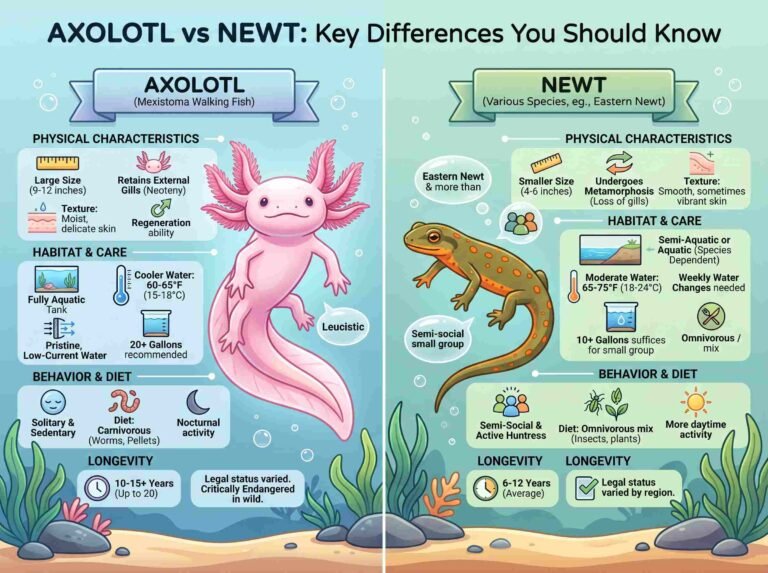
To create a successful environment for axolotls, it is essential to understand their specific habitat needs. Axolotls are unique aquatic amphibians that thrive in particular conditions, and failing to meet these requirements can result in health issues and a reduced lifespan. Therefore, maintaining the right temperature, water quality, and habitat structure is crucial for any axolotl owner.
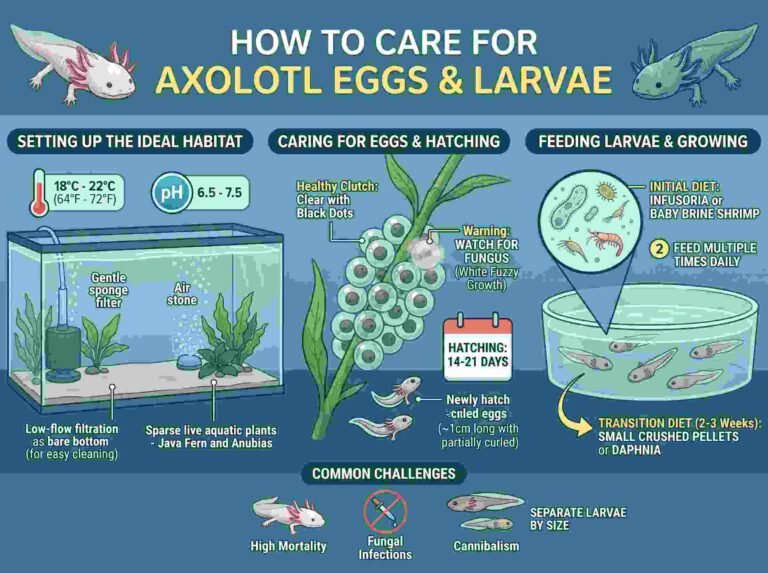
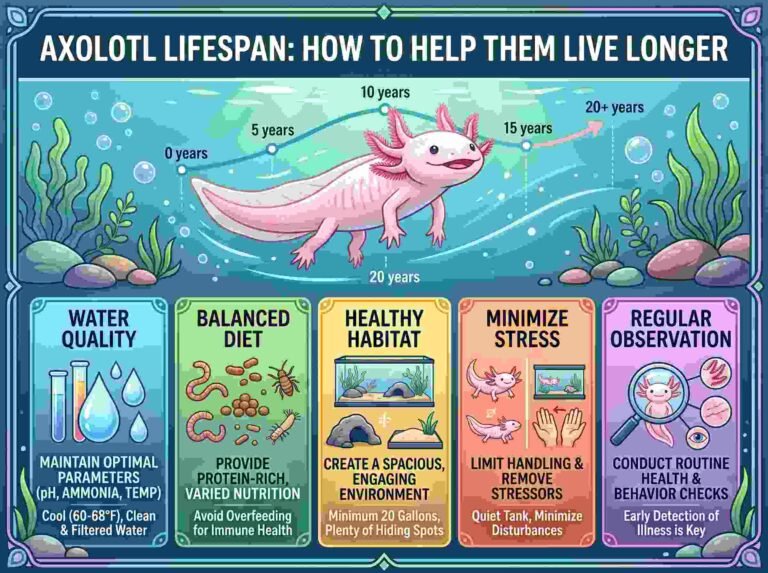
The ideal water temperature for axolotls ranges from 16°C to 18°C (60°F to 64°F). Temperatures above these levels can cause stress and may lead to various health problems, including lethargy and decreased immune response. To ensure that the water temperature remains stable, it is advisable to use an aquarium heater with a thermostat, or if the ambient temperature of the room is cooler, maintaining a cooling fan may be necessary during hotter months.
Water quality is another critical aspect of axolotl care. Maintaining optimal pH levels between 6.5 and 8.0 is vital. Clean, well-filtered water prevents the buildup of harmful toxins like ammonia and nitrites. Regular water changes, approximately 20-30% weekly, are essential. Investing in a high-quality filtration system can significantly contribute to achieving these quality levels while lessening the frequency of water changes required.
Alongside appropriate temperature and water quality, the habitat structure must also cater to the needs of axolotls. Providing a substrate, such as sand or smooth gravel, minimizes the risk of ingestion, as axolotls tend to explore their environments with their mouths. Adding hiding spots, like caves or plants, not only enriches their habitat but also offers the security that these creatures require. Well-structured habitats help mitigate stress, thereby improving the overall health and well-being of axolotls.
By prioritizing these environmental requirements, axolotl owners can better understand the importance of regular maintenance. This commitment helps create a thriving habitat, ultimately leading to a more satisfying and successful experience in caring for these fascinating amphibians.
Daily Maintenance Tasks
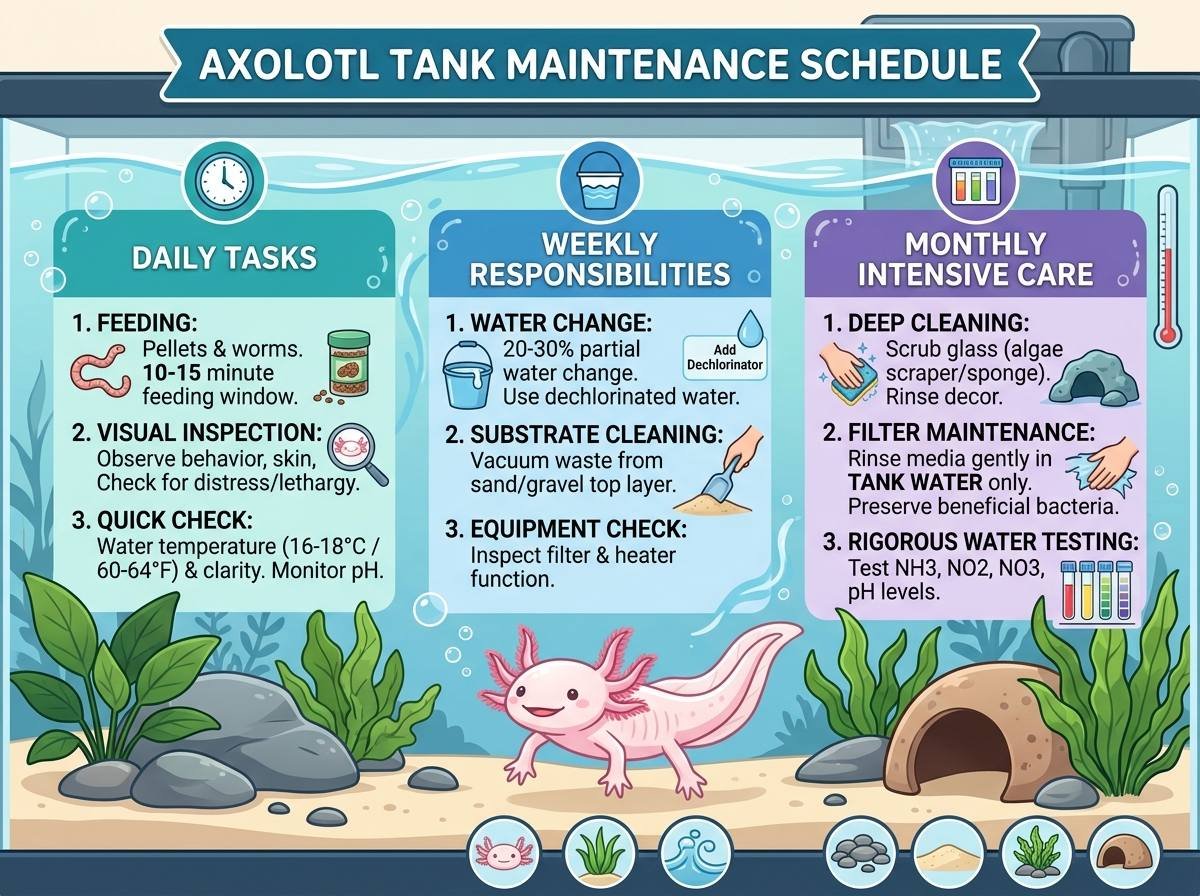
Maintaining a healthy environment for your axolotl is pivotal, and this begins with a well-planned daily maintenance routine. Daily tasks not only ensure the well-being of your axolotl but also help you identify any potential issues early on. One of the primary aspects of daily care is visual inspection. Spend a few minutes observing your axolotl’s behavior and appearance. Healthy axolotls are usually active and responsive. Look for any signs of distress, such as lethargy, floating, or unusual spots on their skin, as these could indicate health problems that require immediate attention.
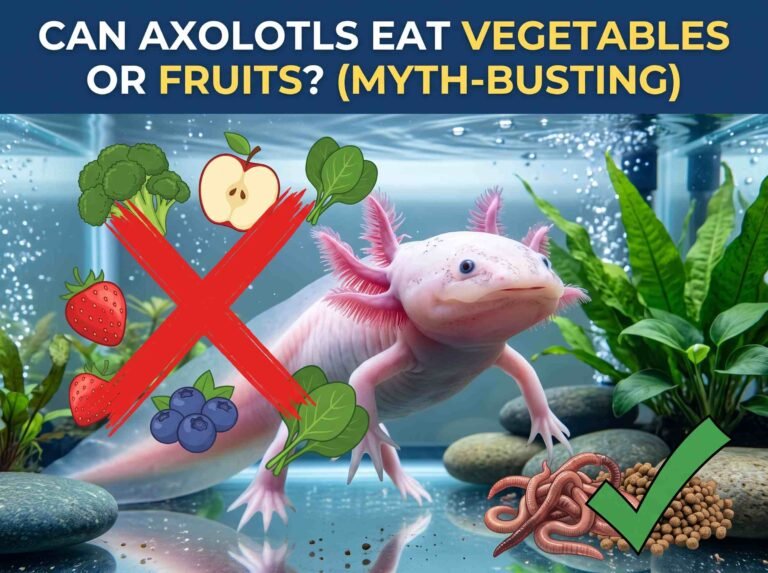
Feeding is another crucial daily task in axolotl maintenance. It’s recommended to feed your axolotl once a day, providing a balanced diet consisting of high-quality pellets, live or frozen food such as bloodworms, and earthworms. Aim for the quantity that your axolotl can consume in about 10-15 minutes. Be mindful to avoid overfeeding, as this can lead to health issues and water quality deterioration due to uneaten food decaying in the tank.
A quick check of the water quality should also form part of your daily routine. While deeper water quality tests may be conducted weekly or monthly, a simple visual assessment can help you gauge the overall state of the tank. Look for clarity and check for any unusual odors or colors in the water, which can indicate a problem. Additionally, monitor the temperature and pH level to ensure they are within the appropriate range for axolotls, typically 16-18°C (60-64°F) and a pH of around 6.5 to 8, respectively. Maintaining stable water conditions is vital to your axolotl’s health.
Incorporating these tasks into your daily maintenance routine will support the happiness and health of your axolotl, allowing you to enjoy your aquatic companion for years to come.
Weekly Maintenance Responsibilities
Regular maintenance of an axolotl tank is crucial to ensure the health and well-being of these unique aquatic creatures. Conducting weekly maintenance tasks helps to maintain optimal water quality, which is vital for the overall health of axolotls. Some key responsibilities include performing partial water changes, cleaning the substrate, and conducting equipment checks.
One of the primary tasks is the partial water change. Typically, it is recommended to change about 20-30% of the water weekly. This helps to dilute harmful toxins that can accumulate, such as ammonia and nitrites, which can adversely affect axolotl health. When changing the water, it is essential to use dechlorinated water to avoid introducing harmful chemicals. Additionally, using a gravel vacuum can make this process easier, effectively removing debris that can settle at the bottom of the tank.
Cleaning the substrate is another critical weekly activity. Substrate can trap uneaten food, waste, and detritus, which contribute to poor water quality. A thorough cleaning not only enhances the aquarium’s appearance but also prevents the growth of harmful bacteria. If the substrate is made of sand or small gravel, gentle scrubbing of the top layer can help in maintaining cleanliness while preserving beneficial bacteria essential for the tank’s ecosystem.
Finally, equipment checks should not be overlooked. It is advisable to inspect filters, heaters, and any other equipment regularly. Filters should be rinsed gently in old tank water to avoid disrupting beneficial bacteria, while heaters need to be checked for proper functioning. Ensuring that all equipment is in good condition minimizes the risk of sudden temperature fluctuations and water quality issues, which could endanger axolotls.
By integrating these weekly maintenance responsibilities into a routine, aquarists can provide a stable and healthy environment for their axolotls, enabling them to thrive.
Monthly Intensive Care Procedures
Establishing a reliable routine for axolotl tank maintenance is essential for maintaining a healthy environment for these amphibians. A thorough monthly maintenance routine should include deep cleaning of the tank, extensive filter maintenance, and rigorous water testing to ensure the optimal living conditions for your axolotl.
Firstly, deep cleaning the tank is critical. This process involves removing all decorations, plants, and substrate while ensuring to handle the axolotl carefully. Once the tank is empty, scrub the glass with an algae scraper or a soft sponge specifically designed for aquarium use. It is imperative to avoid using harsh chemicals, as they can be hazardous to your axolotl. After scrubbing, rinse the tank with warm water and refill it with treated water, carefully acclimating the axolotl back into its pristine environment.
Next, filter maintenance plays a pivotal role in tank upkeep. The filter should be disconnected, and all removable parts should be rinsed in tank water to prevent the loss of beneficial bacteria that are crucial for biological filtration. It is vital to check the mechanical and chemical filter components, ensuring they are clean and functional. If necessary, replace any filter media according to the manufacturer’s recommendations to maintain effective filtration. Regular inspection and maintenance will help keep the water quality stable and suitable for your axolotl.
Additionally, testing the water parameters monthly is crucial to ensure a healthy habitat. Key factors like pH levels, ammonia, nitrite, and nitrate concentrations must be monitored using reliable testing kits. This will help detect potential issues before they escalate into serious health problems for your axolotl. Maintaining stable water conditions can significantly impact the well-being of your pet.
In conclusion, implementing these monthly intensive care procedures—deep cleaning the tank, thorough filter maintenance, and comprehensive water testing—will help sustain a healthy living environment for your axolotl, promoting its longevity and overall well-being.
Water Quality Testing and Management
Maintaining optimal water quality is crucial for the health and well-being of axolotls. Regular testing of water parameters such as ammonia, nitrite, nitrate, pH, and temperature is essential to ensure a stable and safe environment for these aquatic creatures. Each of these parameters can impact the overall quality of the water, directly influencing the health of your axolotl.
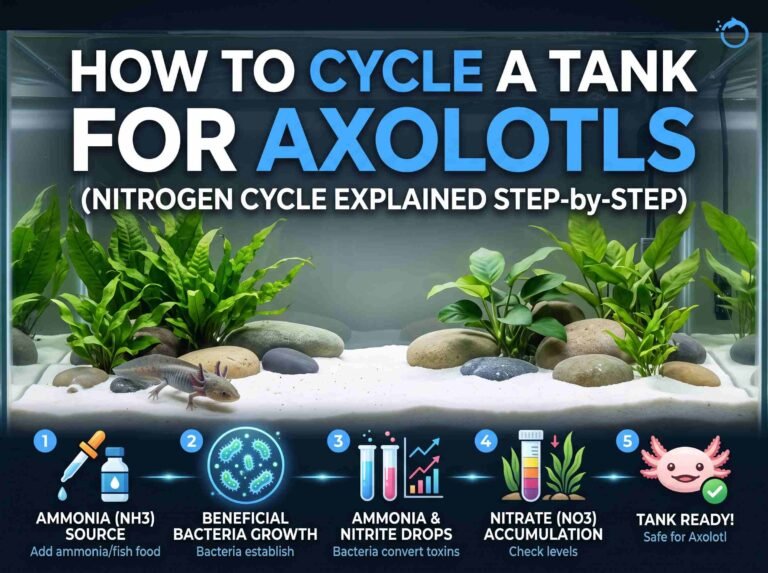
Ammonia is a toxic byproduct produced by the breakdown of waste, uneaten food, and decaying plant matter. Levels should remain at 0 ppm (parts per million). Testing for ammonia can be done using liquid test kits or API test strips, which are both widely available. If ammonia is detected, immediate action is required, including performing partial water changes and addressing the source of the ammonia.
Nitrite, another toxic compound, results from the breakdown of ammonia by beneficial bacteria. Like ammonia, nitrite should also be kept at 0 ppm. A rise in nitrite levels can indicate an imbalance in the nitrogen cycle, which may require additional water changes and possibly the introduction of more beneficial bacteria to restore balance.
Nitrate, while less toxic than ammonia and nitrite, can still be harmful in high concentrations. Ideally, nitrate levels should remain below 40 ppm. Regular water changes will help manage nitrate levels, especially in tanks with many fish or excess organic matter.Additionally, monitoring pH levels is important, with a range of 6.5 to 8.0 being suitable for axolotls. Sudden fluctuations can stress these animals, so regular testing and gradual adjustments are recommended. If you need to modify the pH, consider using products specifically designed for aquarium use, such as pH Up or pH Down, while taking care to adjust gradually.
Lastly, maintaining a stable water temperature is equally vital. Axolotls thrive in cooler temperatures, generally between 60°F and 68°F (15°C to 20°C). It is important to use a reliable thermometer to monitor this parameter closely.
In conclusion, testing and managing water quality parameters is fundamental to creating a healthy and conducive environment for axolotls. Regular assessments and timely interventions will ensure the longevity and vitality of these fascinating aquatic pets.
Recognizing Signs of Stress or Illness
Maintaining the health of your axolotl is crucial for their longevity and well-being. Recognizing signs of stress or illness in axolotls can greatly enhance their care and ensure that any issues are addressed promptly. Axolotls are sensitive creatures, and even minor changes in their environment or health can lead to significant stress.
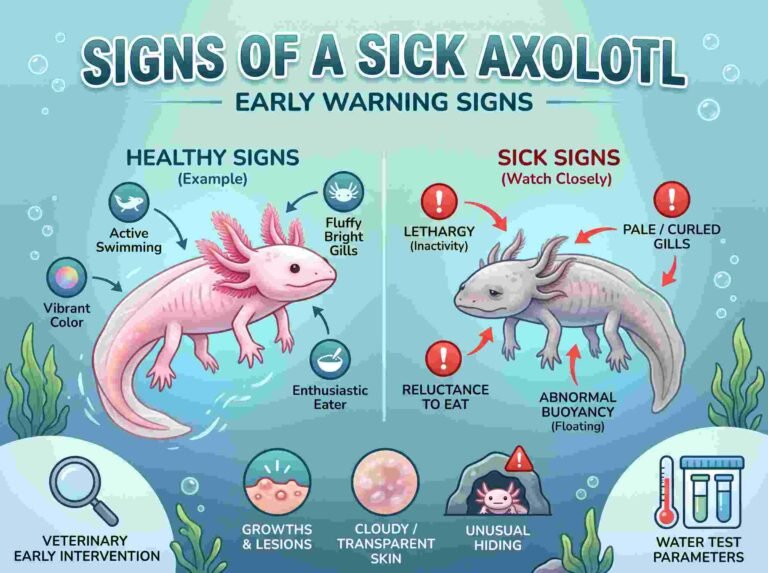
One of the primary indicators of stress in axolotls is a noticeable change in behavior. For example, if your axolotl becomes lethargic and spends excessive time at the bottom of the tank or hides more than usual, it may be experiencing stress. Additionally, abnormal swimming patterns, such as erratic movements or excessive floating, can also suggest underlying health issues. Close observation of these behaviors can help in diagnosing potential problems early.
Another sign to watch for is changes in appetite. If your axolotl refuses food or shows little interest in eating, it could indicate stress or illness. Loss of appetite can often precede more serious health concerns, making it essential to monitor their feeding habits consistently. Furthermore, any visible physical symptoms such as discoloration, lesions, or swollen body parts warrant immediate attention, as these can signify serious health complications.
Environmental factors should not be overlooked when assessing your axolotl’s well-being. Sudden shifts in water temperature, quality, or pH levels can lead to distress. It is advisable to regularly test your tank conditions and ensure they remain within the optimal range for axolotls. If water quality issues arise, immediate maintenance adjustments may be necessary, or it may be time to consult a veterinarian.
In conclusion, understanding the signs of stress or illness in axolotls is essential for effective care. By paying attention to behavioral changes, appetite fluctuations, physical symptoms, and environmental conditions, aquarists can help safeguard their axolotls’ health and ensure a flourishing aquatic environment.
Maintaining Water Temperature and Filtration
Proper tank maintenance is vital for the health and well-being of axolotls. One of the most crucial aspects of this maintenance routine involves maintaining the appropriate water temperature. Axolotls thrive in cooler water, ideally in a range of 16 to 20 degrees Celsius (60 to 68 degrees Fahrenheit). Temperatures above this range can lead to stress and negatively impact their immune system. To ensure a stable temperature, it is advisable to use a reliable aquarium heater equipped with a thermostat. Regular monitoring of the water temperature with an accurate thermometer can help detect fluctuations early.
In addition to monitoring water temperature, maintaining effective filtration is equally important in promoting a healthy aquatic environment. A well-functioning filter not only helps in keeping the water clear but also eliminates harmful waste products, maintaining water quality. When selecting a filter for an axolotl tank, it is essential to consider a gentle filter that provides adequate flow without creating strong currents, which can distress these delicate creatures.
Cleaning and maintaining the filtration system is another key component of tank upkeep. It is recommended to check the filter regularly for clogs or blockages and clean it as needed, ideally every few weeks. For optimal performance, filter media should be rinsed with tank water, not tap water, to preserve beneficial bacteria. This ensures that the nitrogen cycle remains uninterrupted, thus safeguarding the aquatic habitat.
In summary, maintaining appropriate water temperatures and ensuring effective filtration are critical for the health of axolotls. By investing time in consistent monitoring and maintenance of both water temperature and filtration systems, aquarists can create a stable and supportive environment for their axolotls to flourish.
Creating a Maintenance Calendar
Establishing a robust maintenance calendar for your axolotl tank is essential for ensuring a healthy environment for these unique aquatic creatures. A well-structured calendar can streamline the complexities of tank upkeep and create a consistent routine for both novice and experienced owners. To begin, you should decide whether to create a physical or digital calendar, based on your personal preference and propensity for organization.
For those who prefer a physical format, consider using a wall planner or a dedicated notebook. You can divide the calendar into daily, weekly, and monthly sections. For example, daily tasks could include feeding your axolotl and checking the water temperature, while weekly tasks might involve monitoring water quality parameters and performing routine water changes. Monthly maintenance could encompass more significant responsibilities such as substrate cleaning and filter maintenance. Be sure to include specific dates for these activities to promote punctuality.
Alternatively, a digital maintenance calendar can offer reminders and alerts, which can be especially beneficial for busy individuals. Applications such as Google Calendar or specialized aquarium management software allow for customizable reminders for each type of task. You can set recurring notifications for daily tasks, weekly activities, and monthly deep-cleaning responsibilities. A digital format also enables easy updates and alterations, ensuring that your maintenance schedule adapts as your needs change.
Combining these tasks into an easily manageable format helps eliminate oversights that could lead to tank imbalances. By making the maintenenance process part of your routine, you can significantly enhance the living conditions for your axolotl, thereby promoting their well-being. A proactive approach to maintaining your axolotl tank not only benefits the creatures but also enriches your experience as an aquatic keeper.
Further Resources and Support
Axolotl care can be a rewarding experience, yet it can also present certain challenges that may require additional guidance. Fortunately, a plethora of resources are available for axolotl owners seeking to enhance their knowledge and connect with fellow enthusiasts. Online communities serve as a vital platform for sharing experiences, problem-solving, and acquiring valuable insights into proper axolotl maintenance.
One of the most popular online forums dedicated to axolotl care is Reddit, where users participate in discussions, showcase their setups, and offer advice on a variety of topics related to axolotls. These discussions can range from tank maintenance tips to dietary requirements, ensuring that owners have access to diverse perspectives and troubleshooting techniques that promote the well-being of their pets. Additionally, dedicated Facebook groups provide another interactive avenue for owners to connect, share images, and ask specific questions regarding their axolotls.
Books on axolotl care are also an invaluable resource for beginners and seasoned owners alike. Titles such as “The Complete Guide to Axolotls” offer in-depth information on habitat requirements, health concerns, and breeding practices. Such literature equips owners with a structured approach towards establishing and maintaining a healthy tank environment.
Furthermore, reaching out to local veterinarians who specialize in aquatic animals can bolster an owner’s confidence in addressing potential health issues experienced by their axolotls. Veterinary professionals can provide personalized care strategies to ensure optimum health, offering insights that online communities or literature may not cover comprehensively. Moreover, specific veterinary contacts often arise from community discussions, providing reliable information that owners can depend on.
In conclusion, combining online resources, literature, and veterinary contacts can significantly enhance an axolotl owner’s ability to provide exemplary care. By engaging with these resources, owners can foster a nurturing and thriving environment for their axolotls, ensuring that they lead healthy and enriched lives.