Axolotls, scientifically known as Ambystoma mexicanum, are unique amphibians renowned for their regenerative capabilities and charming appearances. An essential consideration for any potential or current axolotl owner is understanding their lifespan, which can vary significantly between individuals, depending on several influencing factors.
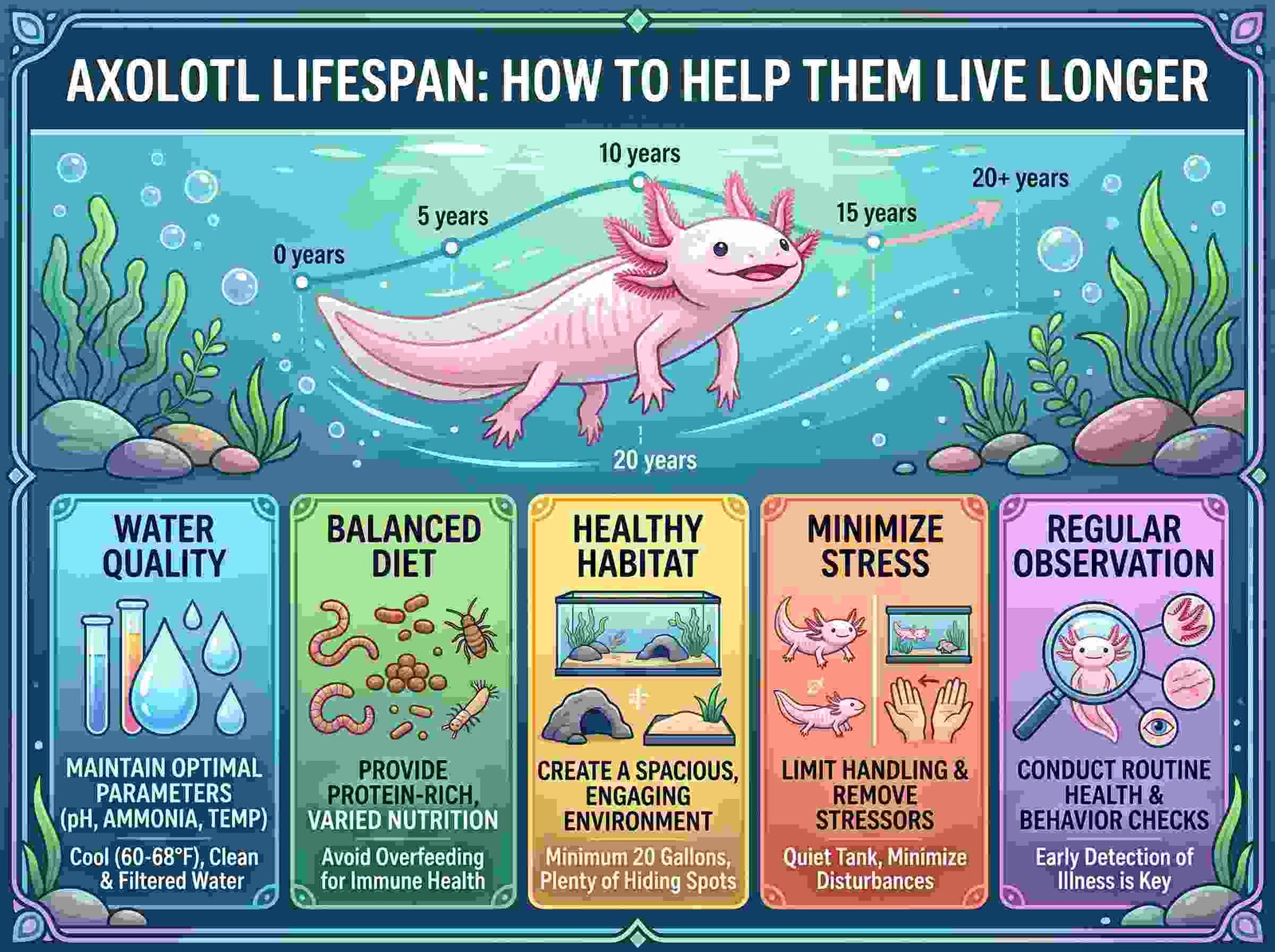
In captivity, axolotls can generally live between 10 to 15 years, with some individuals reported to reach even 20 years with optimal care. This longevity is influenced significantly by genetics, as some axolotl strains are genetically predisposed to longer lifespans. In contrast, wild axolotls typically face a more challenging environment, often living only up to 5 years due to threats from predators, habitat degradation, and disease.
Environmental conditions play a pivotal role in determining the lifespan of an axolotl. Factors such as water quality, temperature, and tank size can significantly impact their health and lived experience. For instance, maintaining a stable water temperature between 60 to 68 degrees Fahrenheit is crucial for their well-being. Additionally, regular water changes and proper filtration help minimize the buildup of harmful toxins, creating a healthier habitat.
Nutrition is another fundamental element in extending an axolotl’s lifespan. Providing a balanced diet that includes a variety of foods, such as earthworms, pellets, and small invertebrates, encourages optimal growth and enhances the immune system. Furthermore, the presence of stressors, like overcrowding or aggressive tank mates, can negatively affect an axolotl’s health and lifespan.
In conclusion, being an informed axolotl owner entails understanding the average lifespan expectations and the various factors that influence this aspect of their care. By acknowledging the critical roles of genetics and environmental conditions, owners can implement practices that promote a long and healthy life for their axolotls.
Key Factors Influencing Lifespan
When considering the longevity of axolotls, various critical elements come into play. The health and lifespan of these fascinating creatures can be significantly affected by water quality, diet, habitat conditions, and stress levels. Prioritizing these factors can lead to longer, healthier lives for your axolotls.
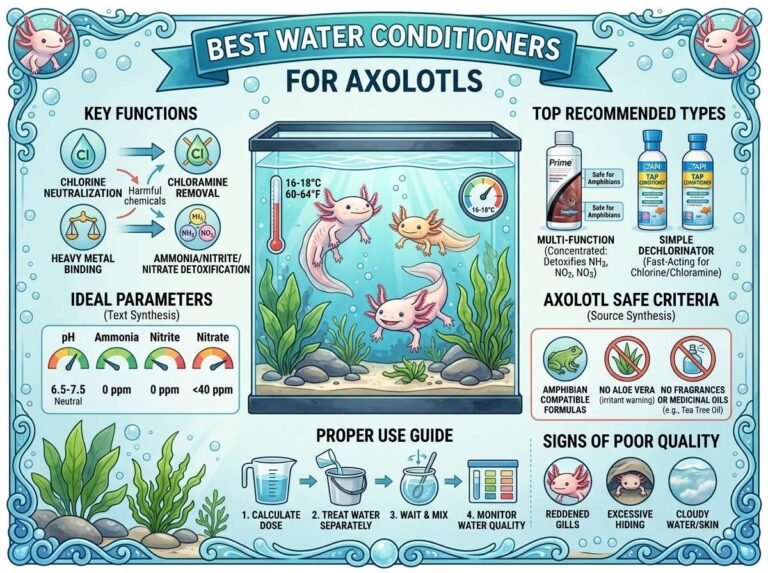
Water quality is perhaps the most essential aspect of axolotl care. These amphibians thrive in clean, well-maintained aquatic environments. It is vital to monitor parameters such as pH, ammonia, nitrite, and nitrate levels. Ideally, the pH should be maintained between 6.5 and 8.0, with ammonia and nitrite levels kept at zero. Regular water changes and adequate filtration are essential in preventing the buildup of harmful substances, which can lead to stress and disease.
Next, the diet of an axolotl plays a significant role in its overall health and lifespan. A balanced diet that consists of high-quality pellets, earthworms, and live food can ensure they obtain the necessary nutrients. Adequate nutrition supports growth and regeneration capabilities, which are vital for their longevity. Owners should avoid overfeeding, as excess food can deteriorate water quality and harm the axolotl’s health.
Habitat conditions also significantly influence an axolotl’s well-being. Providing a spacious aquarium with hiding places, appropriate substrate, and stable temperature conditions is crucial. Ideal water temperatures range from 16 to 18 degrees Celsius. Extreme temperatures or sudden changes can result in stress or even health complications. Moreover, minimizing noise and disturbances around the tank can help create a tranquil environment conducive to their well-being.
Lastly, managing stress levels is imperative in promoting longer lifespans for axolotls. Frequent handling, rapid changes in their environment, or exposure to aggressive tank mates can all contribute to unnecessary stress. Ensuring their habitat is clean, safe, and predictable allows these unique creatures to thrive, ultimately enhancing their lifespan. By addressing these key factors, axolotl owners can significantly improve the quality of life for their pets.
The Importance of Water Quality
Water quality is a critical aspect of maintaining the health and longevity of axolotls. These aquatic creatures are particularly sensitive to their environment, making it essential for owners to monitor and manage water parameters effectively. Optimal water conditions not only promote the well-being of axolotls but also enhance their overall quality of life.
One of the most important factors to consider is the temperature of the water. Axolotls thrive in cooler temperatures, generally ranging from 16 to 18 degrees Celsius (60 to 64 degrees Fahrenheit). Temperatures exceeding this range can lead to stress and health issues, such as compromised immune function. It is advisable for owners to utilize a reliable aquarium heater and thermometer to maintain stable conditions.
In addition to temperature, pH levels play a significant role in axolotl care. Ideally, the pH should be maintained between 6.5 and 8.0. This range supports the natural biological processes of the axolotl and prevents the proliferation of harmful bacteria. Regular testing of pH levels using a reliable kit is crucial to ensure optimal water quality.
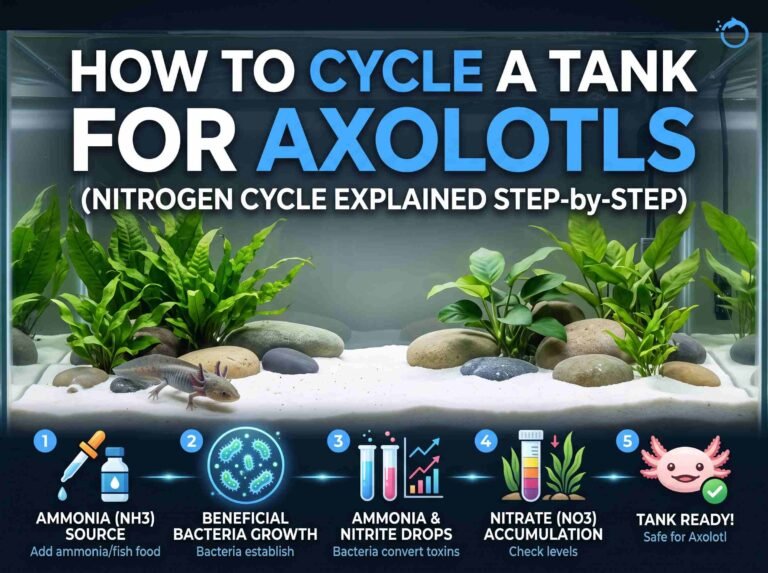
Another critical factor is the presence of ammonia and nitrate in the water. High levels of ammonia can be toxic to axolotls, leading to serious health challenges. Owners should aim to keep ammonia levels at zero through regular water changes and filtration. Similarly, nitrate levels should be monitored; while they are less toxic, elevated values can still pose risks. Keeping nitrate levels low is essential for a stable and healthy environment.
Implementing effective practices for managing these parameters will greatly benefit the axolotl’s well-being. Regular water tests, routine changes, and filtration will cultivate an optimal aquatic habitat. By prioritizing water quality, owners can significantly enhance their axolotl’s lifespan and overall health, ensuring that they thrive in their aquatic home.
Feeding Your Axolotl for Longevity
Providing a balanced and nutritious diet is paramount to maximize the lifespan of your axolotl. These unique aquatic creatures are carnivorous and require a diet rich in protein to thrive. Essential food options include specialized pellets designed for amphibians, live worms, or high-quality frozen foods such as bloodworms and brine shrimp. It’s crucial to offer a variety of these food items to ensure all dietary needs are met and to prevent dietary deficiencies.
When feeding your axolotl, consider establishing a consistent feeding schedule. Young axolotls typically require feeding every day, while adults can be fed every other day. This schedule helps regulate their metabolism and prevents overfeeding, which can lead to serious health issues such as obesity and water quality problems in their tank. Overfeeding is often a common mistake made by novice owners; as a rule of thumb, only provide the amount of food that can be consumed within a few minutes.
Furthermore, it’s advisable to monitor the axolotl’s eating habits closely. If your axolotl refuses food or exhibits signs of stress, consult a veterinarian familiar with aquatic animals. Signs of stress can include lethargy, erratic swimming patterns, or changes in color. Such behaviors could indicate an improper diet or other underlying health issues.
In addition to addressing the basic dietary needs, ensure that the food provided is appropriate for the size of your axolotl. Baby axolotls should be offered smaller food particles that they can easily consume, while larger adults can handle bigger prey. By tailoring the diet to the size and age of your axolotl, owners can promote a healthier lifestyle and support their pet’s overall longevity.
Creating a Healthy Habitat
When it comes to maximizing your axolotl’s lifespan, creating a healthy habitat is of paramount importance. Axolotls, being aquatic salamanders, thrive best in environments that mimic their natural habitat. A well-thought-out living environment not only encourages the overall well-being of these creatures but also minimizes stress levels and potential health issues.
The first consideration is tank size. Axolotls require ample space to swim and explore. A tank of at least 20 gallons is recommended for a single axolotl, with additional capacity being necessary for each additional axolotl. A larger tank provides more stable water conditions and reduces the buildup of waste, both of which are critical for the health of your axolotl.
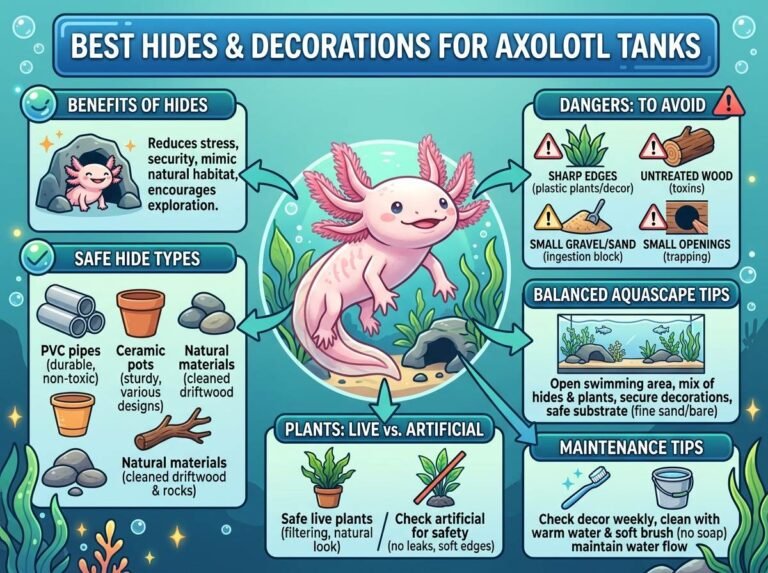
Next, the choice of substrate is crucial. Gravels, sand, or bare-bottom tanks can be utilized, but many experienced axolotl owners recommend fine sand or bare bottoms to prevent accidental ingestion. Ingesting gravel can lead to serious health complications, including impaction. It is beneficial to create a naturalistic environment that allows your axolotl to feel secure.
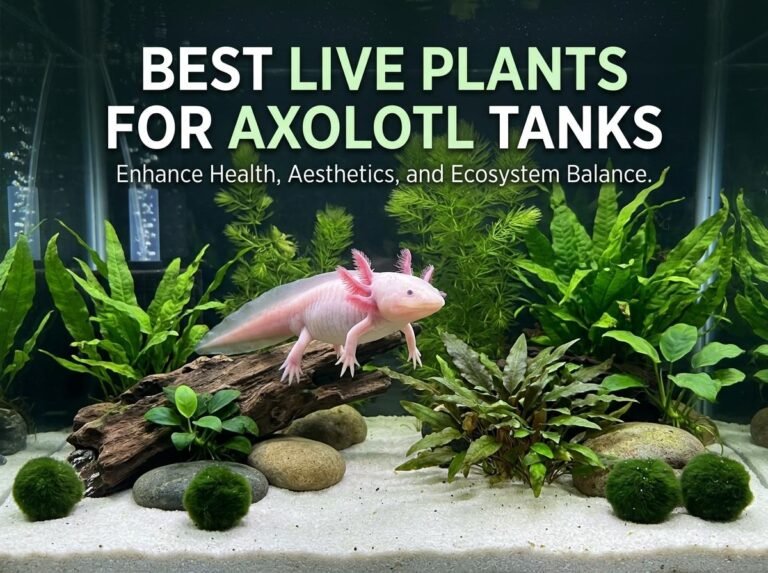
Hiding spots are another essential element in creating a healthy habitat. Axolotls can experience stress if they feel exposed, so providing items such as caves, plants, or specially designed hiding spots can help them feel secure. These hiding spots not only serve as shelters but also contribute to a more engaging environment that encourages natural behaviors.
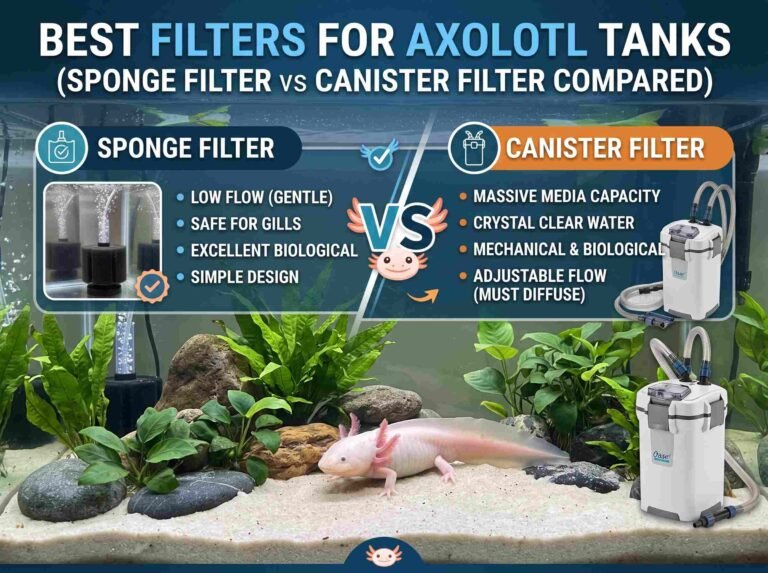
Filtration and aeration are vital components of maintaining high water quality in your axolotl’s habitat. A good filtration system helps remove toxins and provides clean water, while an air stone or sponge filter can add necessary oxygen to the water. It’s essential to regularly monitor water parameters such as temperature, pH, and ammonia levels to ensure a healthy living environment.
Minimizing Stress in Axolotls
Understanding the common stressors affecting axolotls is crucial for ensuring their well-being and longevity. Axolotls are sensitive creatures that can easily become stressed due to various environmental factors. One significant stressor is the presence of incompatible tank mates. When housed with other species, axolotls may be subjected to aggressive behavior or competition for resources, leading to anxiety and stress. Therefore, it is essential to select tank mates that are harmonious with axolotl behavior. Generally, keeping axolotls alone or in pairs is highly recommended to minimize stress.
Another critical factor in the stress management of axolotls is handling. Frequent handling can be detrimental to their health. Unlike some other pets, axolotls do not enjoy or benefit from interaction with humans outside their habitat. The slime coat of an axolotl serves as a protective barrier against diseases, and excessive handling can lead to the removal of this coat, making them more susceptible to illness. Owners should limit handling to only when absolutely necessary, such as during tank maintenance or health assessments, and always do so with wet hands to protect their delicate skin.
Environmental changes also play a significant role in the stress levels of axolotls. Fluctuations in water temperature, pH, and ammonia levels can create an unstable environment. To reduce these stressors, it is vital to maintain consistent water conditions and conduct regular water testing. The setup of the tank should include plenty of hiding spots, such as plants and decorations, to provide security for the axolotls, as they thrive in a serene habitat where they can feel safe from perceived threats.
By implementing these strategies, owners can create a calm and secure environment, ultimately supporting the health and longevity of their axolotls. Monitoring tank mates, minimizing handling, and ensuring a stable environment are all crucial steps to enhancing the quality of life for these unique amphibians.
Recognizing Signs of Illness
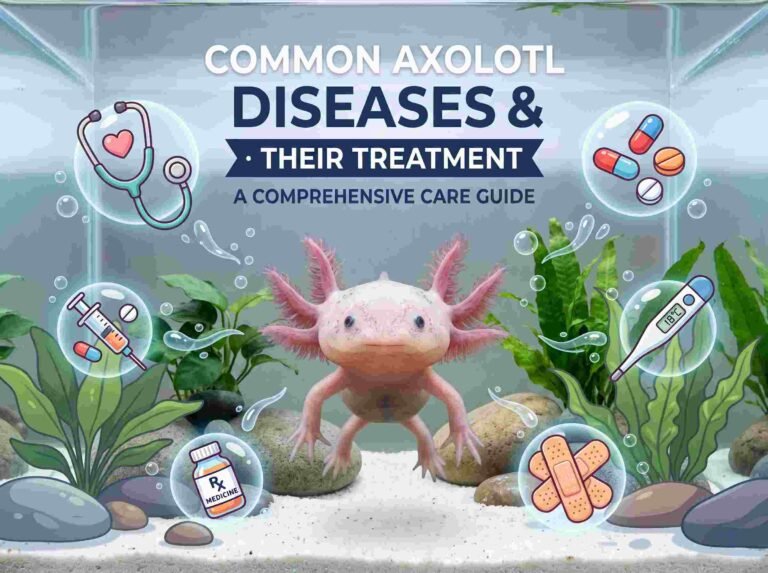
As an axolotl owner, it is crucial to be vigilant regarding the health of your pet. Recognizing early signs of illness can significantly increase the chances of effective intervention, thereby maximizing your axolotl’s lifespan. Common diseases and conditions that affect axolotls include bacterial infections, fungal infections, and parasitic invasions. Understanding these ailments and the symptoms associated with them can help you take timely action.
One of the primary signs that your axolotl may be unwell is a change in behavior. If you observe lethargy, decreased appetite, or unusual hiding, these may indicate health issues. Additionally, alterations in skin color or texture can suggest underlying problems. Healthy axolotls typically display vibrant colors, while faded or darkened areas may signal stress or disease.
Furthermore, watch for respiratory distress, which may manifest as frequent gulping at the surface or unusual swimming patterns. These symptoms can indicate that your axolotl is struggling to breathe, possibly due to poor water quality or gill problems. Another important aspect to monitor is the gills themselves; they should be bright and fluffy. Any discoloration, such as blushing or blackened gills, often suggests infections or environmental stressors.
Regular health checks can enhance your ability to detect such signs. Observe your axolotl daily, and ensure their environment maintains optimal parameters, such as temperature and pH levels. If you notice any signs of illness, consult a veterinarian experienced with aquatic animals immediately. Early detection is often the key to successful treatment and can prevent small issues from developing into significant health crises. Ensuring water quality remains high and your axolotl’s habitat is clean can also bolster their immune responses, further aiding in the prevention of illness.
Breeding and Lifespan Considerations
Breeding practices play a crucial role in determining the lifespan of axolotls. When considering the care and longevity of these unique amphibians, it’s important to understand the implications of both selective and indiscriminate breeding. Selective breeding, which involves choosing parents based on desirable traits, can significantly enhance the genetic health of the offspring. This practice can help mitigate hereditary health issues that might shorten the lifespan of axolotls.
Genetic factors are essential in understanding how different breeding methods affect overall health. Breeding axolotls with a focus on genetic diversity not only promotes a strong immune system among the offspring but can also reduce the likelihood of genetic disorders. Such conditions, inherited from poorly chosen breeding pairs, may lead to a range of health complications that can diminish lifespan. Therefore, breeders should emphasize cultivating varied gene pools, ensuring robust offspring that tend to live longer and healthier.
On the other hand, indiscriminate breeding poses significant risks. When breeding is conducted without consideration for genetic integrity, the result may be a population of axolotls more susceptible to diseases and ailments. This scenario can lead to an increase in mortality rates and a decrease in lifespan. As such, responsible ownership requires potential breeders to be informed about genetic histories and to avoid pairing individuals who share similar hereditary issues.
In conclusion, the impact of breeding practices on the lifespan of axolotls cannot be overstated. By prioritizing careful breeding methods, axolotl owners can contribute to healthier populations and longer lives for these fascinating creatures. Ensuring a well-planned approach to breeding is a critical element in maximizing the lifespan of axolotls, balancing the joy of breeding with the responsibility of maintaining genetic health.
Conclusion and Lifespan Summary
In summary, the lifespan of an axolotl can be significantly influenced by various factors ranging from their environment to their diet and health care. Through the blog post, we have discussed key aspects that have a direct impact on the longevity of these unique aquatic pets.
Firstly, the importance of maintaining a stable and clean habitat cannot be overstated. It is crucial for axolotl owners to ensure that the water parameters, such as pH and temperature, are kept in the optimal range. Regular water changes and proper filtration will help in minimizing harmful toxins, thereby ensuring a healthier living environment for your axolotl.
Furthermore, nutrition plays a vital role in promoting a long lifespan. Providing a balanced diet consisting of high-quality pellets, live food, and occasional treats will boost the overall health and vitality of your axolotl. Owners should be mindful of overfeeding, as this can lead to serious health issues. Supplementing with vitamins and minerals can also enhance the well-being and immune system of these creatures.
Moreover, routine health checks are essential for early detection of any potential problems. Keeping a close eye on their behavior and physical condition can alert owners to changes that may indicate illness. Additionally, avoiding stress through careful handling and minimizing disturbances in their habitat is critical for their wellbeing.
Lastly, fostering a community of fellow axolotl enthusiasts can provide owners with invaluable tips and support as they work toward maximizing their pet’s lifespan. Sharing experiences and advice can contribute to a more enriching environment for both axolotls and their caretakers. By following these essential insights, axolotl owners can significantly increase the chances of their pets experiencing a longer and healthier life.