Axolotls, native to the water systems around Mexico City, possess unique behavioral traits and habitat requirements that are crucial for their survival and well-being. These aquatic creatures reside in a range of environments, from slow-moving rivers to lakes, where they exhibit specific territorial behaviors and social interactions. Understanding these aspects is essential for anyone looking to create a suitable habitat that supports the health of axolotls, especially when considering potential tank mates.
One of the primary behavioral characteristics of axolotls is their territorial nature. While they can display some degree of social interaction, axolotls are generally solitary animals. In the wild, they establish personal space to avoid conflicts, and this principle applies in captivity as well. An environment that provides ample space for each axolotl is vital to prevent stress and aggression, particularly when housing multiple individuals or adding new tank mates.
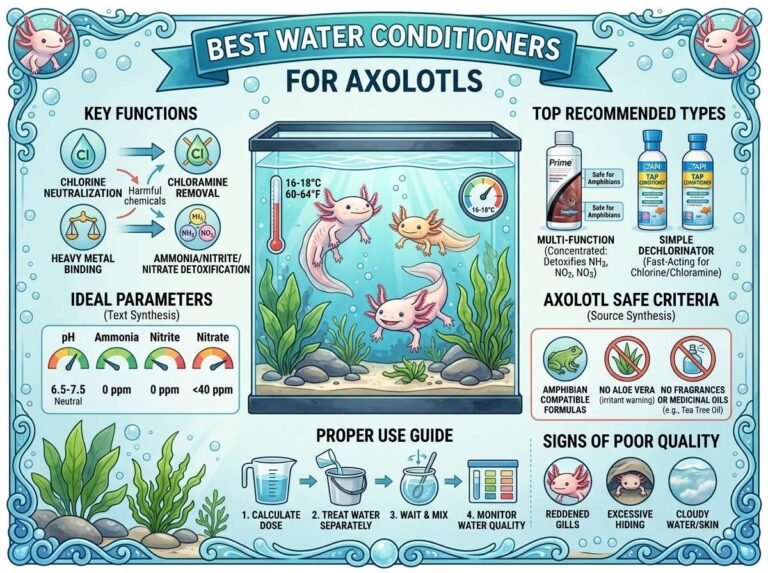
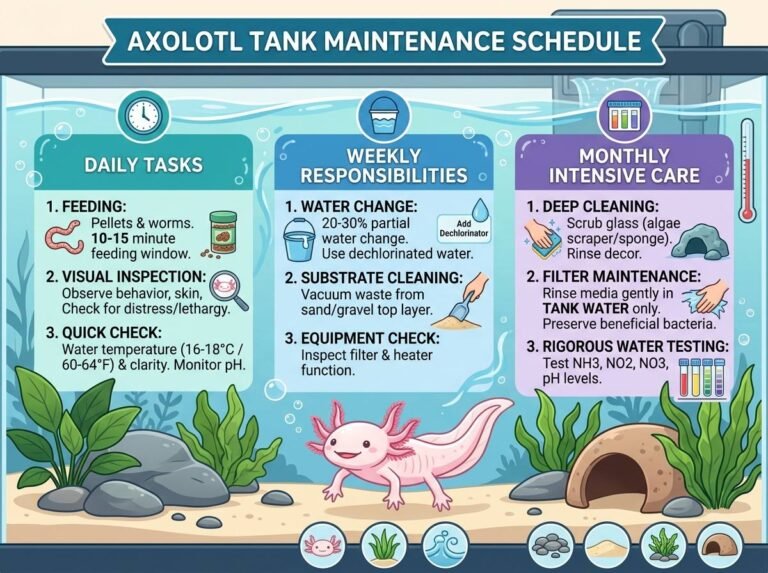
In terms of environmental conditions, axolotls thrive in cooler water temperatures, typically ranging between 60°F to 68°F (15°C to 20°C). The water should be clean, well-oxygenated, and have a neutral to slightly alkaline pH level. Moreover, the substrate and decor should be chosen carefully; axolotls are prone to swallowing small pieces of substrate or decorations, which can lead to severe health issues.
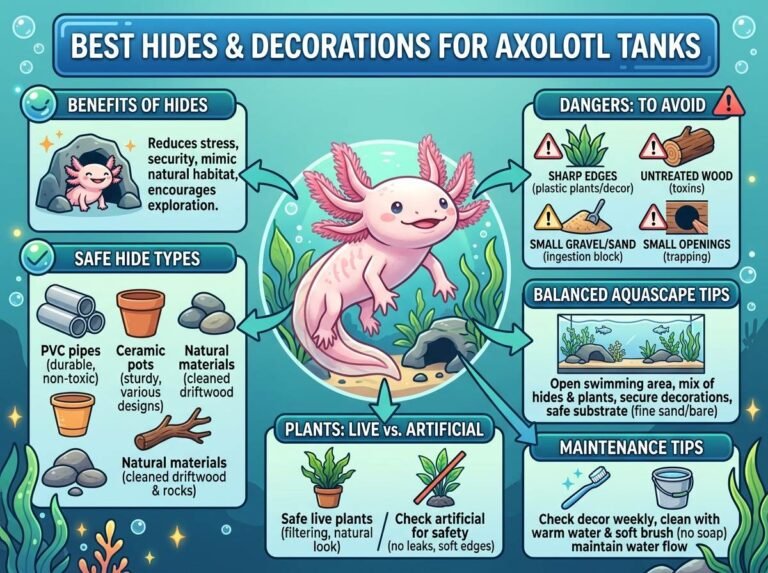
Additionally, the lighting in an axolotl tank should mimic natural conditions, providing them with a day-night cycle without being overly bright. Hiding spots, such as caves and plants, are essential to help them feel secure in their environment. These factors contribute significantly to the overall health and happiness of axolotls, and they play an important role when selecting the appropriate tank mates.
Overall, a thorough understanding of axolotl behavior and their habitat needs enhances the likelihood of maintaining a peaceful and healthy aquarium environment. This knowledge not only aids in selecting compatible tank mates but also ensures that their environmental requirements are met comprehensively.
Common Species Considered as Tank Mates
When it comes to selecting tank mates for axolotls, it is essential to carefully consider various species that are commonly suggested. The axolotl, known for its unique characteristics including its regenerative abilities and peaceful nature, has specific needs and compatibility requirements with other aquatic creatures. In this section, we will analyze several species that might be suitable as tank mates based on size, temperament, and dietary preferences.
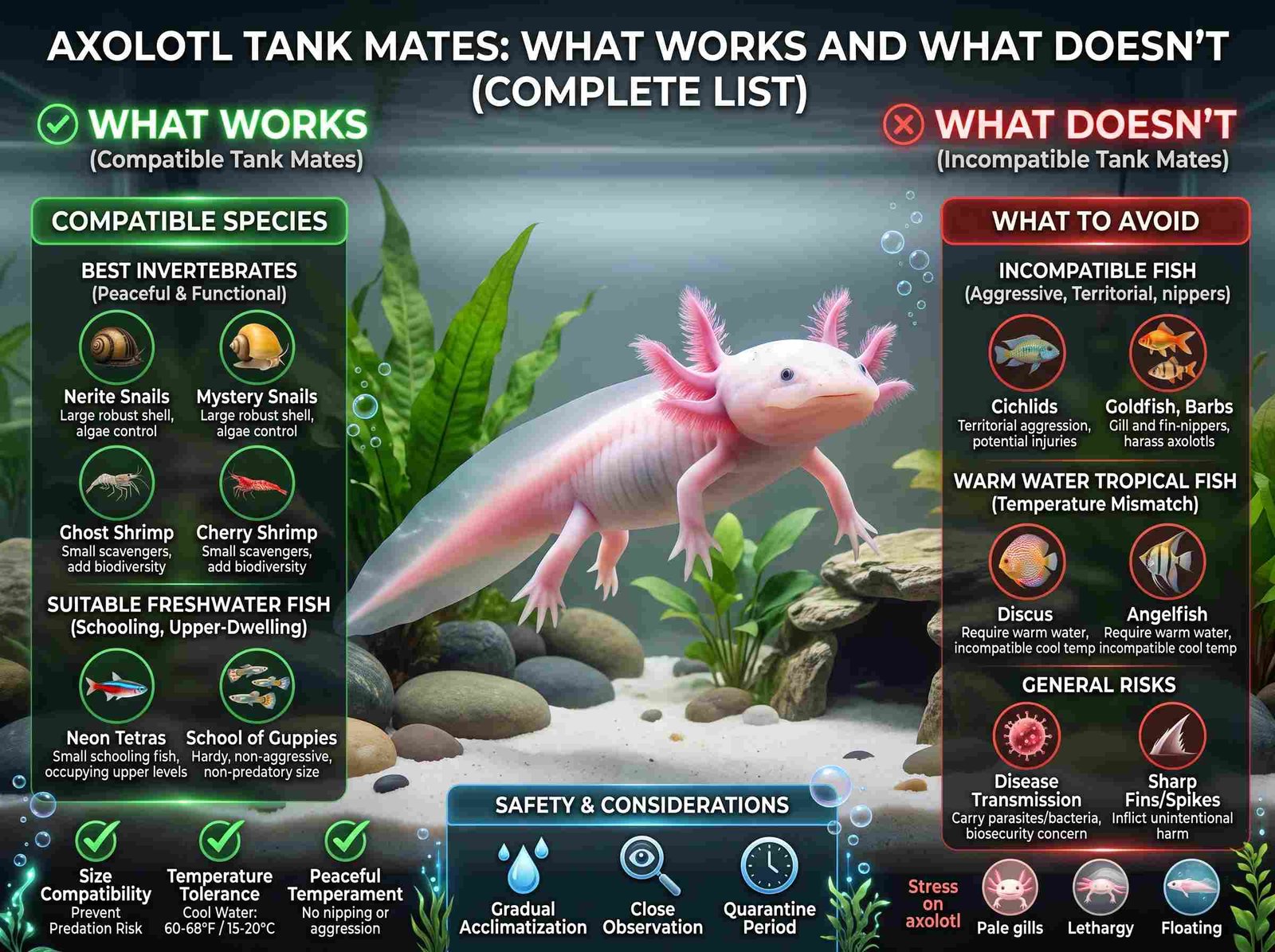
One of the most frequently recommended tank mates are certain types of snails, such as nerite and mystery snails. These creatures are generally peaceful and help maintain water quality by consuming algae. Additionally, their size makes them an excellent choice, as they are large enough not to be viewed as prey by axolotls. However, caution should be taken, as very small snails may be at risk.
Another category includes larger, more robust fish such as certain varieties of guppies or platies. These fish can be suitable tank mates if they are of a size that prevents them from being eaten. It is essential to monitor their interactions, as some fish may exhibit stress when housed with axolotls due to their predatory nature. Additionally, maintaining a high number of fish might result in competition for food and stress among both species.
Moreover, shrimp are sometimes considered, such as ghost shrimp, which can coexist with axolotls. However, it’s important to note that shrimp may be weakened by the axolotl’s behavior, especially if they are small in size. In essence, the compatibility of any species with axolotls heavily relies on both their size and color as well as behavioral traits.
Ultimately, finding the right tank mates for an axolotl involves careful assessment of multiple factors, and ongoing observation is crucial to ensure a harmonious living environment.
Incompatible Tank Mates: What to Avoid
When setting up an axolotl habitat, selecting compatible tank mates is crucial to ensure the health and well-being of these unique amphibians. However, certain species should be avoided, as they can pose significant risks to axolotls. Understanding which tank mates are incompatible helps prevent stress, injury, and potential fatalities.
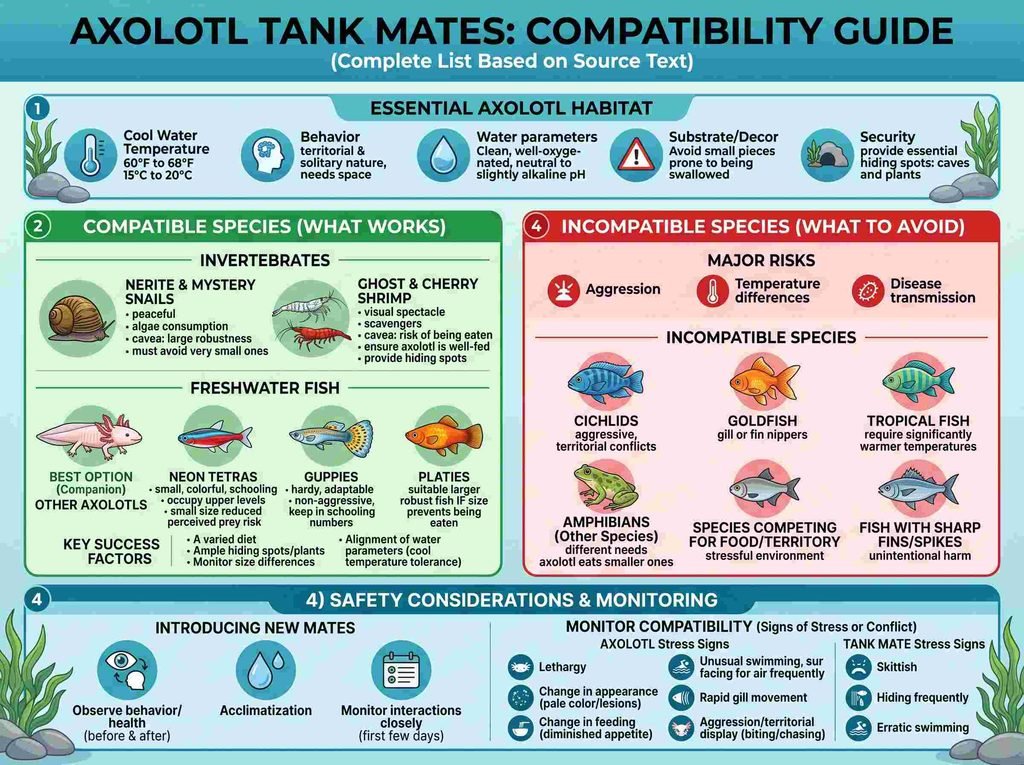
One of the primary concerns is aggression. Many fish species, particularly those known for territorial behaviors, can become aggressive towards axolotls. Cichlids, for example, are often unsuitable due to their tendency to establish territories and aggressively defend them. This may lead to injuries on the axolotl, who is defenseless and ill-equipped to handle such conflicts. Additionally, fish that have sharp fins or spikes can inflict harm unintentionally while swimming, further increasing the risk of injury.
Another important factor to consider is the difference in water temperature requirements. Axolotls thrive in cooler waters, ideally between 16°C to 18°C (60°F to 64°F). Many tropical fish require significantly warmer temperatures, making them incompatible tank mates. Keeping fish that prefer warmer environments in the same tank as axolotls can stress the latter and may lead to health issues due to fluctuating water temperatures.
Lastly, the risk of disease transmission is a significant concern when housing axolotls with other species. Fish and other aquatic creatures can carry parasites, bacteria, or diseases that may not affect them but can be detrimental to axolotls. It is crucial to maintain a biosecure environment for axolotls, as they have sensitive immune systems and can easily succumb to infections from seemingly healthy tank mates.
In conclusion, recognizing incompatible tank mates is essential for maintaining a safe and nurturing environment for axolotls. Avoiding aggressive fish, ensuring compatible water temperature requirements, and minimizing the risk of disease transmission are key factors in successful axolotl care.
Choosing Suitable Freshwater Fish
When selecting tank mates for axolotls, it is vital to consider species that are both compatible and can thrive in similar aquatic environments. Freshwater fish bring vibrant colors and dynamic life to the tank, but not all species can coexist peacefully with axolotls due to differences in behavior, size, and environmental needs. Thus, careful selection is crucial for maintaining aquatic harmony.
One of the most recommended species to keep with axolotls is the neon tetra. These small, colorful fish have a schooling nature and typically occupy the upper levels of the tank, minimizing interactions with axolotls that dwell primarily at the bottom. Their small size also reduces the risk of the axolotls perceiving them as prey, thus fostering a peaceful environment.
Another good option is the guppy, known for its hardiness and adaptability to various water conditions. Guppies are generally not aggressive and can often swim away from the bottom-dwelling axolotls. Their small size and vibrant breeding colors make them an enjoyable choice for a community tank, provided that they are kept in adequate numbers to maintain their natural schooling behavior.
However, it’s essential to avoid larger, more aggressive fish that might pose a threat to the axolotl, such as cichlids or goldfish. These species can nip at the axolotl’s gills or fins, leading to injury and stress, which directly impacts the axolotl’s health. Moreover, fish that may compete for food or territory can create a stressful environment for axolotls, which prefer a calm tank atmosphere.
To ensure a peaceful cohabitation environment, it is also important to provide ample hiding spots and aquatic plants within the tank. This setup offers axolotls safe spaces to retreat if they feel threatened, simultaneously giving fish areas to explore without interfering with their bottom-dwelling companions. By thoughtfully selecting compatible freshwater fish and creating a suitable habitat, aquarists can successfully maintain a vibrant and dynamic community tank with axolotls.
Best Invertebrates for Axolotl Tanks
When selecting tank mates for axolotls, it’s essential to consider various species of invertebrates that can thrive alongside these unique amphibians. Two of the most popular candidates are snails and shrimp, which are generally known for their peaceful nature and compatibility with axolotls.
Firstly, snails are ideal invertebrates to add to an axolotl’s habitat. They not only provide visual interest but also engage in valuable functions such as algae control. Species like Nerite snails or Mystery snails are particularly suitable because they have a robust shell, making them less vulnerable to the axolotl’s curious nature. Moreover, snails are low-maintenance, requiring minimal care. They thrive in similar water conditions as axolotls, which typically prefer a pH level between 6.5 and 7.5 and a temperature range of 60 to 64 degrees Fahrenheit.
On the other hand, shrimp, such as Cherry shrimp or Ghost shrimp, can also make excellent tank mates for axolotls. These invertebrates are generally small and provide a visual spectacle as they scuttle around the tank. Shrimp not only add to the biodiversity of the tank but also serve as scavengers, helping to maintain a clean environment by consuming leftover food and detritus. However, it is crucial to ensure that the axolotl is well-fed to prevent it from preying on shrimp, as the axolotl may see smaller shrimp as potential snacks.
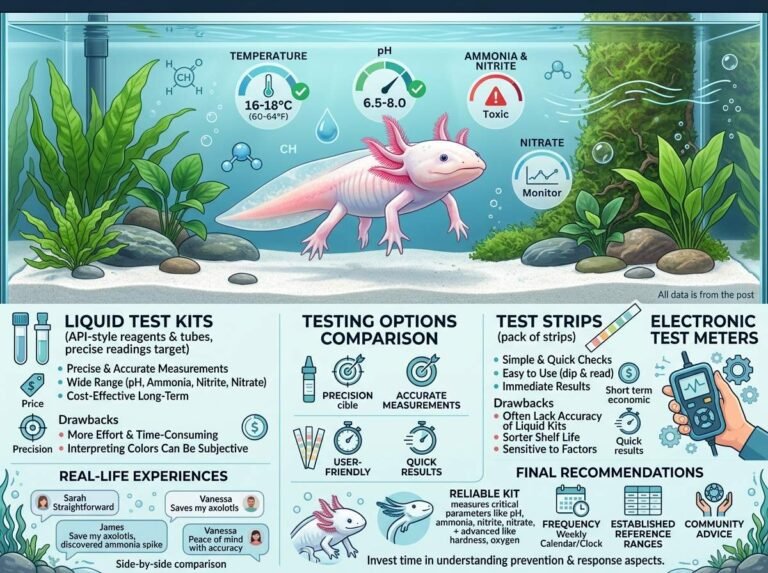
There are specific care needs when introducing invertebrates to an axolotl tank. Both snails and shrimp require stable tank conditions, so regular water quality testing is essential. Additionally, providing hiding spots with plants or decorations can offer shelter for the invertebrates, promoting a harmonious coexistence. By carefully selecting and managing tank mates, aquarists can create a vibrant community that enhances the health and happiness of their axolotls.
Safety Considerations When Adding New Tank Mates
Introducing new tank mates into an axolotl tank can be an exciting endeavor, yet it has to be approached with caution. Ensuring the safety and well-being of your axolotls is paramount, as these unique aquatic creatures can be sensitive to changes in their environment. Before adding any new species, it is crucial to consider several safety measures that will help ensure a harmonious living arrangement.
One of the first steps to take is to observe the behavior and health of your axolotls both before and after introducing new tank mates. Every axolotl has its own personality and tolerance levels, making it vital to monitor for any signs of stress or aggression. Symptoms may include excessive hiding, altered feeding patterns, or unusual swimming behaviors. Such signs can often indicate that your axolotl is not adapting well to the new environment.
Additionally, proper acclimatization of the new species is essential. A gradual introduction minimizes the shock to both the established axolotls and the newcomers. Consider using a drip acclimation method, which involves slowly adding water from the axolotl tank to the new animal’s transport container over a period of time. This allows both species to adjust to each other’s water chemistry more seamlessly.
Monitoring interactions closely after the introduction is equally important. Set aside time to observe how all tank inhabitants behave in the first few days following the introduction. Look for any aggressive tendencies or signs of stress and be prepared to remove any tank mates that disrupt the equilibrium. Remember that not all species are compatible with axolotls, and an individual animal may pose a risk to your axolotl’s health.
In conclusion, ensuring the stress-free integration of new tank mates requires vigilant observation and adherence to acclimatization practices. Maintaining a close watch on tank dynamics will help you provide a safer, more compatible environment for your axolotls and their new companions.
Monitoring Compatibility: Signs of Stress or Conflict
Recognizing signs of stress in axolotls and their tank mates is crucial for maintaining a healthy aquarium environment. Stress can lead to various health issues and significantly affect the well-being of all inhabitants. There are several behaviors and physical indicators that aquarists should monitor closely.
One of the primary signs of stress in axolotls is a change in activity levels. A normally active axolotl may become lethargic, spending excessive time at the bottom of the tank or hiding. Additionally, if an axolotl frequently surfaces for air or exhibits rapid gill movement, these can be indicators of discomfort or stress. Their gills, which are a brilliant feature of these creatures, may also appear to fade or turn pale due to elevated stress levels.
Another significant behavioral change to note is aggression or territorial display. If the axolotl starts to show signs of aggression towards its tank mates, such as biting or chasing behaviors, it may indicate that the current environment is too confined or that the tank mates are not suitable companions. On the other hand, tank mates can also display signs of stress when living with axolotls. For example, fish or other species may become overly skittish, hiding frequently or showing erratic swimming patterns. Healthy fish should exhibit steady and consistent movement, not darting around the tank constantly or hiding excessively.
Moreover, physical changes can signal stress. For axolotls, look for any signs of injury or unusual coloration in the skin or gills. If their coloration becomes dull or if they develop lesions, it is crucial to evaluate their tank mates and the overall tank conditions. Incompatibility among tank mates can escalate quickly, leading to an unhealthy environment for all.
By closely observing these behaviors and physical signs, aquarists can take proactive steps to ensure compatibility among tank mates, thereby fostering a peaceful and thriving aquatic community.
FAQs About Axolotl Tank Mates
When considering axolotl tank mates, many owners find themselves with numerous questions. Below are some of the most frequently asked questions regarding axolotl compatibility with other species, addressing concerns and clarifying misconceptions.
Can axolotls live with fish? Generally, axolotls should not be housed with fish. Their natural hunting instincts could pose a risk to smaller fish, leading to potential aggression. Additionally, fish can nip at axolotls’ gills and limbs, which can cause injury. Larger fish might seem like a viable option, but all combinations carry a risk of stress and harm.
What are the best tank mates for axolotls? The best companions for axolotls often include other axolotls, as they generally coexist well together. If adding tank mates, consider species that have similar environmental and dietary needs. However, it is crucial to monitor their interactions initially. Substrate-dwelling species, such as certain types of snails, can also make for suitable companions due to their low activity levels and compatibility.
Can amphibians be housed with axolotls? While some amphibians might appear compatible, it is typically unwise to house them with axolotls. Different species can have varying needs regarding water chemistry and temperature, which can lead to stress or health complications. Furthermore, the axolotl’s tendency to eat smaller amphibians could lead to their demise.
Are there any specific invertebrates that can coexist with axolotls? Yes, certain invertebrates can be suitable tank mates for axolotls. For instance, ghost shrimp and certain snail species are often recommended due to their ability to thrive in similar tank conditions without posing a threat. However, as with all tank mates, owners should monitor for aggression and stress in the axolotls.
In conclusion, while the quest for suitable axolotl tank mates may be challenging, understanding the species’ needs and behaviors will aid owners in creating a harmonious environment. The key is to approach any tank mate combination with caution and mindfulness.
Final Thoughts on Selecting Axolotl Tank Mates
Choosing suitable tank mates for axolotls requires careful consideration of several factors to ensure the well-being of all aquatic inhabitants. As highlighted throughout this guide, axolotls possess unique behavioral and physiological traits that can significantly impact their compatibility with other species. Therefore, understanding these characteristics is paramount when selecting tank companions.
First and foremost, prospective axolotl owners must emphasize the importance of size differences. Ensuring that potential tank mates are of comparable size to axolotls can prevent predation and stress. Smaller fish or other aquatic animals may become targets for axolotls, leading to potential health issues or even fatal outcomes. Hence, choosing similar-sized species or larger ones is often more advantageous.
Additionally, water parameters such as temperature, pH, and tank conditions must align to create a suitable environment for all organisms in the tank. Axolotls thrive in cool waters, typically between 60°F to 68°F (15°C to 20°C), so any tank mates selected must also be tolerant of these temperatures for optimal health.
Moreover, temperamental traits play a crucial role. Species with aggressive behaviors may disrupt the tranquility of an axolotl’s habitat, causing undue stress. It is crucial to select peaceful tank mates that will coexist harmoniously and not aggressively compete for food or territory.
In conclusion, the process of selecting appropriate tank mates for axolotls involves extensive research and a thorough understanding of compatibility considerations. By taking into account size differences, water parameters, and behavioral traits, owners can create a balanced and thriving aquatic environment. This careful approach promotes the health and happiness of both axolotls and their tank companions, ensuring a harmonious living situation that can last for years.