Discover the essential guide to understanding axolotl tank requirements and proper filtration systems critical for their well-being. Axolotls are unique aquatic salamanders that need specific environmental conditions to thrive, including optimal water quality, temperature regulation, and suitable tank size.
Learn about the importance of filtration systems like sponge and canister filters to maintain a healthy habitat. This blog posts highlights the benefits and drawbacks of each filter type, flow rate considerations, and maintenance tips. Whether you are a novice or an experienced aquarist, making informed choices about your axolotl’s environment ensures their health and happiness.
Understanding Axolotl Tank Requirements
Axolotls, unique aquatic salamanders known for their regenerative abilities, require specific environmental conditions to thrive in captivity. Understanding their habitat needs is crucial for maintaining a healthy and sustainable tank environment.
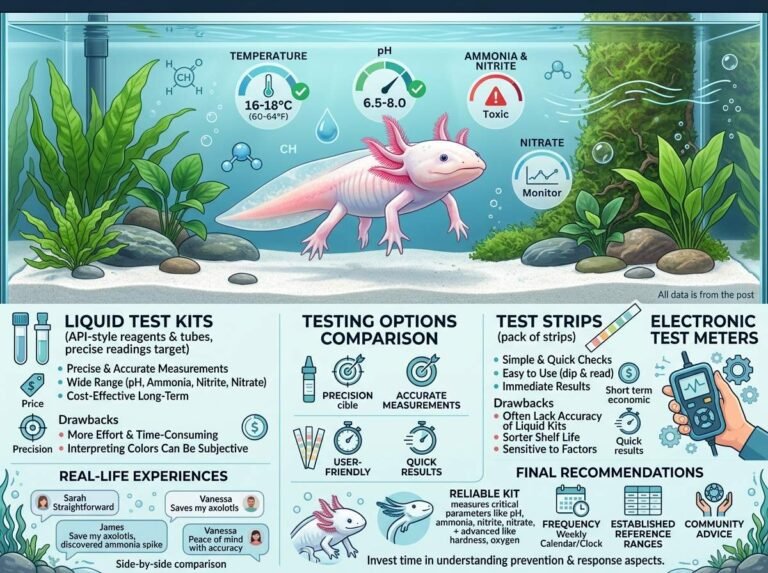
One of the primary factors influencing axolotl health is water quality. Axolotls are sensitive to ammonia and nitrites, which can be lethal even in low concentrations. To ensure optimal water conditions, regular water testing and a robust filtration system are essential. The recommended water hardness for a healthy axolotl tank falls between 7 to 14 dGH, while pH levels should ideally range from 6.5 to 7.5. Maintaining these parameters not only prevents harmful outbreaks but also promotes a stable environment for the axolotl.
Temperature is another critical element in the tank setup. Axolotls thrive in cooler waters, with an optimal temperature range of 16 to 18 degrees Celsius (60 to 64 degrees Fahrenheit). Temperatures above 20 degrees Celsius (68 degrees Fahrenheit) can lead to stress and health complications. This calls for efficient cooling solutions and a reliable filtration system that does not generate excess heat. Additionally, the tank size plays an integral part in the well-being of axolotls. A minimum of 75 gallons is recommended for a single adult axolotl, ensuring ample space for swimming and exploring without feeling cramped.
Proper filtration is vital for maintaining both water quality and temperature stability. A sponge filter, for instance, offers gentle filtration and provides beneficial bacteria colonies. Conversely, canister filters can provide powerful filtration, effectively handling waste while maintaining desired water conditions. Choosing the correct filtration method is essential in establishing a thriving habitat for axolotls.
The Importance of Filtration in Axolotl Care
Filtration plays a critical role in maintaining a healthy environment for axolotls in their tanks. These fascinating creatures are sensitive to water quality, and effective filtration systems are essential to ensure their well-being. Filters help remove waste products, uneaten food, and other organic debris that can accumulate in the tank, ultimately affecting water quality.
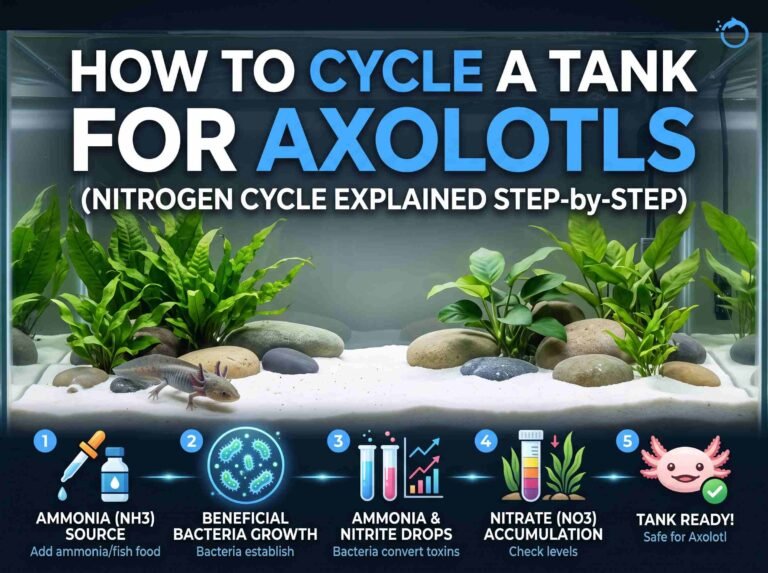
One of the primary functions of a filter in an axolotl tank is the removal of ammonia, a toxic compound produced by the breakdown of organic matter. Elevated ammonia levels can lead to serious health issues for axolotls, including stress and ammonia poisoning. A reliable filtration system helps to break down ammonia into less harmful substances through biological filtration, where beneficial bacteria convert it into nitrites and then into nitrates. Nitrates, while still harmful at high levels, are much less toxic than ammonia, thus enhancing the overall water quality in the tank.
Additionally, axolotls have specific needs that must be considered when selecting a filtration system. They are known for their delicate gills, which can be affected by strong currents commonly produced by certain filters. Therefore, choosing a filter that provides adequate but gentle water movement is crucial. Sponge filters and canister filters are popular choices among axolotl keepers, each offering unique benefits that cater to various aspects of filtration. For instance, sponge filters not only aerate the water but also provide a medium for beneficial bacteria to thrive, while canister filters can offer superior mechanical and chemical filtration power.
In light of these considerations, understanding the importance of filtration in an axolotl tank is invaluable. Proper filtration contributes significantly to the health and longevity of these unique amphibians. Selecting the right type of filter can significantly enhance their habitat, ensuring that water conditions remain optimal for their development and overall well-being.
Overview of Filter Types Available
When setting up an axolotl tank, selecting the appropriate filter is essential for maintaining a healthy aquatic environment. Among the various types of filters available, sponge and canister filters are two popular choices that cater to different needs and preferences of aquarium enthusiasts.
Sponge filters are renowned for their simplicity and effectiveness, especially in smaller tanks or for breeding setups. They consist of a sponge that serves as both a mechanical and biological filter. Water is drawn through the sponge by an air pump, which also aids in aerating the water. The sponge provides a large surface area for beneficial bacteria to colonize, ensuring that harmful toxins like ammonia and nitrite are broken down efficiently. Additionally, sponge filters are generally quieter and less visually intrusive, making them an ideal choice for tanks with sensitive species such as axolotls.
On the other hand, canister filters are more complex and are designed for larger or more heavily stocked aquariums. These filters utilize a more robust filtration system, often comprising multiple stages that include mechanical, chemical, and biological filtration. Water is drawn into the canister filter, where it passes through various media types that target different contaminants. This multi-layered approach ensures superior water clarity and quality. However, canister filters usually require more maintenance, such as regular cleaning and media replacement, and they may occupy more space than sponge filters.
Both filter types possess unique attributes that cater to specific aquarium needs. While sponge filters excel in providing gentle filtration and ease of use, canister filters deliver comprehensive filtration capabilities for larger setups. Ultimately, the choice between sponge and canister filters should align with the individual requirements of the aquarium environment and the inhabitants within.
Sponge Filters: Benefits and Drawbacks
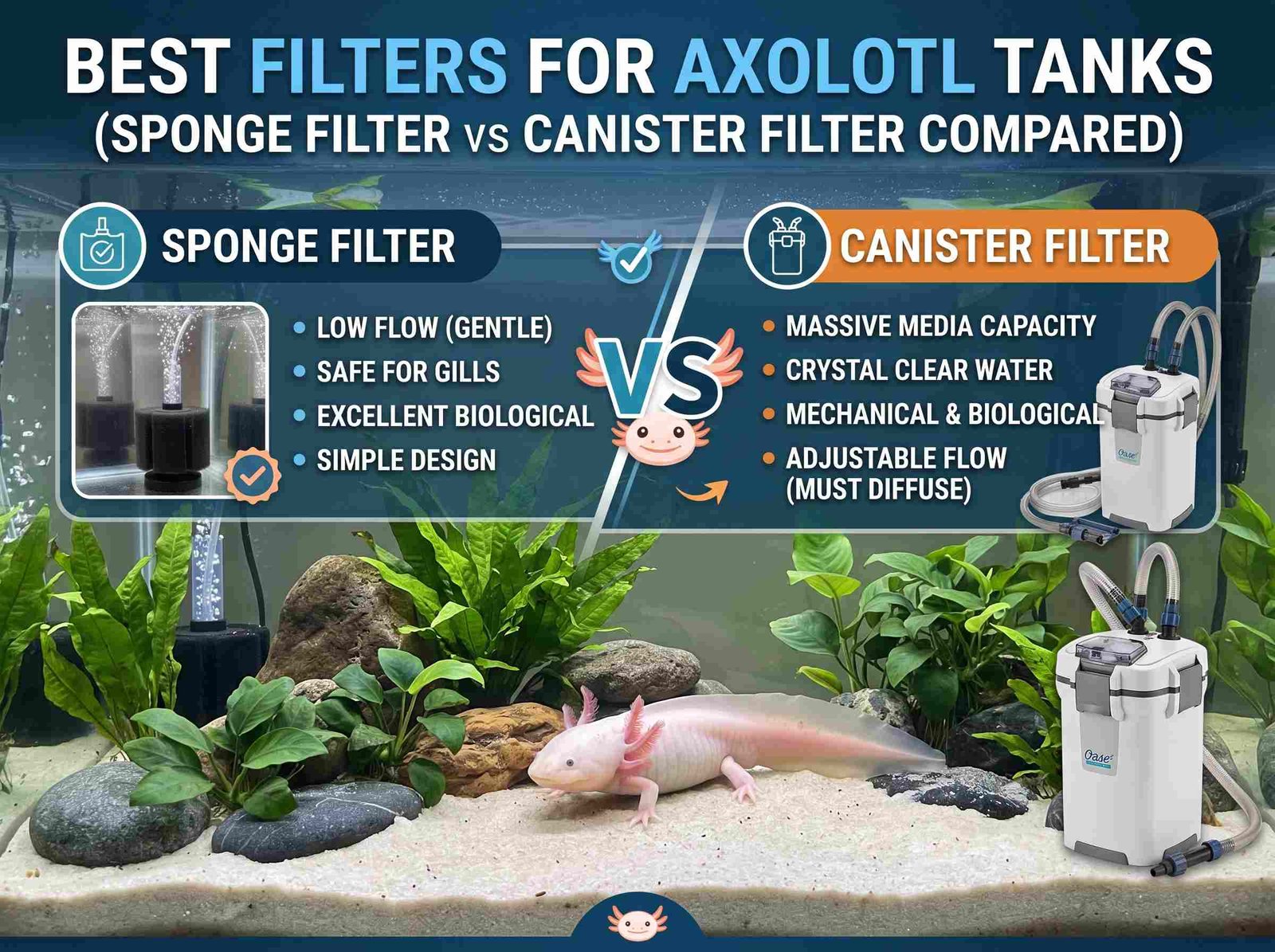
Sponge filters are often considered a suitable option for axolotl tanks, primarily due to their gentle filtration capabilities. This characteristic makes them particularly beneficial for sensitive aquatic creatures like axolotls, who thrive in stable environments with minimal water disturbances. Unlike other filtration systems, sponge filters allow for the establishment of a beneficial bacterial colony on the sponge material, which aids in converting harmful ammonia and nitrites into less harmful substances. This biological filtration system is essential for maintaining water quality, ultimately leading to a healthier living environment for axolotls.
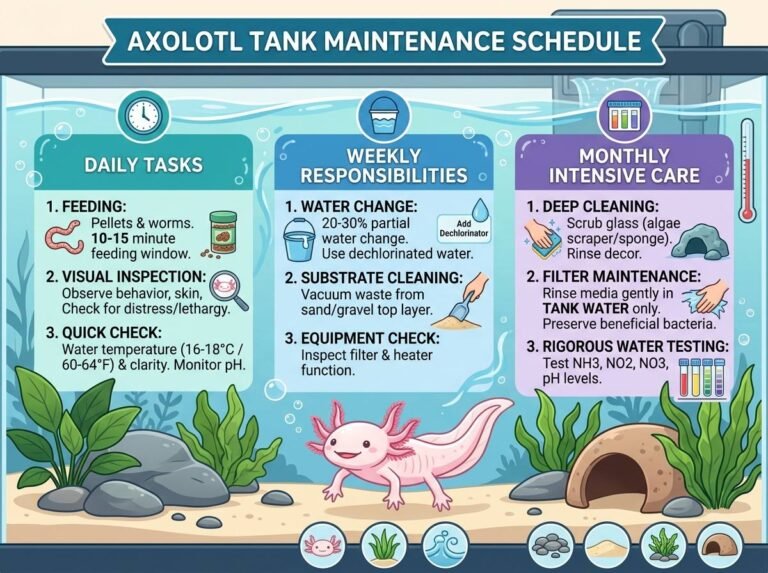
One of the key advantages of sponge filters is their ease of maintenance. They are relatively simple to clean; users can simply rinse out the sponge in tank water during water changes to preserve the beneficial bacteria. This quick and straightforward maintenance routine ensures that the filter remains effective without much hassle. Additionally, sponge filters are often more affordable than canister filters, making them a popular choice for both novice and experienced aquarists.
However, there are some drawbacks to using sponge filters in axolotl tanks. One notable limitation is their lower filtration efficiency compared to more complex systems, particularly in larger tanks. While sponge filters can handle small to medium-sized tanks effectively, they may struggle to provide adequate filtration in larger volumes of water, potentially compromising water quality. Consequently, aquarists with larger setups might need to consider supplementing sponge filters with additional filtration methods to ensure optimal water conditions for their axolotls.
In summary, sponge filters are a practical choice for many axolotl tanks, offering gentle filtration and ease of maintenance. Nonetheless, their efficiency may wane in larger tanks, making it crucial for users to evaluate their specific needs before selecting the right filtration solution.
Canister Filters: Benefits and Drawbacks
Canister filters are a popular choice among aquarists, particularly for those maintaining an axolotl tank. They offer significant filtration power, which is essential for ensuring high water quality in larger aquariums. One of the primary benefits of canister filters is their ability to accommodate multiple types of filter media, including mechanical, chemical, and biological filtration. This versatility allows for more efficient filtering, as each type of media serves a specific purpose, thus providing a comprehensive filtration solution.
Another advantage of canister filters is their size. Typically placed outside the aquarium, they have a larger capacity than traditional filters. This increased volume means they can hold more media and offer better overall filtration performance. Additionally, their external location frees up valuable space inside the tank, which is particularly advantageous when keeping delicate species like axolotls, who require ample swimming area and hiding spots.
However, potential users should also consider some drawbacks associated with canister filters. One concern is the water flow rate. While many canister filters come with adjustable flow settings, axolotls thrive in calm water conditions. Therefore, it’s crucial to select a model that can operate at a low flow rate or to include additional features, such as a spray bar, to diffuse the water movement effectively.
Maintenance is another aspect that warrants consideration. Canister filters generally require more thorough cleaning and maintenance compared to sponge filters. Owners must regularly check and clean the filter media and tubing to avoid blockages and maintain optimal performance. This can be a time-consuming process, especially for those who prefer minimal maintenance in their aquarium setup.
In summary, canister filters present an effective filtration solution for axolotl tanks, offering extensive filtration capability and flexibility. However, it is essential to address concerns regarding water flow and maintenance to ensure a healthy environment for these unique amphibians.
Flow Rate Considerations for Axolotls
When selecting a filter for an axolotl tank, one of the most critical factors to consider is flow rate. Axolotls are sensitive creatures that thrive in calm waters, thus a strong current can be detrimental to their well-being. Their natural habitats typically consist of slow-moving streams or still waters, making them ill-suited for environments with high water movement. As a result, it’s vital to choose a filter that offers adequate filtration without creating undue stress through excessive flow.
When shopping for a filter, potential owners should check the specifications for flow rate, measured in gallons per hour (GPH). Ideally, the flow rate should not exceed the tank’s total volume by more than 2-3 times per hour for axolotls. For example, if you have a 20-gallon tank, a filter with a flow rate of approximately 40-60 GPH is recommended. This will ensure that the water remains clean and oxygenated without creating turbulence that could disturb the axolotls.
Additionally, there are several strategies to manage the flow within the tank effectively. Using a filter with adjustable flow settings enables owners to tailor the current to the tank’s specific needs. Another effective method involves positioning the filter outlet at a location that minimizes direct water movement towards the axolotls. Adding decorations, plants, or other structures can also help break up the current and provide hiding spots for these creatures, making them feel more secure.
For some aquarium setups, sponge filters prove to be an excellent option due to their gentler water expulsion, which is less likely to upset axolotls. In contrast, canister filters can be configured to decrease flow and can be equipped with directional spray bars to manage the dynamics in the tank effectively. Regardless of the type of filter chosen, observing the axolotls’ behavior will provide insights into whether the current is appropriate or needs adjustment.
Comparing Maintenance and Upkeep for Each Filter Type
When establishing an ideal habitat for axolotls, understanding the maintenance and upkeep required for their filtration system is crucial. Both sponge and canister filters have distinct maintenance needs that can significantly affect the health of your aquatic pets.
Sponge filters operate through a simple mechanism where the sponge material serves as both a mechanical and biological filter. Maintenance of sponge filters is generally straightforward. It primarily involves rinsing the sponge in aquarium water every few weeks to remove accumulated debris and preventing clogging. This method ensures that beneficial bacteria are preserved, maintaining the biological filtration essential for the axolotl’s health. Regular checks should be conducted to ensure that the filter is producing adequate water flow, and if flow becomes impaired, it may indicate that the sponge is due for cleaning.
Canister filters, in contrast, involve more complex maintenance practices. These filters are effective and can handle larger volumes of water, making them suitable for bigger aquariums. Routine maintenance involves checking and replacing filter media, which can vary based on the type utilized—mechanical, chemical, or biological. Users should inspect the filter’s components monthly and perform a thorough cleaning every six months or as needed, using aquarium water to preserve beneficial bacteria. It is vital to avoid tap water, as its chemicals can be detrimental to the filter’s ecosystem.
For both filter types, ensuring that they are kept clean is essential for the wellbeing of axolotls. However, users must balance this cleaning with the necessity of preserving beneficial bacteria that contribute to the tank’s biological filtration. Additionally, monitoring the water parameters regularly is recommended, as this can provide insight into the efficiency of your filtration system and whether adjustments are needed.
Recommendations Based on Tank Size and Setup
When selecting the appropriate filter for your axolotl tank, several factors come into play, including tank size, the specific setup of the tank, and any additional requirements such as aeration. Understanding these elements can help ensure that you create a healthy environment for your axolotl.
For tanks that are 10 gallons or smaller, a sponge filter is often recommended. These filters are ideal for small setups since they provide gentle filtration and aeration without creating strong currents, which can stress axolotls. Additionally, sponge filters are excellent for biological filtration, promoting the growth of beneficial bacteria that help maintain water quality.
In contrast, if you have a larger tank, such as those exceeding 20 gallons, a canister filter may be more appropriate. Canister filters offer a more powerful method of filtration and can handle larger volumes of water, which is essential for maintaining optimal water conditions. They often come with multiple media options, allowing both mechanical and biological filtration, which can be particularly beneficial in busy tanks or setups with multiple aquatic inhabitants.
Furthermore, consider whether your tank setup includes plants or other decor. Deep substrates or decorative elements may require more robust filtration to ensure that debris does not accumulate. In such cases, a canister filter would be advantageous due to its versatility and capability to handle complex setups efficiently.
Another important aspect to consider is aeration. Axolotls require well-oxygenated water, and while sponge filters do provide some level of aeration, larger tanks with canister filters might require additional aeration systems to ensure that oxygen levels remain adequate. There are various options, from air stones to surface agitation, which can help maintain the necessary oxygen levels in the tank.
Ultimately, the choice between a sponge filter and a canister filter should be based on your tank’s specific needs, the size of your axolotl tank, and your overall setup. Taking the time to assess these factors will guide you in making an informed decision that promotes the health and well-being of your axolotl.
Conclusion: Making an Informed Choice
In concluding this discussion on choosing the right filter for your axolotl tank, it is essential to recognize the unique needs of these aquatic creatures. Both sponge and canister filters offer distinct advantages and can significantly influence the health and well-being of your axolotls. As we explored, sponge filters provide a gentle flow, which is ideal for axolotls, especially for younger or more delicate individuals. Their added benefit of biological filtration helps maintain water quality, making them a popular choice among aquarists.
On the other hand, canister filters are capable of offering superior mechanical and chemical filtration. They can handle larger tanks and can be more easily customized to fit various filtration needs. However, the increased flow rate from these filters may pose challenges in a setup designed for axolotls, particularly for a species sensitive to strong currents. An understanding of each filter type’s functionalities enables aquarists to tailor their aquarium environment to support the health of their axolotls.
As you embark on the journey to select the most suitable filter for your tank, consider factors such as the size of your aquarium, the number of axolotls, and the specific needs of these fascinating amphibians. It is crucial to weigh the benefits and limitations of both filter systems, adjusting your selection based on the specific conditions of your tank. Engaging with the axolotl community can provide additional insights and experiences that may be beneficial.
Ultimately, the right filter can substantially enhance the quality of life for your axolotls. By investing time in research and consideration of the various filtering options available, you can ensure that your axolotl tank remains a wholesome and thriving environment. The health and happiness of your beloved axolotls rely on these informed choices.