Axolotls, scientifically known as Ambystoma mexicanum, exhibit a range of behaviors that are indicative of their health and well-being. Recognizing what constitutes normal behavior is essential for any axolotl owner, as it lays the foundation for identifying potential health issues early. Healthy axolotls are typically active, showing a propensity for swimming and exploring their aquatic environment.
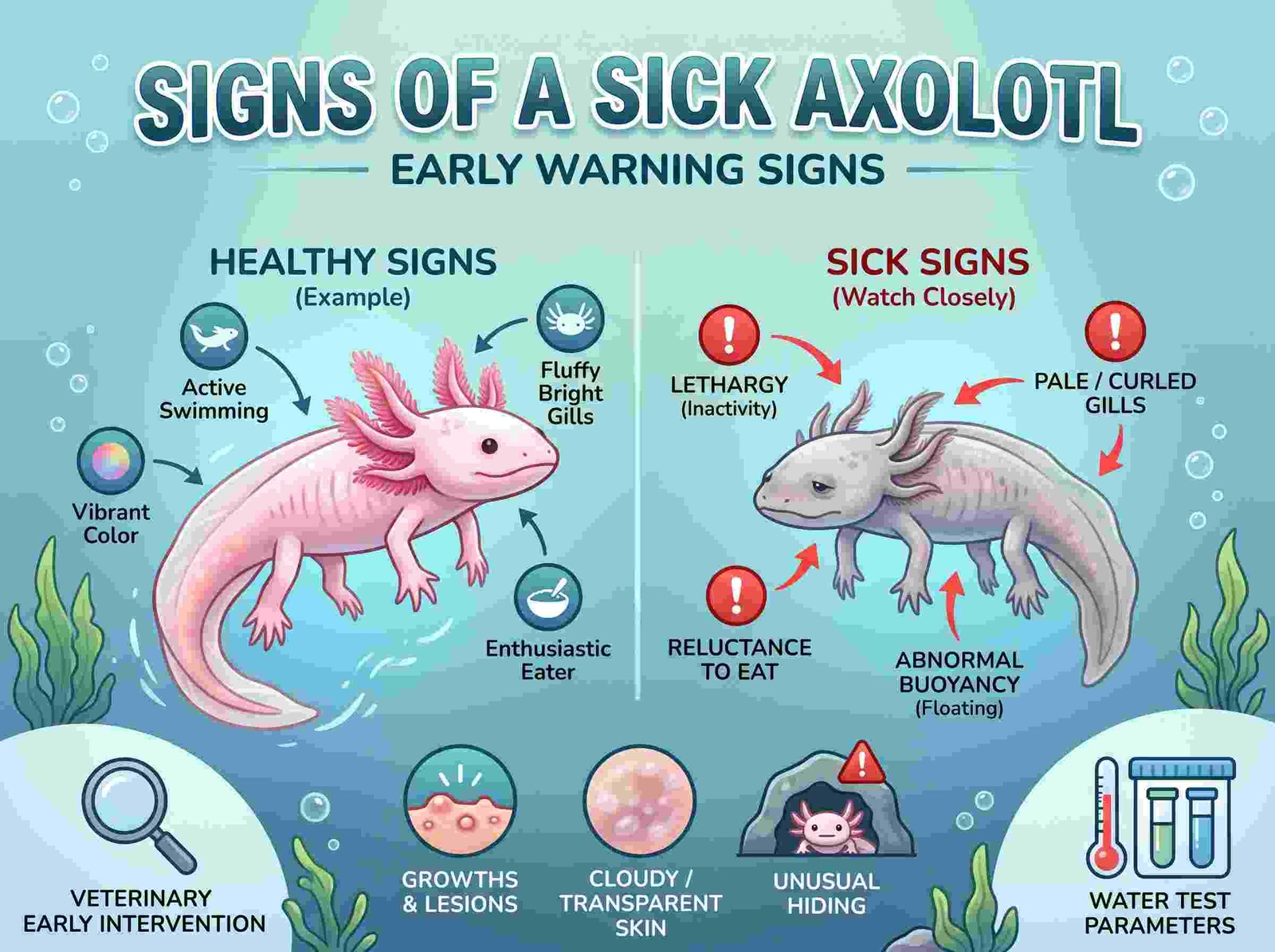
When observing their swimming, healthy axolotls display smooth and coordinated movements. They often glide through the water with a gentle undulating motion, using their external gills to enhance respiration. A healthy axolotl will actively navigate its habitat, whether scavenging for food or interacting with decorations in the tank. An axolotl that is lethargic or spends excessive time at the bottom of the tank may be exhibiting signs of underlying health concerns.
Feeding habits are another critical factor in determining the health of an axolotl. In a normal state, these creatures demonstrate an enthusiastic approach to food. They typically consume a diet of high-quality pellets, worms, or small fish. A healthy axolotl will readily accept food and appear eager during feeding times. Should an axolotl show disinterest in food or display prolonged periods of refusal, it could indicate potential health issues that warrant further investigation.
Overall appearance is a significant element of normal behavior in axolotls. Healthy individuals will have vibrant coloration and their gills should be bright and well-defined. Any change in color, texture of the skin, or abnormal bumps or swelling can signal health problems. Regular observation of these factors—swimming patterns, eating habits, and overall appearance—enables axolotl owners to promptly identify deviations from the norm and take appropriate actions when necessary.
Common Physical Signs of Illness
The health and well-being of axolotls can often be gauged through their physical appearance. As aquatic animals, axolotls display certain traits that can indicate potential health issues. It is, therefore, crucial for owners to be familiar with these signs to ensure early detection and intervention.
One of the most common signs of illness in axolotls is a noticeable change in color. Healthy axolotls typically exhibit vibrant and consistent hues. However, if an axolotl’s color begins to dull or exhibit any unusual pigmentation changes, it could indicate stress or underlying health issues. This alteration in coloration may stem from various factors, including environmental stressors or diseases.
Another significant indicator of illness is the transparency of the skin. An axolotl’s skin should generally be smooth and somewhat translucent, allowing the color of internal organs to faintly appear. If the skin appears excessively transparent, this could point toward a possible infection or disease. Conversely, if the skin becomes opaque or develops a milky appearance, it might suggest the presence of fungal or bacterial infections that require immediate attention.
Abnormal growths or lesions are also critical signs of illness in axolotls. These can manifest as bumps, sores, or unexpected growths on the body or limbs. Such abnormalities can arise from conditions like tumors, cysts, or infections, which could severely affect the axolotl’s overall health. Regular inspections of an axolotl’s body are essential for spotting these potentially harmful changes early.
In summary, recognizing the physical signs of illness, including changes in color, skin transparency, and the presence of growths, is vital for axolotl owners. By being vigilant and aware of these signs, it is possible to ensure the health and longevity of these unique aquatic creatures.
Behavioral Changes to Watch For
Axolotls are fascinating creatures known for their unique regenerative abilities and aquatic lifestyle. However, like any pet, they are susceptible to illness, and their behavior can often serve as a critical indicator of potential health issues. Observing changes in an axolotl’s behavior is essential for early diagnosis and intervention.
One of the most common signs of a health problem in axolotls is a noticeable decrease in activity levels. Normally, these amphibians are quite curious and will explore their environment frequently. If you observe that your axolotl is spending a significant amount of time perched in one spot or appears lethargic, this can be a warning sign. A change from an active to a more sedentary lifestyle may indicate stress, environmental issues, or underlying health problems.
Another critical behavioral indicator is the reluctance to eat. Axolotls are typically enthusiastic feeders, and any signs of diminished appetite should raise concern. If your axolotl is ignoring food, even its favorite treats, this change could suggest that something is amiss. Factors such as water quality, temperature fluctuations, or illness can lead to a lack of interest in feeding.
Unusual hiding behavior can also be a significant red flag. Axolotls may find solace in hiding during periods of stress, but if your pet is suddenly spending excessive time in hiding or showing signs of distress when trying to emerge, it may be indicative of health problems. This behavior change should not be ignored, as it often reflects an axolotl’s discomfort with its surroundings, which could stem from both physical and environmental health issues.
By staying vigilant to these behavioral changes—decreased activity, reluctance to eat, and unusual hiding—you can better monitor your axolotl’s health. Promptly addressing any concerns can lead to a healthier, happier axolotl and potentially avert more serious medical issues in the future.
Symptoms of Common Axolotl Diseases
Axolotls are fascinating creatures, but they can be susceptible to various diseases that may affect their health and well-being. Understanding the symptoms of common axolotl diseases is essential for any owner to ensure timely intervention and care. Among the most prevalent conditions are gill disease, fungal infections, and bacterial infections.
Gill disease, often caused by poor water quality or low oxygen levels, can manifest through several noticeable symptoms. Axolotls suffering from gill disease may exhibit excessive gill movement or breathing difficulties, which include gasping near the surface of the water. The gills may also appear discolored or show evidence of inflammation. Detecting these signs early allows for corrective measures, such as improving water filtration and testing parameters.
Fungal infections, another common ailment, typically arise from environmental stress or injury. Symptoms may include white cotton-like growths on the skin or gills, which can indicate a more severe underlying problem. Infected axolotls may also show reluctance to move, lethargy, and loss of appetite. It is crucial to take action promptly; antifungal treatments and maintaining clean water parameters are vital steps in addressing these infections.
Furthermore, bacterial infections can present a range of symptoms, including swelling, redness, and open sores. Axolotls may also display erratic swimming behavior or excessive scratching against tank objects. These symptoms highlight the need for immediate veterinary consultation and treatment. Maintaining high standards of water quality and promptly addressing any injuries can significantly reduce the risk of bacterial infections.
Recognizing these symptoms is vital for axolotl care. Owners must observe their pets regularly and be vigilant for any signs of illness. Early detection and proper management can lead to improved health and longevity for axolotls.
Understanding Stress Factors in Axolotls
Axolotls, known for their unique regenerative abilities and aquatic characteristics, require specific environmental conditions to thrive. Stress factors in axolotls can significantly impact their health, making it essential for caretakers to recognize and mitigate these elements. One of the primary stressors is the quality of water in which they reside. Axolotls are sensitive to changes in temperature, pH levels, and ammonia concentrations. Fluctuations in these parameters can lead to stress, which, over time, may result in illness. Therefore, it is critical to maintain stable water conditions by regularly testing and adjusting the tank environment.
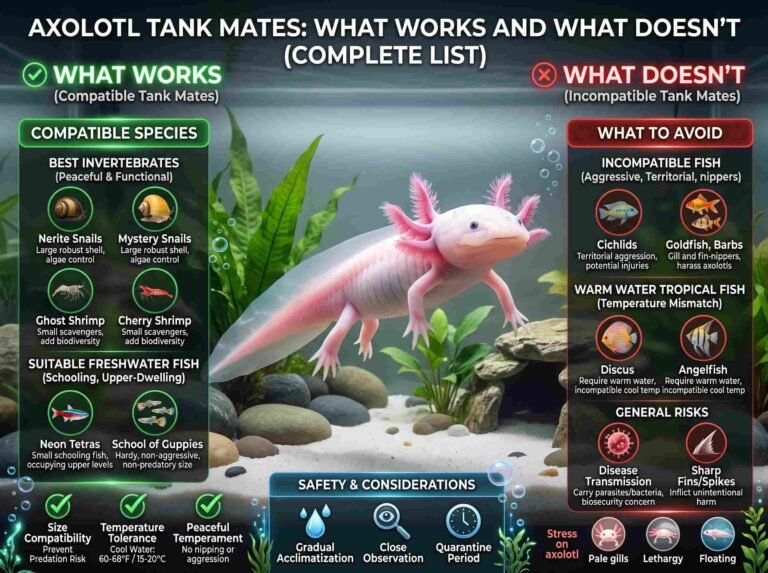
Another important aspect to consider is the presence of tank mates. While axolotls can sometimes coexist with other aquatic species, not all are compatible. Aggressive or overly boisterous tank mates can cause stress, leading to a decline in the axolotl’s physical and mental well-being. In contrast, housing axolotls with calm, non-aggressive species can help reduce stress levels. Ensuring a conducive environment that minimizes confrontations is vital for their health.
Additionally, handling stress is another significant factor affecting axolotl health. These creatures are not accustomed to being handled frequently; thus, excessive handling can lead to distress. When necessary, it is important to handle them gently and for minimal durations to prevent undue stress. Caretakers may also want to consider using gentle acclimatization methods if moving axolotls between tanks. Understanding these stress factors—environmental conditions, tank mates, and handling practices—can aid in promoting a healthier and more stable habitat for axolotls, ultimately reducing the risk of potential illness.
Water Quality and Its Impact on Health
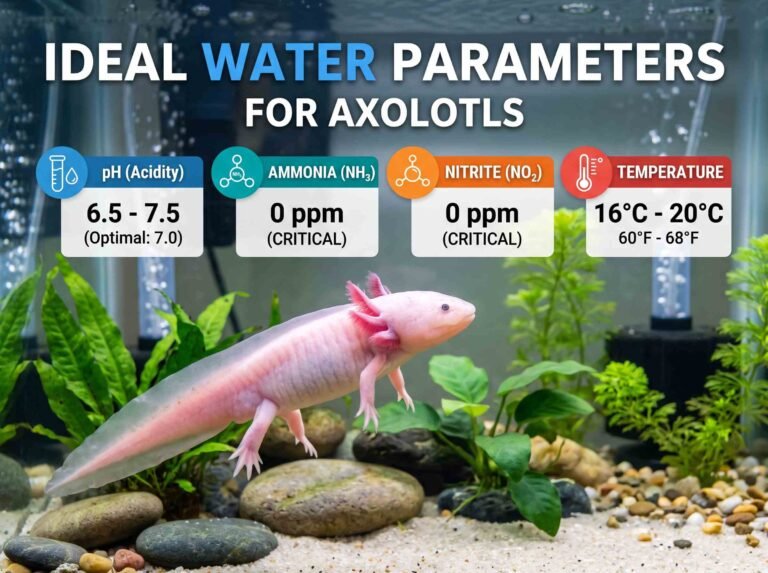
Maintaining the optimal water quality is essential for the health and well-being of axolotls. These amphibians are particularly sensitive to their aquatic environment, and any deviation from ideal parameters can lead to health complications. Key factors to monitor include temperature, pH level, ammonia, nitrites, and nitrates.
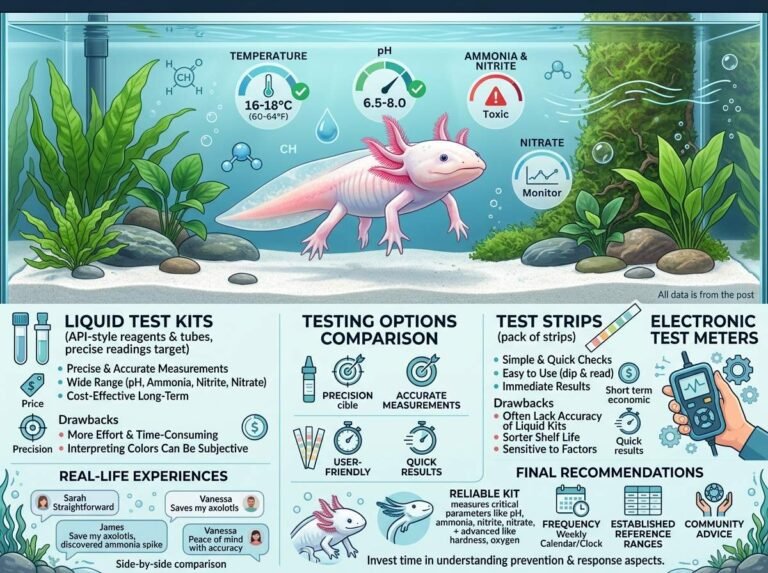
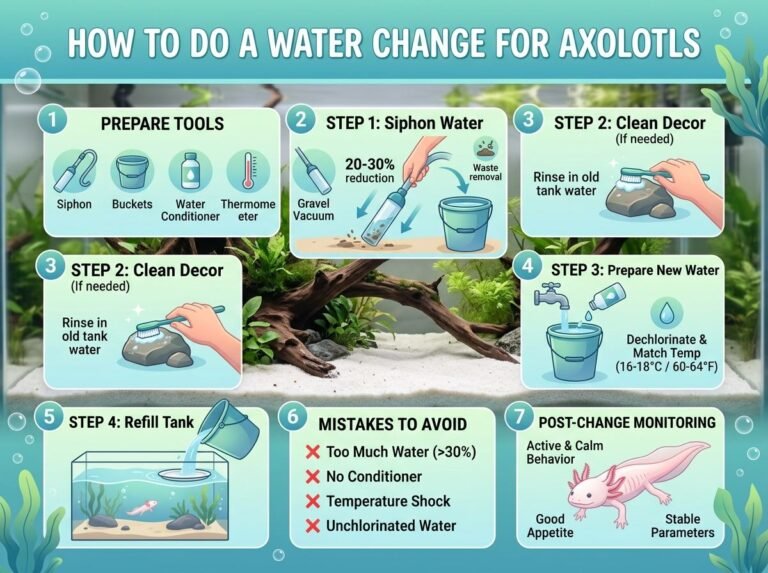
The ideal temperature for axolotls typically ranges from 16 to 18 degrees Celsius (60 to 64 degrees Fahrenheit). Higher temperatures can stress these creatures and make them more susceptible to diseases. It is crucial to use a reliable aquarium thermometer and ensure that the water remains within this appropriate range to prevent stress and illness.
pH level is another critical parameter, with a suitable range being between 6.5 and 8.0. pH fluctuations can harm axolotls, as they are used to stable conditions in their natural habitat. Regular testing with a pH kit will help maintain a safe environment.
Ammonia, nitrites, and nitrates are indicators of water quality that often arise from waste products. Ammonia levels should remain at 0 ppm (parts per million) and nitrites should also be kept at 0 ppm to avoid toxicity. Nitrate levels should ideally be less than 40 ppm but can be tolerated up to 80 ppm if water changes are performed regularly. Neglecting these parameters can cause serious health issues, such as gill burns or infections.
To effectively monitor water quality, regular testing is advised. Using water test kits that evaluate these parameters will provide a good overview of the aquatic environment. Additionally, frequent water changes and maintaining a balanced biological filter will help keep harmful substances at bay, ultimately supporting the health of the axolotls.
Understanding the impact of water quality on axolotl health is fundamental for any owner. By diligently monitoring and maintaining ideal parameters, one can significantly reduce the risk of illness in these unique amphibians.
Importance of Regular Health Checks
Regular health checks are crucial for the well-being of axolotls. As these unique amphibians are sensitive to changes in their environment, monitoring their health can help in identifying early signs of illness. Conducting routine examinations not only ensures that your axolotl is thriving but also allows for prompt intervention should any health issues arise. It is important to establish a health check routine that suits the individual needs of your axolotl.
During these health assessments, several critical aspects should be evaluated. Firstly, observe the physical appearance of the axolotl. Look for any changes in color, presence of lesions, or unusual growths that could indicate illness. Additionally, the condition of the gills should be closely monitored; healthy gills are bright and fluffy, whereas pale or shriveled gills may point to potential health concerns.
Behavior is another essential factor to assess during health checks. An active and responsive axolotl is typically a sign of good health. Conversely, lethargy, floating, or spending excessive time at the bottom of the tank can signal distress or the onset of illness. Abnormal feeding behaviors, such as a lack of interest in food or changes in eating habits, should be addressed as they can also indicate underlying health problems.
Water quality should not be overlooked when performing health checks. High levels of ammonia, nitrites, or nitrates can lead to health issues in axolotls. It is advisable to conduct routine water tests to ensure that the parameters are within acceptable ranges, which supports the overall health of your axolotl.
In conclusion, the significance of regular health checks for your axolotl cannot be overstated. By diligently monitoring their physical appearance, behavior, and water quality, you can help ensure that your axolotl remains healthy and happy.
When to Seek Veterinary Help
As responsible axolotl owners, it is essential to remain vigilant about the health of these unique amphibians. Early intervention can make a significant difference in overcoming potential health challenges. Therefore, recognizing the right time to consult a veterinarian is critical for maintaining the well-being of your axolotl.
There are several red flags that indicate when your axolotl may need veterinary assistance. If you observe any sudden changes in behavior, such as decreased activity, refusal to eat, or abnormal swimming patterns, it is crucial to monitor these changes closely. These behavioral signs may suggest underlying health issues that cannot be ignored.
Physical symptoms are another important aspect to consider. Look for any unusual changes in appearance, including swelling, discoloration of the skin, or lesions. Additionally, watch for any signs of respiratory distress, such as gasping for air at the water surface. If your axolotl exhibits these physical symptoms, it is advisable to seek professional help as soon as possible.
Moreover, changes in fecal matter can be indicative of health problems. Abnormalities such as lack of bowel movements, hard or unusual droppings, or visible parasites in the feces warrant immediate veterinary consultation. These symptoms highlight potential digestive issues that could pose serious risks to your axolotl’s health.
Lastly, if you suspect your axolotl has been exposed to potential toxins or harmful substances, immediate veterinary intervention is necessary. Prompt action can help mitigate the effects of toxins and save your pet’s life.
In summary, being aware of these critical signs and understanding their significance is paramount for axolotl owners. Regular assessments of your axolotl’s behavior and physical condition, along with timely consultations with a veterinarian, can greatly enhance your pet’s health and longevity.
Tips for Facilitating a Healthy Environment
Creating an optimal habitat for axolotls is essential for their overall health and well-being. A well-maintained environment will not only reduce the likelihood of illness but also promote healthy behavior and growth. Below are several practical tips for setting up and maintaining a thriving habitat for your axolotl.
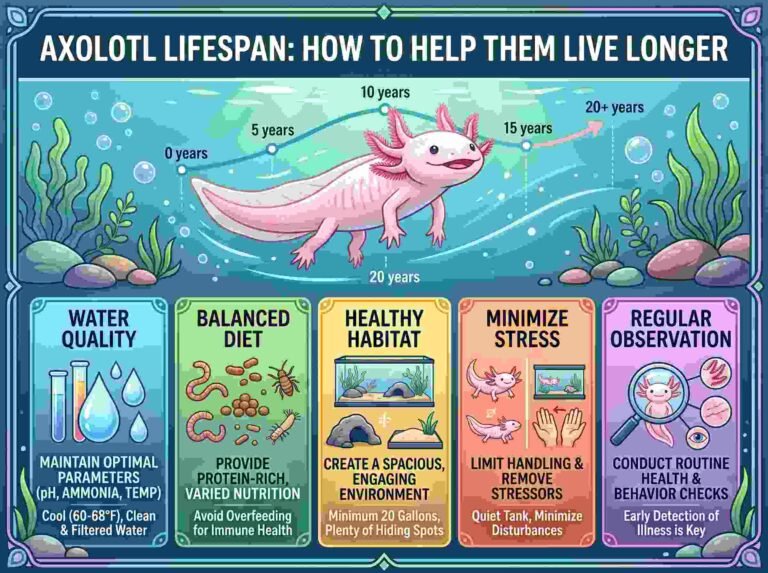
Firstly, the tank size is crucial; a minimum of 20 gallons is recommended for a single axolotl, with larger tanks being preferable for multiple specimens. This provide ample swimming space and accommodates necessary filtration systems. When selecting a substrate, opt for fine sand or a bare-bottom setup to prevent ingestion of particles, which can lead to gastrointestinal issues. Avoid gravel, as it can pose a choking hazard.
Filtration is another significant aspect of the axolotl’s environment. A sponge filter is often favored as it provides adequate filtration without creating strong currents that may stress the axolotl. The filter should be suitable for the size of the tank and must be regularly maintained to ensure optimal water quality. Regular water changes—about 20% once a week—are also vital for keeping ammonia and nitrate levels low, contributing to a cleaner habitat.
Maintaining a stable temperature is equally important. Axolotls thrive in cooler water, ideally between 16 to 18 degrees Celsius (60 to 64 degrees Fahrenheit). Air conditioning or chillers can help regulate tank temperature during warmer months. Always monitor water temperature with a reliable thermometer, as fluctuations can cause stress and render axolotls more susceptible to illness.
Furthermore, it’s essential to create a stress-free habitat. Provide hiding spots using plants, rocks, or driftwood to make them feel secure. Avoid sudden movements and loud noises around the tank, as these may startle the axolotls. By implementing these strategies, owners can significantly enhance their axolotl’s quality of life and help them thrive in a safe and healthy environment.