Understanding water parameters is crucial for the health of axolotls. This comprehensive guide covers the significance of pH levels, ammonia, nitrite, and temperature in maintaining optimal water conditions for these fascinating creatures.
Proper monitoring and management of these elements can prevent stress and enhance the overall well-being of your axolotls. Learn how to create a stable environment that supports their health and vitality, ensuring a thriving habitat. With practical advice on using water testing kits, managing common parameters, and addressing frequently asked questions, this blog post equips both new and experienced axolotl owners with essential knowledge for effective aquatic care.
Introduction to Axolotl Water Parameters
Understanding the significance of water parameters is fundamental for all axolotl owners, whether they are newcomers or more experienced caregivers. Axolotls, as aquatic amphibians, have specific environmental requirements that directly influence their health, behavior, and overall well-being. Water quality is a critical aspect to focus on since these creatures are highly sensitive to even slight changes in their aquatic habitat.
Maintaining optimal water conditions establishes a stable environment where axolotls can thrive. The primary water parameters that require diligent monitoring include pH levels, ammonia, nitrite, and temperature. Each of these elements plays a vital role in the maintenance of a healthy aquarium ecosystem. For example, pH affects the solubility of minerals and the toxicity of certain chemicals, while ammonia and nitrite are by-products of fish metabolism and decomposition processes that can be harmful if allowed to accumulate.
It is essential to monitor and maintain these parameters to prevent stress and health issues in axolotls. High levels of ammonia and nitrite can lead to serious conditions like gill damage and stress responses, potentially resulting in severe implications. Additionally, the temperature of the water correlates directly with the organisms’ metabolic rates, influencing their activity levels and immune responses. Therefore, ensuring your axolotl’s water is within the recommended range is crucial for maintaining optimal health and vitality.
In essence, having a good understanding of these vital parameters is the first step for individuals caring for axolotls. By assessing and adjusting the water conditions as needed, axolotl owners can create a safe and supportive environment conducive to the long-term health of these fascinating creatures. This foundational knowledge sets the stage for more intricate aspects of axolotl care, ensuring that owners can provide the best possible habitat for their aquatic pets.
Understanding pH Levels
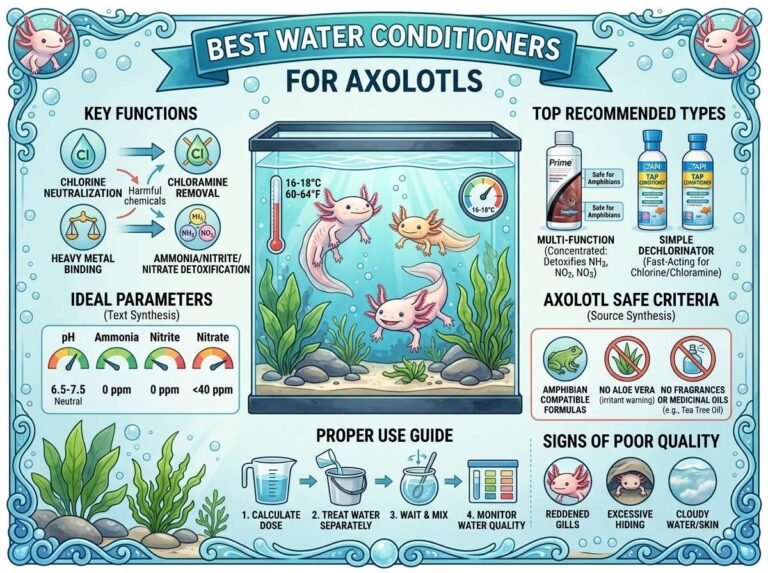
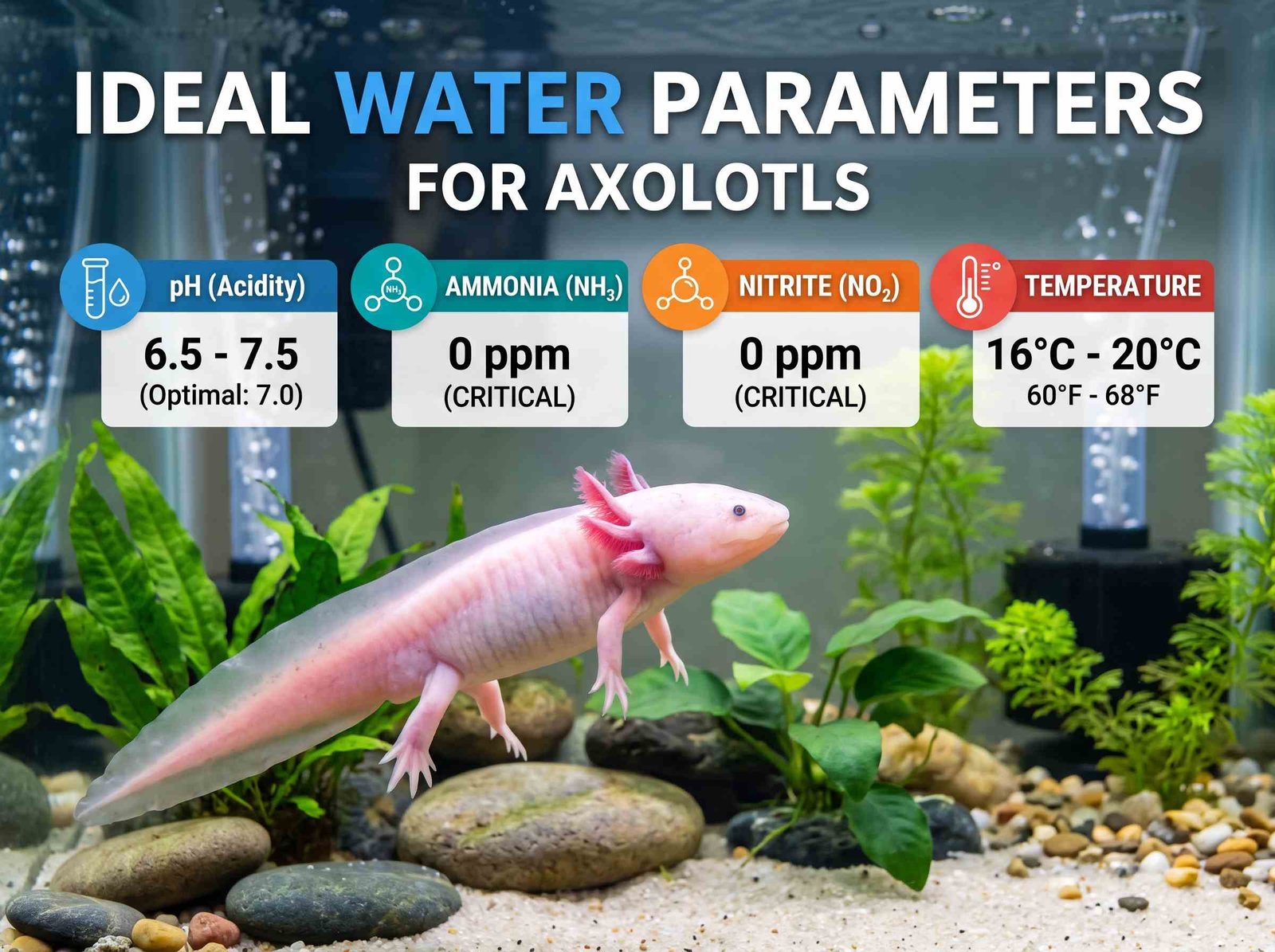
The pH level is a crucial aspect of an aquatic environment, playing a significant role in the health and well-being of axolotls. It measures how acidic or alkaline the water is on a scale of 0 to 14, where a pH of 7 is considered neutral. For axolotls, it is essential to maintain a specific range of pH to ensure optimal conditions for their survival. The ideal pH range for axolotls typically falls between 6.5 and 7.5. Values outside of this range can lead to health complications, affecting their immune systems and overall vitality.
Extreme pH levels can lead to various health issues in axolotls. For instance, if the pH level drops below 6.5, the water becomes more acidic, which can cause harm to their gills and skin, making them more susceptible to infections. Conversely, a pH above 7.5 can indicate increased alkalinity, potentially affecting their metabolic processes and leading to stress. Maintaining the right pH balance is vital to facilitating a stable and healthy environment for these aquatic creatures.
Testing the pH levels regularly is essential, and this can be done using various aquarium test kits readily available in pet stores. These kits typically include test strips or liquid drop tests, which provide a color-coded comparison to determine the water’s pH level. If adjustments are needed, it can be accomplished through the addition of pH buffers or acids, such as vinegar for lowering pH or baking soda for raising it. Care should be taken when making adjustments to avoid sudden changes in pH, which can be stressful for the axolotls. Regular monitoring and gradual adjustments help ensure a stable environment, crucial for their overall health and well-being.
The Role of Ammonia in Aquatic Care
Ammonia is a fundamental yet hazardous component in the aquatic environment of axolotls. It primarily originates from fish waste, uneaten food, and decaying plant matter. Understanding its role is crucial for those involved in axolotl care, as elevated ammonia levels can lead to severe health implications. In a well-maintained aquarium, ammonia should be kept at undetectable levels for the health and vitality of these aquatic creatures.
When ammonia accumulates beyond a safe threshold, it can have detrimental effects on axolotls. High levels of this compound can lead to gill damage, resulting in respiratory distress, lethargy, and increased susceptibility to infections. This toxicity presents a profound risk, especially in younger axolotls that are more sensitive to water parameters. Establishing optimal conditions, therefore, becomes essential for their survival and well-being.
Measuring ammonia levels is a straightforward process achieved through various testing kits available on the market. Regular testing is advisable, especially during the initial cycling of a new aquarium or following any significant changes in the environment. A safe range for ammonia levels is typically between 0 to 0.5 mg/L, with 0 mg/L being the ideal target. Values above 0.5 mg/L indicate a need for immediate action to prevent adverse health outcomes for axolotls.
Managing ammonia spikes can be accomplished through multiple strategies, including adequate filtration, regular water changes, and maintaining a balanced ecosystem with appropriate biological bacteria. Adding live plants can also help in absorbing excess nutrients, thereby reducing ammonia levels naturally. Maintaining a consistent monitoring routine will ensure a stable aquatic environment, fostering a healthy habitat for axolotls.
Nitrite: The Hidden Danger
Nitrite is a compound that can pose significant risks to axolotls if not carefully monitored within their aquatic environment. It is a byproduct of the nitrogen cycle, a natural process that occurs during the breakdown of organic matter and ammonia in the water. When fish waste, uneaten food, and decaying plant matter decompose, they release ammonia, which is subsequently converted into nitrite by beneficial bacteria. Although nitrite is less toxic than ammonia, it is still harmful and can become a hidden threat in an axolotl’s habitat.
High levels of nitrite can lead to nitrite toxicity, which interferes with the oxygen-carrying capacity of an axolotl’s blood. The compound can cause the formation of methemoglobin, a form of hemoglobin that cannot bind oxygen efficiently, leading to symptoms such as breathing difficulties, lethargy, and even death if levels remain elevated for prolonged periods. Therefore, maintaining nitrite levels at a minimum is crucial for the well-being of axolotls.
To keep nitrite levels in check, regular testing is essential. Aquarists should utilize reliable water testing kits to monitor nitrogen levels consistently. It is advisable to keep nitrites below 0.5 mg/L as the safe level for axolotls. If elevated nitrite is detected, immediate action must be taken, such as performing partial water changes to dilute the concentration. Additionally, ensuring a well-cycled tank with adequate beneficial bacteria populations can help in managing nitrite production. Incorporating live plants can also assist in the overall nitrogen cycle, as they absorb nutrients from the water, thereby reducing excess nitrogen compounds.
Through vigilant monitoring and proactive management, axolotl caretakers can create a healthier environment, significantly minimizing the risk posed by nitrites in their aquatic systems.
Temperature: Why It Matters
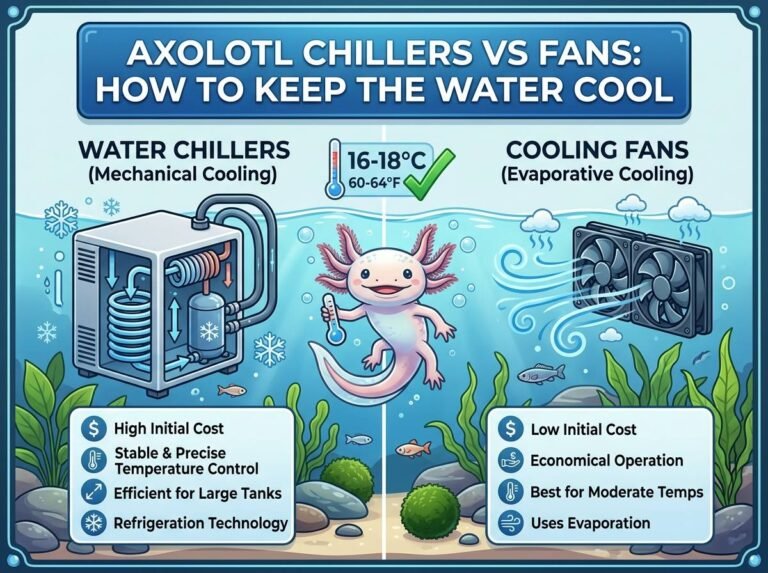
Maintaining an optimal temperature within an axolotl tank is crucial for the overall health and well-being of these unique amphibians. Axolotls thrive in cooler water temperatures, typically ranging between 16°C to 18°C (60°F to 64°F). These parameters not only support their metabolic processes but also promote healthy behavior and growth. Elevated temperatures can lead to increased metabolism, resulting in stress, reduced appetite, and other health complications.
The significance of temperature regulation cannot be overstated, as it directly influences the growth and development of axolotls. When exposed to temperatures above the ideal range, axolotls may exhibit lethargy, and their immune systems can weaken, making them more susceptible to diseases. Conversely, if the temperature is too low, it may slow their metabolism excessively, impacting feeding and growth rates. Therefore, providing a stable environment within the recommended temperature range is essential.
Monitoring tank temperature is straightforward and can be achieved through the use of an aquarium thermometer. Regular checks will help ensure that the temperature remains stable, avoiding sudden fluctuations which can be detrimental. Should tank temperatures drift outside the optimal range, adjustments can be made using heaters for cooler water or fans for warmer conditions. Always remember to increase or decrease temperatures gradually to prevent shocking the axolotls.
Different axolotl species may exhibit varying tolerances to temperature shifts, so understanding the specific needs of your axolotl can lead to improved care. Consistent monitoring, combined with a focus on maintaining the ideal conditions, will promote a healthy and stress-free environment for these fascinating creatures. In summary, careful attention to temperature is essential for optimizing axolotl health, supporting their natural behaviors, and enabling successful keeping of these aquatic pets.
Using Water Testing Kits Effectively
Maintaining optimal water conditions is paramount for the health of axolotls, and using water testing kits is a crucial aspect of ensuring a safe aquarium environment. Water testing kits are designed to evaluate various parameters, such as pH, ammonia, nitrite, and nitrate levels, making them essential tools for every axolotl owner.
There are different types of water testing kits available, including liquid test kits, test strips, and digital testers. Liquid test kits tend to provide the most accurate results, utilizing reagents that cause visible color changes. Test strips offer convenience and speed; however, they may not be as precise as liquid kits. Digital testers are the easiest to use and provide immediate results, but they often come with a higher price tag. It’s important to choose a testing kit that suits your needs and be consistent in its application.
To read the results of water tests, follow the instructions provided with the kit carefully. For liquid tests, it’s essential to wait the specified time after adding the reagents before comparing the color against the provided chart. Being aware of environmental factors that could affect the readings is also critical. For instance, testing water immediately after a water change may yield different results than after a few days of normal water conditions.
The frequency of testing should be determined by the stability of the aquarium environment and the age of the tank. Newly established tanks may require testing once or twice a week, while mature tanks may only need testing every couple of weeks. Regular monitoring helps in identifying any sudden changes in water quality, allowing for timely interventions to maintain a healthy habitat for axolotls.
Common Questions About Water Parameters
For axolotl owners, ensuring the right water parameters is crucial for the health and longevity of their pets. Many owners have common questions regarding these parameters, particularly about troubleshooting issues that may arise in their aquatic environment. One prevalent concern is how to manage ammonia levels. Ammonia is toxic to axolotls, and even low concentrations can cause stress or illness. Owners should regularly test the water and take immediate action if ammonia levels rise, which can include performing partial water changes and ensuring a proper filtration system is in place.
Another frequent inquiry pertains to nitrite levels. Nitrites can lead to a condition known as nitrite poisoning in axolotls. It’s essential to maintain nitrite levels at zero, and owners may need to cycle their tanks appropriately to establish beneficial bacteria that help convert harmful compounds into safer substances. In cases where options conflict, it is advisable to rely on reputable sources or forums dedicated to axolotl care, as misinformation can circulate easily.
Temperature regulation also leaves many axolotl caregivers confused. Axolotls thrive in cooler temperatures, ideally between 60°F and 68°F (15°C to 20°C). When temperatures exceed this range, axolotls can become stressed and more susceptible to health issues. Owners often ask how to accurately monitor and adjust water temperature, particularly in fluctuating climatic conditions. A quality aquarium thermometer and a reliable cooling system can help maintain the suitable environment for these creatures.
Understanding these water parameters not only enhances an axolotl’s well-being but also ensures a more enjoyable and fulfilling experience for their owners. Clarifying misconceptions and relying on verified information can aid in better water management, thus contributing to the overall success of keeping axolotls healthy in captivity.
Maintaining Water Quality Over Time
Maintaining optimal water quality for axolotls is essential for their health and well-being. Regular water maintenance not only involves monitoring parameters but also implementing strategies to ensure stability over time. One of the primary aspects of water management is regular testing for key parameters such as pH, ammonia, nitrite, and temperature. Testing kits are widely available and should be used routinely to catch any fluctuations early.
Particularly, attention must be paid to ammonia and nitrite levels, as both are toxic to axolotls even at low concentrations. It is advisable to perform water changes regularly—typically, a 20-30% change every week can help keep ammonia and nitrite levels within safe limits. Establishing a routine will foster a more stable aquatic environment, which is crucial for the delicate nature of axolotls.
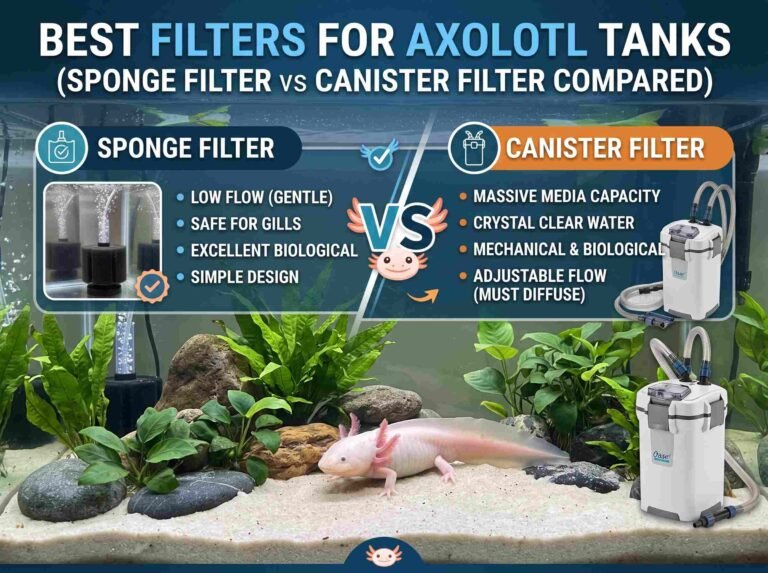
In addition to regular testing and water changes, the use of filters can greatly aid in maintaining ideal conditions. A good filtration system helps break down waste products and reduces toxicity in the water, providing a consistent environment. However, it is critical to choose a filter designed for the specific needs of axolotls, as overly strong currents may stress them out.
Temperature regulation is another significant factor in maintaining water quality. Axolotls thrive in cooler waters, typically between 60 to 68 degrees Fahrenheit (15 to 20 degrees Celsius). Utilizing a reliable heater or chiller and monitoring the temperature frequently is advisable to prevent sudden changes that could lead to stress or illness.
Finally, preventive measures can be taken to avoid fluctuations in water quality. This includes maintaining a consistent feeding schedule, being mindful of overfeeding, and ensuring any decorations or substrates are easily cleanable to prevent waste accumulation. By implementing these strategies, aquarists can create a stable and healthy environment for their axolotls, ensuring their long-term well-being.
Conclusion: Building a Thriving Environment for Your Axolotls
In summary, maintaining the ideal water parameters for axolotls is crucial for their health and well-being. Understanding the significance of pH levels, ammonia concentrations, nitrite presence, and temperature can provide axolotl owners with the knowledge necessary to create an environment in which these unique creatures can thrive.
The pH level of the water is one of the foundational elements that influence an axolotl’s health. It is essential to maintain a stable pH that aligns with the natural habitat of axolotls, which typically ranges from 6.5 to 7.5. Deviating too far from this range can lead to stress and health issues in these amphibians. Regular testing and adjustments can ensure that the water remains within this optimal range.
Equally important are the levels of ammonia and nitrite, which are toxic to axolotls even in low concentrations. Ammonia should ideally be kept at 0 ppm (parts per million), while nitrite levels should also be maintained at safe levels. Implementing a robust filtration system, regular water changes, and a cycle of beneficial bacteria can aid in minimizing these harmful substances, creating a safe aquatic environment.
Temperature regulation cannot be overlooked, as axolotls thrive in cooler waters, typically between 16-18°C (60-64°F). Fluctuations outside of this range can adversely affect their metabolism and overall health, prompting stress and potential illness. Employing heaters and chillers to manage temperature effectively is recommended, particularly in seasonal climates.
As a dedicated axolotl owner, taking the time to educate yourself about these essential water parameters will empower you to provide the best care for your pets. By prioritizing water quality and stability, you can significantly enhance the quality of life for your axolotls, allowing them to flourish in their aquatic environment.