Axolotls, often referred to as “Mexican walking fish,” are fascinating aquatic salamanders that are not just interesting pets but also hold significant value in scientific research and conservation efforts. Breeding axolotls requires a thorough understanding of their natural reproductive behaviors. In the wild, axolotls reproduce through external fertilization, where females release eggs into the water, which are then fertilized by males. This natural cycle is essential for maintaining healthy populations in their native habitat, which is currently facing threats from habitat destruction and pollution.
The importance of breeding axolotls extends beyond personal enjoyment; it also plays a critical role in conserving genetic diversity. Genetic diversity is vital for the adaptability and resilience of any species, including axolotls. By breeding axolotls in captivity, enthusiasts and researchers can help ensure that various genetic traits are preserved. This, in turn, can aid in the species’ long-term survival, particularly as environmental pressures continue to mount.
Additionally, the objectives for breeding axolotls can vary widely, ranging from academic purposes, such as studying genetics and development, to personal interests, where owners may seek to produce unique color variations or enhance specific traits. Breeders may also engage in axolotl breeding to contribute to conservation efforts, aiming to maintain or increase the population of this vulnerable species in controlled settings.
In summary, understanding the intricacies of axolotl breeding is essential for both conservation initiatives and hobbyist endeavors. By acknowledging their natural reproductive behaviors and the associated challenges, one can embark on a successful journey into the world of axolotl breeding, fostering not only a deeper appreciation for these unique creatures but also assisting in their preservation for future generations.
Preparing the Right Environment for Breeding
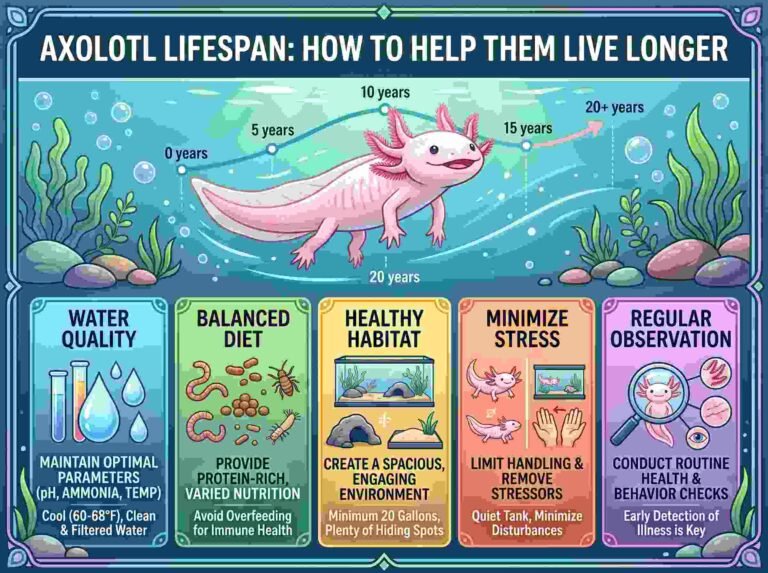
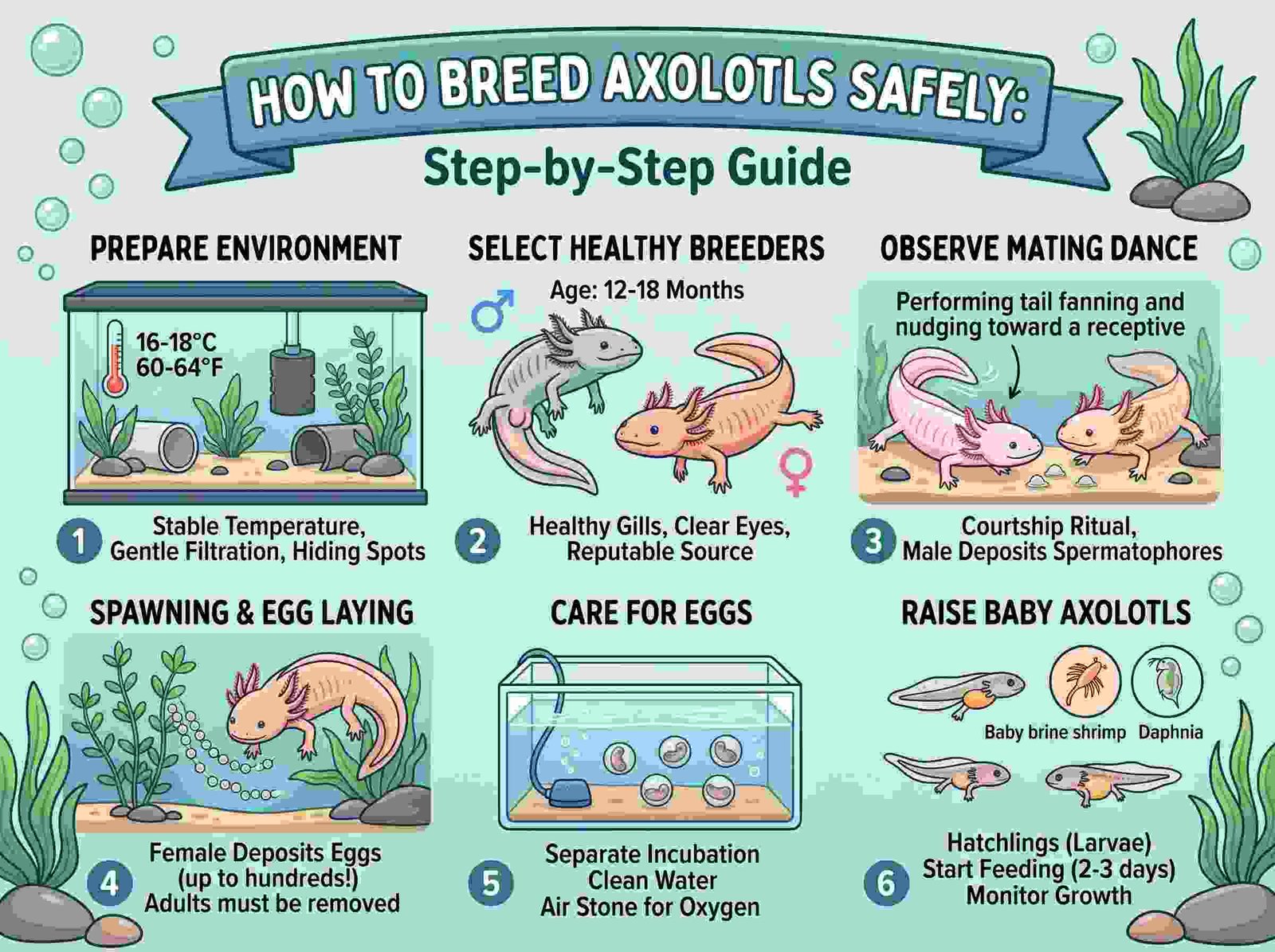
Successful axolotl breeding relies heavily on creating an optimal environment within the breeding tank. The tank size is crucial; a minimum of 20 gallons is generally recommended for breeding pairs. This size helps provide ample space for both the male and female axolotls, allowing them to establish their territory and engage in natural behaviors without excess stress.
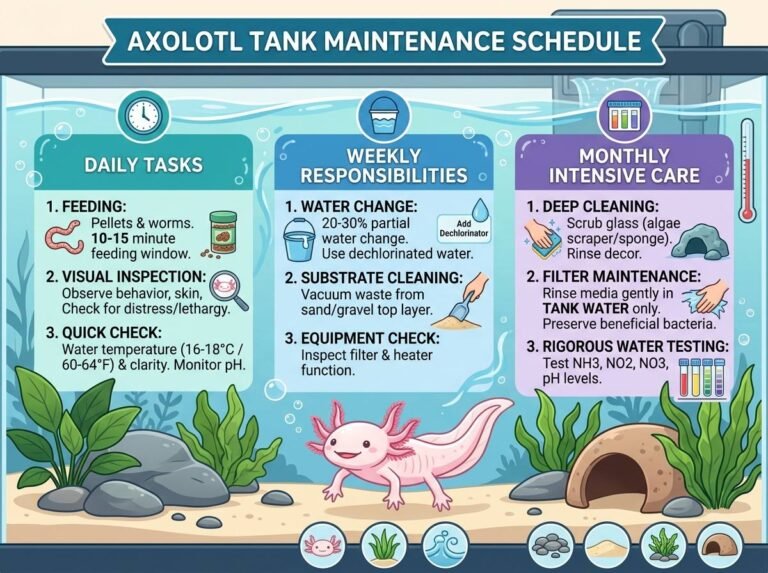
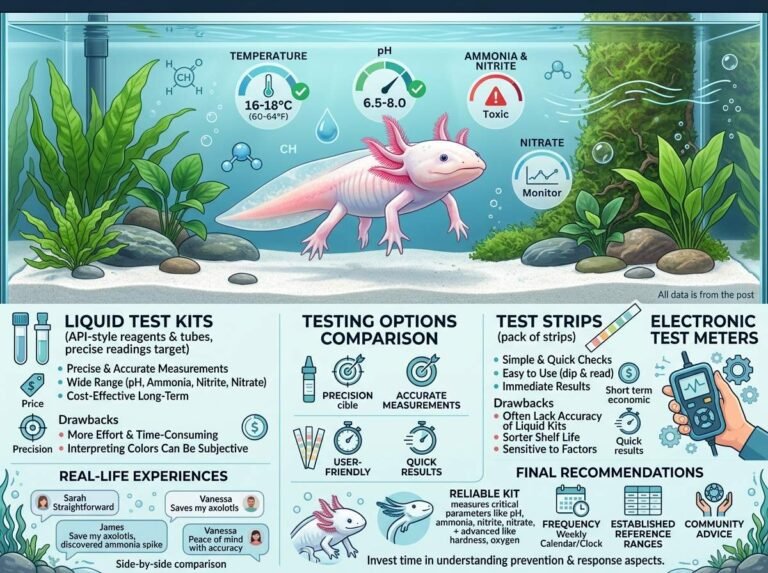
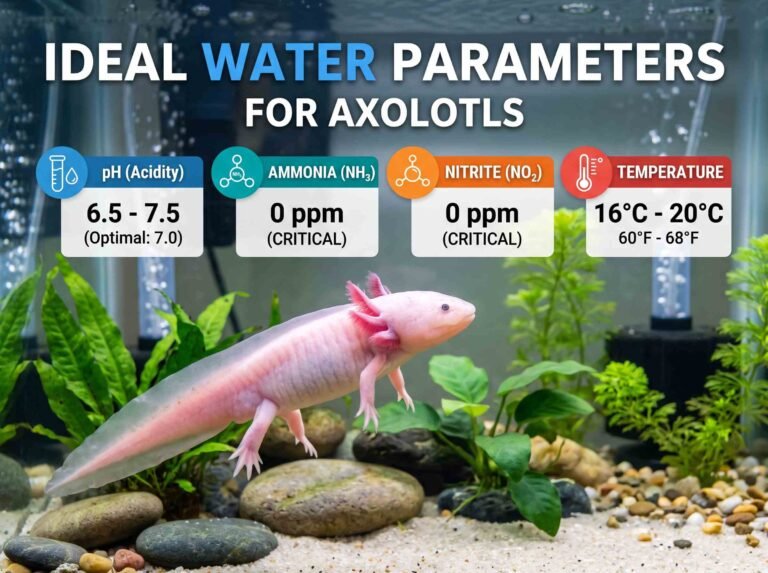
Water quality is another key factor. Maintaining a clean and well-filtered environment is essential to prevent harmful bacteria and toxins from affecting the axolotls. A reliable filtration system that does not create strong currents is ideal, as axolotls prefer calmer waters. Regular water changes of about 20-30% weekly will help maintain suitable water parameters, including pH levels between 6.5 and 7.5 and ammonia and nitrite readings at zero.
Temperature also plays a significant role in breeding success. Axolotls thrive at cooler temperatures since they are a cold-water species. A stable temperature range between 16°C to 18°C (60°F to 64°F) is optimal for breeding conditions. It is important to avoid extreme fluctuations in temperature, as this can stress the animals and hinder successful mating.
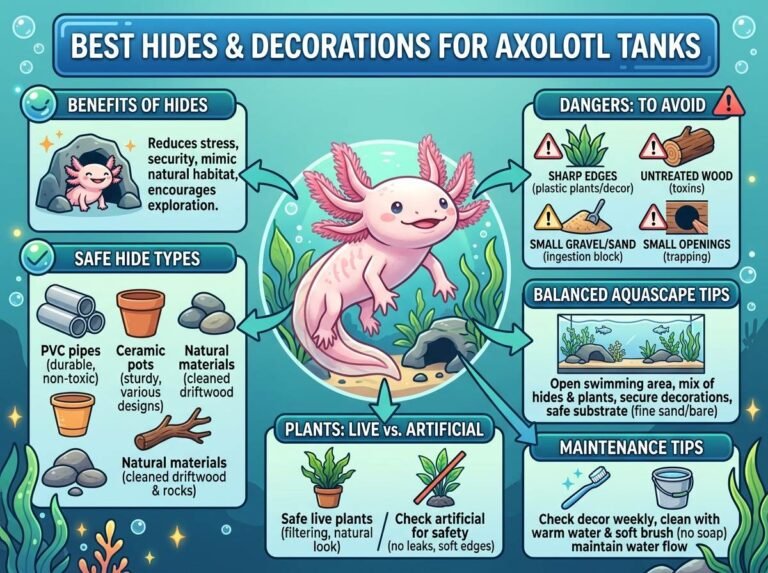
Providing hiding spots within the tank is essential for creating a stress-free environment. Structures like rocks, plants, and PVC pipes can serve as shelters where axolotls can retreat. This not only encourages natural behaviors but also gives females a safe space to lay their eggs, reducing the chances of stress-induced complications.
Managing these conditions effectively will pave the way for a successful axolotl breeding experience. By ensuring that the breeding tank is appropriately sized, the water quality is pristine, and the environment is visually enriched with hiding places, breeders can foster a secure atmosphere conducive to reproduction.
Selecting Healthy Breeders
Choosing the right axolotls for breeding is crucial for a successful breeding experience. Each axolotl possesses unique traits that can significantly affect the health and viability of the offspring. Therefore, assessing both the physical and genetic characteristics of potential breeders is essential.
First and foremost, health should be the primary consideration when selecting axolotls for breeding. Healthy axolotls display vibrant colors, clear eyes, and active behavior. Any signs of distress, such as lethargy or abnormalities in the gills or skin, should raise concerns about their suitability for breeding. Furthermore, it is advisable to acquire axolotls from reputable sources or breeders who can provide health certifications and background information on the animals.
In addition to physical health, the age of the axolotls plays a vital role in breeding. Ideally, breeding should occur when both the male and female are sexually mature, which generally happens around 12 to 18 months of age. However, younger axolotls may not have fully developed genetic traits, which can impact breeding outcomes. Consequently, choosing axolotls that are within the correct age range is important for successful reproduction.
Genetic traits significantly influence the characteristics of future generations. It is essential to research the lineage of the axolotls being considered for breeding. This includes examining any genetic diseases or undesirable traits present in their ancestry. Accurate documentation of lineage can aid in assessing genetic diversity, which is vital for maintaining healthy populations. Selecting axolotls with complementary traits—such as coloration and body structure—can also positively impact the quality and aesthetic appeal of the offspring.
In summary, selecting healthy axolotls for breeding involves a thorough evaluation of their physical condition, age, and genetic background. By focusing on these key aspects, breeders can enhance the likelihood of producing healthy, vibrant offspring, thereby ensuring a successful axolotl breeding experience.
Understanding Axolotl Mating Behaviors
Axolotls exhibit a range of fascinating mating rituals that are essential for successful reproduction. Recognizing these behaviors is key for aquarists who wish to breed these unique amphibians effectively. Courtship begins with the male axolotl performing a mesmerizing dance involving the flaring of his gills and a series of elaborate swimming patterns. This display serves not only to attract females but also to signal his readiness to mate.
During the courtship phase, males may nudge or gently chase the females. They often engage in a behavior known as “tail fanning,” where the male fans his tail back and forth, which helps to stimulate the female. These actions are crucial in establishing a bond between potential mates and often precede successful spawning. Male axolotls have a keen sense to determine whether a female is receptive to mating, often relying on pheromonal cues that she may release during this period.
To assess readiness for spawning, it is essential to consider the physical characteristics of the axolotls. A female typically swells with eggs, making her appear noticeably rounder as she approaches her breeding period. Males, in contrast, should exhibit pronounced coloration and active swimming behavior, signaling their eagerness to breed. It is important to note that the optimal water temperature and quality play significant roles in facilitating these behaviors, as axolotls are sensitive to changes in their environment.
Additionally, observing interactions between the pairs during the mating display can provide insights into their compatibility. Successful mating involves a mutual interest and active participation from both parties, which enhances the likelihood of spawning. Understanding these mating rituals, from courtship behaviors to identifying readiness for reproduction, is fundamental for breeders aiming for a fruitful axolotl breeding experience.
Implementing Spawning Techniques
Facilitating the breeding process of axolotls requires an understanding of their reproductive behaviors and various techniques tailored to encourage spawning. The initial step involves ensuring that both male and female axolotls are healthy and mature, ideally between the ages of 12 to 18 months. Before introducing them to each other, it is vital to observe their physical condition and ensure they are free from diseases.
Timing plays a crucial role in the breeding process. Axolotls typically breed in the spring when water temperatures range between 16°C to 20°C (61°F to 68°F). To stimulate natural spawning behavior, an effective technique is to gradually lower the water temperature for a few weeks, simulating the onset of spring. Subsequently, a gentle increase in temperature can prompt the pair to spawn.
After establishing the right conditions, the introduction of the male to the female’s tank should take place. It is essential to create a breeding environment, which may include providing suitable substratum such as smooth rocks or plastic plants where the female can deposit her eggs. Observing the male’s courtship behavior, characterized by swimming around the female and nipping at her gills, indicates readiness for spawning.
If breeding does not occur naturally, introducing a water flow or filtration system can help distribute pheromones released by the male, potentially enticing the female. Additional measures may also involve modifying the light cycle in the aquarium to mimic natural daylight patterns. Females generally lay hundreds of eggs on the provided surfaces, and vigilance is necessary during this phase, as the eggs should be carefully monitored to protect them from any potential threats or tank mates that may feed on them.
Once spawning occurs, promptly remove the adults to prevent them from eating the eggs. Maintaining optimal water quality is imperative, along with regular monitoring of temperature and pH levels to ensure a successful hatching process. By following these techniques and maintaining the right environmental conditions, breeding axolotls can be a rewarding experience for aquarists.
Caring for Axolotl Eggs
Once axolotls have spawned, the collection and care of the resulting eggs are critical components of ensuring their survival and successful development. First and foremost, it is important to gently collect the eggs to avoid damaging them. Using a fine mesh net or a soft siphon can facilitate this process, allowing for the safe transfer of eggs to a designated incubation container.
The ideal conditions for the incubation of axolotl eggs are essential for their growth. A separate tank or container should be prepared specifically for the eggs, ensuring it is free from any contaminants or predators that could harm them. The water temperature should be maintained within the range of 18 to 20 degrees Celsius (64 to 68 degrees Fahrenheit), as warmer temperatures can lead to faster development but may also increase the risk of deformities and other issues.
Oxygen levels in the water are another critical factor. It is advisable to use an air stone to maintain adequate oxygenation, as eggs require a sufficient amount of dissolved oxygen in the water. Additionally, it is essential to avoid any turbulence, as strong currents can disrupt the eggs. Soft filtration systems can be employed if necessary but must be gentle enough to prevent harm to the eggs.
Throughout the incubation period, which typically lasts between 14 to 21 days, daily monitoring is essential. Removing any uneaten food or waste will help maintain water quality and prevent fungal growth, which can pose a serious threat to both the eggs and hatchlings. It is also beneficial to perform partial water changes regularly, ensuring that the water remains clean and within optimal parameters.
As the eggs progress through their development stages, they will initially absorb their yolk sacs before hatching into larvae. Observing the changes in the eggs during this period can be both fascinating and educational for breeders. Adequate care during these critical early stages can significantly enhance the likelihood of a successful axolotl breeding experience.
Hatching and Raising Baby Axolotls
Caring for newly hatched baby axolotls is a crucial aspect of ensuring their survival and promoting healthy development during their early stages. When baby axolotls emerge, they are very small and require specific conditions within their habitat to thrive. First and foremost, it is essential to prepare an appropriate tank setup that considers their needs. The tank should be clean, well-aerated, and not overly large, typically ranging between 5 to 10 gallons. In addition, maintaining stable water parameters is critical, with a pH between 6.5 and 7.5 and a temperature ideal around 20-22°C (68-72°F).
After the baby axolotls hatch, they rely on their yolk sacs for nutrients for the first few days. Once these sacs disappear—generally within 2-3 days—introducing food becomes necessary. Newly hatched axolotls are often best fed with specialized liquid fry food or finely crushed high-quality pellet food. Another option includes tiny live food such as brine shrimp or daphnia, which can entice them to feed, supporting their growth during this crucial feeding phase.
As they continue to grow, adjusting the feeding regimen is vital. Offering food multiple times a day in small portions helps prevent overfeeding, which can pollute their environment. It is advisable to monitor their growth and adjust feeding schedules as needed. Furthermore, ensuring that they are housed in suitable conditions without strong water currents is important, as baby axolotls are particularly sensitive during their early days.
Moreover, it is important to provide hiding spots in the tank to create a sense of security for the young axolotls. Pieces of driftwood or rocks can help them feel safe, reducing stress which is detrimental to their development. Keeping a close eye on their growth and overall health will assist in detecting any potential health issues early.
In conclusion, careful attention to their environment, feeding, and general care will ensure a successful hatching and raising process of baby axolotls, setting a solid foundation for their development into healthy adults.
Common Challenges in Breeding Axolotls
Breeding axolotls can be a rewarding yet intricate endeavor. However, it is essential to identify potential challenges that breeders may encounter during this process. Understanding these issues allows breeders to proactively address them, ensuring a higher success rate. One common challenge is the water quality in which the axolotls are kept. Poor water parameters such as pH, temperature, and ammonia levels can significantly impact the health of both adults and embryos. Maintaining optimal conditions is crucial, as any fluctuations can lead to stress or mortality.
Another significant hurdle is the hormonal balance in axolotls during the breeding season. Breeders may find that their axolotls are not breeding as expected, which could be due to various factors such as inadequate stimulation or environmental stress. For instance, differing temperature ranges, inadequate light cycles, or insufficiently varied diets can hinder the breeding readiness of axolotls. To counteract this, breeders should replicate natural environmental cues meticulously, including gradual changes in the water temperature and providing a nutritious diet to bolster the reproductive system.
Additionally, complications can arise during the fertilization and egg development stages. Some axolotls may be reluctant to lay eggs, while others can lay eggs that do not develop properly. Breeders should ensure that the breeding pair is healthy and of suitable age to maximize fertility. After egg-laying, it is essential to monitor the eggs closely. Fungal infections or contamination can lead to egg mass loss. Using fungicides or ensuring that the eggs are in a clean environment can alleviate this problem.
In conclusion, recognizing and addressing these common challenges can enhance the axolotl breeding experience. By fostering optimal conditions and being vigilant about the health and environment of the breeders and their eggs, one can significantly improve the probability of a successful breeding outcome.
Conclusion and Final Tips for Aspiring Breeders
In summary, the journey of axolotl breeding is one that requires dedication, patience, and a comprehensive understanding of these unique aquatic creatures. The key points discussed throughout this guide highlight the importance of creating a suitable environment, recognizing breeding behaviors, and ensuring optimal care for both the adults and their offspring. Each stage of breeding presents its own challenges, and aspiring breeders should approach the process with an open mind and a readiness to learn.
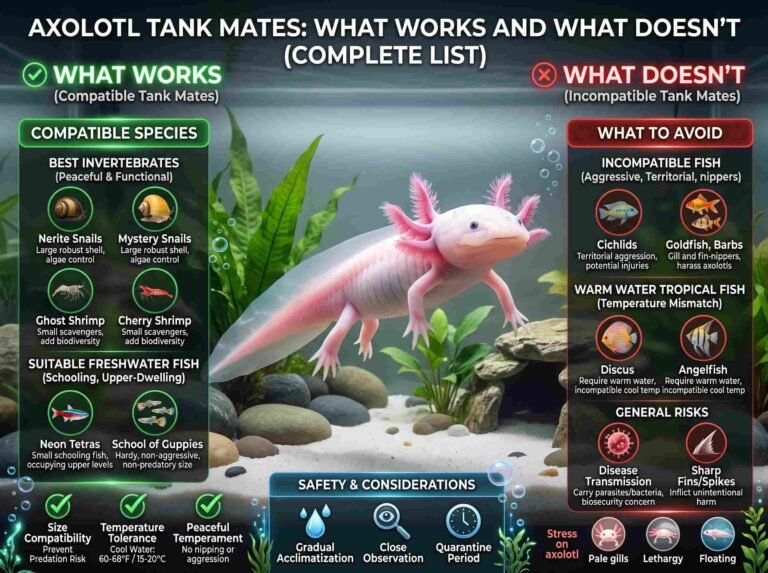
One critical takeaway is the necessity of monitoring water quality and temperature, as these factors significantly influence the health and well-being of axolotls. Consistent maintenance of their habitat not only supports successful breeding but also fosters the longevity and vitality of your axolotl population. Regular water changes and the careful selection of tankmates can prevent stress and disease, further ensuring a thriving breeding environment.
Additionally, aspiring breeders should embrace patience. The breeding process is not always straightforward or quick. It may take multiple attempts to achieve successful fertilization and raise healthy hatchlings. Understanding the life cycle and growth stages of axolotls will aid in setting realistic expectations and preparing for the necessary care after hatching.
As you embark on your axolotl breeding adventure, consider connecting with other breeders or communities for support and shared experiences. This exchange of knowledge can provide invaluable insights and help you navigate any obstacles you may encounter along the way. Documenting your experiences and observations can also serve as a helpful reference for future breeding endeavors.
Ultimately, successful axolotl breeding is attainable for those willing to invest time and effort. With continuous learning, proper care, and a sense of community, anyone can contribute positively to the preservation and enjoyment of this fascinating species. Best of luck in your breeding efforts!