Creating an optimal environment for axolotls involves various critical factors, one of which is the inclusion of live plants. These aquatic creatures thrive in habitats that mimic their natural ecosystems, and an assortment of live plants can enhance both the aesthetic appeal and the overall health of their tank. When properly integrated, plants not only beautify the environment but also serve vital biological functions, such as providing shelter, enhancing water quality, and promoting a balanced ecosystem.
Live plants contribute to the overall well-being of axolotls by facilitating natural behaviors and offering refuge from direct light and tank mates. Moreover, plants are essential in the nitrogen cycle, helping to absorb waste products and maintaining a healthier environment for these amphibians. However, prospective axolotl owners may have valid concerns regarding the safety of specific plant species, as well as the requirements for adequate light and temperature.
It is crucial to choose plants that are non-toxic and compatible with axolotls, as some species can pose risks to their health. Similarly, understanding the light requirements for selected plants is essential since axolotls prefer dim environments that mimic their native habitats. Additionally, maintaining appropriate water temperatures is vital, as some plants may react adversely if the water is too warm or too cold. Users should consider these factors when selecting plants to ensure that they create a safe and nurturing habitat for their axolotls.
In conclusion, the right assortment of live plants can significantly enhance the quality of life for axolotls, addressing both aesthetic and functional needs. By understanding plant safety and environmental requirements, aquarists can cultivate a thriving tank that fosters the well-being of their axolotls.
Why Choose Live Plants for Axolotl Tanks?
Incorporating live plants in axolotl tanks presents numerous advantages that significantly enhance the aquatic environment. One of the primary benefits is the improvement of water quality. Live plants absorb harmful substances, such as ammonia and nitrates, through their natural processes, helping to maintain a stable and healthy habitat for axolotls. This biological filtration system creates a cleaner environment, thereby reducing the frequency of water changes required, which can be particularly beneficial for any aquarium enthusiast.
Additionally, live plants serve as essential hiding spots for axolotls. These creatures are known for their sensitive nature and can experience stress in open spaces. By providing ample cover, such as densely planted areas, aquarists can create a more comfortable setting that allows axolotls to display their natural behavior. These plants not only offer shelter but also create vertical space within the tank, facilitating natural exploration and movement, which enhances the overall well-being of the axolotls.
Moreover, a planted aquarium contributes to a more natural aesthetic and ambiance. The presence of greenery mimics the axolotl’s natural habitat, potentially leading to increased activity levels among these amphibians. In a stimulating environment, axolotls are more likely to engage in natural behaviors, such as foraging and swimming. A vibrant, live plant setup can also encourage breeding behaviors, enhancing the chances of successful reproduction if desired by the aquarist.
Overall, the inclusion of live plants in axolotl tanks not only improves water quality and aesthetic appeal but also has notable behavioral benefits. By fostering a more natural and secure environment, aquarists can effectively reduce stress levels and promote a healthier, more active lifestyle for their axolotls. Investing in live plants is thus a strategic choice for the optimal care of these unique creatures.
Criteria for Selecting Axolotl-Friendly Plants
When creating a suitable environment for axolotls, selecting the right plants is essential for their well-being. There are several key criteria to consider when choosing plants specifically for axolotl tanks. Firstly, safety should be paramount. It is vital to select plants that are non-toxic to axolotls. Some plants contain compounds that can be harmful, so thorough research of each plant species is critical before inclusion in the aquarium. Axolotl-friendly plants should not irritate their sensitive skin or gills.
Another important criterion is the light requirements of the plants. Many axolotl owners often maintain low-light conditions in their tanks since intense lighting can cause stress to the axolotls. Therefore, opting for plants that thrive in low-light environments is recommended. Species such as Anubias or Java Fern are excellent candidates as they can grow well without excessive light, thereby maintaining a comfortable atmosphere for your axolotls.
Cold-water tolerance is also an essential factor when selecting plants for axolotl environments. Axolotls naturally inhabit cooler water conditions, and choosing plants that can tolerate or prefer lower temperatures ensures better compatibility with the living conditions in the tank. Most aquatic plants can survive in a range of temperatures, yet it is beneficial to select those that have been proven to thrive in cooler waters.
In conclusion, considering factors such as safety, low-light requirements, and cold-water tolerance is crucial when selecting plants for axolotl tanks. These criteria help in creating a more harmonious habitat that not only supports the plants’ growth but also ensures the health and comfort of the axolotls. By prioritizing these aspects, aquarists can cultivate a vibrant and safe environment that enhances the overall ecosystem of the tank.
Top Low-Light Plants for Axolotl Tanks
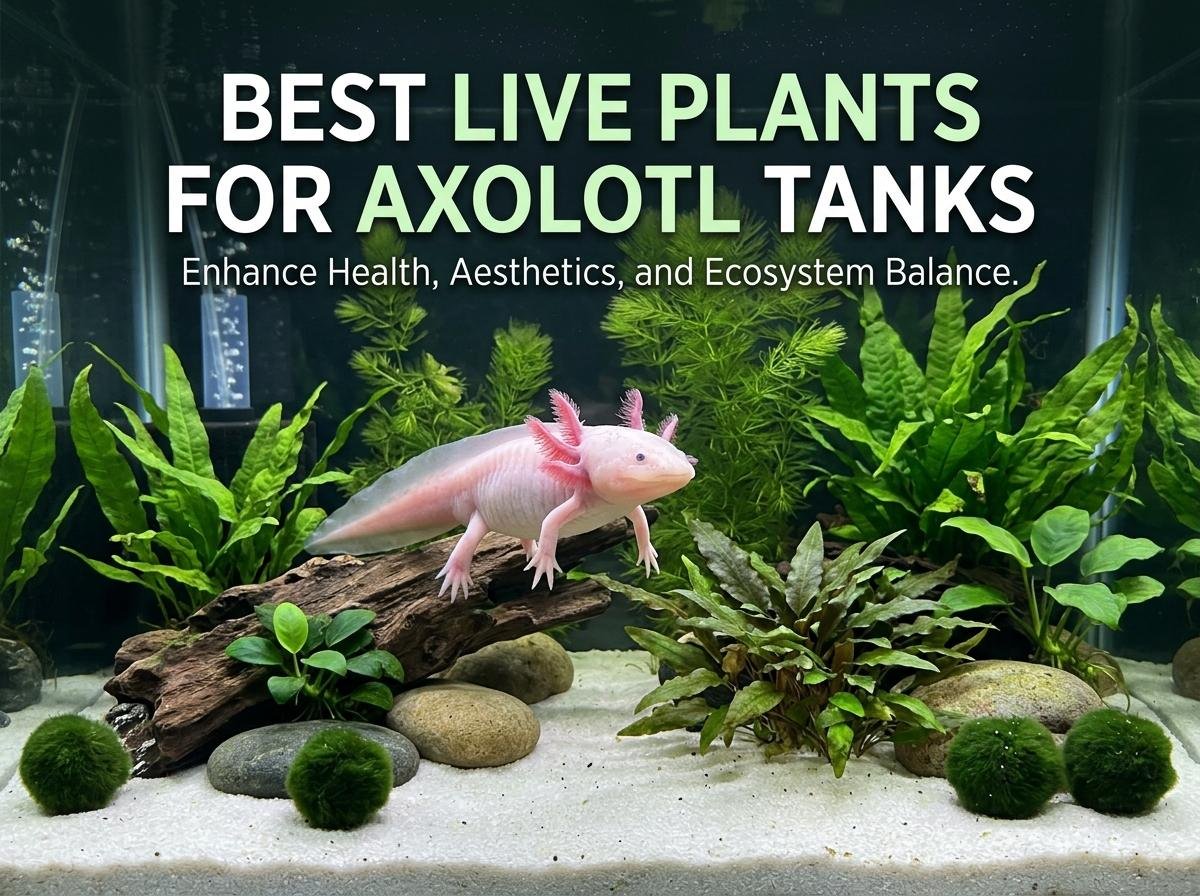
Creating a suitable environment for axolotls not only involves managing water parameters but also cultivating a healthy ecosystem with live plants. In a low-light scenario, several plant species can thrive while complementing the habitat’s aesthetic and providing essential benefits. Here are some ideal low-light plants for axolotl tanks:
Anubias: Anubias species are renowned for their hardy nature and low light requirements. They can grow both submerged and partially emerged, making them versatile additions to any aquarium. These plants prefer to be attached to rocks or driftwood rather than being fully rooted in substrate. Regularly cleaning their leaves can help prevent algae buildup, ensuring they maintain a healthy appearance.
Java Fern: Java Fern is another excellent choice for axolotl tanks. This plant can thrive in low light and requires minimal upkeep. Like Anubias, Java Fern should be anchored to hardscapes, as burying their rhizome can lead to rot. It can proliferate through spores or by dividing its rhizome, providing an ever-growing source of greenery ideal for your axolotl’s habitat.
Cryptocoryne: Cryptocoryne species display a variety of leaf shapes and colors, making them visually appealing choices for aquariums. They adapt well to low-light conditions but may require stable water parameters. Cryptocorynes can be planted in the substrate, and their dense foliage can provide both hiding spots for the axolotl and a habitat for beneficial microorganisms.
Marimo Moss Balls: While technically a form of algae, Marimo Moss Balls are popular for their unique appearance and easy care. These globular plants require low to moderate light and can thrive in a range of water conditions. They help enhance water quality by absorbing nutrients and can serve as a playful element in the tank.
Incorporating these low-light plants into an axolotl tank can significantly benefit the aquatic environment, improving both its appearance and the health of the axolotl. Each of these species has something unique to offer, ensuring that the aesthetic and functional requirements of the aquarium are met.
Cold-Water Plants Suitable for Axolotls
Axolotls, known for their unique regenerative abilities and distinct appearance, thrive in cold-water environments, making it essential to select appropriate plant varieties for their tanks. When considering plant selection, it’s crucial to focus on those that can survive in cooler temperatures, ideally between 60°F to 68°F (15°C to 20°C). Below are some of the optimal cold-water plants suitable for axolotl habitats.
One of the most popular choices is the Java Fern (Microsorum pteropus). This hardy plant can adapt to various water conditions and tolerates cooler climates exceptionally well. Java Fern provides great cover for axolotls, helping them feel secure while also facilitating a natural-looking environment. Additionally, it is a low-maintenance plant that requires minimal care, making it an excellent choice for beginners.
Another suitable plant is Hornwort (Ceratophyllum demersum), which is often favored for its fast growth rate. Hornwort thrives in cooler water, growing both as a floating plant or anchored in the substrate. This plant not only enhances the aesthetic of the aquarium but also plays a vital role in improving water quality by absorbing excess nutrients, which can reduce algae growth—a common concern in aquariums.
Anacharis (Egeria densa), also known as Brazilian Waterweed, is another excellent option for axolotl tanks. This plant grows well in cooler water and provides a lush backdrop for the aquarium. Anacharis is known for its high oxygen production, which contributes positively to the overall health of the tank. Moreover, it helps in maintaining stable water parameters, crucial for the delicate axolotl ecosystem.
In conclusion, choosing the right cold-water plants for axolotl environments can significantly impact their health and the quality of their habitat. Plants like Java Fern, Hornwort, and Anacharis not only enhance the visual appeal of the tank but also support the ecological balance necessary for thriving axolotl populations. By integrating these plants, aquarists can create a healthier aquatic environment for their pets.
Maintaining a Healthy Plant Environment
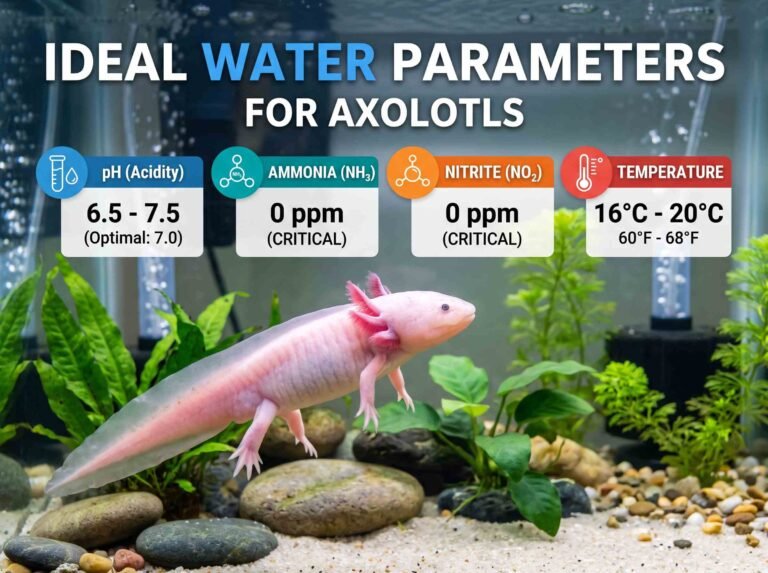
Creating and maintaining a healthy environment for live plants in an axolotl tank is crucial for both the plants’ well-being and the overall health of the axolotls. Axolotls thrive in stable water conditions, and this stability enhances plant growth as well. Understanding the essential water parameters such as pH, temperature, and hardness is critical. A pH range of 6.5 to 7.5 is ideal for both axolotls and most aquatic plants, while the optimal temperature for both is between 16°C to 22°C (60°F to 72°F).
When selecting substrates, it is important to choose one that allows for adequate root growth without posing a risk to the axolotls. Fine gravel or sand can serve as a good substrate, as it prevents the axolotls from injuring themselves and provides a solid base for plant roots. Additionally, ensuring that the substrate is at least 2 to 3 inches deep will provide the necessary anchorage for the plants.
Fertilization is another vital aspect of maintaining live plants. However, it must be approached with caution to avoid harm to the axolotls. It is recommended to use liquid fertilizers specifically designed for aquariums; avoid those with heavy metals that can be toxic. A light dosing routine can be highly beneficial. Moreover, regular water changes can help manage nutrient levels and reduce the possibility of toxic buildup.
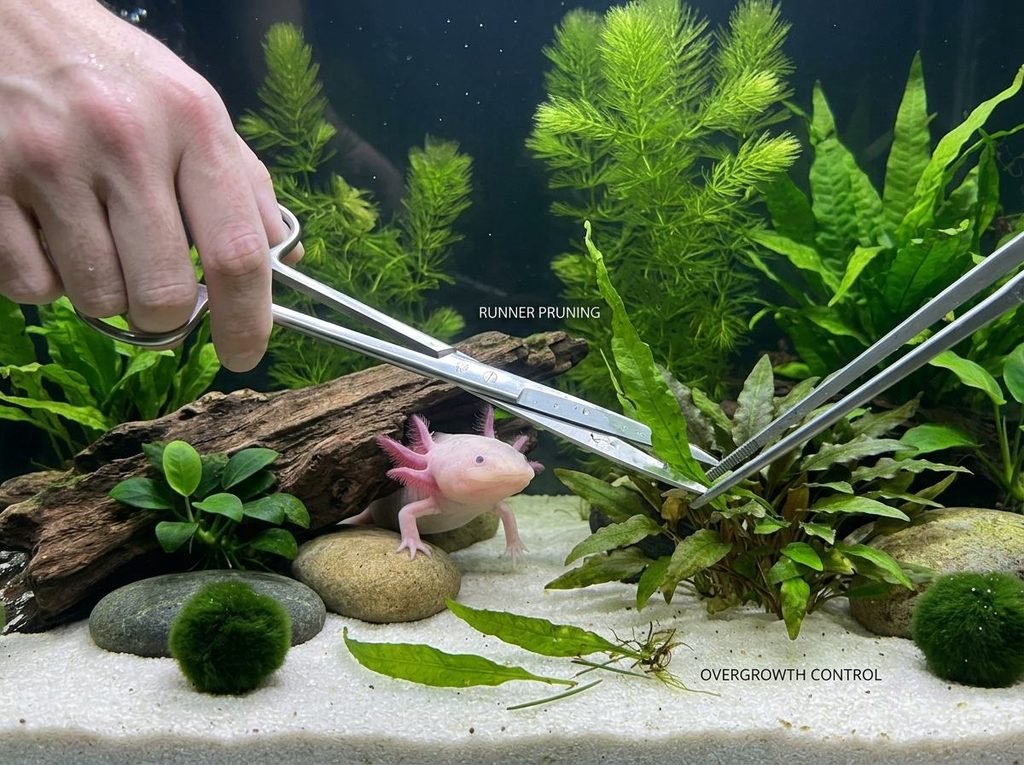
Trimming and rotating plants is essential to prevent overcrowding and overgrowth, which can lead to reduced light penetration and hinder growth. Regular maintenance not only keeps the plants healthy but also ensures that axolotls have adequate swimming space. Removing dead or decaying plant matter is equally important, as this can degrade water quality. By incorporating a routine of observing plant health, pruning as necessary, and managing nutrient levels, an optimal environment for both plants and axolotls can be maintained effectively.
Common Mistakes to Avoid with Live Plants and Axolotls
Introducing live plants into an axolotl environment can significantly enhance the aesthetic and functional aspects of the tank. However, several common mistakes should be avoided to ensure the health of both the plants and the axolotls. One primary issue arises from the selection of toxic plants. Some plants can release chemicals harmful to axolotls, leading to health complications or even mortality. Therefore, it is crucial to research and choose only axolotl-safe plants.
In addition to selecting the right plants, axolotl owners often overlook the environmental conditions necessary for live plants to thrive. Plants require adequate lighting, appropriate substrate, and compatible water parameters, such as temperature and pH levels. Failure to replicate these conditions may lead to plant decay, which can subsequently pollute the tank water, affecting the axolotls’ health. It is advisable to assess the specific needs of each plant species and adjust the tank environment accordingly.
Another common mistake relates to improper plant placement within the tank. Axolotls are known to dig or uproot plants, so it’s essential to secure them properly. Owners may incorrectly plant species that require deeper substrate in a shallow area without offering support, leading to plant failure. Additionally, creating an environment where plants are accessible and not easily disturbed can mitigate the risk of uprooting.
Lastly, many axolotl enthusiasts underestimate the importance of plant maintenance. Regular pruning and checks for decaying leaves are vital to maintaining a healthy aquatic environment. Neglecting these aspects can inhibit the growth of live plants and create an unhealthy habitat for axolotls. By avoiding these common mistakes, owners can create a sustainable and vibrant ecosystem that supports the well-being of both their axolotls and their plants.
Creating a Balanced Ecosystem in Your Tank
Designing a balanced ecosystem in your axolotl tank is essential for the health and well-being of both the axolotls and the live plants within the environment. A natural-looking habitat not only enhances the aesthetics of the aquarium but also provides a safe and stimulating environment for your axolotls. The integration of plants with other tank elements like driftwood, rocks, and proper filtration plays a crucial role in achieving this balance.
When selecting the right plants, consider species that thrive in the same water conditions that axolotls prefer, such as temperatures between 60 to 68 degrees Fahrenheit. Suitable aquatic plants include Java fern, Anubias, and hornwort, which not only provide shelter but also help in maintaining water quality. These plants are robust, adaptable, and can tolerate the unique challenges of an axolotl habitat.
Incorporating other elements like driftwood and rocks not only mimics a natural setting but also contributes to the overall health of the ecosystem. Driftwood offers hiding spots, which are valuable for axolotls seeking refuge or reducing stress. Additionally, rocks can help create structures that encourage exploration, which is essential for the physical and mental stimulation of your axolotl.
Careful placement of these components is critical; create open swimming spaces while positioning plants and hardscape elements in a way that prevents overcrowding. This layout promotes better water circulation, which is vital for the efficient functioning of your filtration system. A well-chosen filtration system plays a significant role in maintaining water clarity and reducing toxins, benefiting both the water-dwelling plants and the axolotls.
By harmoniously integrating live plants with decorative elements and proper filtration practices, you can establish a thriving aquarium that closely replicates a natural ecosystem, fostering a healthy environment for your axolotls and enriching their living conditions.
Conclusion and Recommendations
In conclusion, integrating live plants into axolotl environments presents numerous benefits for both the aquatic creatures and their owners. Live plants contribute to creating a more natural habitat, improving water quality, and providing essential hiding spots for axolotls, which is vital for their overall well-being. The presence of flora not only enhances the aesthetic appeal of the tank but also facilitates a balanced ecosystem, promoting healthier living conditions.
When selecting plants for an axolotl tank, it is crucial to choose species that are safe for these amphibians. Plants such as Anubias, Java Fern, and Hornwort are excellent options due to their hardiness and low maintenance requirements. These plants thrive in cooler water temperatures, which are suitable for axolotls, and do not pose any risks of toxicity. Furthermore, incorporating floating plants can provide shade and reduce stress levels for axolotls by creating a more secure environment.
Proper planting techniques and placement can also enhance the effectiveness of vegetation in the aquarium. It is recommended to securely anchor plants to the substrate or use weights to prevent them from floating away while ensuring that the axolotls have ample space to swim freely. Regular maintenance, including pruning and removing dead leaves, will promote healthy growth and prevent any decay from affecting water quality. Additionally, consider the growth rate of the chosen plants, as some may require more frequent trimming than others.
In summary, live plants are an integral part of a healthy axolotl habitat. By carefully selecting suitable species and implementing best practices for care and maintenance, owners can create a thriving aquatic environment that supports the health and happiness of their axolotls. The combination of aesthetic appeal and ecological benefits makes live plants an essential investment for every axolotl owner.