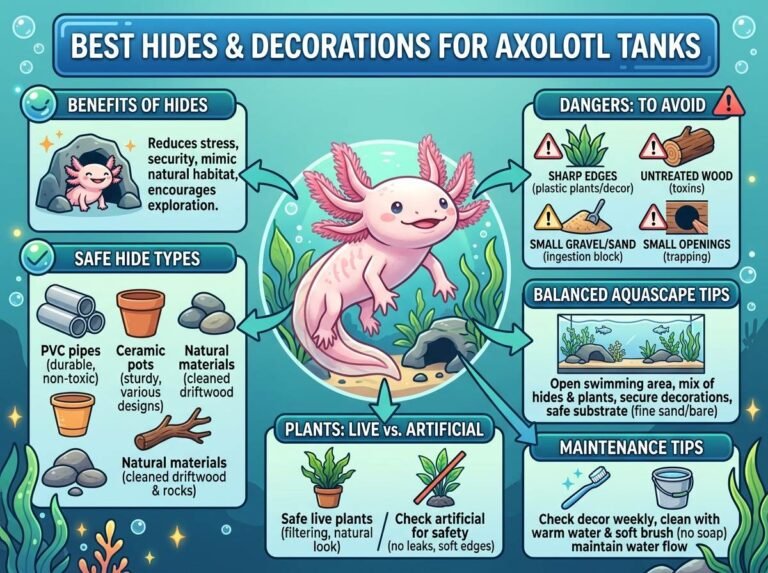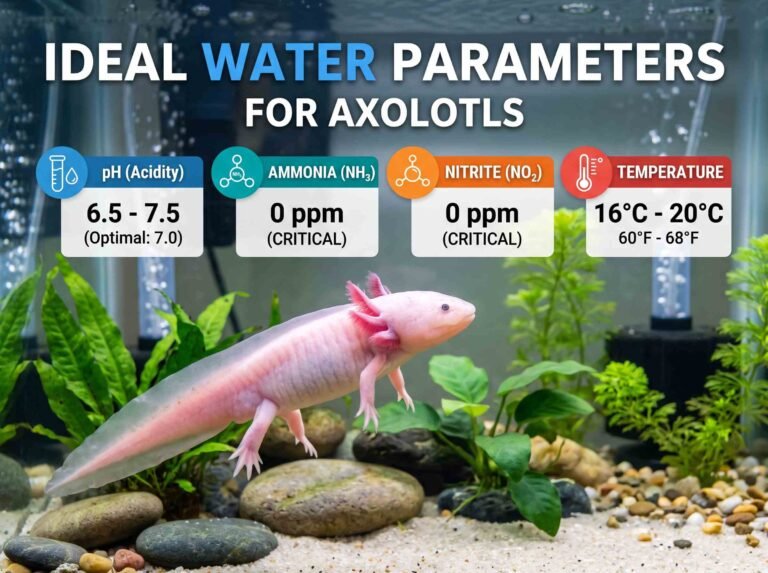
Maintaining optimal water quality is paramount for the health and well-being of axolotls. These unique aquatic creatures are sensitive to variations in their habitat, and any deviation from ideal water conditions can lead to significant health issues. Axolotls thrive in environments that closely mimic their natural habitat, which includes clean, cool, and well-oxygenated water. Therefore, monitoring and managing water parameters is essential for ensuring their survival.
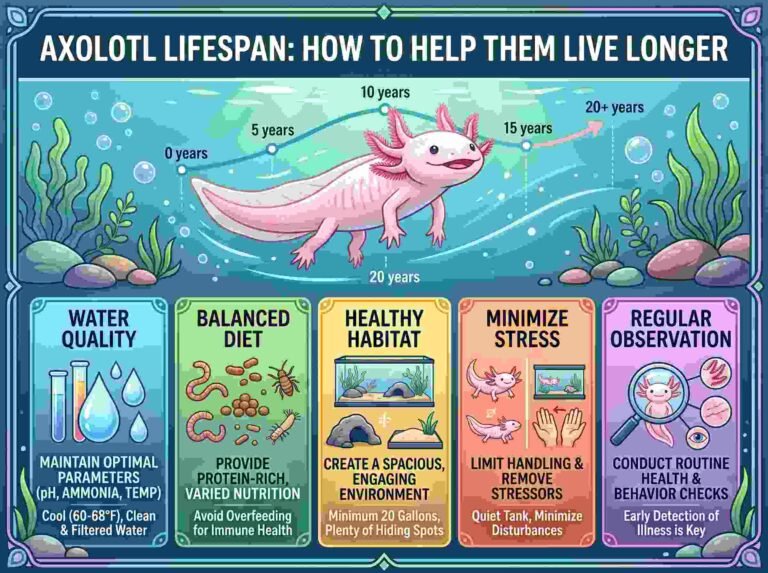
Several key water parameters directly impact axolotl health. Temperature is crucial, as axolotls prefer water temperatures between 16 to 18 degrees Celsius (60 to 64 degrees Fahrenheit). Temperatures that are too high can lead to stress and difficulty with respiration, ultimately hampering their overall health. Additionally, the pH level of the water should be maintained between 6.5 and 8.0. A pH that is too acidic or too alkaline can disrupt physiological processes and may lead to detrimental effects on their skin and gills.
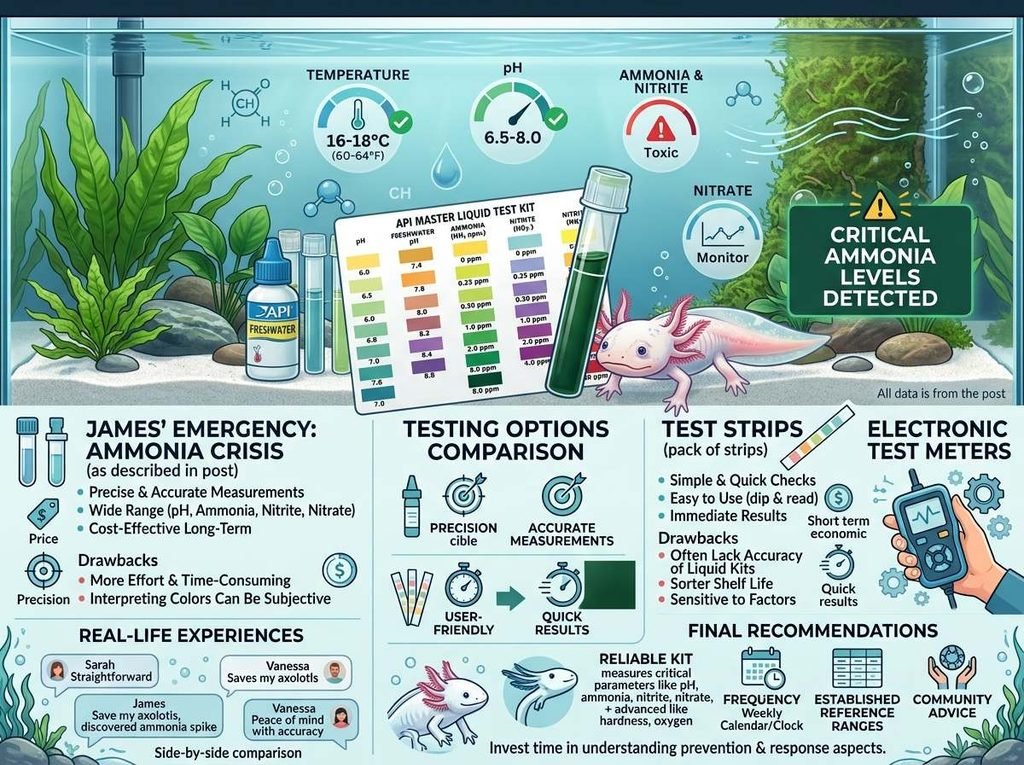
Another factor to consider is the presence of ammonia and nitrites, both of which are toxic to axolotls. Ammonia toxicity can cause severe harm, leading to symptoms such as lethargy, loss of appetite, and even death. Regular water testing is essential for detecting harmful levels of these substances. Moreover, maintaining proper filtration and performing routine water changes can help mitigate these risks. An environment with poor water quality can result in weakened immune systems, making axolotls more susceptible to diseases and infections.
In essence, ensuring that axolotls are housed in clean and stable water conditions can significantly enhance their longevity and quality of life. By understanding and managing the factors that contribute to water quality, aquarists can create a thriving habitat for their axolotls, promoting their health and vitality.
An Overview of Water Testing Options
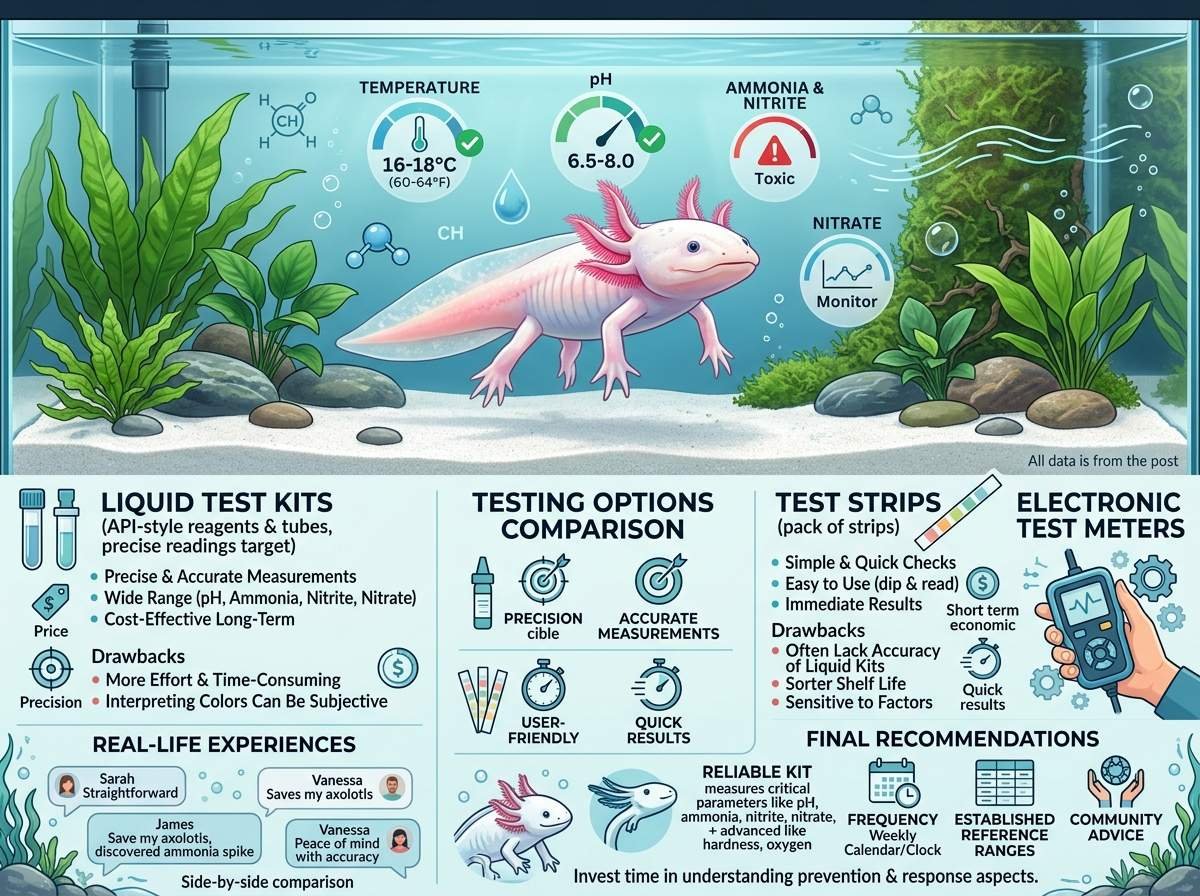
Water quality is essential for the health and well-being of axolotls, making regular testing a fundamental aspect of responsible pet ownership. Various types of water testing kits are available on the market, each with its own advantages and drawbacks. Understanding these options is crucial for maintaining an ideal environment for these unique aquatic creatures.
One primary category of water testing kits is the liquid test kits. These kits typically involve adding specific reagents to a water sample in order to achieve a color change that indicates the concentration of various parameters, such as pH, ammonia, nitrite, and nitrate levels. Liquid test kits are often regarded as more accurate than their counterparts, providing precise readings that are vital for assessing water quality. Additionally, they tend to be more cost-effective over time, as a single kit can perform numerous tests with the proper reagents.
However, liquid test kits also come with some disadvantages. The testing process can be more time-consuming, requiring several steps and careful handling of chemicals. Furthermore, interpreting color changes can be subjective, and users must ensure they follow instructions meticulously to avoid inaccuracies.
On the other hand, test strips represent a quicker and more convenient alternative. These strips are easy to use, requiring only the immersion of the strip in water and waiting for the designated time before comparing the resulting colors with a reference chart. Test strips provide immediate results, which can be particularly advantageous for those who need to test water parameters regularly without investing extensive time.
Despite their convenience, test strips often lack the accuracy of liquid test kits. They may also have a shorter shelf life and can be sensitive to environmental factors, potentially leading to inconsistent results. In weighing these options, aquarists must consider their priorities, whether it is precision or ease of use, in selecting the most suitable water testing method for their axolotls.
Liquid Test Kits: Pros and Cons
Liquid test kits are an essential tool for axolotl enthusiasts, allowing for accurate monitoring of water quality in aquariums. One of the primary advantages of these kits is their precision. Unlike strips, which may provide less reliable results, liquid test kits often yield more consistent and accurate measurements of critical water parameters, such as pH, ammonia, nitrites, and nitrates.
In terms of affordability, many liquid test kits are competitively priced, making them accessible for both novice and experienced aquarists. Popular brands such as API and Salifert offer kits in the range of $20 to $40, which can accommodate various budgets while ensuring that users have the resources necessary to keep their axolotls healthy. This affordability does not come at the cost of quality, as these kits are considered standard in many aquatic care circles.
Usability is another advantage of liquid test kits. The majority of these kits come with detailed instructions, making it easy for pet owners to conduct tests. By following the guidelines, users can perform the tests quickly, usually within a few minutes, which is vital for regularly monitoring the health of their axolotls. However, it is essential for users to familiarize themselves with the specific requirements of their aquatic environment, including temperature, tank size, and type of axolotls, to ensure that the right parameters are being tested effectively.
Despite their advantages, liquid test kits do have some drawbacks. They tend to require a bit more effort compared to test strips, as they involve mixing reagents and waiting for reactions. Additionally, some users may find that the color charts can be subjective, as slight variations in color may impact reading accuracy. Overall, these kits are highly valued for their precise results and reasonable price, making them a staple in proper axolotl care.
Test Strips: Pros and Cons
Test strips are a popular option for water testing, especially among aquatic pet owners, including those who care for axolotls. One of the primary advantages of test strips is their user-friendly nature. They offer a simple solution for quick checks on water parameters such as pH, ammonia, nitrite, and nitrate levels. To perform a test, users simply dip a strip into the water and compare the color change to a provided chart. This ease of use makes test strips an attractive choice for beginners or individuals who may lack the technical expertise required for liquid testing kits.
Cost is another factor to consider when assessing testing options. Test strips generally come in packs, which can be more economical than purchasing multiple liquid test kits. While the initial investment in liquid kits can be larger, they usually provide a more comprehensive testing option over time. However, understanding one’s budget and the frequency of testing needed is essential to determine the most cost-effective choice for axolotl care.
Reliability is a crucial aspect of any testing method. Test strips can be reliable for general assessments but may not offer the precision that some aquarists desire. Liquid test kits often provide more accurate readings, particularly for critical measurements like ammonia levels. However, test strips may be sufficient for routine monitoring, especially in stable environments. For hobbyists who regularly perform water changes and maintain proper filtration, using test strips may be adequate. Test strips can also serve as an excellent first line of defense for identifying potential water quality issues before conducting more detailed tests.
In summary, while test strips have their advantages, including ease of use and cost-effectiveness, they may not fully replace liquid test kits for those seeking precise readings. Evaluating the needs and testing requirements of axolotl keepers is vital to choosing the right water testing method.
Comparison of Accuracy: Liquid Kits vs. Test Strips
When it comes to water testing for axolotls, the choice between liquid test kits and test strips is a fundamental one, as both methods offer unique advantages and limitations in terms of accuracy and reliability of results. Liquid test kits, often considered the gold standard, employ chemical reagents to react with specific contaminants in the water. Their measurement tends to be more precise, rendering them vital for tracking subtle shifts in water chemistry that could affect the health of axolotls.
Typically, liquid kits provide a broader range of measurements, detecting parameters such as ammonia, nitrate, pH, and hardness with higher sensitivity and specificity. Studies have shown that liquid reagents can discern even minute concentrations of harmful substances, which may go unnoticed with test strips. This makes them particularly suitable for aquarists tasked with maintaining optimal conditions for their axolotls.
On the other hand, test strips offer a quick and user-friendly approach to water quality assessment. They are highly portable and can yield results within seconds, making them a convenient option for immediate checks. However, they often sacrifice depth for speed; the accuracy of test strips has been noted to vary based on factors such as storage conditions and the nature of the water sample. Some user experiences indicate that while strips provide a general overview of water quality, they may not detect low concentrations of toxic compounds that could lead to detrimental effects on axolotl health.
Moreover, scientific studies suggest that the accuracy of test strips could be affected by interference from minerals and other substances present in the water, leading to potentially misleading results. Based on user feedback, although strips are sufficient for general monitoring, serious enthusiasts often prefer liquid kits for their dependability in detecting subtle but critical changes in water parameters.
Cost Analysis: Budgeting for Water Testing Supplies
When caring for axolotls, ensuring appropriate water quality is crucial, and this often necessitates investing in water testing supplies. Among the most common options available on the market are liquid test kits and test strips. Each of these has different financial implications that are important to consider for an effective budget.</p>
Initially, liquid test kits may appear more expensive than their test strip counterparts. A typical liquid test kit can range from $15 to $50, depending on the number of tests it includes and the type of parameters it measures. In contrast, test strips are generally priced between $5 and $20. Despite this up-front savings, it is important to consider the longer-term expenses associated with each option.</p>
Liquid test kits typically offer a broader range of tests and often provide more accurate results. While their initial cost may be higher, they often yield a greater number of tests per kit. For example, a single liquid kit might provide 100 tests for a few dollars more than a box of strips that may only offer 20. Therefore, over time, using a liquid test kit could prove more cost-effective for regular monitoring of water parameters essential for the health of axolotls.</p>
On the other hand, test strips can be convenient for quick assessments, but they have limitations in both accuracy and the number of tests available per package. Users might find themselves repeatedly purchasing strips if they require frequent testing, leading to higher overall costs over time. Hence, while they may be cheaper in the short term, they could result in a higher cumulative expense if used frequently.</p>
In conclusion, the decision between liquid test kits and test strips for water testing supplies should consider both initial costs and long-term value. Liquid test kits may require a larger investment upfront, but they can offer better precision and longer-term savings, making them a worthwhile consideration for dedicated axolotl care. Conversely, test strips might seem appealing for their lower initial price, but they might lead to higher recurring costs, especially if frequent monitoring is needed. Evaluating these factors will help aquarium owners choose the best option that aligns with their budget and their axolotls’ health needs.</p>
Ease of Use: Which Method is Better for You?
When determining the best method for water testing for axolotls, ease of use is a crucial factor to consider. Users, regardless of their experience level, seek a simple yet effective way to ensure the health of their aquatic pets. Two primary methods of testing water parameters are available: chemical test kits and electronic test meters. Each method has its strengths and weaknesses, influencing usability in different scenarios.
Chemical test kits are generally more affordable and widely used by beginners due to their straightforward nature. These kits typically involve using reagent solutions to assess parameters such as pH, ammonia, nitrite, and nitrate levels. While they provide reliable results, the process requires careful measurement and mixing, which could pose challenges for inexperienced users. Additionally, interpreting the results often necessitates comparing color charts, making it somewhat complex for novices. However, with practice, most users can quickly become proficient in this method.
On the other hand, electronic test meters offer a more advanced solution that appeals to experienced aquarists seeking convenience. These devices provide real-time measurements with a simple digital display, eliminating the need for color comparisons and reducing the likelihood of human error. Nonetheless, electronic meters often come with higher costs and require regular calibration and maintenance. Users must also have some technical understanding to operate these devices effectively, which might deter less experienced individuals.
Ultimately, the choice between chemical test kits and electronic test meters hinges on the user’s experience, budget, and specific needs. Beginners may benefit more from chemical kits due to their accessibility and affordability, while seasoned aquarists may prefer the speed and precision of electronic meters. Both methods can effectively monitor water quality, thereby ensuring a safe environment for axolotls.
Real-Life Experiences of Axolotl Owners
Many axolotl enthusiasts have taken to social media and online forums to share their experiences with various water testing kits. These anecdotes can provide valuable insights for both new and seasoned owners looking to ensure the best water quality for their beloved pets.
One common piece of feedback revolves around the ease of use of specific kits. For instance, an owner named Sarah mentioned her satisfaction with the API Freshwater Master Test Kit. She noted, “It was incredibly straightforward to use. The color-coded charts made reading the results easy, even for a beginner like me.” Many users echoed Sarah’s sentiments, highlighting how user-friendly kits contribute to more frequent and accurate water testing.
Furthermore, several members of the axolotl community have praised the importance of using a reliable kit to monitor ammonia levels, nitrite, and nitrate concentrations. James, another axolotl keeper, shared a pivotal moment when he discovered high ammonia levels due to a malfunction in the filtration system. He remarked, “Thanks to my reliable test kit, I was able to take immediate action, prevent a health crisis, and save my axolotls. It is truly an essential tool for any responsible owner.” This highlights the life-saving role these kits can play in maintaining water parameters suitable for axolotls, a species sensitive to water quality.
In addition to individual recommendations, community forums often feature side-by-side comparisons of product effectiveness. Some users prefer strip tests for quick readings, while others favor liquid test kits for their precision. For example, an owner named Vanessa expressed her ongoing use of the Seachem MultiTest kit. “The liquid tests gave me peace of mind with more accurate readings even if they took a bit longer to process. I appreciate having that level of detail for my axolotls’ health,” she said.
The collective feedback suggests that water testing, supported by the right tools, is crucial for maintaining a healthy environment for axolotls. Owners are encouraged to choose kits that align with their specific needs and to share their findings for the benefit of the entire axolotl community.
Final Recommendations for Axolotl Owners
As an axolotl owner, maintaining optimal water quality is paramount for the health and well-being of these unique aquatic creatures. After exploring the various aspects of water testing throughout this guide, it is important to summarize key points and offer practical recommendations tailored to individual needs and circumstances.
Firstly, investing in a reliable water testing kit is essential. The best kits should at least measure pH, ammonia, nitrite, and nitrate levels. For more advanced monitoring, consider kits that can test for additional parameters such as hardness, alkalinity, and dissolved oxygen levels. Each axolotl habitat may have different water composition requirements, which should guide your choice of testing equipment.
Additionally, the frequency of testing is crucial. Regular monitoring—ideally weekly, but at least bi-weekly—is advisable, especially during the initial setup of the tank or after significant changes, such as adding new inhabitants or adjusting the water conditions. Establishing a routine for these tests can help in identifying issues before they escalate, ensuring a healthier environment for your axolotls.
In terms of interpretation of results, it is important to have established reference ranges on hand. These ranges will give you insights into what is acceptable for your axolotls, allowing you to take swift actions if levels deviate from the norm. For instance, maintaining pH levels between 6.5 and 7.5 is generally best for axolotls.
Lastly, do not hesitate to seek advice from fellow axolotl enthusiasts or professionals in aquatic care. Community forums, online resources, and local veterinary experts can provide tailored guidance based on real-world experiences. Each aquarium setup is unique, and learning from others can provide valuable insights. Investing time in understanding both the prevention and response aspects of water quality management will ultimately result in a thriving habitat for your axolotls. With the right tools and knowledge, you can help ensure a safe and healthy living environment for these fascinating creatures.