Axolotls, scientifically known as Ambystoma mexicanum, are amphibians native to the lake complex of Xochimilco near Mexico City. Their natural environment predominantly consists of lakes, canals, and surrounding vegetation, where they thrive in warm, shallow waters. The habitat is characterized by a muddy substrate, submerged plants, rocks, and various organic debris. These elements contribute to a stable and secure environment, essential for the survival and well-being of axolotls.
In their natural setting, axolotls often seek refuge among aquatic vegetation, using these plants as hides from potential predators and as a resting space. They are known to inhabit areas rich in biodiversity. This allows axolotls to encounter different textures and types of surfaces, emphasizing the importance of including similar elements in captivity. Such decor not only promotes security but also encourages natural behaviors, creating a more enriching experience for the axolotl.
Hiding spots are crucial in an axolotl’s environment, providing them with places to retreat and feel safe. In the wild, they may also find shelter under rocks or within crevices, which they use to escape threats and regulate their exposure to light. For tank owners, replicating these features through the use of smooth rocks, PVC pipes, or commercially available hides can significantly enhance the comfort and safety of axolotls. It’s important to avoid sharp edges or potentially harmful decorations, as any injuries can lead to severe health complications.
By understanding the key characteristics of an axolotl’s natural habitat, tank owners can create a comfortable and enriching environment that mimics the essential aspects of the wild. Such an approach will not only help in maintaining optimal water quality, but also support the overall health and happiness of these unique aquatic creatures.
Benefits of Providing Hides
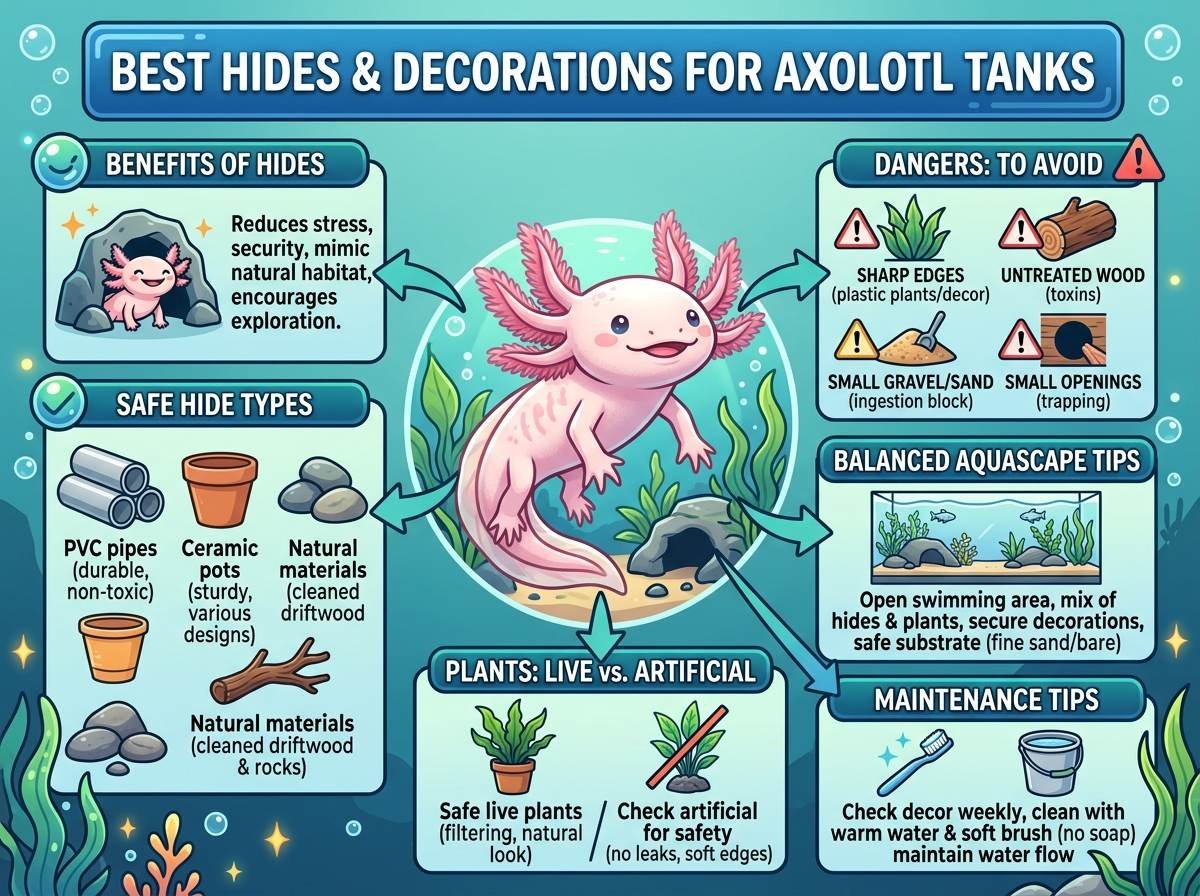
Creating a suitable environment for axolotls involves more than just ensuring clean water and adequate temperature; it also requires thoughtful consideration of their need for security and comfort. One of the most effective ways to achieve this is by incorporating hides into the tank setup. Hides can come in various forms, such as caves, tunnels, or live plants, and serve as a refuge for axolotls to retreat to when they feel threatened or stressed.
Providing hides is crucial as it helps to replicate the natural habitat of axolotls, which often includes plenty of hiding spots among rocks and vegetation. This mimicry is essential not only for their psychological health but also for their overall welfare. Stress in axolotls can arise from various factors, including inadequate hiding places or high activity levels within the tank. When these animals have access to hides, they can engage in their instinctual behavior of hiding, helping to alleviate stress and anxiety.
Additionally, the presence of hides promotes natural behaviors such as exploration and foraging. Axolotls are naturally curious creatures, and interactions with their environment can lead to improved physical health and mental stimulation. By providing a safe space for them to explore, owners can foster a more enriching environment that supports the axolotl’s behavioral needs. Studies show that enrichment can lead to increased activity levels, reduced aggression, and a more vibrant and interactive organism.
Moreover, the psychological benefits of hides cannot be overstated. A well-decorated tank with adequate hiding spots can significantly enhance the axolotl’s sense of security, leading to improved appetite and overall health. When in distress, axolotls may stop eating, impacting their growth and vitality. Thus, the strategic placement of hides should be considered an essential component of every axolotl tank setup.
Types of Safe Hides for Axolotls
Providing adequate hiding spaces is crucial for the well-being of axolotls, as it allows them to feel secure in their environment. There are several types of materials that can be used to create safe hides for axolotls, each offering distinct benefits.
PVC is a popular choice for crafting hides. It is easily available, affordable, and durable. PVC hides can be shaped into various forms, such as tubes or caves, which mimics natural hiding spots found in their native habitats. Being non-toxic, PVC ensures that the axolotls are not exposed to harmful chemicals. It is also easy to clean and does not leach substances into the water, making it a viable option for both beginners and experienced aquarists.
Ceramic pots are another excellent choice for axolotl tank decorations. They come in various designs, sizes, and colors, allowing for aesthetic versatility. Ceramic hides not only provide security for axolotls but are also sturdy and less likely to tip over, ensuring a safe environment. When selecting ceramic items, it is important to avoid those with harmful glazes or decorations, as these could release toxic substances. Always choose unglazed or safely treated ceramic pots.
Natural materials can also be used to enhance the tank decor. For instance, driftwood and rocks can serve as hides, providing a natural look while fulfilling the hiding requirement for your axolotls. Make sure any natural items are thoroughly cleaned, boiled, or soaked to remove contaminants and potential parasites before introducing them to the tank. It is crucial to select items that will not alter the water chemistry or leach harmful substances.
In conclusion, incorporating a variety of safe hiding places such as PVC, ceramic, and carefully selected natural materials can create a comfortable and enriching environment for axolotls. Each material not only serves a functional purpose but also adds visual interest to the aquascape.
Common Decorations to Avoid
When setting up an axolotl tank, it is essential to be cautious about the decorations you choose. Some materials and designs can pose significant risks to the health and wellbeing of these unique aquatic creatures. Understanding what to avoid can help create a safe and enriching environment for your axolotls.
One of the primary concerns is the selection of decorations made from harmful materials. For instance, plastic ornaments can be tempting due to their vibrant colors and various designs. However, many plastic items can leach harmful chemicals into the water or have sharp edges that may injure an axolotl. Therefore, it is crucial to opt for decorations specifically labeled as safe for aquatic environments.
Another decoration type to steer clear of is natural driftwood, particularly if it has not been properly treated. Uncooked or untreated wood can introduce toxins into the water, which can be detrimental to axolotls. Additionally, for ornamental rocks, it is important to avoid those that crumble easily or contain limestone, as these can alter the pH levels of the tank.
Sand or gravel substrate, while popular in many setups, can also be problematic. Axolotls are known to ingest these materials while scavenging, leading to potential intestinal blockages. Instead, consider using a bare bottom tank or a fine substrate designed specifically for axolotls, which minimizes the risk of ingestion.
Finally, avoid any decorations that have small openings or intricate designs where axolotls could become trapped. Elements like castles, caves, or other structures should be smooth and spacious, ensuring that these creatures can move freely without the risk of injury. By carefully selecting decorations and understanding the materials involved, aquarists can create a thriving and safe habitat for their axolotls.
Creating a Balanced Aquascape
When it comes to aquascaping for axolotls, the goal is to create a balanced environment that merges aesthetics with practicality. An ideal setup not only captivates the eye but also addresses the unique needs of these aquatic creatures. To achieve this balance, it is essential to incorporate various elements such as hides, plants, and decorations.
Hiding spots are crucial for axolotls, offering them refuge and reducing stress. In aquascaping, you can achieve this by using a combination of natural and artificial hides. Terracotta pots, driftwood, and rock formations can create appealing nooks for axolotls to explore or retreat to when needed. Each of these options can seamlessly blend into the overall design, thereby enhancing the tank’s visual appeal while serving a critical purpose.
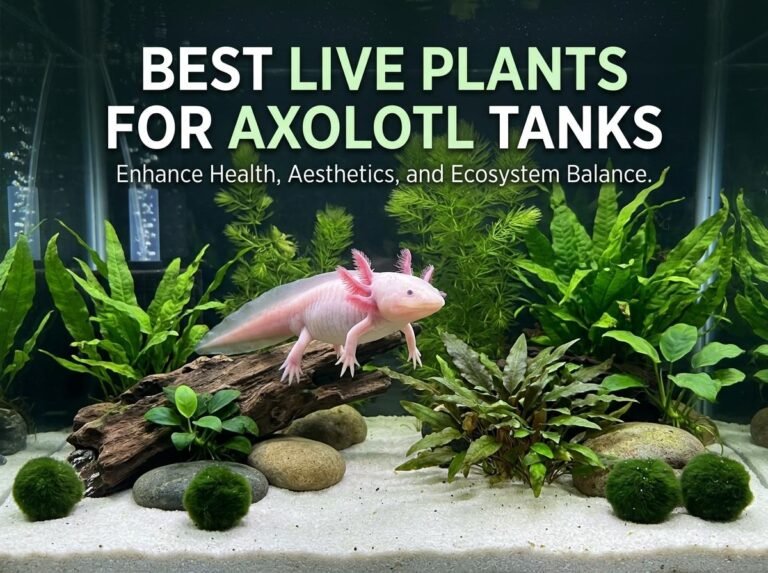
In addition to hiding spots, adding live or artificial plants is vital for creating a vibrant aquascape. Plants not only contribute oxygen to the aquarium but also provide additional shelter and shade. When selecting plants, consider the size and growth habits, ensuring they thrive in the same conditions as the axolotl. The integration of low-maintenance plants, such as Anubias or Java fern, can help maintain an attractive display without excessive upkeep. These plants can be strategically placed to support both the aesthetic and functional aspects of the setup.
Decorations also play a significant role in the aquascape. However, it is important to choose items that are safe for axolotls, avoiding any decorations with sharp edges or harmful materials. Smooth stones and resin-based ornaments can add character to the tank while keeping your axolotls safe. Furthermore, the colors and textures of your chosen decorations will contribute to a cohesive look, enhancing the overall environment.
Creating a balanced aquascape for your axolotl tank involves thoughtful combinations of hides, plants, and decorations. Each component must not only be aesthetically pleasing but also cater to the safety and welfare of the axolotl. Through careful planning and selection of the right materials and elements, you can craft a captivating and functional habitat for these unique creatures.
Live vs. Artificial Plants in Axolotl Tanks
When designing an axolotl tank, the selection between live and artificial plants is crucial, as each option has distinct advantages and disadvantages. Understanding these can aid axolotl owners in creating a healthy and visually appealing environment for their pets.
Live plants provide numerous benefits, including oxygenation of the water and the natural filtration they offer. As these plants grow and photosynthesize, they contribute to the overall water quality and help mitigate harmful compounds, such as nitrates. Moreover, live plants can enhance the aesthetic appeal of the tank, offering a more vibrant and natural habitat for the axolotl. Species such as Java Fern and Anubias are popular within the axolotl community due to their resilience and compatibility with the aquatic environment.
However, maintaining live plants requires additional care and attention. These plants may demand specific lighting conditions, nutrient levels, and regular maintenance, including pruning and removing decaying leaves. Additionally, certain plants can be easily uprooted or damaged by the activities of axolotls, who are known for their inquisitive nature and digging behavior.
In contrast, artificial decorations present a more low-maintenance alternative. These items, often made from plastic or resin, do not require light or nutrients, making them ideal for aquarists who prefer a hands-off approach. Artificial plants are durable and can withstand the movements of the axolotl without wilting or decay. Furthermore, they come in various shapes and colors, allowing for a customized tank layout.
Nevertheless, artificial plants may not provide the same environmental benefits as live plants. They do not contribute to oxygenation or filtration and can, in some cases, harbor algae or bacteria if not properly cleaned. Owners should ensure that any artificial decorations are specifically designed for aquariums to avoid leaching harmful chemicals into the water.
Ultimately, the choice between live and artificial plants in axolotl tanks depends on the owner’s lifestyle, preferences, and the specific needs of their axolotl. By weighing the pros and cons thoughtfully, owners can make informed decisions that will enhance the quality of life for their beloved pets.
Adjusting Decorations for Young Axolotls
Juvenile axolotls have distinct needs compared to their adult counterparts, particularly when it comes to their habitat and the decorations within their tanks. These young creatures are not only smaller in size but also exhibit different behavioral traits that necessitate careful consideration of the tank environment.
Firstly, the size of decorations plays a critical role in ensuring the safety and welfare of juvenile axolotls. Unlike adult axolotls, which can handle larger items, decorations in a juvenile’s tank should be appropriately scaled down. This size adjustment prevents the risk of injury or entrapment, as smaller axolotls are more susceptible to harm from oversized decor.
Moreover, the materials used for tank decorations must be scrutinized. Juvenile axolotls are known to be curious and may nibble on items in their surroundings. Therefore, using non-toxic, smooth surfaces is essential. Decorations made from natural elements, such as untreated wood or specific types of rocks that are safe for aquatic environments, can provide enrichment without compromising the safety of juvenile axolotls.
In addition, creating hiding spots is crucial for juvenile axolotls. These young amphibians may feel vulnerable in open spaces, making it important to incorporate decorations that offer refuge. Hiding spots such as caves, tunnels, or dense plant arrangements not only provide security but also promote natural behaviors such as resting and exploring.
Furthermore, the arrangement of tank decorations can impact the growth and overall health of juvenile axolotls. Providing open swimming areas alongside well-placed decor can facilitate movement while encouraging active engagement with their environment. This balance between open space and hiding areas will help to create a stimulating and secure habitat for young axolotls.
In conclusion, when adjusting decorations for juvenile axolotls, it is essential to consider their size, safety, and behavioral needs. With the right decor, you can ensure an enriching environment that promotes healthy growth and well-being for these unique aquatic creatures.
Maintenance Tips for Tank Decor
Maintaining the decorations and hides in your axolotl tank is crucial for preventing algae buildup and ensuring a healthy environment for these fascinating creatures. Regular cleaning practices not only enhance the aesthetics of the tank but also promote the wellbeing of your axolotl.
One of the primary recommendations is to regularly inspect and clean all tank decorations. This includes rocks, plants, and hiding places, which can accumulate debris and algae over time. To clean these items properly, first, remove them from the tank and rinse them with warm water. Avoid using soap or chemical cleaners, as these can leave harmful residues and adversely affect your axolotl. Brushing decorations with a soft toothbrush can effectively remove algae without damaging the surfaces.
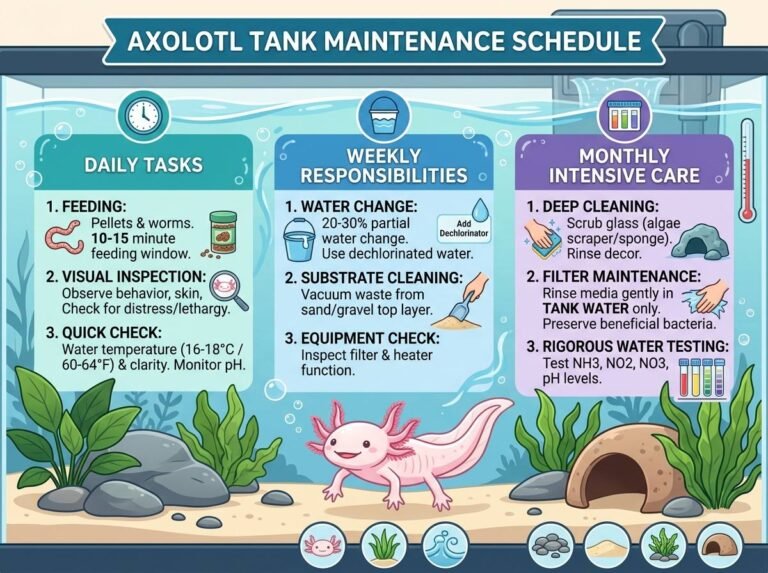
In addition to cleaning the decorations themselves, it is essential to monitor water parameters closely. Excess nutrients in the water can lead to frequent algae outbreaks. Therefore, performing regular water changes—approximately 20-30% weekly—can help maintain water quality and reduce algae growth. Keeping the tank’s water temperature stable and within the recommended range for axolotls will also minimize stress and prevent conditions conducive to algae proliferation.
Furthermore, consider the placement of decorations as a part of your maintenance strategy. Decorations that provide ample hiding spaces for your axolotl are beneficial; however, they should not be placed too close to one another, as this can lead to stagnation of water and promote algae formation. Instead, arrange them so that water can circulate freely around them, which aids in maintaining overall tank hygiene.
Lastly, be mindful of the type of plants and decorations used in the tank. Opt for materials that are less likely to trap debris and resist algae growth. Plastic plants and decorations should be inspected regularly and cleaned or replaced if they become excessively dirty. By implementing these maintenance tips, you can ensure that your axolotl tank remains clean and creates a safe, enriching habitat for your aquatic pet.
Personal Experiences and Recommendations
Amanda Williams has dedicated significant time to the care and setup of axolotl habitats, providing her with valuable insights and experiences that can greatly assist both novice and veteran aquarists alike. Through her hands-on engagement and observations, she has discovered a variety of hides and decorations that not only enhance the visual appeal of the tank but also create a safe environment for these unique aquatic creatures.
One of Amanda’s key recommendations is the use of ceramic or resin decorations. Unlike plastic items, which may leach harmful chemicals into the water, ceramic pieces offer durability and safety, making them ideal for axolotl tanks. She particularly likes using caves and tunnels that provide ample hiding spots, as this mimics the natural environment of axolotls, giving them a sense of security.
Amanda shares an anecdote about her first tank setup, where she used a large ceramic snail shell. Initially, it was purely decorative, but her axolotl quickly adopted it as a favorite retreat. This experience reinforced her belief in choosing ornaments that are not only aesthetically pleasing but also serve a functional purpose. She emphasizes the importance of ensuring that any decorative items have smooth surfaces and no sharp edges, as axolotls, with their delicate skin, can be easily injured.
Another favorite among her recommendations is using natural decorations, such as driftwood or large smooth stones. Natural elements not only provide essential hides but also enhance the tank’s ecosystem by promoting beneficial bacteria, which can help maintain water quality. Amanda advises rinsing any natural components thoroughly to eliminate any potential contaminants before introducing them into the tank.
Throughout her journey, Amanda has focused on ensuring that her axolotls feel at home, and she encourages others to prioritize the comfort and safety of these remarkable animals when decorating their tanks. By incorporating well-thought-out hides and decorations, aquarists can create both a beautiful and functional habitat that supports the health and happiness of their axolotls.