
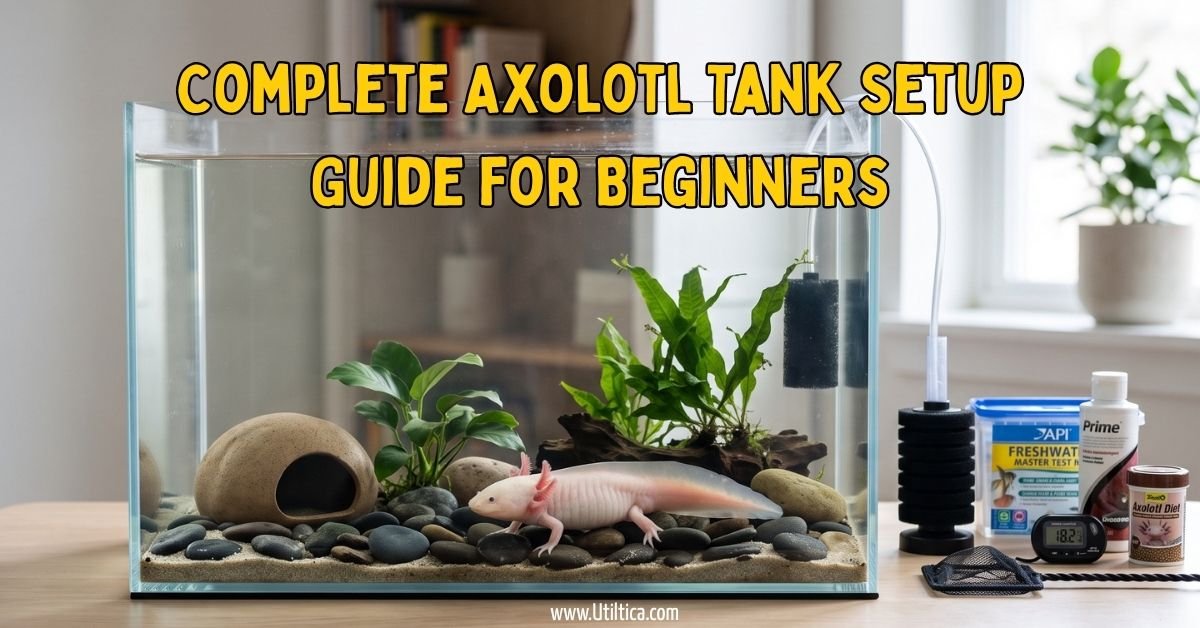
Here is a complete axolotl tank setup guide for beginners. Learn about tank size, substrate, filtration, and cycling based on real hands-on experience.
Understanding the Needs of your Axolotl
Axolotls are unique aquatic creatures that require specific conditions to thrive. To ensure the health and well-being of your axolotl, understanding their basic habitat requirements is essential. A well-maintained environment contributes significantly to their growth, behavior, and overall quality of life.
First and foremost, axolotls need a suitable habitat that mimics their natural environment. A tank with a minimum volume of 20 gallons is highly recommended to provide ample space for swimming and exploring. The tank should be equipped with a secure lid since these amphibians can jump, and a filtration system to maintain clean water. The use of smooth substrate is advisable as sharp materials can injure their delicate bodies.
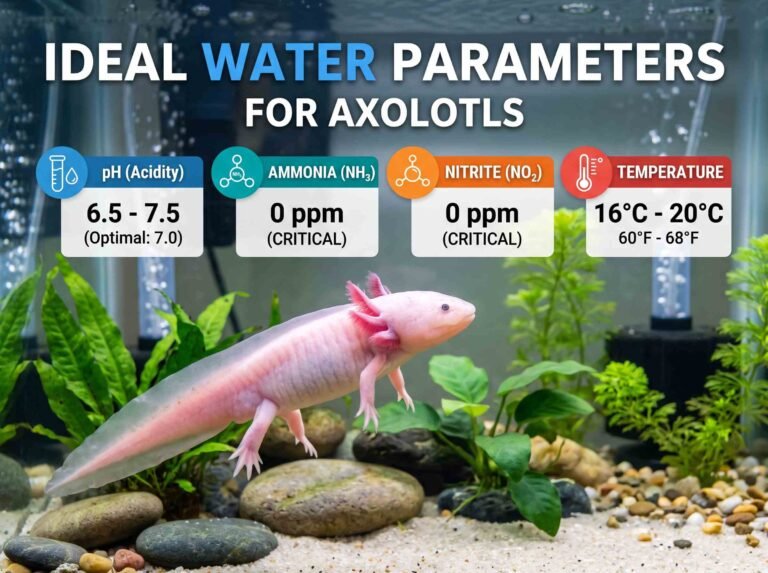
Water quality plays a crucial role in the health of axolotls. They are sensitive to water parameters, so it is vital to monitor ammonia, nitrite, and nitrate levels. Ideally, the ammonia and nitrite levels should be at 0 ppm, while nitrate should be kept below 20 ppm. Regular water changes are necessary to keep the aquatic environment stable and healthy. Additionally, the water temperature should be maintained between 60°F to 68°F (16°C to 20°C), as temperatures above 72°F (22°C) can lead to stress and health issues.
Incorporating appropriate decorations, such as plants or hiding spots, is also beneficial for an axolotl’s well-being. Providing these features reduces stress and allows them to exhibit natural behaviors. It is equally important to regulate lighting, as excessive brightness can make axolotls uncomfortable. A dimly lit tank is often perceived as most suitable for these nocturnal creatures.
In conclusion, ensuring that your axolotl’s habitat meets their specific needs regarding size, water quality, temperature, and decor will create a thriving environment for them. By adhering to these guidelines, you can contribute to the long-term health and happiness of your axolotl.
Choosing the Right Tank Size and Material
When setting up an axolotl tank, selecting the appropriate size and material is critical to ensure the health and well-being of these unique aquatic creatures. Axolotls experience significant growth, and understanding their size requirements at different life stages will help in choosing the right tank. A common recommendation for juvenile axolotls is a tank size of at least 20 gallons. As axolotls grow, particularly when they reach adulthood, a larger tank of 40 gallons or more is advisable. This size not only provides ample space for swimming but also contributes to better water quality and stability.
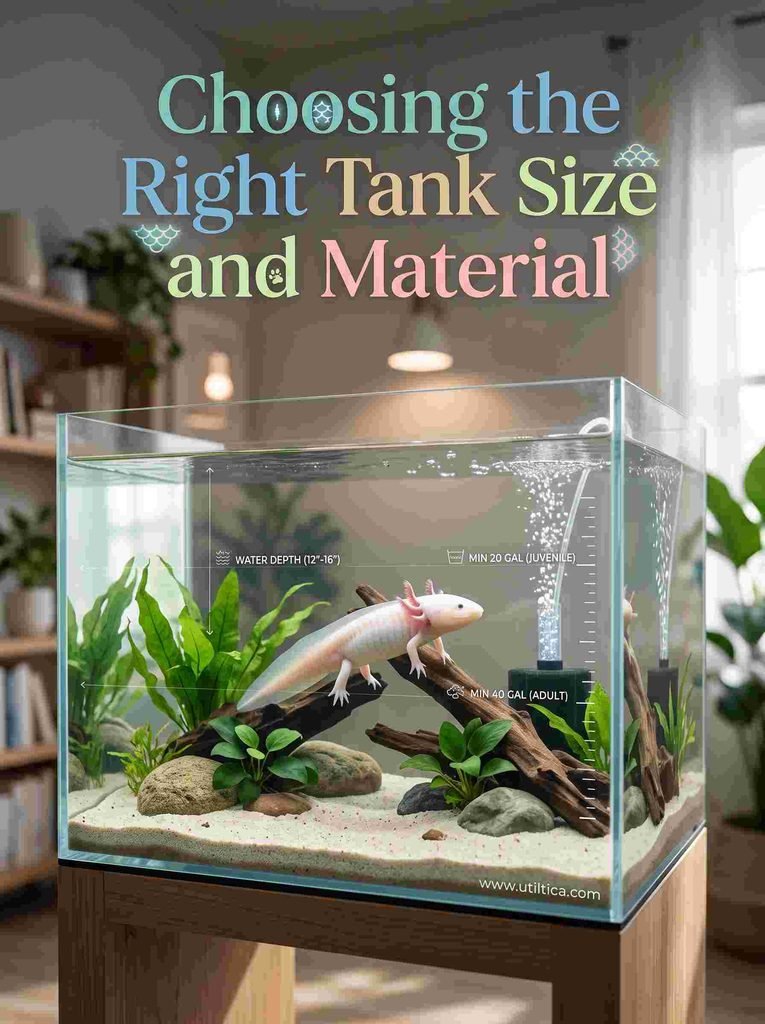
The material of the tank can also influence the environment of the axolotl. Glass tanks are the most popular choice due to their durability and ease of maintenance, making them ideal for beginners. Acrylic tanks, while lighter and less prone to breaking, can scratch more easily than glass. Hence, they might require more careful handling. Regardless of material, ensure that the tank has a flat bottom, which is essential for placement of substrate and decorations that provide hiding spots for axolotls.
Furthermore, two key factors when considering axolotl tanks are water depth and surface area. Deeper tanks are preferred, as axolotls naturally dwell in deeper water in their native habitat. A depth of around 12 to 16 inches is generally recommended. Surface area is equally important, as it allows for a greater oxygen exchange, which is vital for the health of the axolotl. The addition of filtration systems can also enhance water quality and reduce waste buildup, further ensuring a conducive environment for your pet.
Essential Equipment for Your Axolotl Tank
Setting up a suitable environment for axolotls requires a selection of essential equipment to ensure their health and well-being. This fascinating aquatic species thrives best in conditions that mimic their natural habitat, necessitating the right tools and accessories to help achieve this.
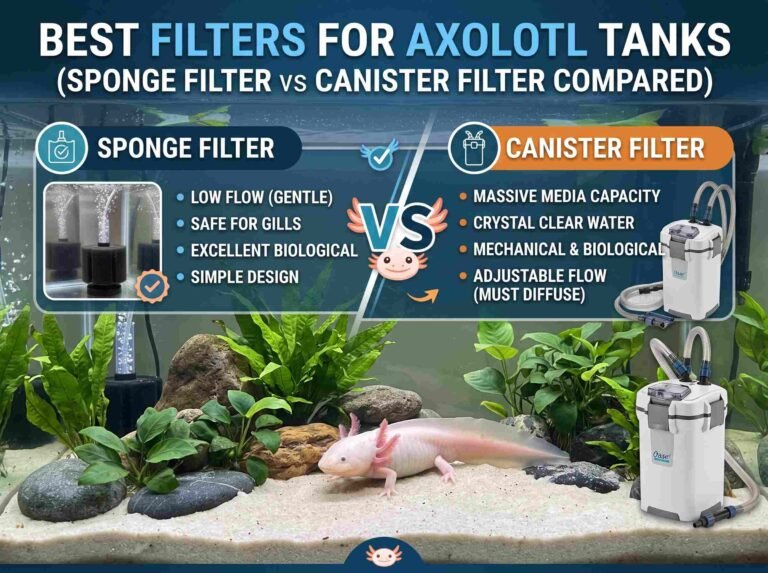
One of the most critical pieces of equipment is a quality aquarium filter. Axolotls produce a significant amount of waste, thus a robust filtration system is necessary to maintain water quality and clarity. A filter rated for at least double the tank volume is advisable to ensure efficient waste management and prevent toxic build-up. When selecting a filter, consider one that offers adjustable flow rates, as axolotls prefer calmer waters.
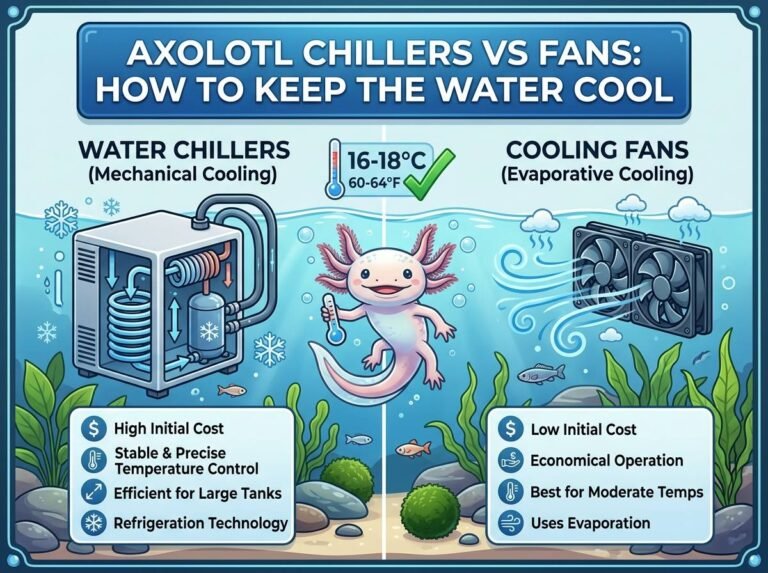
In addition to filtration, maintaining a stable water temperature is vital, particularly as axolotls are sensitive to extreme fluctuations. Therefore, in regions where temperatures fluctuate excessively, a heater might be necessary. However, be cautious with heaters; it is crucial to choose one that cannot overheat the tank water, as axolotls thrive at cooler temperatures ranging from 16 to 20 degrees Celsius (60 to 68 degrees Fahrenheit).
Lighting should be subdued to model their natural environment, where light levels are typically lower. Consider using low-intensity LED lights or placing a canopy to diffuse the light within the tank. Excessive lighting can lead to algae growth, which is undesirable in an axolotl tank.
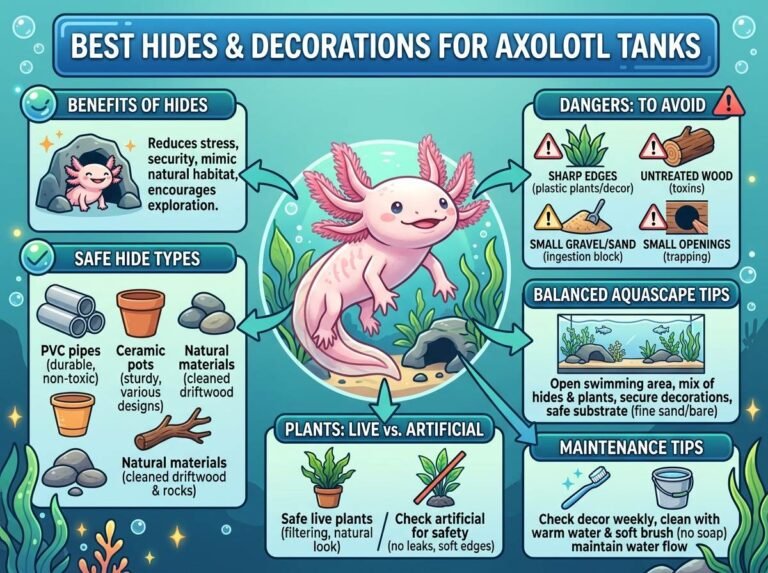
Decorations play a double role in providing aesthetic appeal and creating hiding spots, crucial for a creature known for its timid nature. Smooth rocks, plants, and tunnels not only enhance the decor but also offer security for your axolotl. Be mindful to select items without sharp edges that could harm your aquatic pet.
By carefully selecting the right equipment, you can create a healthy and enriching environment for your axolotl, setting the stage for a thriving aquarium experience.
Creating Optimal Water Conditions
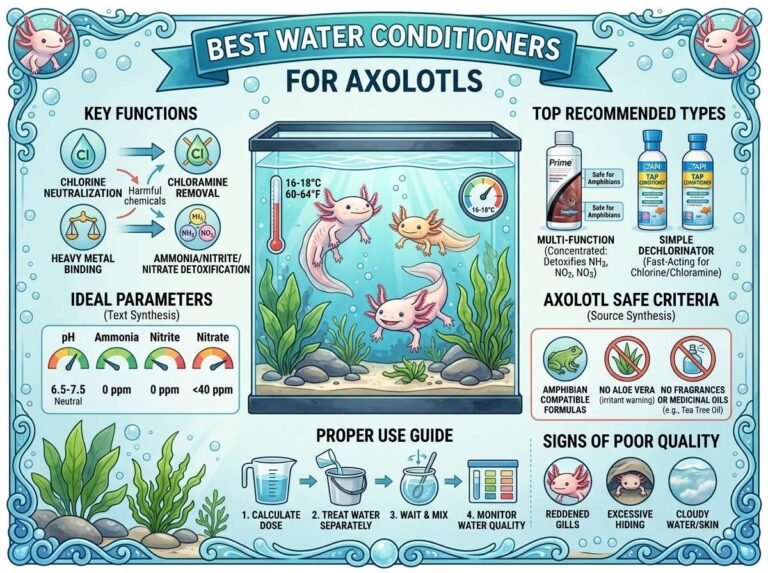
Establishing the ideal water conditions is crucial for the health and well-being of axolotls. These aquatic animals are sensitive to their environment, making water parameters a fundamental aspect of tank setup. The first factor to consider is the pH level of the water. Ideally, axolotls thrive in a pH range of 6.5 to 8.0. It is advisable to regularly test the pH using liquid test kits to ensure that levels remain stable, as fluctuations can lead to stress or health issues for the animals.
Another critical element is water hardness. Axolotls prefer moderate water hardness, typically between 5 to 20 degrees of General Hardness (dGH). This range helps maintain the integrity of their biological processes. To achieve the desired hardness, one can use commercially available remineralization products or prepare the water using a combination of tap water and specific filtration methods. Additionally, understanding the specific mineral composition of your water source can assist you in maintaining optimal conditions.
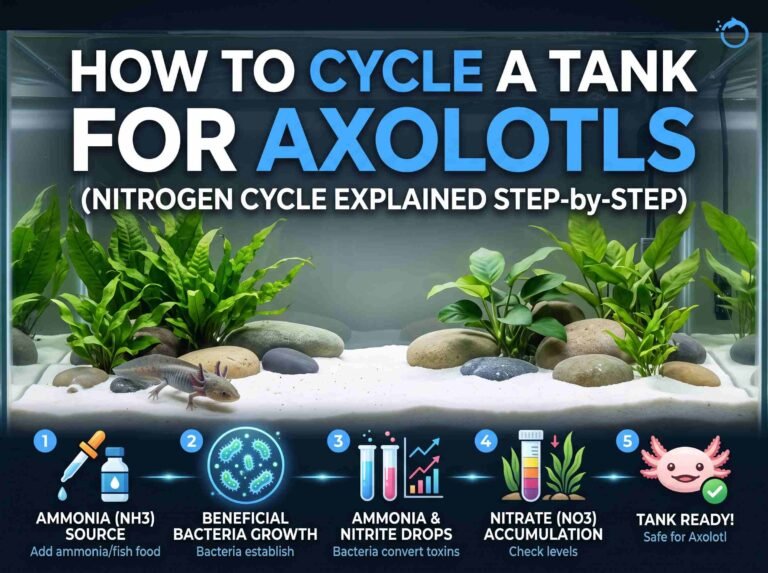
The nitrogen cycle is also a fundamental part of maintaining a healthy axolotl tank. A fully cycled aquarium will have established beneficial bacteria that convert harmful ammonia into nitrites and then into less harmful nitrates. This cycling process usually takes several weeks. During this time, regular monitoring of ammonia, nitrite, and nitrate levels is essential. Water conditioners designed to detoxify harmful substances can help accelerate the cycling process and ensure safe living conditions.
Finally, regular maintenance practices play a vital role in sustaining good water conditions. This includes performing partial water changes, typically around 20-30%, weekly to keep the nitrate levels low and maintain overall water quality. Utilizing a high-quality aquarium filter will help in the removal of waste products and contribute to a stable environment. By adhering to these water conditions and maintenance practices, axolotls can thrive in a well-cared-for tank.
Selecting Suitable Substrate for Your Axolotl
When setting up an axolotl tank, one of the key decisions involves selecting the appropriate substrate. The substrate not only plays a crucial role in the aesthetic value of the aquarium but also impacts the overall health and well-being of the axolotls. There are primarily two substrate options that aquarists consider: sand and bare-bottom tanks. Each type of substrate has its unique advantages and disadvantages, which must be weighed carefully to ensure a suitable environment for axolotls.
Sand is a popular choice among aquarists due to its natural look and ability to provide a comfortable habitat for axolotls. One of the main benefits of using sand is that it allows axolotls to burrow, which can mimic their natural behavior and mitigate stress. Additionally, sand can help to maintain healthy water parameters by promoting beneficial bacteria colonies essential for nitrogen cycling. However, it is necessary to select fine-grade aquarium sand to prevent ingestion, which can lead to health issues for the axolotl.
On the other hand, a bare-bottom tank presents an alternative that is easier to clean and maintain. With no substrate to accumulate debris, tank maintenance becomes more straightforward, which can be particularly beneficial for beginners. Furthermore, a bare bottom can help in monitoring the axolotl’s behavior and ensuring that they are free from any substrate-related complications. However, this setup may lack the natural aesthetic that many aquarists desire, and it does not provide a burrowing option for the axolotls.
Ultimately, the choice of substrate should align with your personal preferences and the specific needs of your axolotl. It is crucial to ensure that whichever substrate is chosen, it is safe for the axolotl and supports their overall health. Evaluating the pros and cons of each substrate option is essential in providing a thriving home for your aquatic pet.
Adding Plants and Decorations Safely
When setting up an axolotl tank, it is essential to incorporate plants and decorations that promote a safe and enriching environment. Axolotls are curious creatures, and their habitat should reflect their natural surroundings while ensuring their health and safety. Aquatic plants can serve several purposes, such as providing shelter, enhancing water quality, and contributing to the overall aesthetic of the tank.
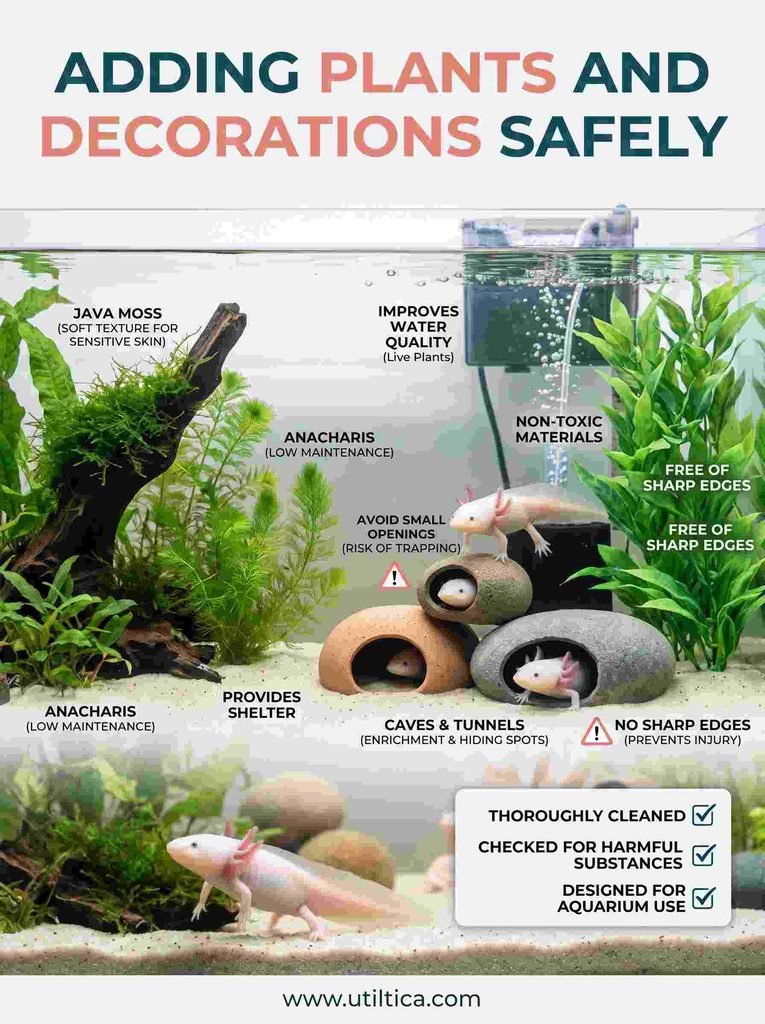
Both live and artificial plants can be used in an axolotl tank. When selecting live plants, consider varieties that are low-maintenance and have soft textures, as rough leaves can injure sensitive axolotl skin. Suitable choices include Java moss, anacharis, and hornwort. These plants not only thrive in the cooler waters preferred by axolotls but also help to absorb excess nutrients, thereby maintaining water quality. Furthermore, they provide hiding spots and reduce stress for the axolotls, making them feel secure in their environment.
On the other hand, artificial plants can also be a practical option. When choosing artificial decorations, it is crucial to select those specifically designed for aquarium use. These plants should be free of sharp edges and made from non-toxic materials to prevent any injury. Decorating with artificial plants allows for more flexibility in design and can also offer a variety of colors that enhance the tank’s appearance.
In addition to plants, incorporating decorations such as ceramic caves or tunnels can provide enrichment and hiding spots for axolotls. However, it is vital to avoid decorations with small openings where an axolotl can become trapped. Any decor should be thoroughly cleaned and checked for any harmful substances before adding it to the tank.
Ultimately, creating a visually appealing yet safe habitat for axolotls involves careful selection of plants and decorations. This ensures the wellbeing of these unique aquatic creatures while contributing to the overall beauty of the aquarium.
Acclimating Your Axolotl to Their New Home
Acclimating a new axolotl to its environment is a crucial step in ensuring that it transitions smoothly into its new home. Proper acclimation helps to minimize stress and health risks. The process involves several important steps to ensure the delicate amphibian adapts well to the tank conditions.
Initially, it is essential to prepare the tank in advance. The tank should be set up with appropriate water conditions, including the right temperature, pH levels, and ammonia levels, which are crucial for an axolotl’s health. Consider using a water conditioner to remove harmful chemicals such as chlorine and heavy metals. Additionally, the tank should be equipped with a filtration system, as axolotls produce waste that can quickly pollute the water. Ensure that the tank is cycled before introducing the axolotl, as this will help establish beneficial bacteria that can manage waste products.
Upon receiving your axolotl, allow its transport bag to float on the surface of the aquarium for approximately 15 to 20 minutes. This step helps the axolotl acclimatize to the water temperature of the tank. During this time, you should avoid opening the bag to prevent any water from the tank mixing with the transport water, which might contain harmful substances.
After the initial floating period, gradually introduce the tank water into the bag. This can be done by slowly adding small amounts of tank water every few minutes. Continue this process for about 45 minutes to an hour. By the end, the axolotl will be more accustomed to the tank’s water conditions. Once the acclimation process is complete, gently transfer your axolotl into the tank using a net to prevent any potential stress from handling it directly.
Monitor your axolotl closely after introduction. Look for signs of stress or illness, such as erratic swimming or a lack of appetite. It’s important to allow the axolotl some time to adjust to its new environment, as it may take several days for it to feel secure in its new home. Taking these acclimation steps ensures a healthy and successful transition for your axolotl.
Common Mistakes to Avoid When Setting Up Your Axolotl Tank
The journey of setting up an axolotl tank can be fulfilling, yet beginners often encounter various pitfalls that may jeopardize the health of their pets. One of the most common mistakes is overstocking the tank, which can lead to poor water quality and increased stress among the axolotls. A single axolotl requires at least 20 gallons of water, and adding more can lead to cramped living conditions. It is crucial to adhere to proper stocking guidelines to maintain a peaceful environment.
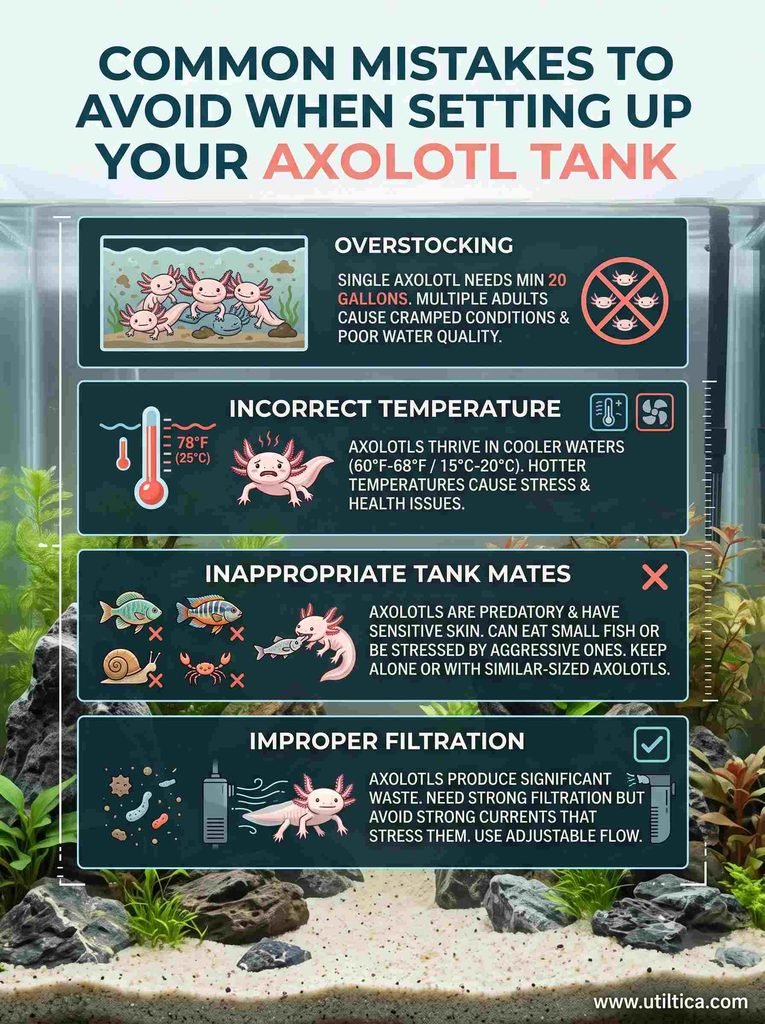
Another significant concern is maintaining the correct temperature within the tank. Axolotls thrive in cooler waters ranging from 60°F to 68°F (15°C to 20°C). Temperatures above this range can cause stress and even lead to health issues. Investing in a reliable thermometer and monitoring the water temperature regularly can help prevent these temperature-related problems.
Choosing inappropriate tank mates is a common error that can have dire consequences. Axolotls are not suitable for all types of fish or invertebrates due to their predatory nature and sensitive skin. It is recommended to keep axolotls either alone or with other axolotls of similar size to avoid predation or unnecessary stress. Careful consideration should be given to their compatibility with tank mates, ensuring a harmonious environment.
In addition to these primary concerns, ignoring the importance of proper filtration is another mistake often made by beginners. Axolotls produce a significant amount of waste, necessitating a strong filtration system to keep the water clean without creating strong currents that can stress the animals. A filter with adjustable flow rates can serve this purpose effectively.
Learning to avoid these common errors is vital for the successful establishment of an axolotl tank. By being aware of these pitfalls and taking appropriate measures, first-time owners can create a stable and suitable environment for their new pets, promoting their overall health and wellbeing.
Final Tips and Ongoing Care for Your Axolotl Tank
Setting up an axolotl tank is only the first step in ensuring a thriving environment for your pet. Regular maintenance and attentive care are essential for the long-term health of your axolotl. One of the primary aspects of maintenance is monitoring water quality. Axolotls are sensitive to changes in their aquatic environment, so it is crucial to regularly test parameters such as ammonia, nitrite, nitrate, and pH levels. Ideally, ammonia and nitrite levels should remain at zero, while nitrate should be kept below 20 ppm.
Feeding is another vital component of axolotl care. Axolotls are carnivorous, requiring a diet rich in protein. Common options include specially formulated pellets, brine shrimp, and earthworms. It is important to feed them appropriately sized portions, ensuring they are consuming the food within a few minutes to prevent debris accumulation that can alter water parameters.
Tank cleaning and upkeep cannot be overlooked either. Regular water changes—about 20-30% weekly—help maintain water quality and remove toxins that accumulate over time. Cleaning the substrate and decorations within the tank helps minimize waste buildup. When cleaning the tank, avoid using harsh chemicals or soaps, as these can be harmful to your axolotl. Instead, use warm water and a safe scrub brush to clean the tank. Additionally, when performing maintenance, always ensure that the water temperature and other parameters are stable before introducing any changes.
Conducting routine health checks is essential for early detection of potential issues. Look for signs of stress, such as unusual swimming patterns, changes in appetite, or physical abnormalities like lesions or discoloration. Should you notice any concerning symptoms, consulting a veterinarian familiar with amphibians is advisable.
By following these ongoing care tips and committing to regular maintenance, you can create a safe and healthy habitat that enables your axolotl to thrive for years to come.

Hi, this is a comment.
To get started with moderating, editing, and deleting comments, please visit the Comments screen in the dashboard.
Commenter avatars come from Gravatar.