Maintaining optimal water quality is crucial for the health and well-being of axolotls. These aquatic animals are particularly sensitive to poor water conditions, which can lead to a variety of health problems, including stress and susceptibility to diseases. Therefore, understanding the significance of water quality parameters is essential for every axolotl owner.
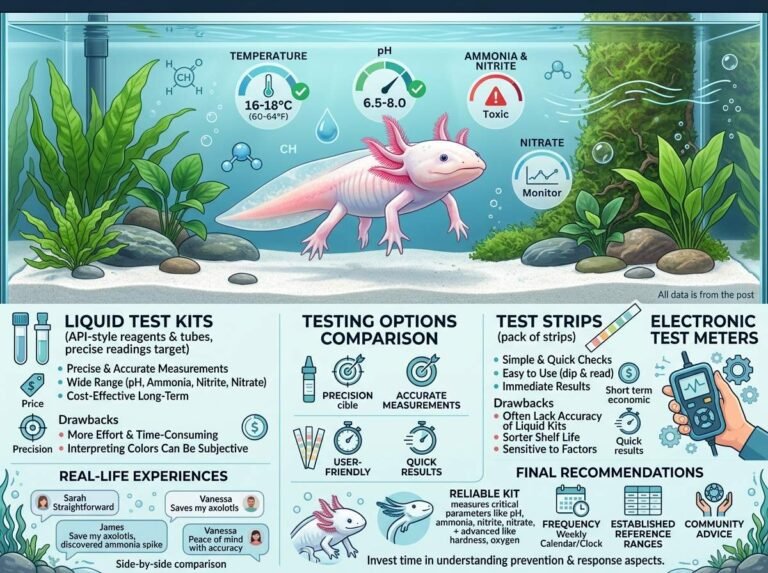
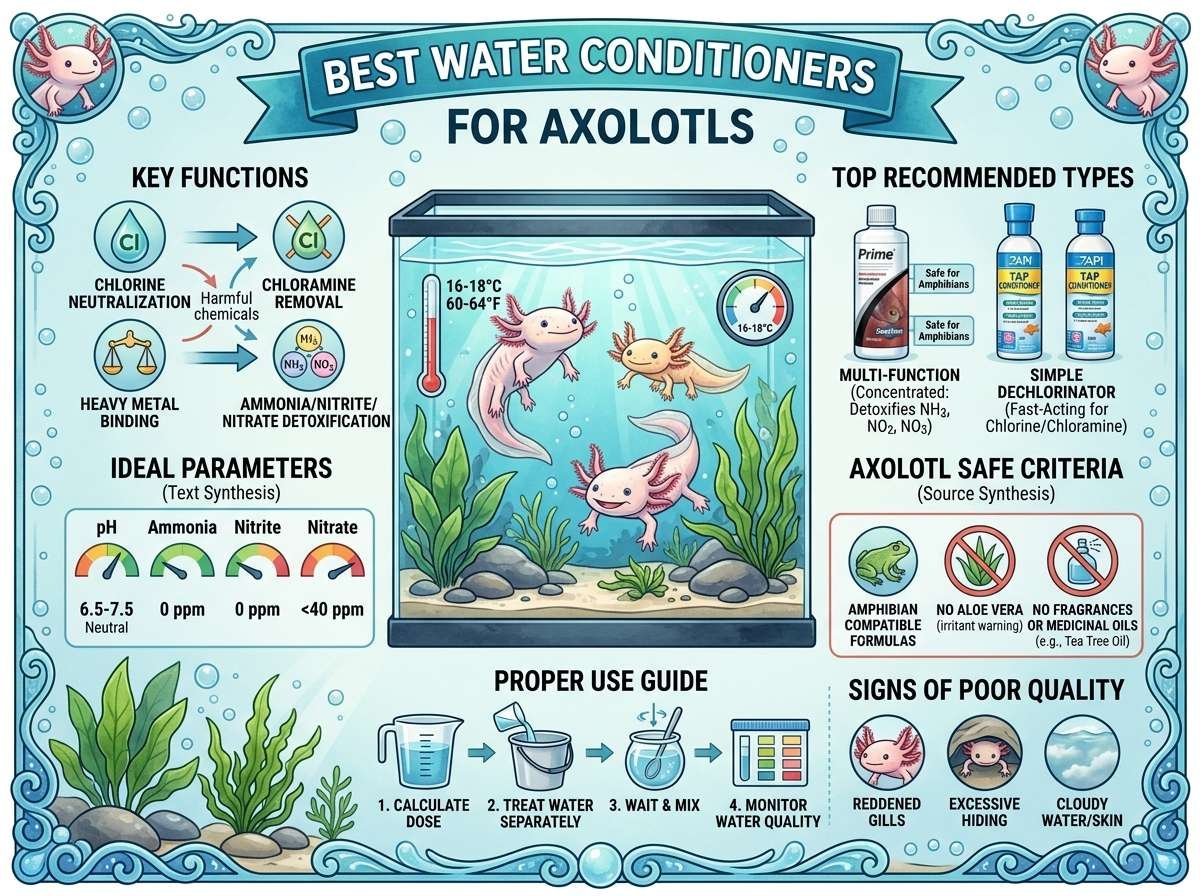
Key factors to monitor include pH, ammonia, nitrites, and nitrates. The pH level is an important measure of water acidity or alkalinity and should ideally be maintained between 6.5 to 7.5 for axolotls. Extreme variations in pH can lead to severe stress for these creatures, affecting their overall health. Regularly testing the pH level is advisable to ensure it remains within the safe range.
Ammonia is another critical parameter, as it is toxic to axolotls even at low concentrations. It is primarily produced from decaying organic matter and fish waste. Keeping ammonia levels at zero through regular water changes and the use of filters specifically designed for aquariums is essential for preventing toxicity. Similarly, nitrites, which can accumulate in the aquarium, are also harmful and should be kept at levels close to zero.
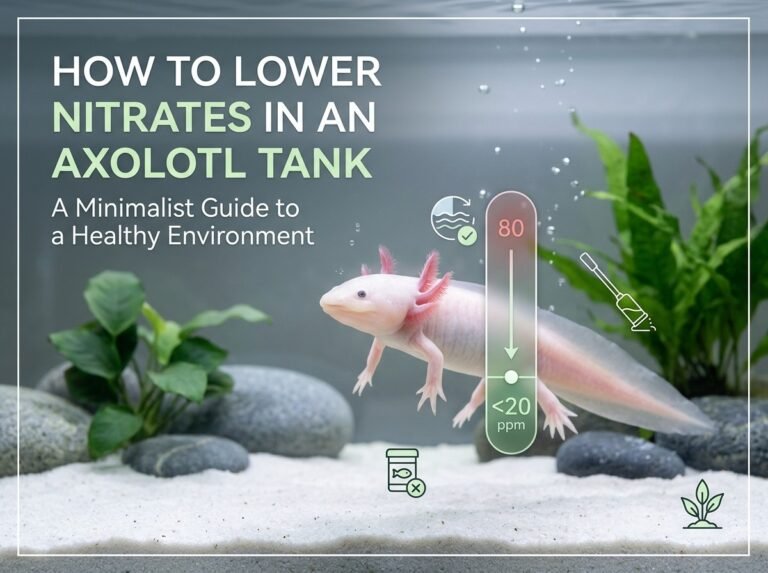
Nitrates, while less harmful than ammonia and nitrites, can still impact water quality when present in high concentrations. Ideally, nitrates should be kept below 40 parts per million. Regular water changes, along with the introduction of live plants, can help manage nitrate levels effectively. Ensuring the right water conditions is more than just a routine check; it is vital for the thriving life of axolotls.
What Are Water Conditioners?
Water conditioners are specialized products designed to improve the quality of tap water for aquatic creatures, including axolotls. The primary purpose of these conditioners is to neutralize harmful substances such as chlorine, chloramines, and heavy metals that are commonly present in municipal water supplies. When tap water is utilized in aquatic environments without treatment, it can pose a significant threat to the health of axolotls, leading to stress and, in severe cases, mortality.
Typically, water conditioners function by chemically binding to these harmful agents, rendering them harmless to aquatic life. For example, many conditioners contain dechlorinating agents that effectively detoxify chlorine and chloramines, making them safe for axolotls and other aquatic inhabitants. Additionally, some products also provide beneficial substances like conditioning agents that can help in establishing a safer and healthier environment for these creatures.
It is essential to clarify some common misconceptions surrounding the use of water conditioners. One prevalent myth is that all conditioners are created equal and can be used interchangeably for different aquatic species. However, axolotls have specific needs that may not be adequately met by products designed for other types of fish or aquatic animals. Thus, it is vital to choose a conditioner that explicitly mentions axolotl compatibility, focusing on formulations that cater to their unique physiological requirements.
Furthermore, while some hobbyists may be inclined to utilize homemade chemical treatments or natural dechlorinators, such methods can often lack the efficacy and safety assurances provided by commercial water conditioners. Therefore, opting for a reputable water conditioner that is specifically formulated for axolotl care is crucial in ensuring the well-being of these sensitive creatures. By prioritizing the proper use of water conditioners, aquarists can create a healthier, more stable environment for their axolotls, which in turn enhances their overall quality of life.
Chlorine and Chloramine: Why They Matter
Chlorine and chloramine are two common chemical disinfectants used to treat municipal water supplies. While their primary purpose is to eliminate harmful bacteria and pathogens, these substances can pose significant risks to aquatic life, particularly to sensitive species like axolotls. To ensure optimal health and well-being for axolotls, it is crucial to understand the effects of these chemicals on their biological systems.
Chlorine, a potent oxidizing agent, functions by disrupting cellular processes in microorganisms, rendering them ineffective. However, this same trait makes chlorine hazardous for axolotls. The chemical can cause damage to their delicate gills, leading to respiratory problems and increased stress. Symptoms of chlorine exposure in axolotls may include gasping at the surface for air, lethargy, and a general decline in health.
Chloramine, on the other hand, is a compound formed by the combination of chlorine and ammonia. It is often favored by water treatment facilities for its longer-lasting disinfection properties compared to chlorine. While effective in preventing bacterial growth, chloramine is also toxic to axolotls. Exposure to chloramine can lead to similar symptoms as those caused by chlorine, with the added risk of ammonia toxicity. This risk arises because chloramine breaks down into ammonia in the aquatic environment, which can be detrimental to the health of axolotls and other fish.
Understanding the differences between chlorine and chloramine is crucial for axolotl keepers. Both chemicals must be effectively removed when preparing water for axolotl habitats. Given the potential harm they pose, the use of water conditioners or dechlorinators that specifically target these chemicals is essential. By ensuring that tap water is free from chlorine and chloramine, aquarists can promote a healthier environment, thereby enhancing the quality of life for their axolotls.
Aquarium Safe vs. Axolotl Safe: Understanding the Difference
When selecting a water conditioner for your axolotl, it is crucial to understand the difference between products labeled as ‘aquarium safe’ and those designed specifically for axolotls. While both categories aim to promote safe and healthy aquatic environments, the nuances in formulation can significantly impact the well-being of your pet.
‘Aquarium safe’ products are often designed to be suitable for a wide range of fish and aquatic creatures. These conditioners generally focus on removing harmful chemicals, such as chlorine and chloramine, and may contain additives beneficial for typical aquarium inhabitants. However, they do not always take into account the unique physiological needs of axolotls, which are sensitive to certain chemicals and additives that may be harmless to other species.
On the other hand, water conditioners specifically formulated for axolotls consider their delicate gill structure, skin sensitivity, and specific environmental requirements. A product marketed as ‘axolotl safe’ typically avoids ingredients like aloe vera, tea tree oil, and other natural extracts that, although beneficial in some contexts, could irritate or harm axolotls. Additionally, they often include dechlorination agents that effectively neutralize harmful substances without compromising the sensitive biology of these unique pets.
When evaluating water conditioners, it’s vital to read ingredient labels thoroughly. Products that list natural extracts or fragrances should be approached with caution, as these can disrupt the delicate conditions that axolotls thrive under. Additionally, consider those formulas that provide information on biocompatibility with amphibians, ensuring that they do not disrupt the gill function or overall health of your axolotl.
In summary, while many aquarium safe products may work well for general aquatic life, those specifically formulated for axolotls are essential in providing a hospitable environment for these extraordinary creatures. Taking the time to research and choose the right conditioner will help ensure a vibrant and healthy life for your axolotl.
Top Water Conditioners Recommended for Axolotls
Maintaining optimal water quality is essential for the health and well-being of axolotls. Water conditioners play a crucial role in creating a safe and suitable aquatic environment by neutralizing harmful substances and promoting beneficial conditions. Below is a curated list of highly recommended water conditioners that experienced axolotl keepers frequently endorse.
1. Seachem Prime
Seachem Prime is a widely recognized water conditioner that effectively detoxifies ammonia, nitrite, and nitrate, ensuring a healthier environment for your axolotl. This conditioner also promotes the growth of essential bacteria, aiding in the establishment of biological filtration. Its concentrated formula means that only a small amount is necessary, making it cost-effective for regular use.
2. API Stress Coat
API Stress Coat serves a dual purpose: it not only conditions tap water but also adds a layer of protection for axolotls by releasing aloe vera, which soothes damaged skin and promotes healing. This product is effective in reducing stress during water changes and tank relocations, making it a popular choice among aquarists.
3. Tetra AquaSafe
Tetra AquaSafe is specifically designed for freshwater aquariums and provides a comprehensive solution by neutralizing harmful substances such as chlorine and chloramine. It also incorporates ingredients that provide protection and promote gill health, crucial for the respiration of axolotls in an aquatic setting.
4. Aquarium Pharmaceuticals (API) Tap Water Conditioner
This conditioner is excellent for those who regularly change their water, as it eliminates pollutants and protects sensitive aquatic inhabitants from toxic substances. Its quick-acting formula ensures that your axolotl can thrive in a clean environment without the worry of contaminants.
When selecting a water conditioner for your axolotl, it is important to choose products that prioritize their specific needs. Each of the above-mentioned products has been tried and tested by dedicated keepers, ensuring they contribute positively to the aquatic habitat of these unique creatures.
How to Properly Use Water Conditioners
Utilizing water conditioners is essential for maintaining a healthy environment for your axolotl. It is crucial to treat tap water before introducing it to your tank to ensure that harmful chemicals, such as chlorine or chloramine, are neutralized. Here is a step-by-step guide on effectively using water conditioners.
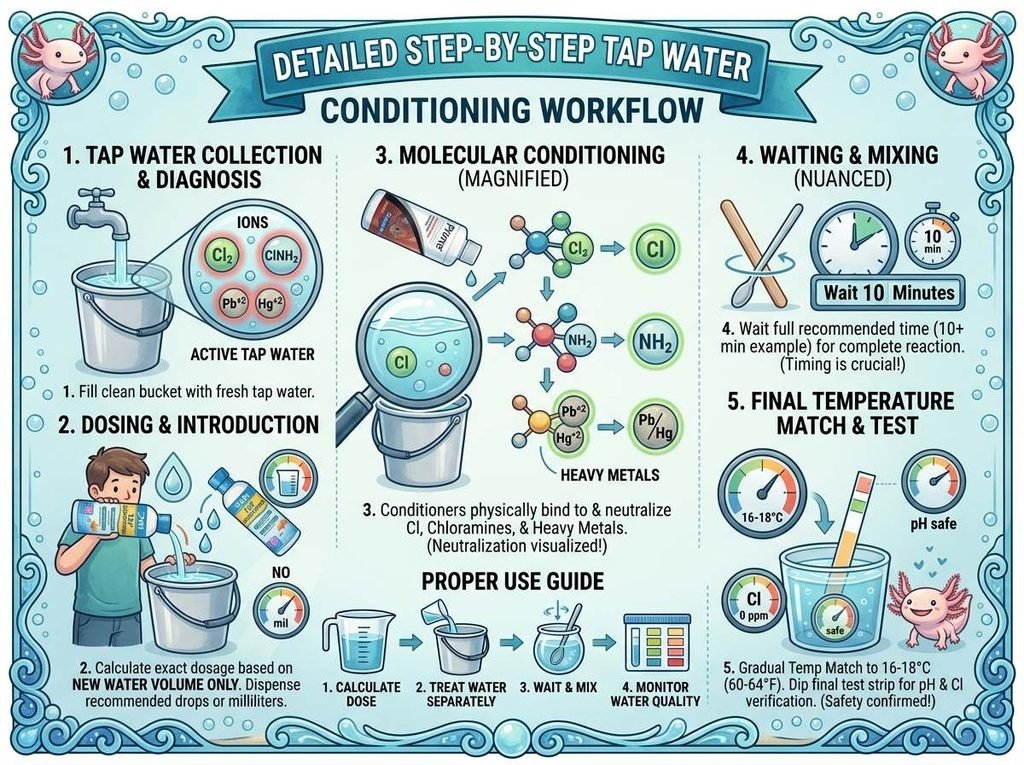
The first step is to determine the appropriate dosage of the water conditioner. Each product will have specific instructions based on the volume of water in your tank. Generally, you will need to calculate the total gallons of water in your aquarium and then follow the manufacturer’s dosage recommendations to determine the correct amount of conditioner needed. It is advisable to measure carefully to avoid over-treating the water, which can lead to imbalances in the aquatic environment.
Before adding the water conditioner to the tank, it is beneficial to treat the tap water in a separate container. This allows you to mix the conditioner thoroughly before the water is introduced to your aquarium. Stir the conditioner into the water well to ensure even distribution of the chemicals that will neutralize harmful substances.
After treating the water, it is recommended to let the water sit for a short period. This waiting time allows the conditioner to work effectively. Monitoring the water parameters, such as pH and ammonia levels, after treatment is a best practice to ensure everything remains within the safe range for your axolotl.
Common mistakes include forgetting to treat new water before adding it to the tank or using a water conditioner that is not suitable for axolotls. Always research and select a conditioner that is specifically formulated for aquatic environments, keeping in mind the sensitivities of your axolotl. Additionally, avoid combining different conditioners unless explicitly stated safe by the manufacturer, as this can create unforeseen chemical reactions detrimental to your aquatic pets.
In conclusion, using water conditioners effectively involves proper dosage calculation, thorough mixing, allowing adequate sit time, and monitoring the water quality closely. Following these guidelines will help ensure that your axolotl thrives in a safe and clean aquatic habitat.
Signs of Poor Water Quality in Axolotls
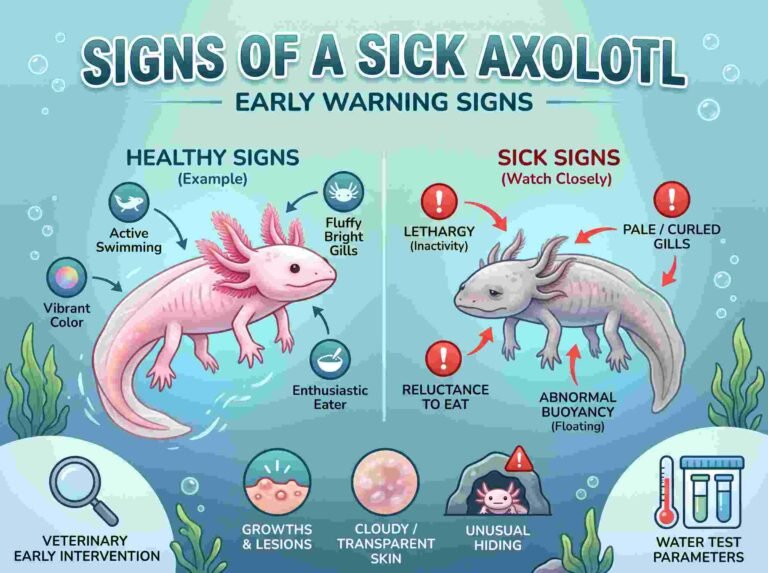
Axolotls, like many aquatic creatures, can be sensitive to their environment, particularly the quality of the water they inhabit. Recognizing the symptoms of stress or health issues due to poor water quality is essential for their well-being. One of the first signs to look for is a change in behavior. An axolotl that is more sedentary or hiding for extended periods may be experiencing stress from their water conditions. Healthy axolotls tend to be active and curious, exploring their tank. Conversely, if you observe an axolotl remaining at the bottom or hiding frequently, this could signal a problem with the water parameters.
Another important indicator of water quality issues is the axolotl’s physical appearance. Cloudy or discolored skin can suggest that the water is polluted. Additionally, look for any unusual spots or lesions on the skin, which can be a sign of infections often associated with poor water environments. Gills are also a key area to observe; they should remain vibrant and frilly. If you notice the gills are shriveled or have lost color, this may signal inadequate water conditions.
Behaviors such as excessive scratching against tank decorations can indicate skin irritation caused by chemicals or poor water quality. Lastly, changes in appetite should not be overlooked. If an axolotl refuses food or shows a diminished interest in feeding, this can signify stress related to their surroundings.
If you notice any of these signs in your axolotl, it’s crucial to take immediate action. Testing the water for ammonia, nitrate, nitrite, and pH levels can help identify specific issues that need addressing. Depending on the severity of the problem, partial water changes, upgrading filtration, or using water conditioners may be necessary to restore a safe and healthy habitat for your axolotl.
Maintaining Optimal Water Conditions
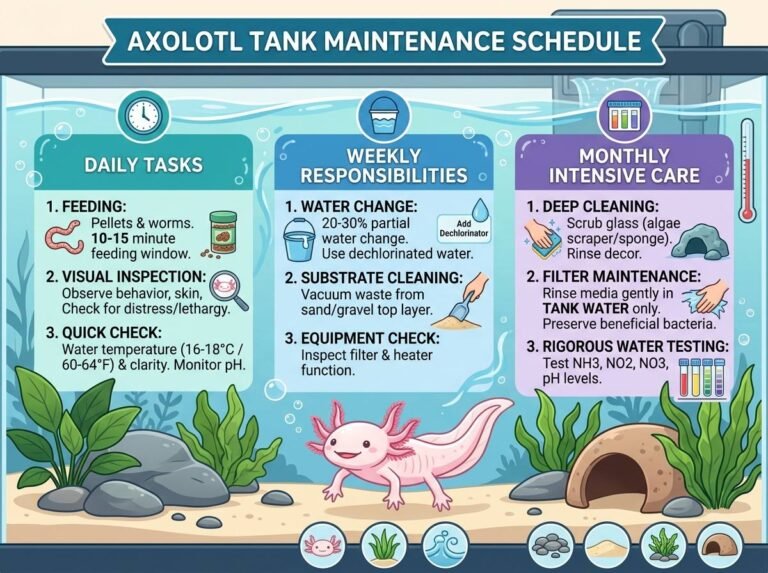
Ensuring the health and wellbeing of axolotls requires regular testing and careful maintenance of water conditions in their aquatic habitat. Axolotls are particularly sensitive to fluctuations in water parameters, making it essential for aquarium owners to monitor and adjust conditions accordingly. A routine schedule for testing water can help detect any imbalances early, ensuring that the environment is conducive for the axolotl’s health.
It is recommended to test the water parameters at least once a week. This includes measuring levels of ammonia, nitrites, nitrates, pH, and temperature. Any sudden spike in ammonia or nitrite levels can be lethal, thus immediate action is required if readings exceed safe limits. Nitrates, while less toxic, should also be managed to ensure they remain at acceptable levels, ideally below 20 ppm. Maintaining a stable pH between 6.5 and 7.5 is crucial for axolotl health, as sudden changes can stress the animal.
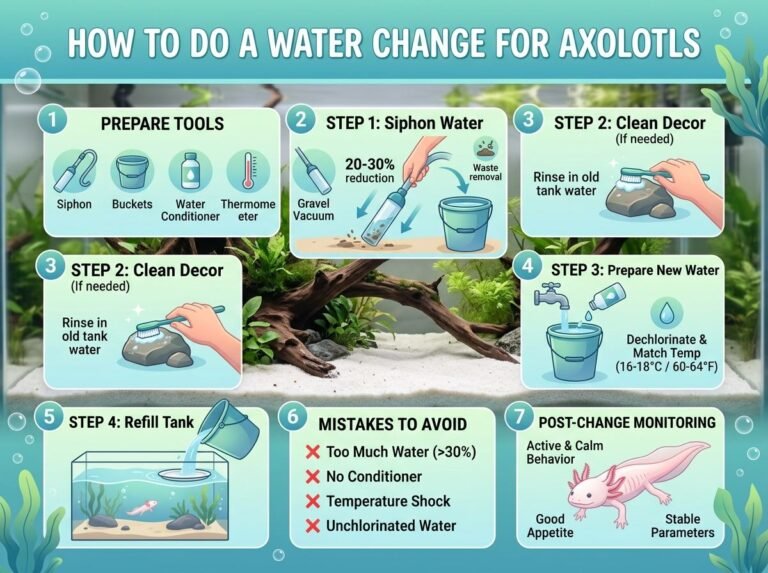
Water changes should be performed regularly to maintain optimal water conditions. Typically, a partial water change of 20-30% is recommended every two weeks. However, more frequent changes may be necessary if the water quality shows significant deterioration. When doing a water change, it is important to use a dechlorinator to neutralize any harmful chemicals. Siphoning debris from the substrate also helps in maintaining the clarity and cleanliness of the water.
When adjusting water parameters, gradual changes are essential to avoid shocking the axolotl. For instance, if the temperature needs to be adjusted, it should be done slowly, over several hours. Similarly, if pH needs to be altered, small increments are advised, allowing the axolotl time to acclimate to the new conditions. By consistently monitoring and maintaining the water quality, axolotl owners can create a stable and healthy environment for their pets.
Conclusion: Making Informed Choices for Your Axolotl’s Health
In summary, selecting the appropriate water conditioners for your axolotl is vital to ensure their health and well-being. As aquatic animals, axolotls are especially sensitive to water quality, and the right water conditioner can make a significant difference in maintaining a suitable environment for them. When making your choice, it is essential to consider several factors, including the specific needs of your axolotl, the water parameters in your aquarium, and the effectiveness of various products available on the market.
Axolotl owners should prioritize understanding their pets’ requirements, as these amphibians thrive in neutral to slightly alkaline water at a temperature range of 16°C to 18°C (60°F to 64°F). Therefore, it is crucial to select water conditioners that both neutralize harmful compounds, such as chlorine and chloramine, and buffer the pH levels within this range. Furthermore, consider conditioners that promote beneficial bacterial growth while offering protection from heavy metals and toxins.
Proactive water care is essential for axolotl owners. Regular testing of water parameters is recommended to monitor ammonia, nitrite, and nitrate levels closely. An effective water conditioner will not only enhance your axolotl’s habitat but also contribute to a thriving aquatic ecosystem. This encompasses utilizing filtration systems and performing regular water changes, alongside the use of appropriate conditioners.
In conclusion, it is imperative for axolotl owners to make informed choices regarding water conditioners. By aligning product selection with your axolotl’s unique environmental requirements, you can foster a safe and healthy habitat for your cherished pet. With careful consideration and regular monitoring, you can ensure the longevity and prosperity of your axolotl for years to come.