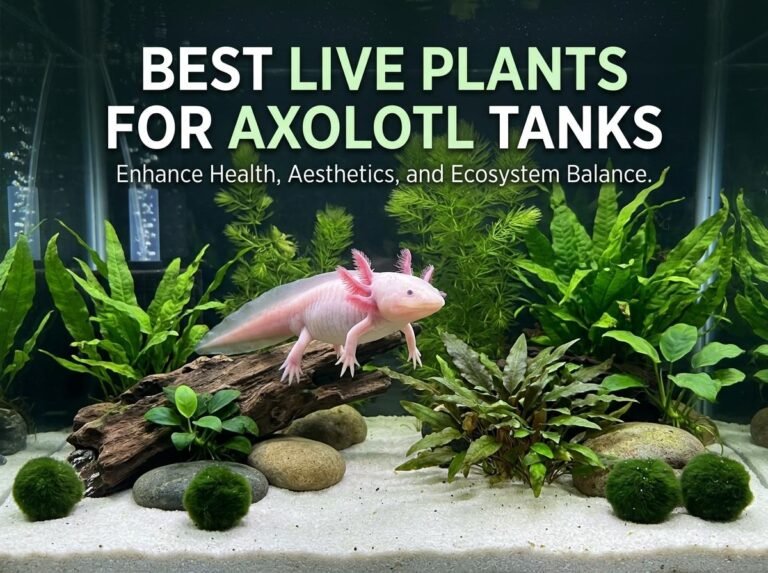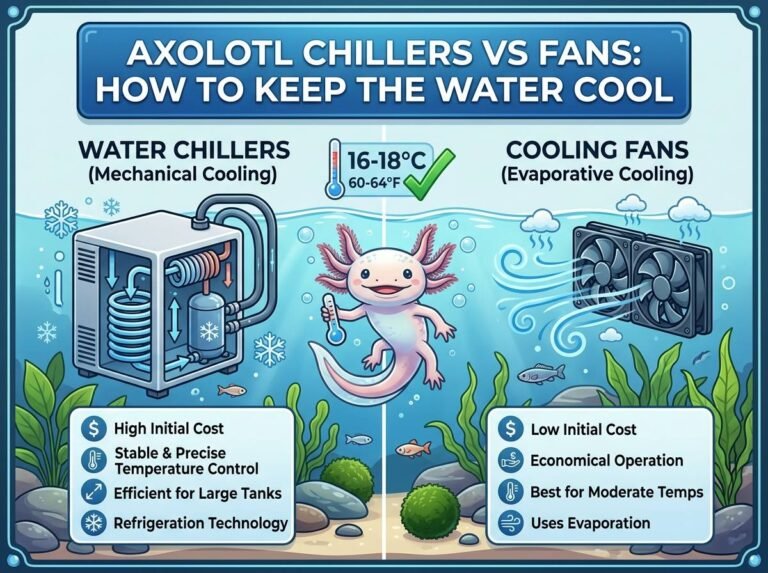
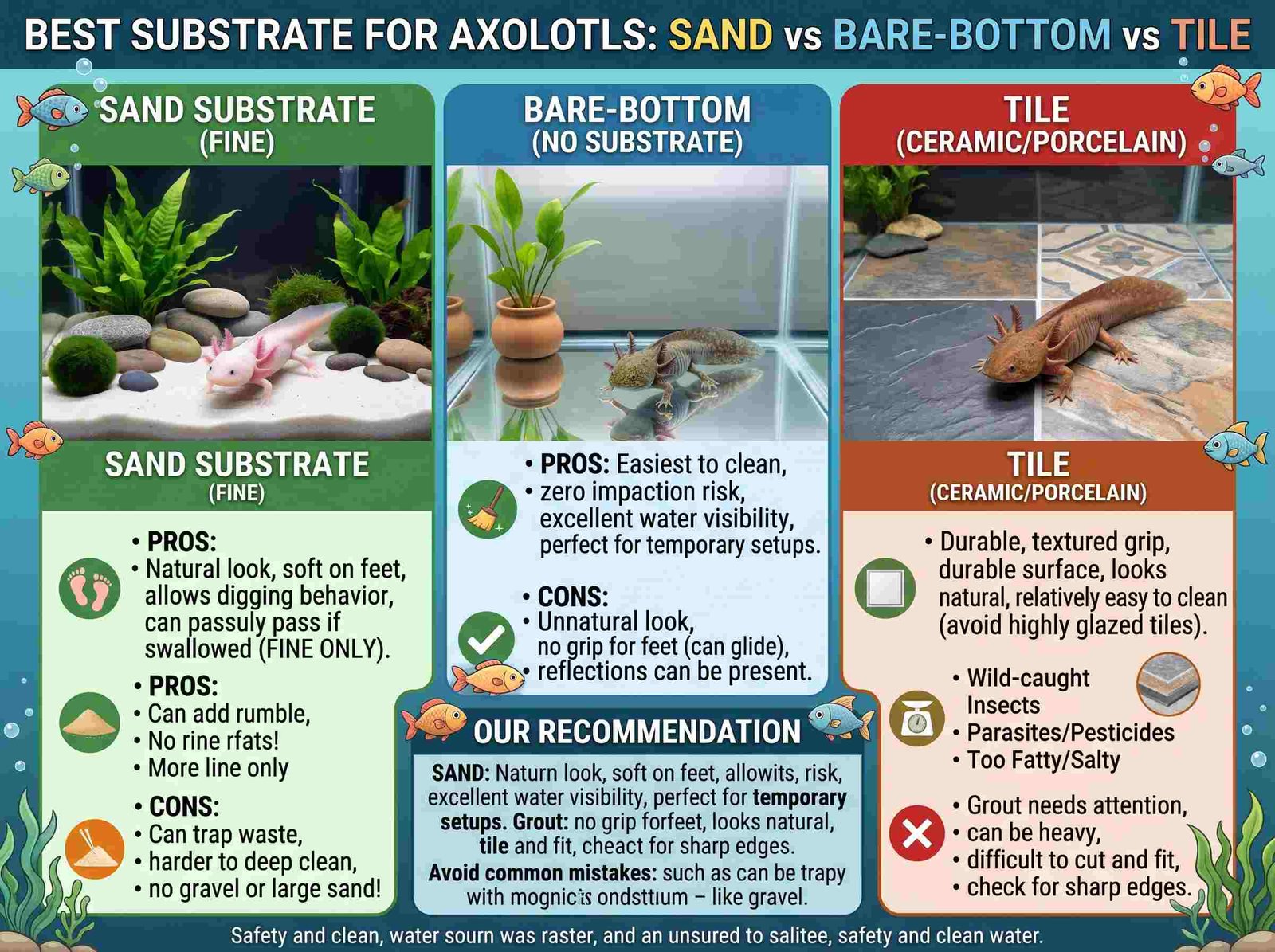
Explore the essential aspects of axolotl habitats, focusing on various substrate options like sand, bare-bottom, and tile setups. Each type of substrate has unique characteristics that affect the aquatic ecosystem, water quality, and the well-being of these fascinating amphibians. Discover the pros and cons of each substrate choice and learn how to maintain them effectively.
Understanding the intricate needs of axolotls in a captivating aquarium environment is crucial for their health and happiness. This comprehensive guide is designed for both novice and seasoned axolotl keepers aiming to create the perfect habitat for their unique pets. From cleaning to transitioning substrates, find the information you need to support your axolotl’s life quality.
Understanding Axolotl Habitats
Axolotls, known for their striking appearance and regenerative capabilities, are amphibians native to the lakes of Mexico, primarily Lake Xochimilco. Their natural habitat is characterized by a variety of elements that contribute to their well-being and comfort. Understanding these environments is crucial when considering their care in captivity, particularly with regard to substrate selection. The bottom of their natural habitat typically consists of soft sediments, vegetation, and varying depths of water, all of which provide not only shelter but also a rich ecosystem that supports their health.
In an aquarium setting, replicating these conditions is vital for axolotls to thrive. The type of substrate chosen can have a significant impact on their health, behavior, and overall quality of life. Different substrate options, such as sand, bare-bottom, or tiles, cater to the unique needs of these creatures. For instance, a sandy substrate mimics the silty bottoms of their natural lakes, allowing axolotls to exhibit natural digging behavior, which can be beneficial for their mental stimulation. Alternatively, a bare-bottom tank facilitates easy cleaning and maintenance, ensuring that water quality remains optimal without hindrance.
The choice of substrate also influences the aquatic environment. Sand can retain beneficial bacteria and help filter water, though it requires careful management to prevent compaction and potential health issues. Meanwhile, tiles provide a solid surface that can discourage unwanted bacterial growth but may not offer the same comfort level that a more natural substrate does. By considering the axolotl’s natural habitat and behavior, aquarists can make informed decisions about substrate selection that cater to the creature’s health. A keen understanding of these factors contributes significantly to creating a supportive setting for these unique amphibians, enhancing their life quality and encouraging natural behaviors.
The Role of Substrate in an Axolotl Tank
The choice of substrate is a critical consideration in setting up a suitable environment for axolotls. Substrate not only impacts the tank’s aesthetic appeal but also plays a vital role in ensuring the health and well-being of these unique amphibians. The substrate serves several essential functions, the most important being its influence on water quality and the overall biology of the aquarium.
First and foremost, substrate can impact water quality by contributing to the biological filtration process. Beneficial bacteria colonize the substrate, helping to break down waste products and toxins, which is especially important in a closed aquatic environment. Axolotls produce waste, and an effectively chosen substrate can enhance the tank’s ability to maintain stable parameters by promoting efficient biological filtration. Conversely, an inappropriate substrate may hinder this process, leading to harmful spikes in ammonia and nitrites, which can endanger the axolotls.
Moreover, different substrate types can affect the tank ecosystem differently. For instance, sand substrates allow for better water flow and filtration but can pose a risk if ingested by axolotls. Conversely, a bare-bottom tank simplifies waste removal and encourages easier cleaning, yet it lacks the beneficial microbial colonies that substrate provides. Tile surfaces, on the other hand, can provide a compromise, offering a smooth, easy-to-clean option while supporting beneficial bacteria growth. Each substrate option presents its own set of advantages and disadvantages in terms of maintenance and ecological balance.
In conclusion, the substrate choice within an axolotl tank has far-reaching implications on water quality, filtration, and the entire biological ecosystem. Selecting the proper substrate type is essential in fostering a healthy environment that supports the unique needs of these fascinating creatures. Therefore, careful consideration should be given to substrate selection, aiming to strike a balance between aesthetic appeal, function, and the overall well-being of the axolotls.
Sand Substrate: Pros and Cons
When considering the ideal substrate for axolotls, sand often emerges as a popular option among aquarists. One of the prominent characteristics of sand is its aesthetic appeal. A fine layer of sand can create a natural and visually pleasing environment, mimicking the natural habitats of these aquatic creatures. Many owners appreciate how sand can complement the overall tank design while providing a soft surface for axolotls to traverse.
Maintenance of a sand substrate can also be relatively straightforward, as it allows for easy cleaning. Routine siphoning helps remove waste and uneaten food particles, ensuring a cleaner aquatic environment. Additionally, sand does not tend to trap debris in the same way as gravel, making it less labor-intensive to keep the tank tidy.
However, the use of sand as a substrate is not without its risks. One significant concern involves the potential for ingestion. Axolotls may inadvertently consume sand while scavenging for food, leading to potential health complications. Ingested sand can cause impaction, obstructing the digestive system and posing serious health threats. Moreover, the fine particles of sand can affect water quality if not managed properly, as they may contribute to cloudiness and hinder filtration systems.
It is essential for axolotl owners to weigh the pros and cons of sand substrate carefully. While the appealing visuals and ease of maintenance stand out as advantages, the risks associated with ingestion and potential implications for health must also be considered. By understanding the characteristics of sand substrate, axolotl keepers can make more informed decisions that prioritize their pets’ wellbeing.
Bare-Bottom Tanks: Benefits and Drawbacks
When it comes to setting up an aquarium for axolotls, the bare-bottom tank is a popular choice among many aquarists. This setup is characterized by its simplicity and ease of maintenance. One of the primary benefits of bare-bottom tanks is their straightforward cleaning process. Without substrate to trap debris, waste, and uneaten food, aquarists can maintain higher water quality more effectively. Regular siphoning of detritus becomes a hassle-free task, promoting a healthier environment for axolotls.
Another essential advantage is the lack of ingestion risk. Axolotls are known to occasionally consume substrate materials, which can lead to serious health issues such as impaction. A bare-bottom aquarium eliminates this risk entirely, as there are no small particles for these aquatic creatures to accidentally ingest. This feature is particularly beneficial for younger or smaller axolotls, who may be more prone to such accidents.
However, bare-bottom tanks also present some aesthetic limitations. Many aquarists desire a visually appealing environment for their pets, and a tank without substrate may appear stark or less natural. The absence of substrate can be perceived as less inviting, although decorations and artificial plants can be included to enhance the appearance of the aquarium.
Another consideration is the need for adequate hiding spots within the aquarium. Axolotls require areas to retreat and feel secure, and without substrate, finding these could be challenging. Therefore, aquarists need to incorporate various hides and ornaments to ensure their axolotls feel comfortable and protected. This requirement for additional decorations not only helps in aesthetics but also contributes to the overall well-being of the animals.
In conclusion, bare-bottom tanks offer significant benefits such as cleanliness and reduced health risks for axolotls, while also presenting challenges regarding aesthetics and the necessity for hiding spots. Careful planning can help mitigate these drawbacks, creating an optimal habitat for these unique amphibians.
Tile Substrate: An Emerging Option
In recent years, tile substrates have emerged as a notable alternative for axolotl enthusiasts seeking a reliable environment for their aquatic pets. Tile, often made from ceramic or glass, provides several advantages that make it an attractive choice compared to traditional substrates like sand or a bare-bottom tank.
One of the primary benefits of using tile in an axolotl tank is its remarkable durability. Unlike sand, which can easily be disturbed by movement, or a bare-bottom layout that might feel sterile, tile maintains its integrity over time, creating a stable environment. This stability is essential for axolotls, as they prefer a consistent habitat to thrive. Furthermore, tiles are resistant to wear from axolotl activities and can withstand the moisture of the aquatic setting without degrading.
Additionally, cleaning tile substrates is straightforward and efficient. Axolotls are known for producing waste, and with traditional substrates, detritus can accumulate, leading to poor water quality. Tile allows for easy access to the bottom of the tank, facilitating routine cleaning procedures. A simple scrub with a mild aquarium-safe cleaner or a soft brush can remove any deposits, keeping the tank’s environment healthy.
Another significant advantage of tile substrates is their ability to aid in temperature regulation. Tiles can absorb heat from the water, thus helping to maintain a consistent temperature throughout the tank. This aspect is particularly beneficial, as temperature fluctuations can adversely affect the well-being of axolotls. By choosing the right tile material and colors, aquarists can enhance the overall stability of their tank’s thermal regime.
Overall, tile substrates present a compelling option for those considering alternatives for their axolotl habitats. Their durability, ease of cleaning, and thermal regulation properties make them worthy of consideration when selecting the ideal substrate for axolotls.
Personal Preferences in Substrate Choices
When it comes to keeping axolotls, selecting the right substrate can be crucial for the health and well-being of these unique aquatic creatures. Many keepers have shared their experiences regarding substrate preferences, highlighting that choices often depend on individual circumstances and personal inclinations. Understanding these insights can assist other axolotl enthusiasts in making informed decisions.
Some axolotl owners advocate for a bare-bottom tank, emphasizing the ease of maintenance and cleanliness. This option minimizes the risk of impaction, especially in younger axolotls that might ingest substrate while foraging. The simplicity of a bare-bottom approach appeals to many, as it allows for easy visibility of the axolotl’s movements and any uneaten food particles, helping maintain water quality. Veterans in the hobby often point out that this substrate choice also provides a safe environment for sick or recovering axolotls, as it reduces the chances of injury or stress.
On the other hand, some axolotl keepers prefer using sand, as it can offer a more naturalistic environment. Those who promote sand as a substrate argue that it facilitates a more enriching habitat for axolotls, allowing them to dig and exhibit natural behaviors. However, this choice comes with caveats; keepers must ensure that the sand is fine enough to avoid any risk of impaction. Some owners recommend monitoring the axolotl’s eating habits closely to prevent any issues related to sand ingestion. Each keeper’s experience reflects varying outcomes based on their specific conditions, such as the age and health of their axolotls.
Lastly, tile is another substrate option that garners varied opinions. A number of keepers appreciate its practicality and hygienic aspects. Tiles can be easily cleaned and do not pose a risk of consumption, making them suitable for both young and old axolotls alike. Ultimately, each substrate option—whether bare-bottom, sand, or tile comes with its distinct advantages and disadvantages, shaped by the keepers’ preferences and their axolotls’ needs.
Cleaning and Maintenance of Different Substrates
When it comes to maintaining a healthy environment for axolotls, the choice of substrate plays a crucial role. Each substrate type sand, bare-bottom, and tile has specific care and maintenance requirements that need consideration. Understanding these needs can help prevent issues like toxic buildup or harmful bacteria while promoting the well-being of your aquatic pets.
Sand substrates, while aesthetically pleasing and beneficial for axolotls that enjoy digging, require regular maintenance to prevent compaction and the accumulation of waste. A gentle siphoning method is recommended to remove debris while leaving the sand undisturbed. This should be done weekly, or bi-weekly, depending on the tank’s bioload. Additionally, it is beneficial to fully replace the sand quarterly to maintain optimal water quality and mitigate the risk of ammonia spikes.
On the other hand, bare-bottom tanks provide easy cleaning as they eliminate substrate-related waste accumulation. Routine maintenance can be done with a siphon to remove any uneaten food or waste at least once a week. Occasionally, a full tank cleaning may be necessary, wherein all decorations are removed for thorough scrubbing, ensuring that no residues are left that could jeopardize water quality.
Tile substrates are often regarded for their durability and ease of cleaning. They should be scrubbed at least once every two weeks to prevent algae buildup. Regular siphoning can help, but the non-porous nature of tiles allows for a more straightforward cleaning regimen. It is advisable to disinfect tiles occasionally using aquarium-safe solutions to further safeguard against bacteria. This method also helps prolong the tiles’ life by keeping them intact and healthy.
Overall, the key to maintaining any substrate is establishing a consistent cleaning schedule tailored to your tank’s specific needs. Regular monitoring of water parameters and timely cleaning will ensure a safe habitat for your axolotls, regardless of the substrate type chosen.
Transitioning Between Substrate Types
When considering a change in substrate types for axolotls, it is paramount to approach the transition with care to minimize stress and ensure the safety of these delicate creatures. Whether you are switching from sand to a bare-bottom tank or opting for tiles instead, there are specific best practices that can facilitate a smoother adjustment for your axolotl.
First, it is essential to prepare the new substrate in advance. Thoroughly rinse the substrate material to remove any dust or contaminants. This preparation minimizes the introduction of harmful bacteria or chemicals into the aquarium environment. Additionally, maintaining the current water parameters during the transition is crucial. It is advantageous to conduct a partial water change before beginning the substrate swap. This helps maintain water quality and protects the axolotl from potential disturbances.
Second, the transition process should be executed gradually. If you are switching from a substrate that holds a significant amount of debris or waste, consider removing it in manageable sections rather than all at once. This approach reduces stress for the axolotl, as abrupt changes can disorient them. As you remove the old substrate, carefully monitor your axolotl’s behavior for signs of stress, such as hiding or lethargy.
Once the old substrate is removed, introduce the new substrate slowly. If using tiles, ensure they are appropriately secured to prevent shifting, which could lead to injuries. Ensure that the substrate is placed evenly across the bottom of the tank. After the new substrate is in place, it is advisable to wait several hours before reintroducing the axolotl, allowing the tank’s microenvironment to stabilize.
Lastly, after reintroducing your axolotl, observe their behavior closely. It is normal for them to be cautious in an unfamiliar setting. Providing hiding spots can create a sense of security as they adapt to their new environment. By following these steps, you can facilitate a successful transition between substrate types while prioritizing the well-being of your axolotl.
Conclusion and Recommendations
Choosing the right substrate for axolotls is crucial to ensuring their health and comfort in a captive environment. As we have explored throughout this discussion, substrates can greatly influence the aquatic ecosystem within the tank and affect the behavior and well-being of these unique creatures. Whether opting for sand, a bare-bottom setup, or tile, each substrate presents its own advantages and challenges.
For owners leaning towards sand, it’s important to select a fine grain that minimizes the risk of impaction. Sand allows for a naturalistic environment, enabling axolotls to exhibit more typical foraging behaviors. However, it also requires regular maintenance to prevent the buildup of harmful bacteria and waste. Conversely, a bare-bottom tank simplifies cleaning and minimizes potential health risks associated with substrate ingestion, making it a favorable choice for those focused on ease of upkeep. While it lacks the aesthetic appeal of sand or tile, it provides an efficient solution for water quality management.
Tile is another excellent option, particularly for those looking for a visually appealing yet practical substrate. Tiles are easy to clean, do not retain debris, and provide a stable surface for the axolotls to explore. Nevertheless, it is essential to ensure that the tiles are smooth and free from sharp edges to avoid injuries to the delicate skin of axolotls.
In conclusion, the ideal substrate for your axolotl largely depends on your specific preferences and their individual needs. It is vital to consider factors such as ease of cleaning, aesthetic appeal, and the potential risks associated with substrate ingestion. Ultimately, each axolotl owner should choose a substrate that aligns with their care goals and enhances the overall environment for these exceptional aquatic pets while prioritizing their health and happiness.