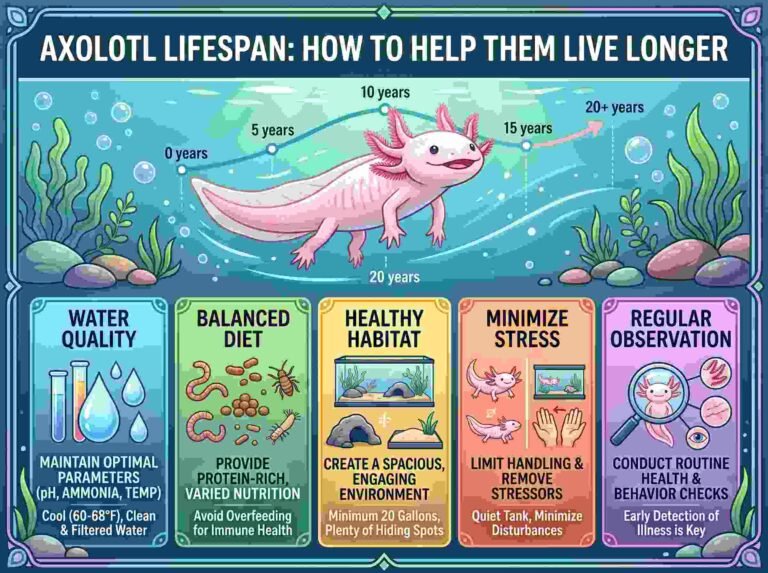
Maintaining a healthy environment for axolotls is paramount to their overall well-being, and one of the most significant factors in achieving this is through regular water changes. Water quality directly impacts the health of these aquatic creatures; therefore, understanding the necessity of routine changes cannot be overstated.
Axolotls, being sensitive to their surroundings, thrive in clean water with stable parameters. Over time, toxins such as ammonia, nitrites, and nitrates accumulate in the tank due to waste produced by the axolotls and leftover food. These substances can lead to severe health issues if allowed to reach elevated levels. Regular water changes help mitigate these toxic buildups, making it easier for axolotls to live in a stress-free environment.
Additionally, performing consistent water changes contributes to the overall tank health. An aquarium that is well-maintained allows for the beneficial bacteria, which play a critical role in breaking down waste, to flourish. However, these bacteria require a suitable environment, predominantly clean water, to thrive. Without proper maintenance through water changes, the delicate balance of an aquarium can easily be disrupted, leading to harmful conditions for axolotls.
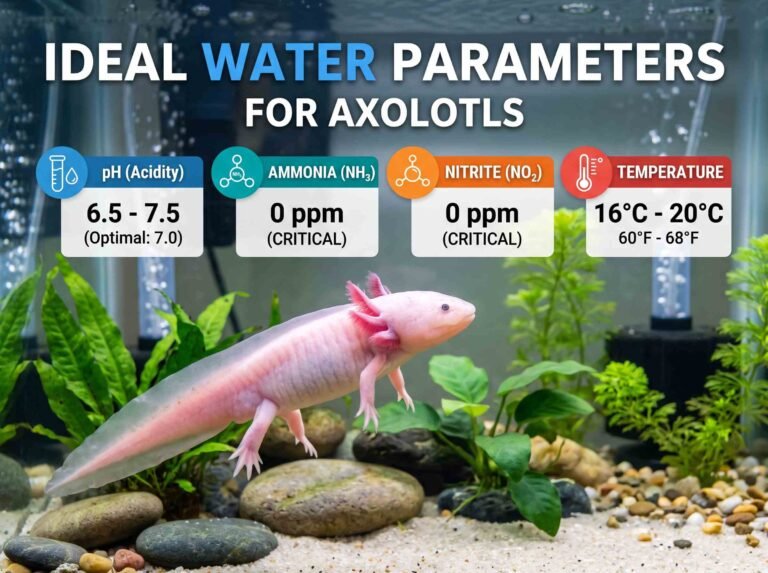
Furthermore, ensuring the correct water temperature and pH levels is easier when changes are regularly implemented. These factors are crucial since axolotls prefer specific conditions that support their biological functions. Fluctuations caused by neglecting water changes can result in stress, leading to health problems like lethargy or loss of appetite.
In conclusion, regular water changes are essential in addressing the unique needs of axolotls. They ensure optimal water quality, reduce toxin levels, and maintain overall tank health, which is foundational for the long-term well-being of these fascinating creatures.
Determining How Much Water to Change
When caring for axolotls, understanding how much water to change during each maintenance session is crucial. The amount of water to replace can vary based on several factors, including tank size, current water conditions, and the specific needs of your axolotl. Generally, a water change of 20-30% is recommended weekly for a healthy environment.
For smaller tanks, such as those under 20 gallons, doing larger water changes, approximately 30-50%, may be necessary due to the rapid accumulation of toxins. Smaller volumes of water can lead to significant fluctuations in water quality, negatively impacting the well-being of your axolotl. It’s essential to monitor ammonia, nitrite, and nitrate levels to determine if larger changes are warranted.
Conversely, in larger tanks, the water volume buffers the changes in water conditions more effectively. Hence, a 20-30% water change may suffice. However, if water tests indicate poor parameters, a more substantial change can help restore balance. Regular testing with a reliable aquarium kit will help gauge these needs accurately.
The specific needs of axolotls also play a significant role in determining water change volume. If your axolotl exhibits signs of stress, such as lethargy or abnormal swimming patterns, increasing water changes may be necessary to improve water quality. Additionally, during breeding or when housing multiple axolotls, more frequent water changes can prevent overcrowding-related stress and maintain optimal health.
In summary, regularly assessing water parameters and adapting your water change routine accordingly is essential in axolotl care. By considering tank size, current conditions, and the behavioral needs of your axolotls, you can establish an effective water change strategy that promotes a healthy and thriving environment.
Frequency of Water Changes
Maintaining optimal water quality is crucial for the health and well-being of axolotls, which necessitates a thoughtful approach to water changes. The frequency with which an axolotl owner should perform water changes can vary significantly based on various factors, including tank size, the number of axolotls being kept, the efficiency of the filtration system, and the feeding routines in place.
For smaller tanks, such as those under 20 gallons, more frequent water changes are generally recommended. A common guideline is to change 20-30% of the water weekly. This is because smaller volumes of water can become polluted with waste more quickly than larger volumes. For larger tanks, owners may find that changing 10-20% of the water every two weeks is sufficient, provided the filtration system is functioning effectively and maintaining water quality.
Another important consideration is the number of axolotls housed within the aquarium. More axolotls in a single tank will increase the bioload, leading to a faster accumulation of waste and necessitating more frequent water changes to ensure a healthy environment. Owners with multiple axolotls should consider increasing the frequency of water changes or installing a more powerful filtration system to manage waste effectively.
Feeding routines also play a role in the frequency of water changes. Axolotls have a tendency to produce waste shortly after feeding, so if owners are feeding their pets more often or providing them high-protein foods, more frequent water changes might be advised. Regular monitoring of water parameters can help assess when changes are needed. Keeping track of ammonia and nitrite levels can indicate when water changes should be accelerated for the health of your axolotl.
Ultimately, while general guidelines can provide a framework, it is essential to monitor water conditions regularly and adjust water change frequency based on the specific requirements of your tank setup. By doing so, axolotl owners can help maintain a stable and healthy aquatic environment for their pets.
Preparing for a Water Change
Regular water changes are essential for maintaining a healthy environment for axolotls, contributing significantly to their overall well-being. Before initiating a water change, proper preparation is crucial to ensure the process proceeds smoothly and effectively. This section outlines a checklist of necessary tools and preparations to facilitate a successful water change.
First and foremost, having the right tools on hand will streamline the process. A high-quality siphon is an indispensable tool for effectively removing debris and waste from the substrate. There are various types of siphons available, including electronic options that can make the task easier for larger tanks. Ensure that the siphon is suited to the size and design of your tank to maximize its effectiveness.
Another key item to include in your checklist is a reliable water conditioner. Since tap water often contains chlorine and other harmful chemicals, using a water conditioner will help to neutralize these substances before they are introduced to your axolotl’s habitat. Select a conditioner that specifically mentions its effectiveness in treating both chlorine and chloramine, as these are common in municipal water supplies.
Additionally, having clean, appropriate containers for both the water being removed and the water being added is important. You will need to separate the old water for disposal while simultaneously preparing the new water. Containers made of food-grade plastic are ideal as they are safe for aquatic life and will not leach harmful substances into the water.
Lastly, it is beneficial to have a thermometer to monitor the water temperature throughout the changing process. Maintaining stable water temperatures is crucial, as axolotls are sensitive to fluctuations. Before adding new water to the tank, always check to ensure its temperature closely matches the existing tank water.
By preparing these essential tools and materials ahead of time, axolotl owners can conduct water changes with efficiency and confidence, thereby ensuring a safe and healthy living environment for their pets.
Performing the Water Change: Step-by-Step Guide
Performing a water change in your axolotl tank is essential for maintaining a healthy environment for your pet. This process helps to remove waste, uneaten food, and other impurities while ensuring that the water parameters remain stable. Follow this step-by-step guide for a stress-free water change that minimizes disruption to both your axolotl and the natural cycling of the tank.
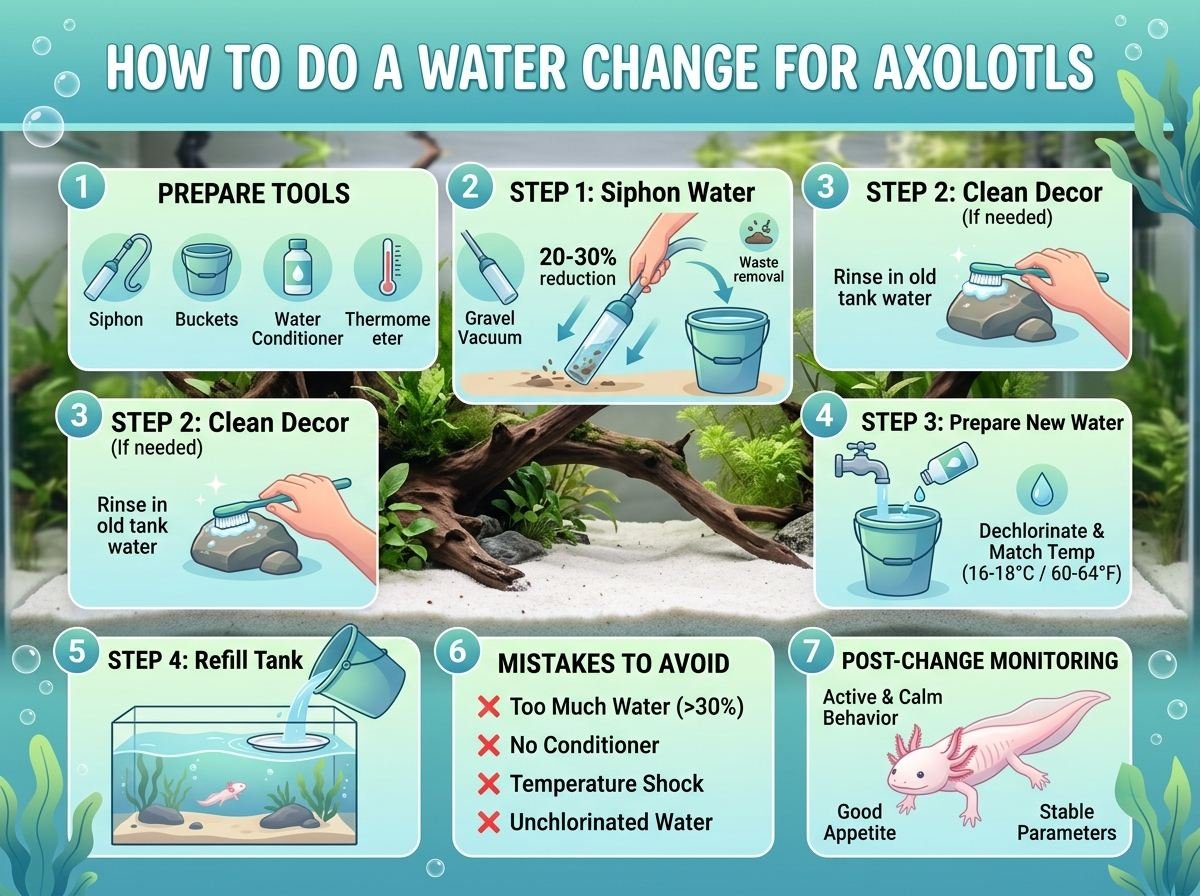
Step 1: Gather Your Supplies
Before you begin, make sure you have all necessary supplies on hand. You will need a bucket specifically designated for aquarium use, a siphon or gravel vacuum, a water conditioner, and a thermometer. This preparation will save time and prevent mistakes during the water change process.
Step 2: Test Water Parameters
Before changing the water, it is advisable to test the tank’s water parameters, such as pH, ammonia, nitrite, and nitrate levels. This information will guide you in ensuring that the new water you are adding is suitable for your axolotl. Aim to match the temperature and characteristics of the new water closely with the current conditions of the tank.
Step 3: Remove the Right Amount of Water
Using the siphon or gravel vacuum, carefully extract approximately 20-30% of the tank’s water. When siphoning, pay attention to points where detritus tends to accumulate. Avoid startling your axolotl by moving slowly and gently, allowing it to adjust to your presence.
Step 4: Prepare New Water
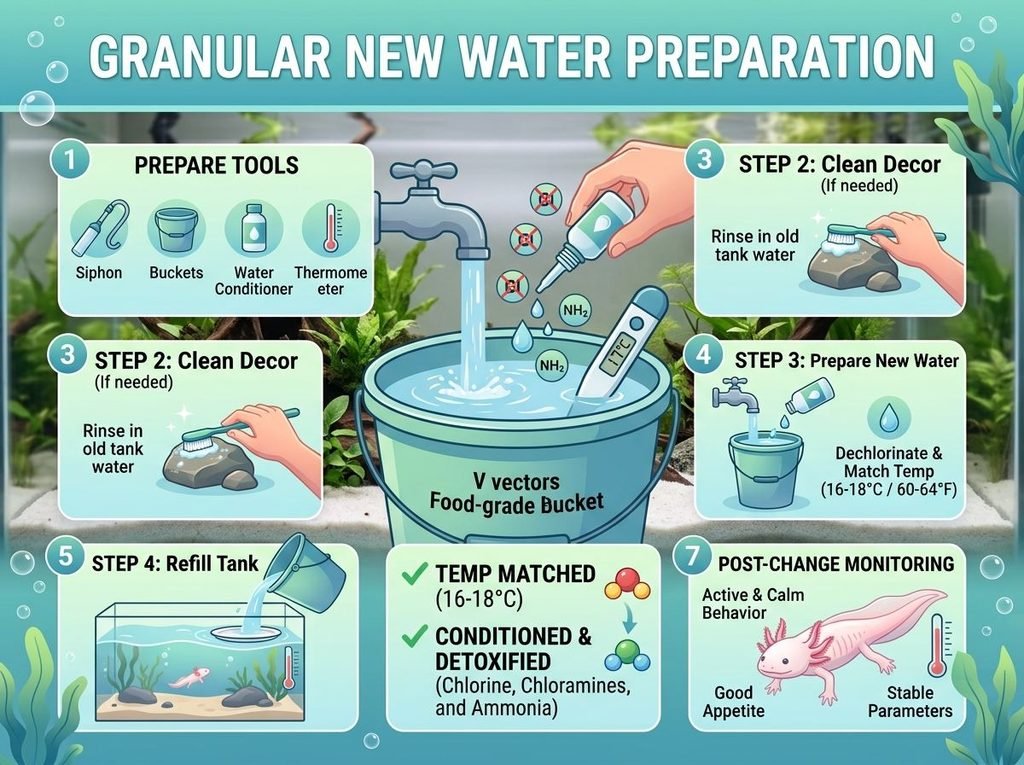
Fill a clean bucket with dechlorinated water that has been adjusted to match the tank’s temperature. Use a water conditioner to neutralize any harmful substances in tap water. This step is crucial because your axolotl is sensitive to chlorine and other chemicals found in untreated water.
Step 5: Refill the Tank
Slowly pour the new water into the tank, avoiding disturbing the substrate or creating excessive turbulence. Pouring water over a plate or similar object can help disperse the flow and minimize disturbance.
Step 6: Monitor Water Parameters Again
After the water change, it is wise to test the parameters one more time to ensure everything is in order. This ongoing vigilance helps to safeguard your axolotl’s health.
By following these steps, you will successfully maintain a balanced and clean environment for your axolotl, promoting its well-being and longevity. Regular water changes are a key practice in responsible axolotl care, and understanding each step makes the process more manageable and efficient.
Maintaining Tank Conditions During Water Changes
Ensuring stable tank conditions is critical for the health and well-being of axolotls, particularly during water changes. Sudden alterations in water parameters can cause stress and shock, which may lead to serious health issues. It is paramount to adopt a methodical approach to water changes that prioritizes maintaining consistent conditions.
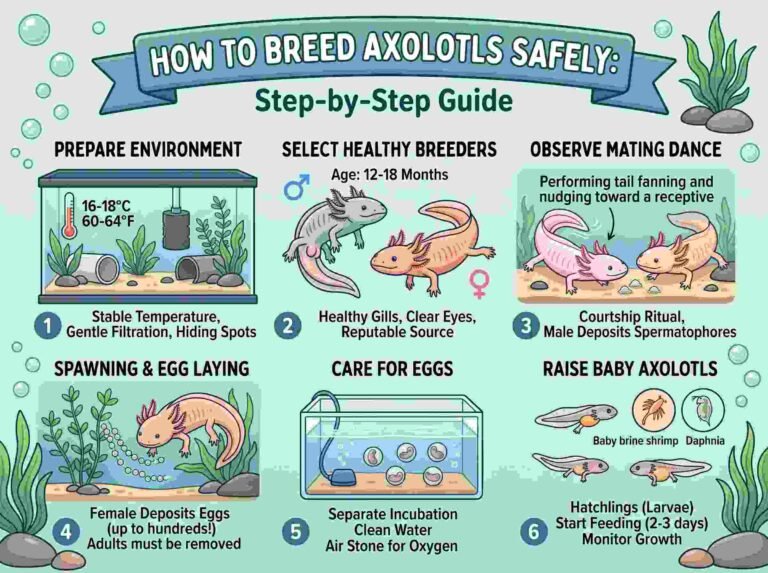
One of the most vital aspects of conducting a water change is matching the temperature of the new water to that of the existing tank water. Axolotls thrive at cooler temperatures, typically between 16°C to 18°C (60°F to 64°F). Before introducing new water, use a reliable thermometer to ensure that the temperature is as close as possible. A significant temperature difference can shock the axolotl, potentially causing thermal stress.
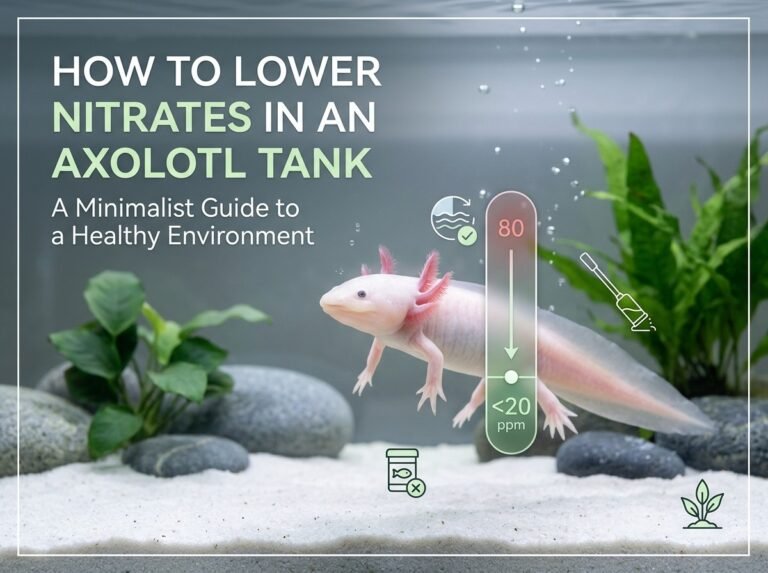
Additionally, water quality is another crucial factor that must be carefully monitored during water changes. It is necessary to use a water conditioner to eliminate harmful chlorine and chloramine found in tap water. Furthermore, testing for ammonia, nitrites, and nitrates through water testing kits will help to understand the current water quality. Ideally, ammonia and nitrites should be at 0 ppm, while nitrates should be kept below 20 ppm for optimal health.
When preparing new water, it can also be beneficial to aerate and let it sit for at least 24 hours before performing the change. This practice can further enhance the water quality by allowing any volatile substances to dissipate and ensuring that it is well-oxygenated. In summary, carefully managing temperature and water quality, along with using proper conditioning methods, is essential for maintaining suitable conditions during water changes. By adhering to these practices, aquarists can significantly reduce the risk of stressing their axolotl and ensure a safe and healthy environment for these unique creatures.
Common Mistakes to Avoid
Water changes are a crucial aspect of maintaining a healthy environment for axolotls. However, many owners make specific mistakes while performing these changes that can lead to stress or health issues for their pets. Understanding these common pitfalls is essential for any axolotl caretaker looking to ensure their aquatic companions thrive.
One frequent mistake is changing too much water at once. While it may seem beneficial to refresh the tank thoroughly, removing over 30% of the water in a single session can disrupt the stable conditions in the aquarium. This abrupt shift can cause stress to the axolotls and may lead to shock, particularly if the parameters of the new water differ significantly from the existing tank water.
Another common error involves neglecting to condition the tap water before adding it to the tank. Tap water often contains chlorine and other harmful chemicals that can be detrimental to axolotls. To avoid this mistake, owners must use a dechlorinator or let the water sit for 24 hours to allow harmful substances to dissipate before it is introduced into the axolotl’s habitat.
Furthermore, many pet owners fail to monitor the temperature of the water they are introducing. Sudden changes in water temperature can be shocking to axolotls, as they are sensitive to temperature fluctuations. Keeping water at a consistent and appropriate temperature, ideally close to that of the tank’s environment, is vital for the well-being of these creatures.
Lastly, axolotl owners should be mindful of adding water that has not been tested for ammonia, nitrites, and nitrates. Maintaining optimal water quality is paramount for the health of axolotls, and failing to ensure that new water is free from toxins can lead to serious complications. Regular testing and gradual acclimatization during changes will help in avoiding these common mistakes.
Monitoring Axolotl Behavior After Water Changes
After performing a water change in an axolotl’s habitat, it is essential to monitor their behavior closely to ensure they are adjusting well to the new, cleaner environment. Axolotls, as sensitive aquatic creatures, can experience stress during significant changes, including differences in water parameters such as temperature, pH, and ammonia levels. Observing specific behaviors can provide insights into their stress levels and overall well-being.
Initially, watch for signs of stress, which may manifest as agitation or erratic swimming patterns. If an axolotl appears to be swimming frantically or exhibiting unusual activity levels, it could indicate discomfort with the new conditions. Ideally, following a water change, axolotls should display calm and steady behaviors, such as gliding gently through the water. This indicates that they are adjusting to the altered environment effectively.
A further behavior to observe post-water change is the axolotl’s feeding response. Once the water change is complete, and the conditions are stable, a healthy axolotl should readily accept food. Conversely, a lack of appetite or refusal to eat may be a sign of stress or an indication that the water parameters are still not optimal. If an axolotl does not feed after a water change, it is vital to check the water quality and parameters again.
Additionally, watch for any changes in physical appearance or demeanor. A healthy axolotl will maintain its vibrant coloration and remain active. If there are signs of fading colors, lethargy, or unusual hiding behavior, these could signify stress or illness, necessitating further investigation into the water quality and the overall tank environment.
By carefully monitoring these behaviors, axolotl owners can ensure that their pets remain healthy and stress-free after water changes, promoting a thriving aquatic habitat for these unique creatures.
Additional Care Tips for Axolotl Owners
In addition to implementing regular water changes, axolotl owners should consider various other care tips that are essential for maintaining the health and well-being of their aquatic pets. These practices complement water change routines and contribute significantly to the thriving environment of these unique creatures.
Feeding practices play a vital role in an axolotl’s health. It is recommended to provide a varied diet that includes high-quality pellets, earthworms, and other protein-rich foods. This diverse diet helps to ensure that axolotls receive all necessary nutrients, fostering strong growth and overall health. Be mindful of the feeding frequency and portion sizes; overfeeding can lead to health issues, including obesity and water quality deterioration.
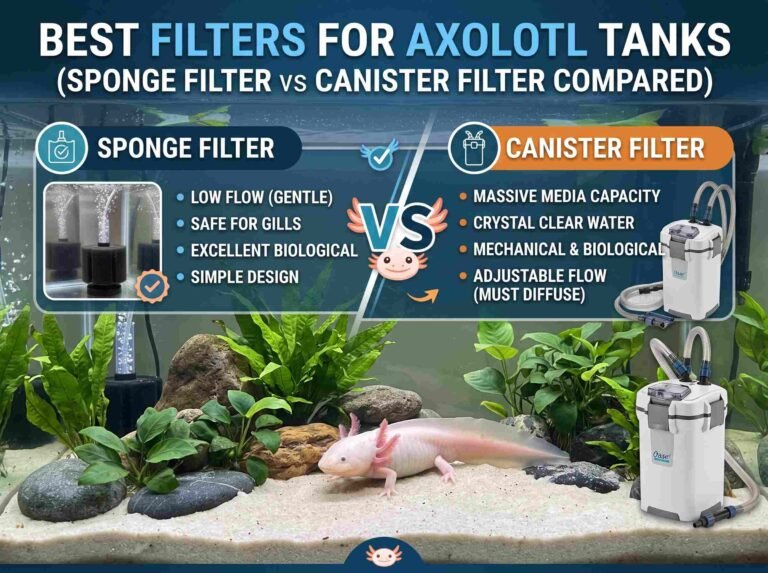
Tank maintenance is another critical aspect of axolotl care. Regular cleaning of the tank and its equipment, such as filters, is essential to prevent the buildup of harmful substances. Ensure that the substrate is suitable for axolotls; sand or bare-bottom tanks can help avoid ingestion hazards. Regular assessments of water parameters, including pH, ammonia, nitrite, and nitrate levels, are also crucial, as these factors directly influence the health of the axolotl.
Furthermore, overall health checks should be part of standard care routines. Observing your axolotl for any signs of distress, unusual swimming behavior, or changes in appetite can help catch potential health issues early. Any abnormalities should prompt immediate consultation with a veterinarian experienced in axolotl care. Keeping a close watch on their physical condition allows for timely interventions that can prevent more serious health complications.
By integrating these practices—consisting of proper feeding, diligent tank maintenance, and consistent health monitoring—axolotl owners can create a well-rounded care regimen that complements effective water change routines, ensuring a healthy, happy axolotl for years to come.