Understanding the nitrogen cycle is key for maintaining a healthy aquarium environment, especially for sensitive species like axolotls. This blog post explores the importance of cycling your tank, detailing methods such as fishless cycling, monitoring water parameters, and troubleshooting common cycling issues.
You’ll learn how to manage ammonia, nitrite, and nitrate levels effectively to create a stable habitat. Discover the critical steps to ensuring a thriving ecosystem that supports your axolotls and enhances their health. Whether you’re a novice or an experienced aquarist, this guide provides essential insights for successful aquarium maintenance.
Understanding the Nitrogen Cycle
The nitrogen cycle is a fundamental process in maintaining a healthy aquarium environment, particularly for sensitive aquatic species such as axolotls. This cycle describes how nitrogen compounds are converted in the aquatic habitat, ensuring that harmful substances are efficiently processed into less toxic forms. Understanding this process is essential for any aquarist seeking to create a stable ecosystem.
At the onset of the nitrogen cycle, ammonia (NH3) is introduced into the tank, primarily through fish waste, uneaten food, and decaying plant matter. Ammonia is highly toxic to aquatic life, including axolotls, even at low concentrations. Therefore, managing levels of this compound is crucial. In a well-cycled aquarium, beneficial bacteria known as nitrosomonas convert ammonia into nitrite (NO2), which, while less toxic than ammonia, is still harmful to living organisms.
Following this transformation, another type of beneficial bacteria, nitrobacter, plays a critical role in the next phase by converting nitrite into nitrate (NO3). Nitrate is significantly less toxic and can be absorbed by aquatic plants as a nutrient. However, it should still be monitored; elevated nitrate levels can lead to algal blooms and other issues. Regular water changes and the presence of live plants can help maintain healthy nitrate levels in the aquarium.
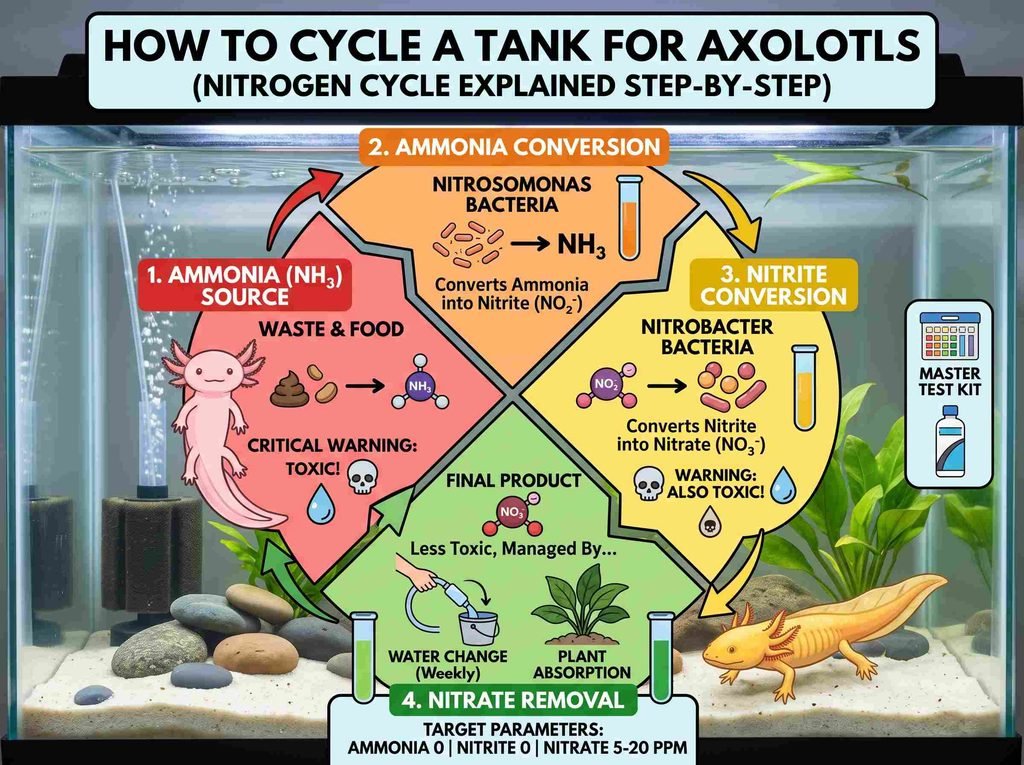
In summary, the nitrogen cycle consists of a series of processes that convert harmful compounds into less harmful ones, allowing axolotls to thrive in their aquatic environment. By understanding the roles of ammonia, nitrite, and nitrate, aquarium owners can take proactive measures to maintain a safe and supportive habitat for their pets. Ensuring a properly cycled tank is vital for the long-term health and vitality of axolotls, making knowledge of this cycle indispensable for any responsible aquarist.
Why Cycling is Important for Axolotls
Cycling your axolotl tank is a fundamental process that establishes a stable aquatic environment necessary for the health and well-being of these unique creatures. The cycling process involves cultivating beneficial bacteria that convert harmful ammonia from fish waste into less toxic compounds. Without proper cycling, the tank can become a hazardous habitat, leading to stress and severe health issues for axolotls.
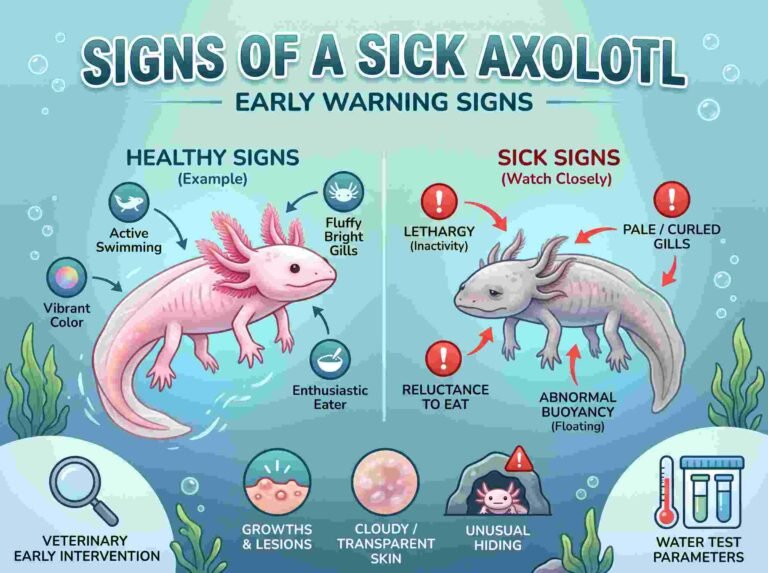
Axolotls, being sensitive amphibians, are particularly vulnerable to toxins that can accumulate in an uncycled tank. High levels of ammonia and nitrites can cause gill damage, result in respiratory distress, and may ultimately lead to fatal complications. It is crucial for axolotl owners to understand that an uncycled aquarium can create an unstable environment, which not only affects the axolotl’s physical health but also its behavioral traits. Stress from such conditions can lead to decreased appetite, lethargy, and increased susceptibility to diseases.
Moreover, the ammonia toxicity that axolotls are prone to may not exhibit immediate symptoms, making it essential to conduct regular water tests during the cycling phase. This step helps in monitoring the nitrogen levels and ensuring that the cycling process is proceeding correctly. Maintaining a cycled tank helps to foster a balanced ecosystem, where beneficial bacteria can thrive, converting waste into less harmful substances effectively. The end goal of cycling is to create a stable environment that allows for healthy growth and vitality in axolotls.
Therefore, cycling is not merely a recommendation but a necessity for axolotl enthusiasts. Ensuring that the tank is fully cycled before introducing these aquatic beings will prevent undue stress and promote a healthier, thriving axolotl population.
How Long Does the Cycling Process Take?
Cycling an aquarium is a vital process that establishes beneficial bacteria, which help in managing the nitrogen cycle within the tank. However, many aquarium enthusiasts often wonder, “How long does the cycling process take?” The duration of cycling can vary significantly based on several factors, including the method of cycling adopted, the specific conditions of the tank, and the materials used.
In general, the cycling process can typically take anywhere from two weeks to over a month. Utilizing a fishless cycling method, which involves adding ammonia to the tank without fish, may result in a quicker establishment of beneficial bacteria. In such cases, some hobbyists have reported cycling times as brief as two to four weeks. This is largely because the absence of fish reduces stress on aquatic life and allows for a controlled learning curve for bacteria development.
Alternatively, cycling with fish present, known as fish-in cycling, often extends the timeframe. This method can take anywhere from four to six weeks or more due to the added stress fish experience and the potential need for additional water changes. Factors such as water temperature, pH levels, and the presence of existing beneficial bacteria also play crucial roles in determining the length of the cycling period.
Moreover, the method of cycling is not the only variable; the overall conditions within the tank are equally important. For instance, a well-planted aquarium may facilitate a faster cycling time due to the natural filtration provided by plants. Conversely, a poorly maintained system may lead to protracted cycles that could last for several months.
Ultimately, patience is key during this phase. New aquarium owners should allow the necessary time for bacteria colonies to establish adequately. Regular monitoring of water parameters is essential to ensure a successful cycling process, setting the stage for a healthy environment for the axolotls and any other aquatic life present.
The Different Cycling Methods Explained
Cycling an aquarium is an essential process that establishes beneficial bacteria to convert harmful waste into less toxic substances, creating a safe environment for aquatic life. There are three primary methods of cycling an aquarium: fishless cycling, using hardy fish, and the addition of beneficial bacteria. Each of these methods has distinct advantages and potential drawbacks, which are crucial to consider when determining the best approach for your specific situation.
Fishless cycling is a popular choice among aquarists, especially for those who wish to avoid stressing or harming fish during the cycling process. This method typically involves adding ammonia to the tank to simulate fish waste, which then allows nitrifying bacteria to develop. The primary advantage of fishless cycling is that it creates a more controlled environment and can often accelerate the cycling process. However, it requires careful monitoring of ammonia levels and may take several weeks before the tank is ready for fish.
On the other hand, cycling with hardy fish entails introducing fish species that can tolerate fluctuations in water quality and are resilient to temporary spikes in ammonia and nitrite. This method provides the additional benefit of visibly observing the nitrogen cycle in action. However, the significant risk includes potential harm to the fish due to toxic conditions, prolonging the cycling period if not managed carefully.
The third method involves adding pre-cultured beneficial bacteria to the aquarium. This approach can significantly speed up the cycling process by introducing an established colony of bacteria directly into the tank. While often regarded as a quick solution, it is essential to ensure that the bacteria source is reputable to avoid introducing unwanted pathogens. Moreover, relying solely on this method may not fully develop the tank’s biological filtration, necessitating close monitoring of water parameters.
In conclusion, selecting the right cycling method for your axolotl tank depends on several factors including available resources, time constraints, and personal preferences. Each method has its merits and potential pitfalls, making it vital to align the chosen technique with your specific aquarium needs.
Step-by-Step Guide to Fishless Cycling
Fishless cycling is an essential process for establishing a healthy aquarium environment without exposing fish to harmful toxins during the initial stages of tank setup. The following is a detailed guide to performing a fishless cycle effectively and ensuring water quality is optimal for future inhabitants.
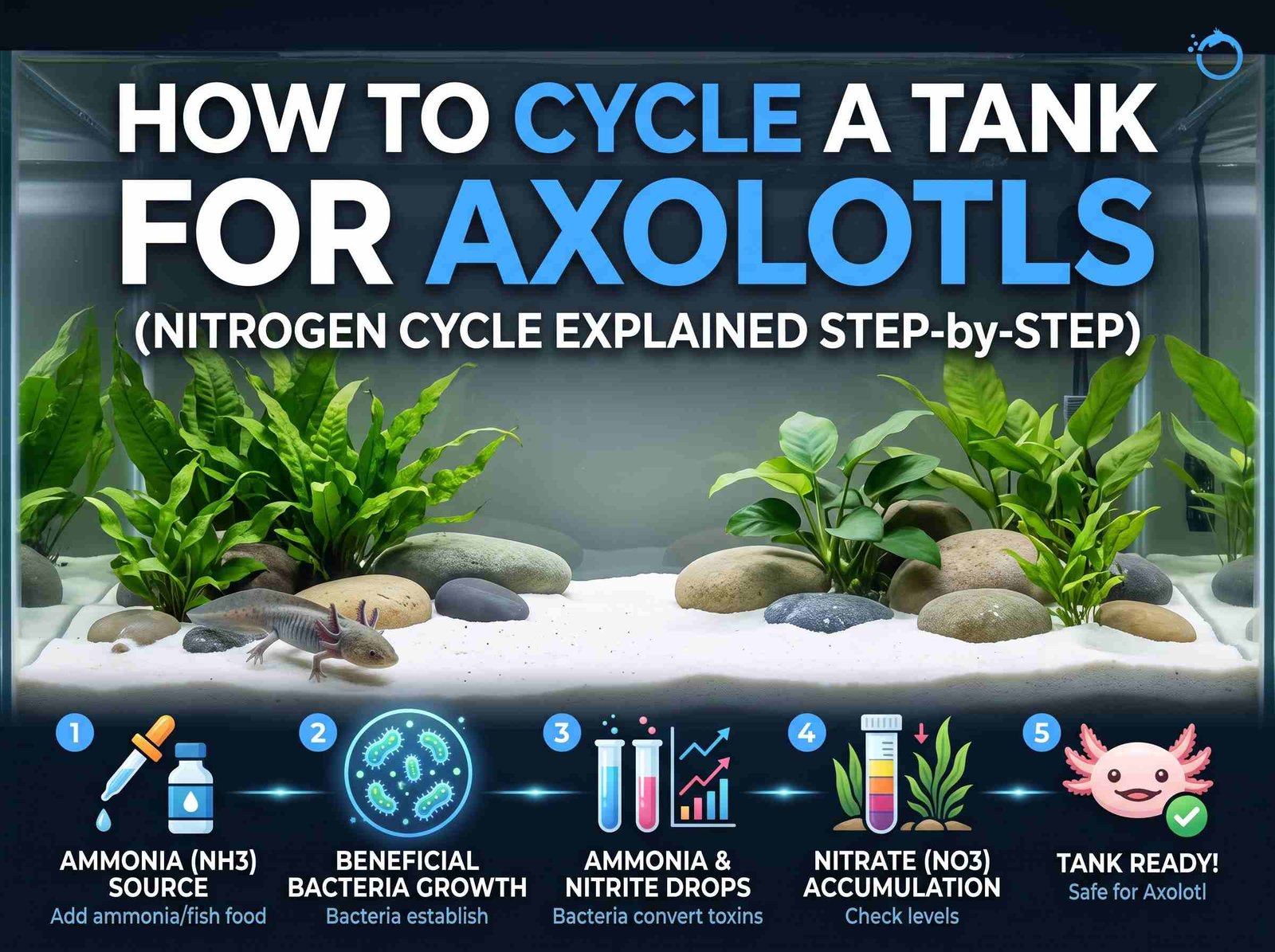
The first step in fishless cycling is to choose an appropriate ammonia source. Commercial ammonia solutions, which are free of fragrances and additives, are ideal for this purpose. Alternatively, some aquarists opt for using fish food or raw shrimp as an organic ammonia source. These methods will slowly release ammonia into the water, feeding the beneficial bacteria that will eventually convert toxic ammonia into nitrites and then into benign nitrates.
Next, it is crucial to monitor water parameters throughout the cycling process. A test kit specifically designed for freshwater aquariums will help track ammonia, nitrite, and nitrate levels. Initially, you may observe ammonia levels rising, often reaching upwards of 2-4 ppm. This is normal and indicates that the ammonia-oxidizing bacteria are establishing themselves in the tank. It is essential to monitor this closely to avoid ammonia toxicity.
Once ammonia begins to decline, nitrite levels will start to rise. This indicates that the first group of bacteria is converting ammonia into nitrites. Continued testing will reveal when nitrite levels peak and subsequently begin to fall, suggesting that the second type of beneficial bacteria is forming. During this time, it is crucial to maintain adequate oxygen levels in the tank, as these bacteria are aerobic and require oxygen to thrive.
After both ammonia and nitrite levels have dropped to zero and you observe a buildup of nitrates, your tank is considered cycled. To verify the success of the fishless cycle, it is beneficial to perform a final test to confirm that you can indeed maintain stable, low levels of ammonia and nitrite under normal conditions. This process may take anywhere from several weeks to a few months, depending on various factors such as water temperature, ammonia source, and overall tank conditions.
Overall, successfully cycling your axolotl tank through the fishless method not only prevents unnecessary stress and mortality among fish but also provides a stable foundation for a healthy aquatic ecosystem. Following these steps diligently will ensure that you are ready to introduce your axolotl and any other tank mates into a safe and balanced environment.
Monitoring Water Parameters Effectively
Monitoring water parameters is a critical aspect of cycling your axolotl tank. This process ensures a stable and healthy environment for your axolotls. Key parameters to monitor during the cycling process include ammonia, nitrite, and nitrate levels. Each of these compounds serves a vital role in maintaining the overall water quality.
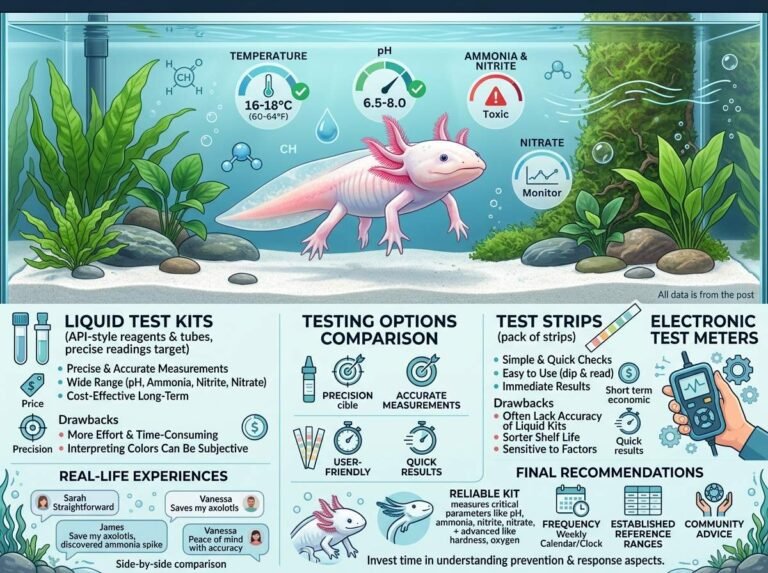
Ammonia is produced as fish waste and uneaten food decomposes. Ideally, the ammonia concentration should remain at 0 parts per million (ppm) during the cycling. Levels above this can be toxic to axolotls. To measure ammonia, hobbyists should utilize a reliable test kit, which is available in liquid or strip forms. Liquid test kits, while slightly more complex to use, tend to provide more accurate readings, which are crucial during the cycling phase.
As the cycling process progresses, beneficial bacteria will establish themselves, converting ammonia into nitrite. Nitrite, like ammonia, can be harmful at elevated levels, and thus, it is imperative to maintain nitrite levels at 0 ppm as well. Regular testing for nitrite levels will indicate whether the cycle is progressing as expected. Test kits for nitrite also come in various forms, but the liquid kits are recommended for their accuracy.
As the beneficial bacteria continue to thrive, nitrite is further converted into nitrate, which is less harmful and should be kept at levels below 40 ppm for optimal axolotl health. Nitrate levels can be monitored using similar test kits, and while they are less toxic, high levels can still pose risks if not managed through regular water changes or proper filtration.
In summary, the successful cycling of your axolotl tank requires diligent monitoring of ammonia, nitrite, and nitrate levels. Employing appropriate testing tools is essential for obtaining accurate readings. Adhering to the ideal ranges for these parameters will help ensure a safe and stable environment for your axolotls.
Signs Your Tank is Cycled
Cycling a tank is an essential process that establishes a stable environment for your axolotl. Recognizing the signs that your aquarium is fully cycled ensures that you are providing a safe and healthy habitat for your pet. One prominent indicator of a cycled tank is the presence of beneficial bacteria. This bacteria thrives in the substrate and filter media, converting harmful ammonia into nitrite and subsequently into nitrate, which is less toxic to your axolotl.
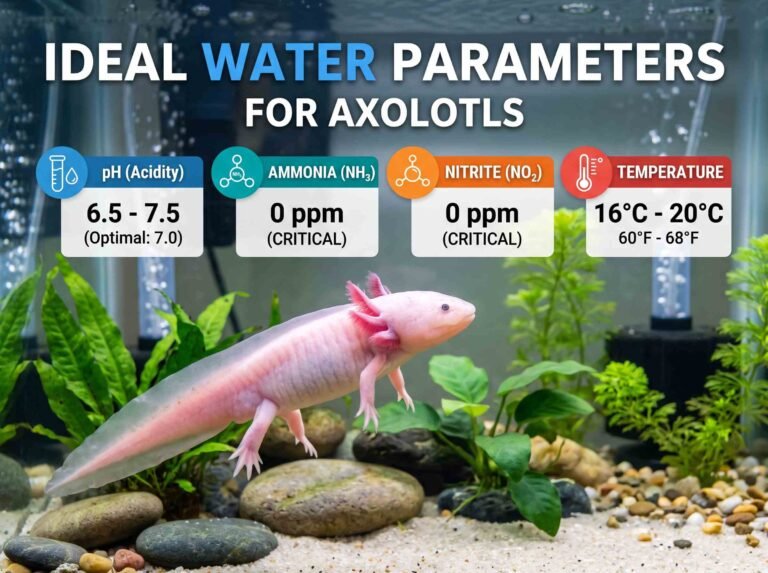
To confirm that your tank is cycled, monitor the ammonia and nitrite levels using a reliable water testing kit. In a fully cycled aquarium, ammonia levels should be at or near zero, followed by nitrite levels that also should be undetectable. The presence of stable nitrate levels, typically below 40 ppm, reinforces that your tank has established a healthy bacterial colony. It is critical to perform regular testing, especially in the weeks following the initial setup, to track these parameters.
Another significant sign that your tank is ready for an axolotl is the consistency of water parameters. A cycled tank will exhibit stable pH, temperature, and hardness levels. For axolotls, a pH level between 6.5 and 8.0 is ideal. Sudden fluctuations in these parameters can indicate an unstable environment, which may not be conducive to an axolotl’s health.
Moreover, observe the clarity of the water. In a properly cycled aquarium, the water should be clear, free of cloudiness caused by algae blooms or bacterial growth. However, minor algae growth can be normal and even beneficial, contributing to the ecosystem within the tank.
Ultimately, monitoring these indicators—ammonia and nitrite levels, stability of water parameters, and water clarity—will give you confidence that your tank is fully cycled and ready to welcome an axolotl into its new home.
Maintaining Balanced Water Conditions Post-Cycling
Once the cycling process for your axolotl tank is complete, maintaining stable water conditions becomes crucial for the well-being of your aquatic pet. Balanced water conditions are key to ensuring a healthy habitat and preventing any potential stress or disease. Here are important practices to consider for maintaining optimal water conditions.
Regular water testing is essential; it allows you to monitor the levels of ammonia, nitrite, nitrate, and pH. Ideally, ammonia and nitrite levels should be maintained at zero, while nitrates should be kept under 40 ppm. Investing in a good quality test kit can provide you with accurate readings, allowing you to make timely interventions when necessary. Testing should be conducted at least once a week, more frequently after initial cycling, to ensure that your tank’s biological filtration is functioning effectively.
Water changes are another vital part of maintaining water quality. To keep nitrate levels in check and remove any accumulated toxins, plan to perform partial water changes of approximately 20-30% every week. This practice not only helps in reducing harmful compounds but also aids in replenishing essential minerals and maintaining stable parameters. When performing water changes, ensure that you use dechlorinated water and adjust the temperature to match the tank environment to avoid shocking your axolotl.
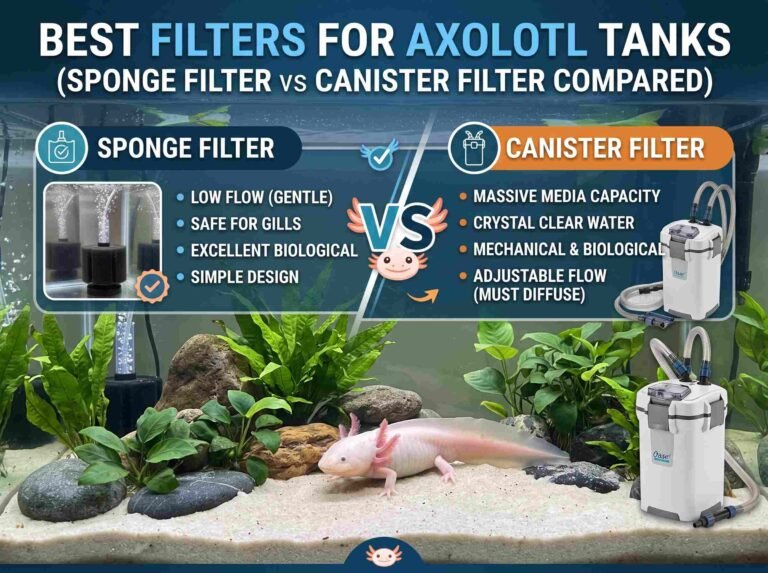
Consider incorporating additional filtration methods if you find maintaining consistent water conditions challenging. A high-quality canister filter or sponge filter can provide enhanced biological filtration. Additionally, using live plants can help in consuming excess nitrates and improving the overall tank environment.
Overall, diligent attention to the maintenance of water conditions in your axolotl tank ensures a stable environment, promoting the health and longevity of your pet. By conducting regular testing, implementing a routine for water changes, and possibly enhancing filtration, you can successfully provide a healthy habitat for your axolotl.
Troubleshooting Common Cycling Issues
Cycling an axolotl tank is crucial for establishing a healthy aquatic environment. However, it is not uncommon to encounter various challenges during this process. One of the main issues aquarists may face is the spike in ammonia levels, which can be detrimental to the health of axolotls. High ammonia concentrations often occur within the first few weeks of cycling, as beneficial bacteria have not yet established themselves. Monitoring ammonia levels is essential; if readings reach above 0.5 ppm, immediate action is necessary.
To address an ammonia spike, partial water changes can be an effective short-term solution. Removing about 25% of tank water and replacing it with fresh, dechlorinated water can dilute harmful levels. It is important to also ensure that the tank has adequate aeration, as this can promote the growth of beneficial bacteria that are crucial for effective cycling. Adding products that contain live nitrifying bacteria can further assist with the breakdown of ammonia and facilitate a smoother cycling process.
In addition to ammonia, nitrite spikes can also pose problems during the cycling phase. Like ammonia, nitrites are toxic to axolotls and should be kept at a minimum. If nitrite levels spike, undertakings similar to those for ammonia spikes can be applied. Regular monitoring, along with water changes, will help manage nitrite levels. Moreover, introducing a few hardy plant species into the tank can aid in absorbing excess nitrites and improving the overall balance of the aquarium ecosystem.
Another potential issue is the growth of undesired algae during the cycling process. Algae can thrive in nutrient-rich environments and can overwhelm the tank, further complicating the cycling phase. Regular cleaning and ensuring that the lighting is not excessive can help mitigate algal growth. Additionally, using algae-eating species may provide natural control over this problem.
By being vigilant and proactive in monitoring water quality, aquarists can navigate these common cycling issues successfully and establish a thriving environment for their axolotls.