Introduction to Axolotl Health
Axolotls, also known as Mexican salamanders, are fascinating aquatic creatures that have garnered attention as unique pets due to their enchanting appearance and remarkable regenerative abilities. However, like all living beings, axolotls require attentive health monitoring to thrive in captivity. As they possess specific health needs, it is imperative for owners to be aware of the indicators that can suggest potential health issues.
Regular health assessments play a vital role in maintaining the well-being of axolotls. These can involve observing their physical condition, behavior, and environment. For instance, changes in an axolotl’s color, activity level, or appetite may signal an underlying health concern. Additionally, the presence of lesions, swellings, or abnormal gill conditions can indicate disease or environmental stressors affecting their health.
Understanding the unique biology and habits of axolotls is crucial for their owners. Unlike other pets, axolotls are completely aquatic and respire through external gills, which makes them particularly sensitive to water quality and parameters. Owners must be vigilant regarding the temperature, pH, and cleanliness of the water in their habitat, as poor conditions can lead to health complications. Regular water testing and maintenance are essential practices that should become a routine part of any axolotl care regimen.
By familiarizing themselves with common signs of illness, axolotl owners can be proactive in safeguarding their pets’ health. Early detection of symptoms not only facilitates timely intervention but can also prevent the progression of diseases that may compromise the axolotl’s well-being. In the following sections, we will delve deeper into specific diseases that axolotls may encounter, along with effective treatment options to ensure these remarkable creatures remain healthy and vibrant.
Recognizing Symptoms of Illness
For axolotl owners, recognizing the symptoms of illness is crucial in ensuring the health and well-being of these unique aquatic creatures. Axolotls are sensitive animals, and any changes in their behavior, appetite, or physical appearance can indicate potential health issues. This section will highlight key symptoms that should never be ignored.
One of the primary symptoms to observe is a change in behavior. An axolotl that is normally active may become lethargic or hide more than usual. It is essential to differentiate between normal resting behavior and signs of distress. If an axolotl avoids interaction or remains motionless at the bottom of the tank, it could signal a health problem.
Alterations in appetite also serve as significant indicators of illness. A healthy axolotl typically exhibits a consistent feeding pattern. If your axolotl suddenly refuses food or shows disinterest during feeding times, this could point to underlying issues. It is essential to monitor these changes closely, as a prolonged lack of appetite can lead to severe health consequences.
Additionally, physical appearance plays a vital role in identifying illness. Owners should regularly inspect their axolotls for any abnormalities, such as discoloration, swelling, or lesions on the skin. Changes in gill color, such as becoming pale or non-vibrant, can also be alarming signs. Any noticeable growths or deformities should be assessed by a veterinarian specialized in aquatic animals.
In conclusion, recognizing the symptoms of potential illnesses in axolotls involves careful observation of behavior, appetite, and physical characteristics. By staying vigilant and understanding the typical health indicators, axolotl owners can take proactive measures to ensure their pets remain healthy and vibrant.
Common Axolotl Diseases Overview
Axolotls, known for their unique regenerative abilities and aquatic habitats, are susceptible to various diseases that can significantly impact their well-being. Awareness of these common diseases, their causes, and potential treatments is essential for any axolotl owner. This overview highlights prevalent conditions that may affect axolotls and their health.
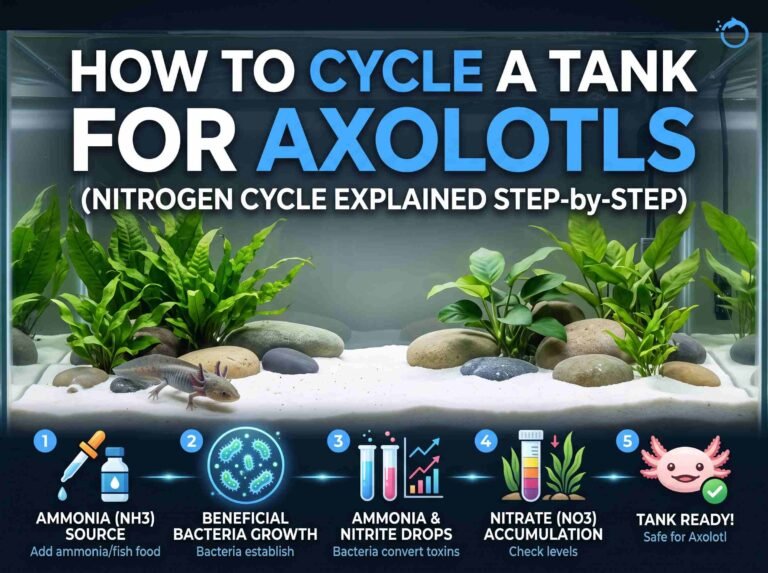
One of the most frequently encountered issues is gill rot, a disease commonly caused by poor water quality and excessive bacteria. Gill rot manifests as inflammation and discoloration of the gills, often leading to difficulty in breathing for the affected axolotl. It’s crucial for owners to maintain clean water conditions and monitor parameters like ammonia, nitrite, and nitrate levels to prevent this condition.
Fungal infections are another significant concern, generally arising from stress or injury. These infections often present as white or cotton-like spots on the skin or gills of the axolotl. Treatment typically involves adjusting water conditions, administering antifungal medications, and ensuring the axolotl’s environment is stress-free.
Additionally, axolotls are prone to skin infections and bacterial diseases. Symptoms may include discoloration, lesions, or abnormal behavior. Such infections often occur as a result of stress factors or suboptimal water conditions. Treatment includes improving water quality, administering antibiotics in severe cases, and isolating affected individuals to prevent the spread of disease.
Parasites can also affect axolotls, leading to various health issues. Common internal and external parasites can cause symptoms ranging from weight loss to skin irritation. Identifying the type of parasite is vital, as treatments will vary accordingly.
Recognizing these common diseases and their causes can greatly assist in promoting the health and lifespan of axolotls. With timely intervention and proper care, many axolotl ailments can be effectively treated and managed, ensuring these fascinating creatures thrive in captivity.
Gill Disease and Treatment Options
Gill disease in axolotls is a significant health concern that can lead to serious complications if not appropriately addressed. The gills of axolotls, which are essential for respiration, can be susceptible to several ailments caused by environmental stressors, pathogens, or poor water quality. Observing for symptoms early on is crucial for effective management and treatment.
Common symptoms of gill disease include discoloration, excessive mucus production, and visible lesions on the gills. Axolotls may also exhibit behavioral changes such as gasping for air at the surface, lethargy, or erratic swimming patterns. Monitoring these signs can help in the early identification of issues, allowing for timely interventions.
One prevalent cause of gill disease is the presence of pathogens such as bacteria and fungi, which can thrive in water that is not properly filtered or maintained. Other factors include sudden changes in water temperature or pH, which can stress axolotls and compromise their immune systems. Poor nutrition may also contribute to their susceptibility to gill infections.
Treatment options for gill disease often depend on the underlying cause. If the issue is related to bacterial infection, broad-spectrum antibiotics may be recommended. It’s critical to consult with a veterinarian knowledgeable about amphibian care to determine the most appropriate medication and dosage. For fungal infections, antifungal treatments can be effective. Additionally, ensuring that the water quality meets the necessary parameters is essential; performing regular water changes and using high-quality filters can mitigate further stress on the axolotls.
In conclusion, recognizing the symptoms of gill disease in axolotls is vital for implementing effective treatment strategies. By maintaining optimal water conditions and monitoring the health of these animals closely, owners can help prevent the onset of gill diseases and contribute to the overall well-being of their axolotls.
Skin Infections: Causes and Remedies
Axolotls, with their delicate skin and aquatic habitat, are susceptible to various skin infections that can arise from several factors. Understanding these infections is crucial for maintaining their health and ensuring proper care. One of the prevalent causes of skin infections in axolotls is the presence of bacteria, often occurring due to poor water conditions or injury to the skin. The most common bacterial infections include Aeromonas and Pseudomonas, which can lead to symptoms like redness, swelling, and lesions.
Additionally, fungal infections, such as those caused by Saprolegnia, can occur when axolotls are stressed or have weakened immune systems. This fungus appears as a cotton-like growth on the skin, often exacerbated by high organic waste in their environment. It is essential to keep the water clean and well-oxygenated to prevent these situations.
The presence of parasites can also lead to skin infections, with Ichthyophthirius multifiliis being a notable example. This protozoan parasite causes irritation, leading to scratching against surfaces, which can result in open wounds and secondary bacterial infections. Maintaining a stable environment and monitoring for changes in behavior can help identify these infections early.
When treating skin infections, the first step is to improve the water quality. Regular water changes and the use of appropriate filtration systems can significantly aid in recovery. For mild infections, topical treatments can be effective. Products containing antibiotics, antifungal creams, or herbal remedies can be applied directly to affected areas. Another important aspect of treatment involves adjusting care routines, such as reducing stressors and ensuring adequate nutrition to support the axolotl’s immune system.
In addition to topical treatments, in severe cases, a veterinarian’s intervention may be necessary, which may involve systemic treatments or injectable medications. Monitoring the axolotl’s progress regularly is vital during the treatment process to ensure a successful recovery.
Swimming Issues and Their Implications
Axolotls, known for their unique aquatic lifestyle, can experience various swimming problems that may indicate underlying health issues. Among the most common difficulties are buoyancy problems and lethargy, both of which can significantly impact the well-being of these creatures.
Bouancy problems in axolotls can manifest as floating near the surface or sinking to the bottom. These issues can arise due to a variety of reasons, including improper water conditions, an imbalance in diet, or the presence of gas bubbles in their bodies. For instance, if the water quality is poor, it may lead to stress, making it difficult for axolotls to maintain their buoyancy. It is crucial that aquarium owners regularly test the water for ammonia, nitrite, and nitrate levels, ensuring a safe environment for their pets.
Lethargy is another sign that axolotls may be struggling with swimming issues. This behavior often suggests that they are either unwell or stressed. Factors contributing to lethargy in axolotls can be related to environmental stressors, such as water temperature fluctuations or inadequate hiding spots. It is essential for caregivers to create a comfortable habitat, complete with proper filtration, steady temperatures, and appropriate substrate.
Addressing swimming problems requires a multi-faceted approach. First, establishing optimal water conditions is vital. Regular water changes and the addition of dechlorinated water can prevent toxic buildup and promote overall health. Next, monitoring feeding habits is important, as a diet high in protein can lead to buoyancy issues if not balanced with fiber-rich foods. If axolotls display persistent buoyancy or lethargy, consulting a veterinarian with experience in aquatic species may be necessary for advanced treatment options.
In conclusion, understanding swimming issues in axolotls is essential for maintaining their health. By recognizing the symptoms of buoyancy problems and lethargy and addressing the various contributing factors, caretakers can improve the quality of life for these fascinating creatures.
Preventative Care: Keeping Your Axolotls Healthy
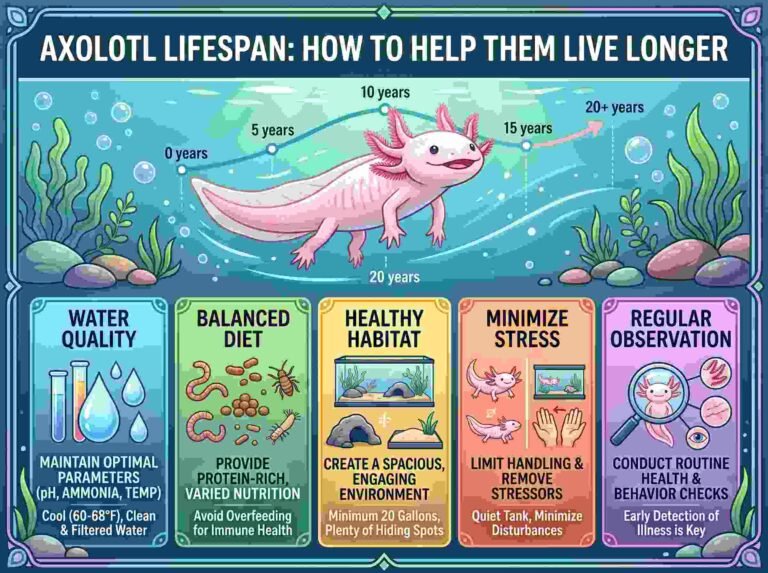
Ensuring the optimal health of axolotls begins with understanding the essential aspects of their preventative care. The housing environment, diet, and regular maintenance play critical roles in disease prevention. Properly configured habitats help to create a stress-free environment that is conducive to the well-being of these unique amphibians.
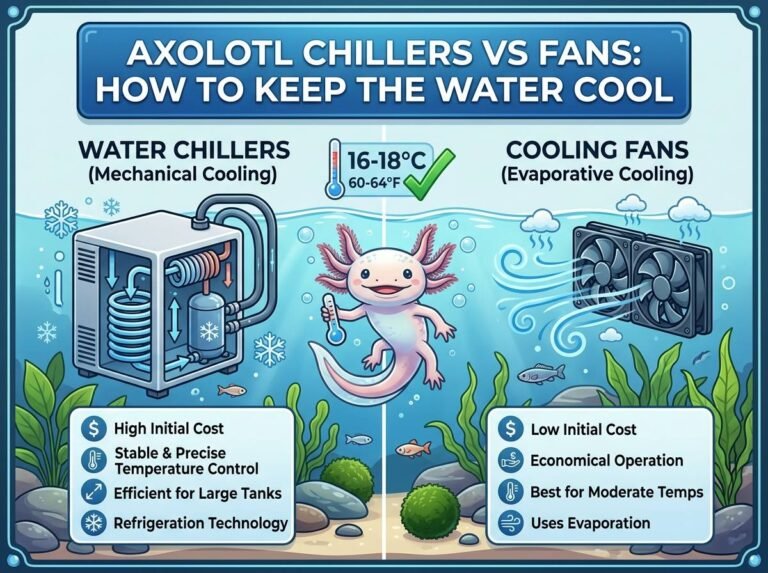
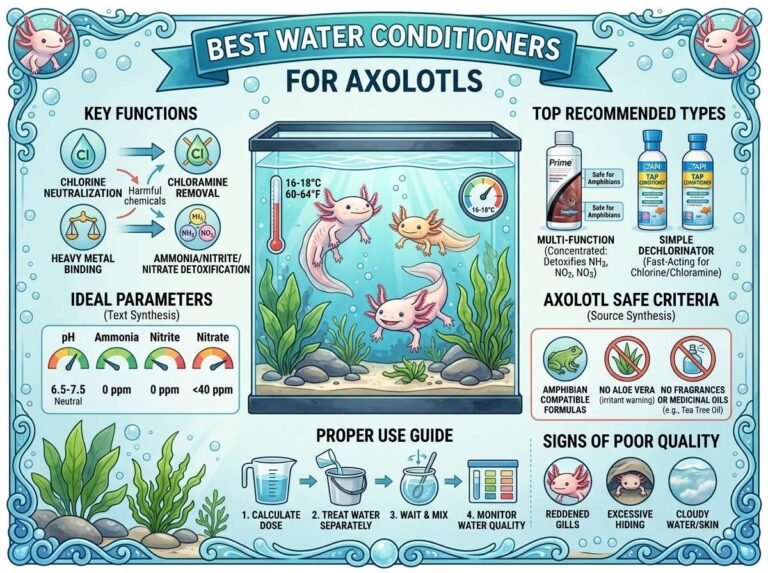
Firstly, housing is fundamental. Axolotls require aquatic environments that mimic their natural habitat, featuring clean, dechlorinated water maintained at a stable temperature ranging from 16°C to 18°C (60°F to 64°F). Using filtration systems can help maintain water quality, but it is important to avoid strong currents that may stress the axolotls. Regularly monitoring the water parameters, including pH levels and ammonia content, is crucial. Additionally, providing sufficient space in the tank is vital, as cramped conditions can lead to territorial disputes and increased stress levels.
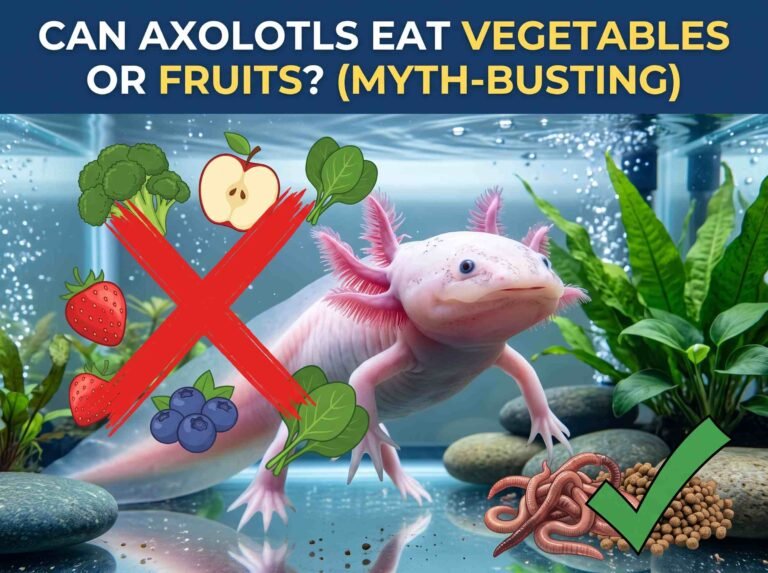
Feeding is another pivotal aspect of preventative care. An appropriate diet consisting of high-quality pellets, earthworms, and other protein-rich foods ensures that axolotls receive the necessary nutrients for growth and health. It is wise to feed them 2-3 times a week, adjusting portion sizes carefully to prevent overfeeding, which can lead to health complications. Uneaten food should be promptly removed to maintain water quality.
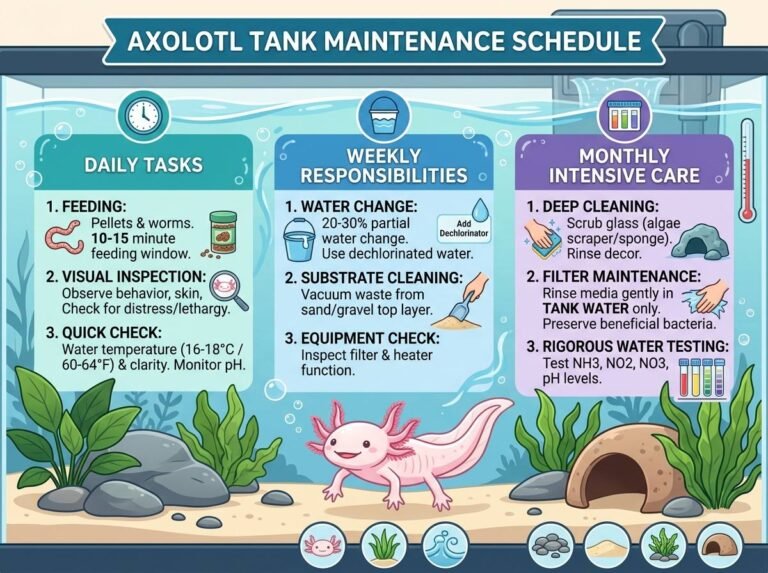
Regular maintenance routines, including partial water changes and tank cleaning, can greatly diminish the chances of disease outbreaks. A clean environment reduces harmful bacteria and toxins that may compromise the axolotls’ immune systems. Observing your axolotls for any signs of illness or distress is equally crucial; early detection can significantly enhance treatment outcomes. By committing to a thorough approach encompassing housing, diet, and maintenance, owners can create a healthy environment that minimizes the risk of diseases and promotes the longevity of their axolotls.
When to Seek Veterinary Help
Axolotl owners should maintain a vigilant observation of their pets to identify any signs of distress or illness. Recognizing when to seek veterinary help is crucial for the health and well-being of these unique amphibians. Signs that indicate it may be time to consult a veterinarian include, but are not limited to, unusual swimming patterns, lack of appetite, visible lesions, or behavioral changes. If you notice any of these symptoms, do not hesitate to reach out to a veterinarian.
It is also important to be aware of specific diseases that can affect axolotls, such as gill disease or fungal infections. These conditions can escalate quickly if not addressed timely, so awareness is key. When your axolotl exhibits severe lethargy, excessive scratching against surfaces, or bloating, these could be symptoms of a more serious underlying condition. Early detection is vital; therefore, monitoring your axolotl regularly is essential.
Finding a veterinarian with expertise in exotic pets, particularly amphibians, is critical. Not all veterinarians have the training or experience to treat axolotls effectively. You can start by searching online databases or reaching out to local pet stores that may offer recommendations. Visiting veterinary schools or exotic pet clinics can also provide resources to help locate an appropriate veterinarian.
During your visit, be prepared to discuss your axolotl’s habitat, diet, and any observed symptoms. The vet may conduct a physical examination and possibly perform tests to diagnose the issue accurately. Understanding that treatment methods could vary widely based on the diagnosis can help set your expectations. Overall, establishing a good relationship with a veterinarian who understands axolotls is essential in ensuring the long-term health of your pet.
Conclusion and Final Thoughts
In conclusion, understanding the common axolotl diseases and their various treatments plays a crucial role in ensuring the health and well-being of these unique aquatic pets. Throughout this blog post, we have discussed several prevalent ailments that can afflict axolotls, including bacterial infections, fungal outbreaks, and the effects of poor water quality. Each of these conditions poses significant risks, highlighting the importance of vigilance among axolotl owners.
Proper care and maintenance of an axolotl’s environment are paramount in preventing disease. Regular water quality testing, maintaining suitable temperatures, and providing a balanced diet are all essential steps that caregivers must be proactive about. By being vigilant and observant of any changes in behavior or physical appearance, such as fluctuations in appetite or the presence of lesions, owners can catch potential health issues early on.
Moreover, staying informed and educated on the latest research and advancements in axolotl care can empower owners to make better decisions for their pets. Engaging in communities, such as online forums or local axolotl clubs, allows one to share experiences and learn from others who share a passion for these fascinating creatures. By fostering a strong network of support and information exchange, caregivers can enhance their knowledge and skills specific to axolotl care.
Ultimately, the joy of having an axolotl as a pet comes with a responsibility to maintain its health. By understanding common diseases and their treatments, and by staying informed, owners can provide the optimal care needed for their axolotls to thrive in a healthy and supportive environment. The commitment to ongoing education and proactive measures will ensure that both the owner and the axolotl can enjoy a fulfilling companionship for years to come.