Understanding the Nutritional Needs of Axolotls
Axolotls are fascinating aquatic creatures that have specific dietary requirements to thrive in captivity. Understanding these needs is crucial for ensuring their health and well-being. A balanced diet primarily consists of protein-rich foods, which can include earthworms, bloodworms, and specialized pellets designed for axolotls. These foods not only supply essential nutrients but also provide the necessary protein that supports their growth and metabolic functions.
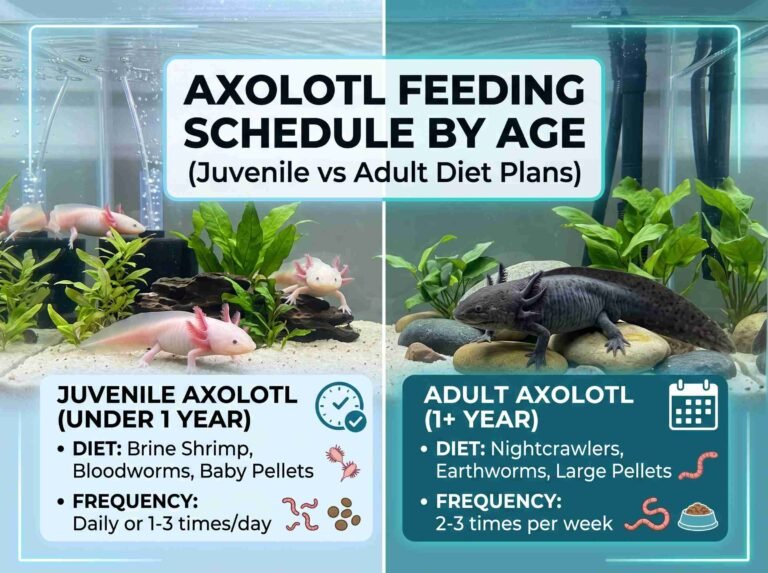
As axolotls age, their nutritional requirements evolve. Juvenile axolotls, for instance, require more frequent feedings compared to adults. It is generally recommended to feed juvenile axolotls daily, providing small portions that they can consume within a few minutes. As they transition into adulthood, the feeding frequency can typically be reduced to two to three times a week. This adjustment helps to prevent issues related to overfeeding, which can lead to obesity and health complications.
Portion sizes play a significant role in the dietary management of axolotls. A common guideline is to provide food that is roughly the size of their head, ensuring that they can easily consume it without difficulty. Feeding larger portions can not only increase the risk of overfeeding but also create an environment where uneaten food leads to water contamination. Additionally, ensuring a varied diet can keep axolotls engaged and help in meeting their comprehensive nutritional needs.
Overall, monitoring the dietary intake of axolotls through age-appropriate food types, frequency, and portion sizes is essential. A well-balanced diet promotes healthy growth and supports their unique physiological requirements. Regular observation and adjustment to their feeding regimen based on their growth stages will contribute significantly to their long-term health.
Recognizing the Signs of Overfeeding
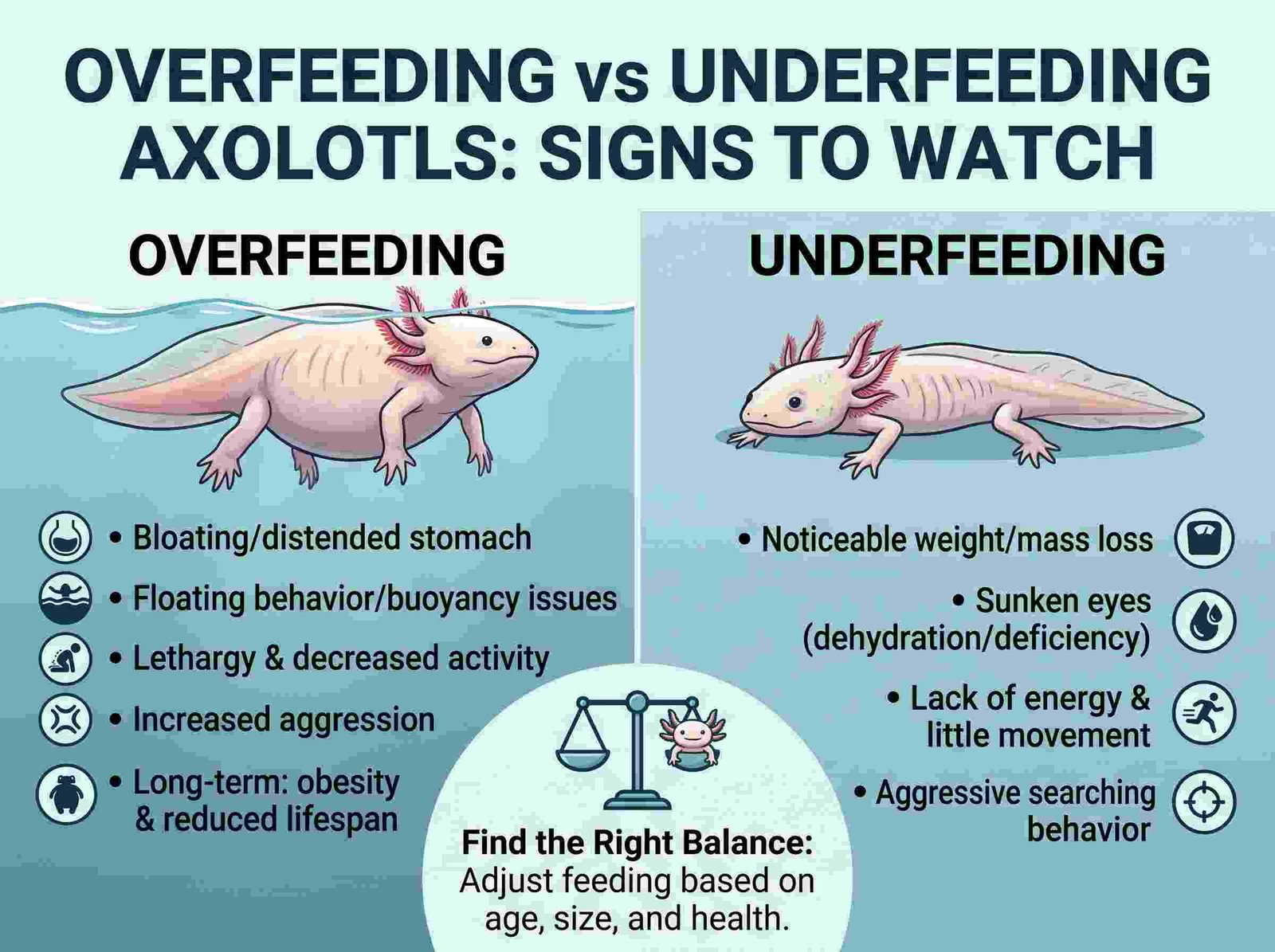
Overfeeding axolotls can lead to a variety of health issues, making it essential for pet owners to be aware of the signs that indicate their axolotl may be receiving excessive amounts of food. One of the first visible signs of overfeeding is bloating, where the body of the axolotl appears swollen or distended. This physical manifestation can often be observed shortly after meals, particularly if the animal is given too much food at once.
Another indicator of overfeeding is floating behavior. A healthy axolotl should typically rest at the bottom of its habitat; however, overnutrition can cause them to become buoyant, resulting in floating for prolonged periods. Floating can be a concerning symptom, as it may indicate that the axolotl is experiencing discomfort or gastrointestinal distress due to excessive food intake.
Besides these physical changes, there are also behavioral signs that suggest an axolotl is overfed. One example is lethargy or a noticeable decrease in activity levels. If an axolotl seems less energetic than usual or is spending excessive time hiding, it may be a sign that it has eaten too much or is feeling unwell. Additionally, an increase in aggression or unusually slow responses to stimuli could indicate distress related to overfeeding.
Lastly, it’s important to consider the long-term health consequences of chronic overfeeding. This can lead to issues such as obesity, which may result in complications like joint problems or a reduced lifespan. Monitoring these signs can help ensure that axolotls remain healthy and active within their environments, ultimately contributing to their well-being and longevity.
Identifying Symptoms of Underfeeding
Underfeeding axolotls can lead to several concerning symptoms that signal inadequate nutrition. These symptoms are crucial for owners to recognize, as they directly impact the health and well-being of these unique amphibians. One of the most immediate signs of underfeeding is weight loss. An axolotl that is not receiving enough food will begin to lose body mass, which can be alarming for both the animal and its owner. Monitoring the weight of your axolotl is essential; any noticeable drop should prompt a reassessment of the feeding regimen.
Another visible indicator of possible underfeeding is the axolotl’s eyes. Healthy axolotls typically have bright, round eyes; however, undernourished individuals often exhibit sunken eyes. This symptom can indicate dehydration or overall nutritional deficiency and should not be overlooked. Observing your axolotl for any changes in eye appearance can provide early warnings of underfeeding.
Lack of energy is also a hallmark of underfed axolotls. A well-nourished axolotl is generally active and curious, exploring its environment. In contrast, an underfed axolotl may appear lethargic, spending extended periods in one spot and showing little interest in its surroundings. This lack of movement can also lead to further health complications, highlighting the importance of proper nutrition.
In addition to these symptoms, axolotl caretakers must ensure that their pets receive a balanced diet tailored to their specific needs. Quality food choices rich in nutrients are vital for maintaining a healthy axolotl. Regularly assessing feeding frequency and portion sizes can help prevent the detrimental effects of underfeeding, ensuring that these fascinating creatures thrive in their aquatic habitats.
The Importance of a Balanced Diet for Axolotls
Providing a balanced diet is crucial for the overall health and well-being of axolotls. A well-rounded diet not only supports their growth but also aids in their metabolic functions and immune responses. It is essential to offer a variety of food options to ensure that your axolotls receive the necessary nutrients they require at different life stages.
One of the primary components of an axolotl’s diet should be protein. Live foods such as bloodworms, brine shrimp, and earthworms are excellent sources of protein, contributing to muscle development and energy. Additionally, when selecting frozen or dried alternatives, it is critical to ensure they maintain high protein levels and are free from unnecessary fillers. This focus on protein helps replicate the natural diet that axolotls would have in the wild, promoting optimal health.
Fats are another important dietary component for axolotls; however, they must be introduced in moderation. Fats are a necessary energy source that helps with cellular functions and hormone production. Rotifers and some types of fish can provide the necessary fat content, ensuring energy levels remain stable without leading to issues associated with overfeeding.
Besides proteins and fats, vitamins play a significant role in the balanced diet of axolotls. Vitamins such as A, D, and E help maintain skin health, boost the immune system, and support overall vitality. Commercial axolotl foods often contain essential vitamins, but it is beneficial to supplement their diet with fresh foods, such as leafy greens and specific fruits, in moderation. Such choices can improve the variety of nutrients they receive, contributing positively to their health and longevity.
Overall, ensuring a balanced diet that includes a variety of food types offers axolotls the best chance for a healthy and thriving life. By focusing on protein, fats, and vitamins in their diet, owners can significantly influence their beloved pets’ growth and health outcomes.
Feeding Habits: How Often Should You Feed Your Axolotl?
Feeding axolotls appropriately is crucial for their health and well-being. The frequency of feeding should vary according to the age and size of the axolotl, as these factors significantly impact their nutritional needs. Generally, younger axolotls require more frequent feeding because they are in their growth stages. Hatchlings and juvenile axolotls, roughly up to six months old, may need to be fed daily to facilitate proper growth and development. It is advisable to offer them food once a day to ensure they receive enough nutrients necessary for their rapid size increase.
As axolotls mature, the feeding frequency can be adjusted. Adult axolotls, those older than six months, typically require less frequent feeding, and a schedule of two to three times per week is adequate. This change helps to maintain a healthy diet while preventing obesity, which can occur if they are overfed. It’s essential to monitor their body condition and adjust feeding based on their health status. Overfeeding adult axolotls can lead to various health problems, including swim bladder issues and increased waste production, which can negatively affect their aquatic environment.
Aside from age, individual size can also dictate how often to feed axolotls. Larger axolotls may consume larger portions, which can suffice for a longer period without the need for daily meals. Observing their behavior post-feeding can also offer insights into whether their feeding schedule is appropriate. If they consistently seem hungry, it may be necessary to increase their meal frequency slightly. Conversely, if some axolotls display a lack of interest in food or are gaining significant weight, it may indicate that the feeding frequency is too high.
Adjusting Feeding Practices Based on Lifecycle Stages
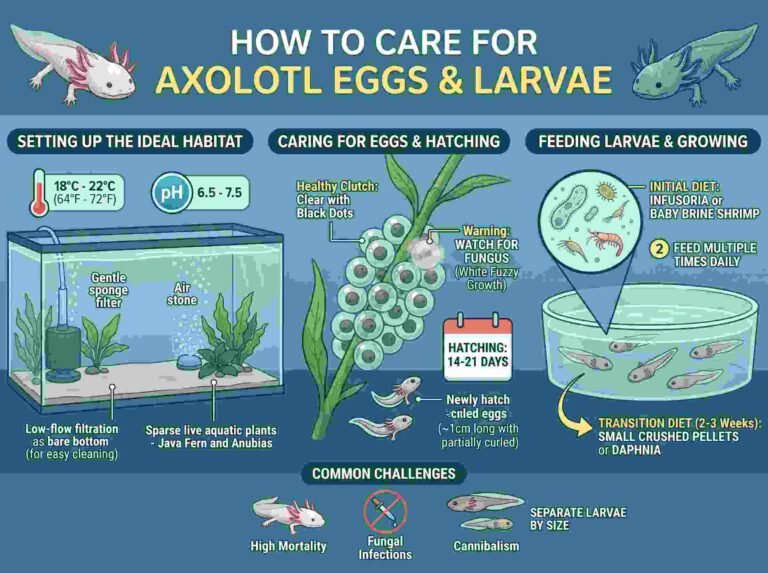
Feeding practices for axolotls must be adjusted according to their lifecycle stages, as their nutritional requirements change significantly from larvae to adult forms. Initially, axolotl larvae have high protein needs to support their rapid growth, requiring specialized diets rich in nutrients.
During the larval stage, which lasts from hatching to about eight weeks, axolotls primarily consume live food such as brine shrimp, daphnia, and finely crushed pellets designed for fry. This stage is critical as the larvae are developing essential organs and structures. Providing the correct quantity and type of food is crucial; overfeeding can lead to health complications, while underfeeding may result in stunted growth. A consistent feeding routine should be established to monitor their intake accurately.
As axolotls transition into their juvenile phase, approximately eight weeks to several months, their diet can start including larger food items, such as earthworms, small pieces of fish, or commercially available axolotl pellets. At this stage, it is essential to observe their feeding habits, ensuring they receive adequate nutrition without excessive portions. Adjustments should be made according to their size and activity level, leaning towards feeding every few days rather than daily to help regulate their growth and digestion.
Entering adulthood, which typically occurs after 12 months, axolotls require a well-balanced diet that incorporates a variety of protein sources. Adult axolotls can be fed less frequently, about two to three times a week, as they are less active than juveniles. A varied menu not only provides essential nutrients but also prevents dietary deficiencies. Regularly rotating the types of food offered will ensure a well-rounded diet and promote a healthy lifestyle.
In conclusion, understanding and adjusting feeding practices tailored to each lifecycle stage is vital for the health and longevity of axolotls. Monitoring their growth and condition can help aquarists make informed dietary decisions that promote optimal health throughout their development.
Tips for Efficient Feeding Practices
Effectively managing feeding routines for axolotls is crucial for their health and well-being. As aquatic creatures, axolotls require specific feeding practices to ensure they receive the right amount of nourishment while minimizing food wastage. Below are practical tips that can assist axolotl owners in establishing an efficient feeding routine.
First and foremost, portion control is essential. Overfeeding can lead to serious health issues, including obesity and water quality deterioration, while underfeeding may cause malnutrition. A recommended approach is to feed axolotls small portions that they can consume within a few minutes. Observing their eating habits will help in determining the ideal portion sizes. Typically, younger axolotls will require more frequent feedings compared to adult axolotls.
Another effective strategy is to use appropriate feeding dishes. Floating feeding platforms or shallow bowls can be beneficial as they prevent the food from sinking too quickly. This not only makes it easier for axolotls to access their food but also enables owners to observe how much is being consumed and how much is left uneaten. Regularly monitoring leftover food will aid in adjusting portion sizes as necessary to prevent overfeeding.
Additionally, incorporating a variety of food types is important for a balanced diet. Common food options include live worms, specialized pellets, and frozen or freeze-dried foods. Offering different types will not only provide essential nutrients but also stimulate the axolotl’s natural hunting instincts. Varying the diet can also help to identify which foods are preferred, allowing for more effective feeding practices.
Lastly, maintaining a consistent feeding schedule will contribute to the axolotl’s routine and enhance their feeding efficiency. By establishing designated feeding times, axolotl owners can create an environment that promotes healthy eating behavior, further ensuring that these fascinating creatures stay healthy and vibrant.
Common Misconceptions About Axolotl Feeding
When it comes to the proper care of axolotls, misunderstanding their feeding requirements can lead to serious health issues. One prevalent myth is that axolotls can be fed any type of fish or shrimp. While it is true that axolotls are carnivorous and thrive on a diet of protein-rich foods, not all aquatic organisms are suitable for them. For example, live fish can sometimes be carriers of parasites or diseases that can adversely affect healthy axolotl populations. Owners should opt for foods specifically designed for axolotls or provide safe alternatives like earthworms, brine shrimp, and special pellets.
Another common misconception involves the frequency of feeding. Many new axolotl owners believe that more often feeding is always better. In truth, axolotls have slower metabolisms compared to other fish or amphibians. Overfeeding can lead to obesity and related health issues. A more appropriate practice is to feed adult axolotls every two to three days, while younger axolotls may require daily feeding. Adhering to a structured feeding schedule helps maintain their overall health.
Some owners also think that a larger axolotl means a larger stomach and, therefore, the capacity to handle bigger meals. This is misleading, as axolotls can only consume prey that fits comfortably in their mouths, regardless of their size. Offering oversized food can lead to choking or digestive problems. It is crucial to break down larger prey into smaller, manageable portions.
Finally, not all axolotls exhibit the same appetite; each individual has its own feeding preferences and patterns. Understanding these nuances is vital for avoiding both underfeeding and overfeeding. Engaging with credible resources and fellow axolotl keepers can provide invaluable information, helping owners to avoid common pitfalls and ensure their pets live a long, healthy life.
Conclusion: Finding the Right Balance in Feeding Axolotls
Maintaining the health of axolotls requires careful attention to their dietary needs. Striking the right balance between overfeeding and underfeeding is crucial to ensuring these unique aquatic creatures thrive. Both overfeeding and underfeeding can lead to serious health issues, which is why it is essential for axolotl owners to recognize the observable signs associated with each feeding approach.
When axolotls are overfed, they may show signs such as bloating or lethargy. These symptoms are indicative of potential health problems such as obesity, which can lead to further complications. Conversely, underfed axolotls may exhibit weight loss, reduced activity, or even aggressive behavior as they search for more food. Recognizing these signs early can help prevent adverse health outcomes.
To ensure the well-being of axolotls, it is advisable for pet owners to monitor feeding habits closely. This includes measuring the amount of food given, observing the axolotls’ reactions, and adjusting the feeding schedule as necessary based on their growth and health conditions. Consulting with experts or utilizing reliable resources can provide valuable insights into the best practices for feeding axolotls. By doing so, owners can confidently navigate the nuances of their pets’ dietary needs while ensuring their healthy development.
In summary, finding the right balance in feeding axolotls is fundamental for their health. By being vigilant about signs of overfeeding and underfeeding, axolotl owners can create an optimal environment that supports their pets’ overall well-being. Regular evaluations and adjustments, alongside professional guidance, will contribute significantly to the long-term health of these remarkable amphibians.