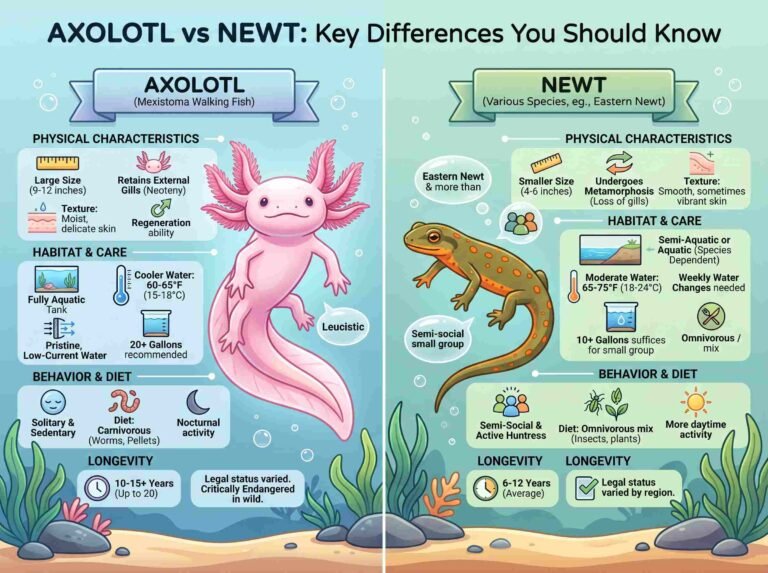
Axolotls have gained immense popularity as pets in recent years, captivating enthusiasts with their unique characteristics and remarkable appearance. One of the most intriguing aspects of axolotls is their color morphs, which refer to the various color variations and patterns these aquatic creatures can exhibit. Understanding axolotl color morphs is essential for both new and prospective owners, as it allows individuals to appreciate the diversity and beauty found within this species.
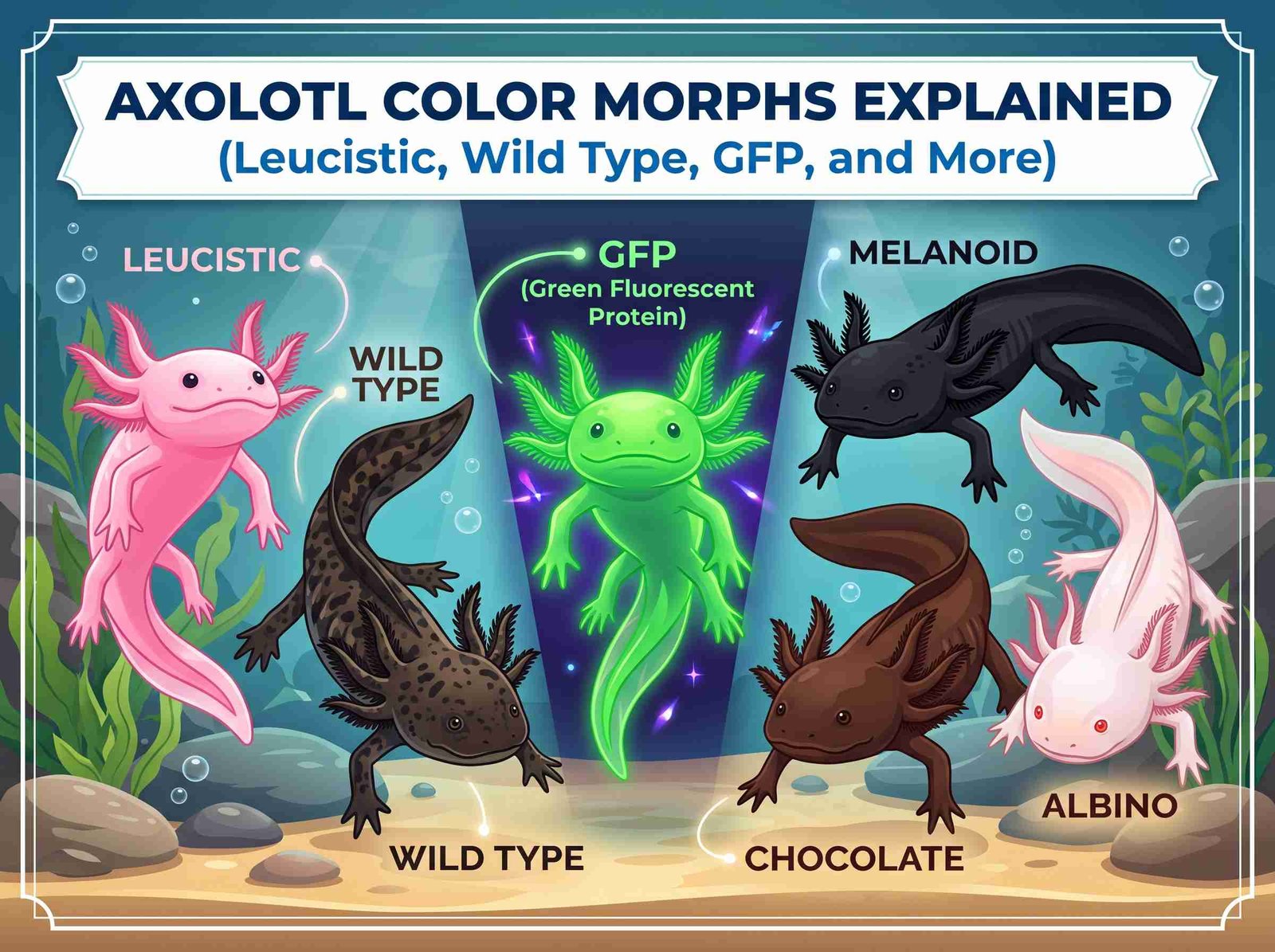
Historically, axolotls were predominantly available in two primary colors: wild type and leucistic. The wild type typically showcases a dark pigmentation with mottled patterns, while leucistic axolotls are characterized by their pale pink or white skin and dark eyes. However, over the years, breeding efforts have expanded the range of color morphs significantly, with the introduction of piebald, golden, and albino variations among others. This evolution in breeding practices illustrates the commitment of dedicated hobbyists and professionals to produce distinct and visually appealing axolotls.
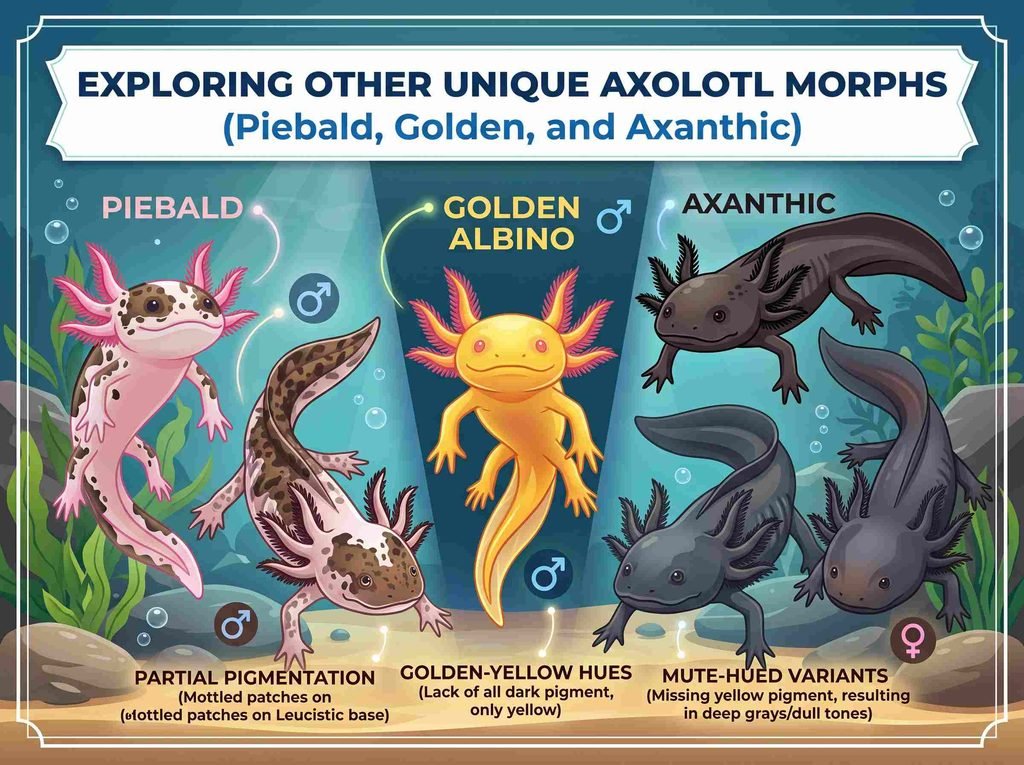
The multitude of colors and patterns present in axolotls not only serves aesthetic purposes but also reflects the genetic diversity of the species. Each morph results from specific genetic traits, making some variations more common than others. For instance, axolotls with the axanthic trait lack yellow pigmentation, resulting in darker hues, while those bred for the golden morph exhibit stunning golden-yellow tones. Such diversity elevates the appeal of axolotls as pet options, appealing to collectors and enthusiasts alike.
As we delve deeper into the world of axolotl color morphs, it becomes evident that each variation offers a unique showcase of beauty. From the traditional colors to the more extravagant ones, the possibilities are extensive. The following sections will explore the most common morphs, elaborating on their distinguishing features and the captivating stories behind them.
Leucistic Axolotls: Characteristics and Care
The leucistic axolotl is a fascinating morph known for its distinctive appearance. Characterized by a pale pink or white coloration, these axolotls showcase transparency that allows for the underlying tissues and structures to be partially visible. This unique color is complemented by striking red or pink eyes, which further enhances their visual appeal. These features not only make them a popular choice among enthusiasts but also contribute to their overall charm in aquaristic environments.
Caring for leucistic axolotls requires attention to several specific factors. Primarily, it is essential to provide a well-maintained aquatic habitat that mimics their natural environment as closely as possible. A spacious aquarium with a minimum of 20 gallons is recommended to ensure adequate swimming space. The water should be kept cool, ideally ranging between 60 to 68 degrees Fahrenheit, as leucistic axolotls are particularly sensitive to temperature changes.
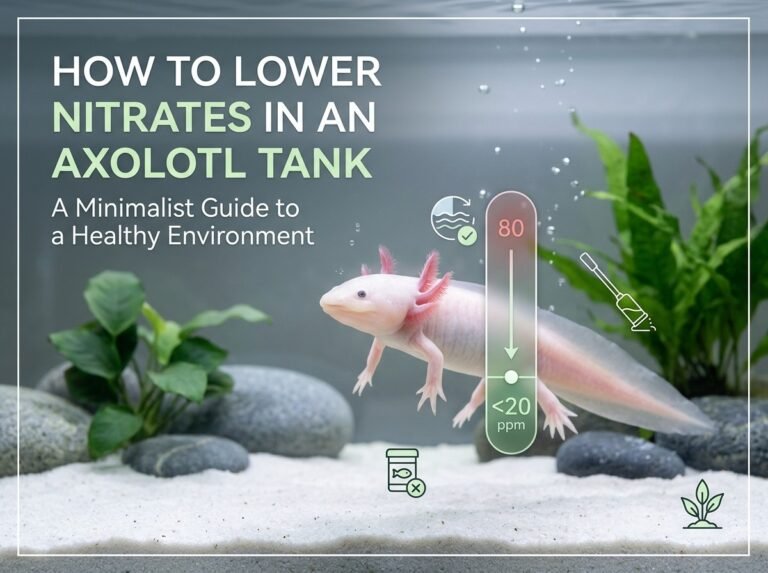
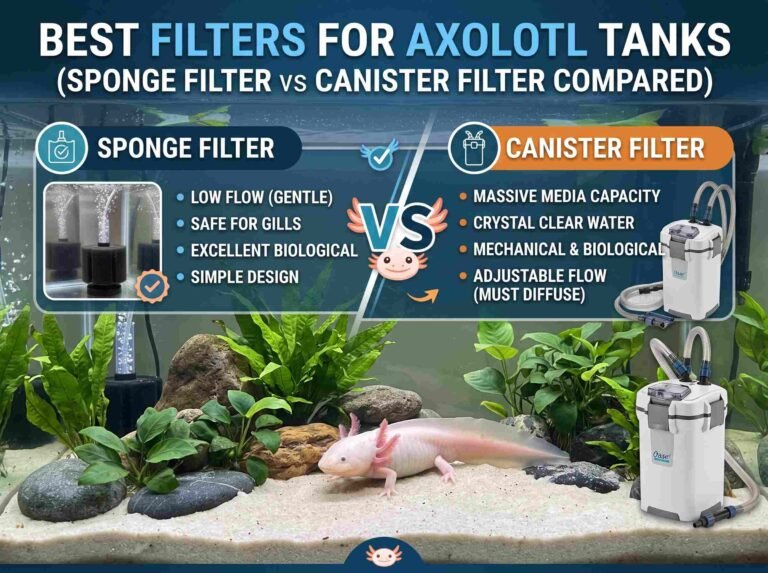
Water quality is crucial for the health of leucistic axolotls. Regular monitoring of pH levels, ammonia, and nitrite concentrations is vital; symptoms of stress or illness may arise from poor water conditions. Implementing a robust filtration system and performing regular water changes will help maintain optimal living conditions. Additionally, providing a substrate that minimizes the risk of ingestion, such as sand or bare-bottom setups, is highly advisable.
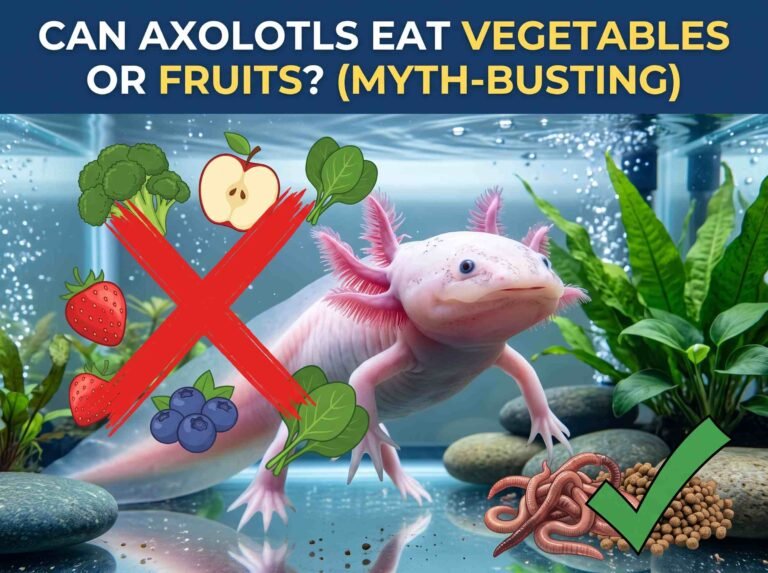
Diet also plays a critical role in the care of leucistic axolotls. They thrive on a balanced diet comprising high-quality pellets, bloodworms, and other live or frozen protein sources. It is important to feed them appropriately sized food to prevent choking.
Leucistic axolotls are not just visually appealing; their care requirements highlight the need for a responsible aquarist committed to ensuring a healthy and thriving environment. With proper care, these enchanting creatures can bring joy and fascination to their owners for many years.
Wild Type Axolotls: The Original Appearance
The wild type axolotl is characterized by its dark coloration, which can range from a deep black to a rich brown, often featuring mottled patterns. This natural coloration serves several purposes in the wild, primarily camouflaging them within their native habitat of lakes and canals in Mexico. By blending in with the substrate and surrounding aquatic plants, wild type axolotls can evade predators more effectively, highlighting the evolutionary advantage of their appearance.
From a genetic perspective, the wild type morph is particularly significant as it represents the original phenotype of the species, Ambystoma mexicanum. This morph is the result of various genetic factors that influence pigmentation and patterning. The presence of certain alleles governs the distribution of dark and light pigments in their skin cells, leading to the beautiful mottled pattern that is distinctively axolotl. Understanding these genetic foundations is crucial for researchers who study axolotl color variations, as it can provide insights into the underlying biology and potential adaptations of other species.
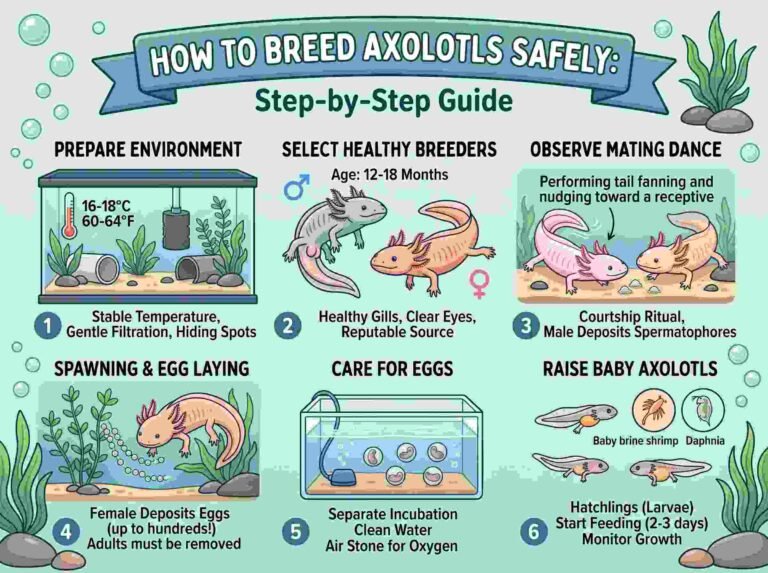
When caring for wild type axolotls, there are specific considerations that enthusiasts should keep in mind. Despite their hardiness, maintaining optimal water quality is critical, as these creatures are sensitive to pollutants and changes in their environment. Additionally, providing adequate hiding spaces within their aquarium setup is essential, helping them feel secure. It is important to combat common misconceptions regarding the care of wild type axolotls, such as the belief that they need to be kept in warm water. In reality, axolotls thrive in cooler temperatures ranging from 16 to 18 degrees Celsius (60 to 64 degrees Fahrenheit). By following proper care guidelines, owners can ensure that their wild type axolotls remain healthy and vibrant.
GFP Axolotls: Glow-in-the-Dark Beauty
Among the various axolotl color morphs, GFP (Green Fluorescent Protein) axolotls stand out due to their remarkable ability to fluoresce under ultraviolet (UV) light. This unique characteristic is attributed to the incorporation of the green fluorescent protein into their genetic makeup, resulting in a vibrant green hue that appears when illuminated by UV light. GFP axolotls serve not only as visually stunning pets but also as subjects for scientific research, offering insights into developmental biology and gene expression.
The origins of the GFP axolotl can be traced back to genetic modifications made in laboratory settings, where scientists have utilized fluorescent genes derived from marine organisms, such as jellyfish. This manipulation allows for the expression of fluorescence in the axolotl, helping researchers in studies related to regenerative medicine and genetics. The advent of GFP axolotls has opened up new avenues for both academic inquiry and the pet trade, captivating enthusiasts and educators alike.
In terms of care requirements, GFP axolotls necessitate the same attention to detail as other axolotl morphs. They thrive in well-maintained aquariums with clean, cool water, and their diet typically consists of high-quality pellets, live food, and protein-enriched offerings. As with all axolotls, it is crucial to maintain stable water conditions, including temperature, pH, and ammonia levels, to ensure their health and longevity.
When considering breeding GFP axolotls, ethical considerations come into play. The intentional manipulation of genetic elements raises questions regarding the long-term effects on the species and ecosystem. Breeders must be conscientious about the health and genetic diversity of their axolotls, ensuring that practices do not lead to unintended consequences in the axolotl populations. Responsible breeding practices must prioritize the welfare of these unique animals while balancing the demand for their captivating appearance.
Melanoid Axolotls: Deep Coloration Explained
Melanoid axolotls are a captivating morph of the axolotl species, renowned for their distinct solid black coloration. This striking appearance is due to a genetic mutation that affects the pigmentation of the skin. Specifically, melanoid axolotls lack the reflective properties seen in other variations, such as leucistic or golden axolotls, which typically exhibit a range of colors and iridescent qualities. As a result, melanoid axolotls present a uniform, deep black surface that is both unique and appealing to aquarists.
The genetics behind the melanoid morph are complex. It involves a recessive gene that inhibits the formation of iridophores, which are responsible for the reflective nature of other color types. Consequently, melanoid axolotls do not exhibit the shiny effect that is characteristic of their relatives, leading to their defined solid appearance. This morph is increasingly popular among breeders and enthusiasts, contributing to a burgeoning market for these fascinating creatures. Collectors often seek melanoid axolotls for their aesthetic appeal and rarity, prompting breeders to develop and showcase this variety in various formats, including online marketplaces and aquarist exhibitions.
Caring for melanoid axolotls requires attention to their specific needs. These axolotls thrive in a cool water environment, ideally maintained at temperatures between 16 to 18 degrees Celsius (60 to 65 degrees Fahrenheit). The water quality also plays a crucial role in their well-being; therefore, regular water changes and monitoring of parameters such as ammonia and nitrite levels are essential. It is important to provide a substrate that minimizes the risk of accidental ingestion, as melanoid axolotls can be susceptible to impaction. Additionally, offering a varied diet that includes high-quality pellets, earthworms, and other protein-rich foods is vital for promoting their health and vibrant coloration.
Chocolate Axolotls: A Sweet Variation
The chocolate morph of axolotls is notable for its rich, deep brown hue, which stands out in the diverse spectrum of axolotl color morphs. This eye-catching coloration is reminiscent of dark chocolate, hence its name. Chocolate axolotls are an exciting addition to the aquarist’s collection, offering a unique aesthetic compared to lighter morphs such as leucistics or albinos. Their brown color can range from a light caramel to an almost black appearance, depending on varying genetic factors. This morph’s coloration results from a specific genetic makeup, which distinguishes it from other morphs, such as the golden or wild types that display different shades and patterns.
Breeding practices to achieve the chocolate morph involve selective breeding of axolotls that display the desired coloration. Breeders often cross chocolate axolotls with each other or with other compatible morphs to maintain or enhance the chocolate hue. This selective breeding must be approached with careful planning and knowledge of genetics to avoid introducing unwanted traits. Additionally, experienced breeders sometimes choose to incorporate axolotls with various patterns or colors in hopes of creating new, striking combinations while preserving the integrity of the chocolate morph.
When it comes to care, chocolate axolotls do not require dramatically different conditions than their counterparts. However, maintaining a clean and stable aquatic environment is crucial to their health. A spacious tank with appropriate filtration is essential, as chocolate axolotls, like other varieties, can be susceptible to stress and illness in poor water conditions. As with all axolotls, a diet consisting of high-quality pellets, live feeds, and occasional treats helps support their growth and overall well-being. Furthermore, monitoring their behavior and subtle changes in appearance is beneficial for early detection of potential health issues.
The Albino Axolotl: Unique Features and Considerations
The albino axolotl is a striking and unique morph, distinguished by its pale whitish or soft pink skin along with its vibrant red or pink eyes. This particular coloration results from a lack of pigmentation, a characteristic trait of the albino variant. While these features make them visually appealing, they also come with specific care requirements that potential owners must consider to ensure a healthy, thriving environment for their axolotl.
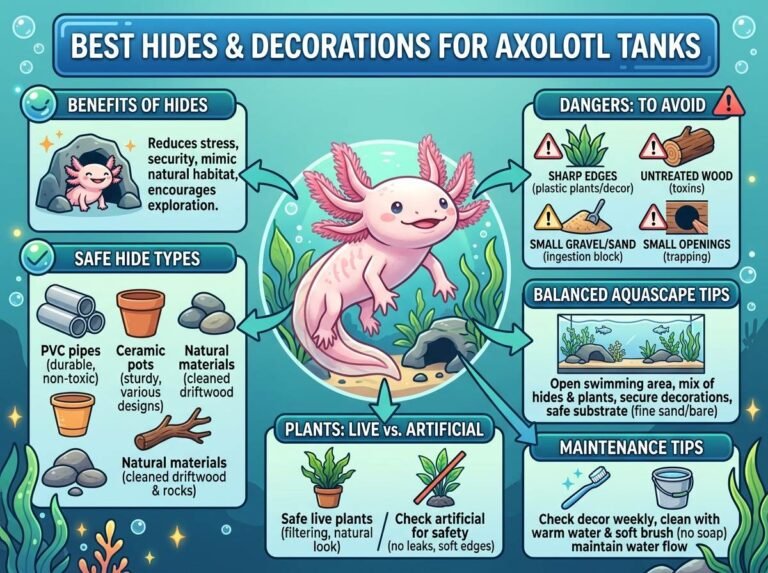
One of the primary considerations when caring for an albino axolotl is their heightened sensitivity to light. Unlike typical axolotls, which can tolerate a broader range of lighting, albino axolotls prefer dimmer lighting conditions. Too much light can lead to stress, as their eyes are not equipped to handle bright environments. Therefore, providing shaded areas within the tank, such as rocks or aquatic plants, can help create a comfortable habitat for these creatures.
In addition to lighting, water quality is crucial for the health of an albino axolotl. They thrive in well-maintained aquatic environments with stable temperatures, ideally between 16 to 18 degrees Celsius (60 to 64 degrees Fahrenheit). It is advisable to use a filtration system that can efficiently maintain clean water without creating strong currents that might stress out these delicate creatures. Regular water testing for ammonia, nitrites, and pH levels is equally important to ensure that the habitat remains safe and suitable.
Feeding an albino axolotl should also take into account their specific needs. It is important to provide a balanced diet that includes high-quality pellets, bloodworms, and other appropriate food sources to promote their growth and overall health. As these axolotls grow, their dietary requirements may evolve, necessitating a review of their food regimen.
Choosing the Right Morph: Factors to Consider
When selecting an axolotl morph, first-time owners should consider several critical factors to ensure they choose the right pet for their lifestyle and preferences. One major consideration is personal preference regarding coloration and appearance. Axolotls are available in a variety of morphs, such as leucistic, golden albino, and melanoid, each with distinctive traits. Thus, it is vital for potential owners to familiarize themselves with the different types of axolotl morphs and choose one that resonates with their aesthetic preferences.
In addition to visual appeal, care requirements associated with each morph should be taken into account. Different axolotl morphs may have varying sensitivities to environmental factors. For instance, certain morphs may be more prone to specific health issues or require particular water conditions. Understanding the care commitments and potential challenges of each morph can significantly influence the owner’s experience. Researching the morph’s specific needs, including tank size, diet, and water quality, is essential for maintaining a healthy environment.
Furthermore, the genetics of axolotl morphs can have implications for breed behavior and lifespan. Some morphs have been observed to exhibit different temperaments and growth rates, which might affect their compatibility with other pets or overall suitability for a household. Owners should also consider the lifespan of the morph; while axolotls generally live up to 10-15 years, certain morphs may have shorter lifespans due to genetic predispositions. By understanding these genetic traits, owners can make an informed decision that aligns with their expectations and lifestyle.
In conclusion, choosing the right axolotl morph involves a careful evaluation of personal preferences, care requirements, and the genetic implications associated with various morphs. A well-informed choice will result in a fulfilling relationship with these unique creatures for years to come.
Conclusion: Embracing the Diversity of Axolotls
In conclusion, the world of axolotl color morphs presents a fascinating array of beauty and diversity that captivates enthusiasts and biologists alike. From the exquisite leucistic with its pale pink hue to the striking melanoid, which displays a deep black appearance, each morph offers unique characteristics that appeal to different individuals. Understanding these variations is vital not only for appreciation but also for the responsible ownership of these remarkable creatures.
Each axolotl morph brings with it special requirements and care considerations that must be taken into account. Therefore, it is crucial for prospective owners to research thoroughly before committing to a particular morph. This knowledge ensures that the axolotls receive the appropriate environmental conditions and dietary needs that vary across different color types.
Moreover, embracing the diversity of axolotls also involves recognizing their ecological significance and ensuring their protection in their natural habitat. The conservation of various morphs underscores the importance of biodiversity, particularly as axolotls face challenges in the wild. As we become more informed about their unique qualities, we can contribute not only to personal enjoyment but also to the conservation efforts surrounding this extraordinary species.
In embracing the distinct qualities of each axolotl morph, we foster better care practices and an appreciation for their cultural and scientific importance. Appreciating these creatures for their diverse colors and patterns enriches our understanding of aquatic life and encourages a responsible approach to their care and conservation. As you embark on your axolotl journey, let the richness of their diversity inspire you to make informed choices that benefit both you and these captivating aquatic salamanders.