Both axolotls and newts have gained significant popularity as aquatic pets, each offering unique qualities that appeal to hobbyists and enthusiasts alike. Understanding these differences can assist potential pet owners in making informed choices regarding their aquatic companions.
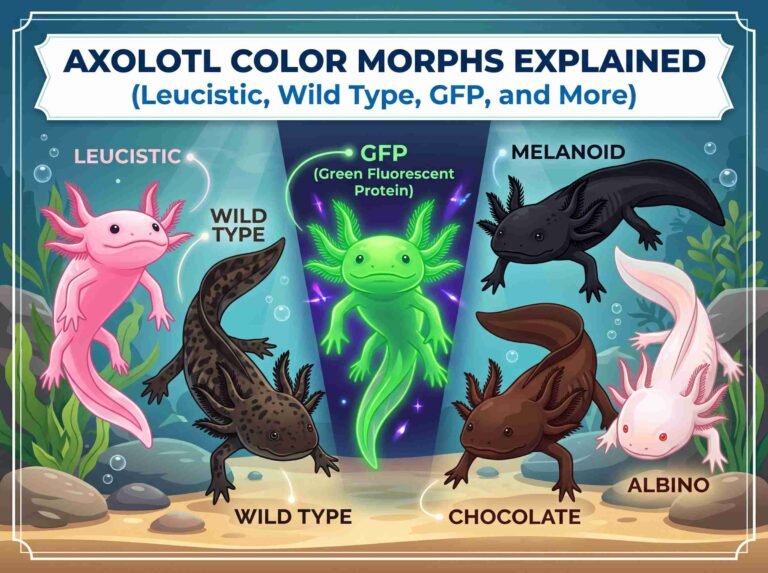
Axolotls, scientifically known as Ambystoma mexicanum, are remarkable creatures native to the lake complex of Xochimilco near Mexico City. These amphibians are particularly notable for their stunning array of color morphs, including the captivating leucistic, golden albino, and wild-type variants. Physically, axolotls are distinguished by their feathery external gills, which extend from the sides of their heads, giving them a unique and striking appearance. Their ability to regenerate limbs and even parts of their heart and brain further adds to their fascination, making them not just pets, but subjects of scientific study.
Newts, on the other hand, belong to the family Salamandridae and are found across various regions, including North America and Europe. These amphibians often have slim, elongated bodies and smooth skin that can exhibit vibrant colors and patterns, varying significantly by species. Newts also undergo a unique life cycle comprising both aquatic and terrestrial stages, which can be observed in species such as the Eastern Newt. Their behavior is typically more active than that of axolotls, often involving more interaction with their environment and occasional climbing out of the water to explore.
Both axolotls and newts exhibit unique behavioral traits. Axolotls are primarily sedentary, preferring to remain in one spot while waiting for prey, whereas newts may display a more dynamic pattern of movement as they hunt for food. The choice between these captivating species comes down to personal preferences regarding their maintenance and care. This exploration will delve deeper into their habitats, factors influencing their appeal, and more, providing a comprehensive guide for potential pet owners.
Habitat and Care Requirements
When considering the care and habitat needs of axolotls and newts, it is essential to recognize the differences between these two extraordinary amphibians. Each species has unique environmental requirements that cater to their natural habitats, ensuring their health and well-being in captivity.
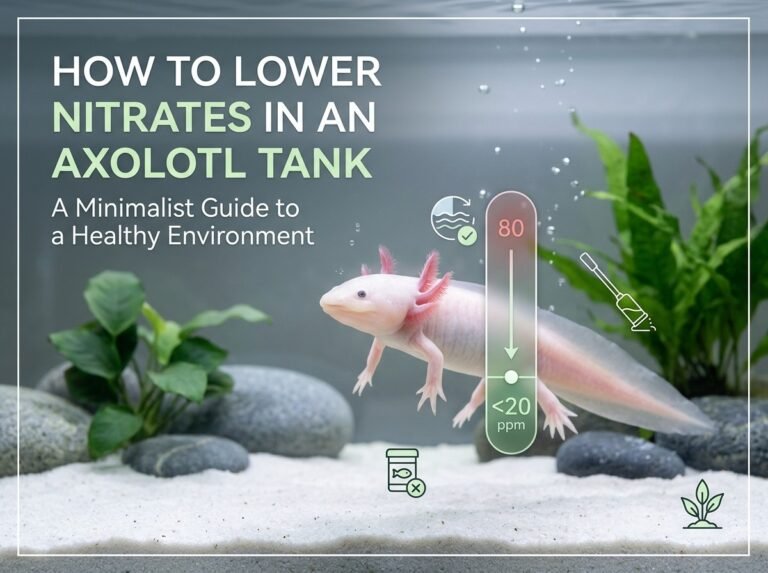
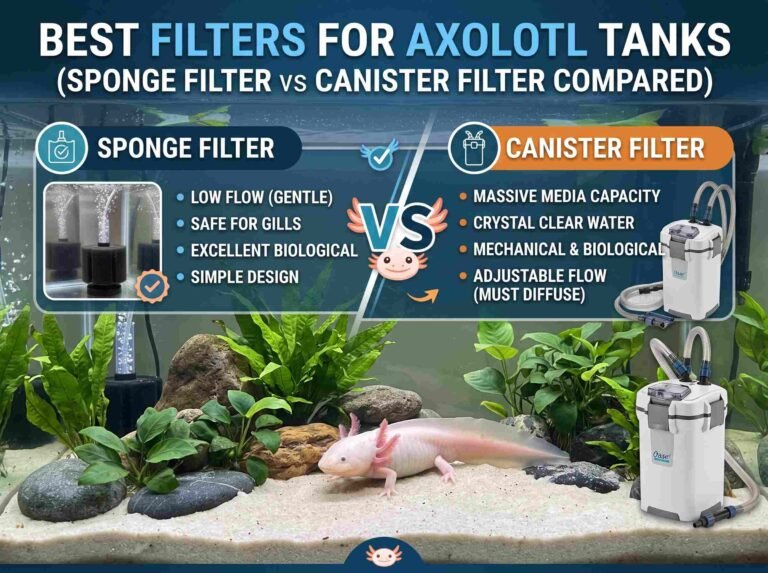
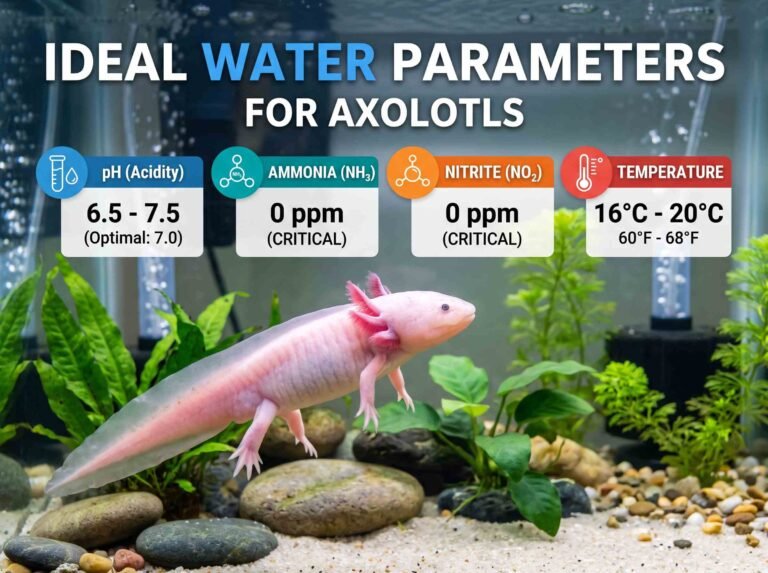
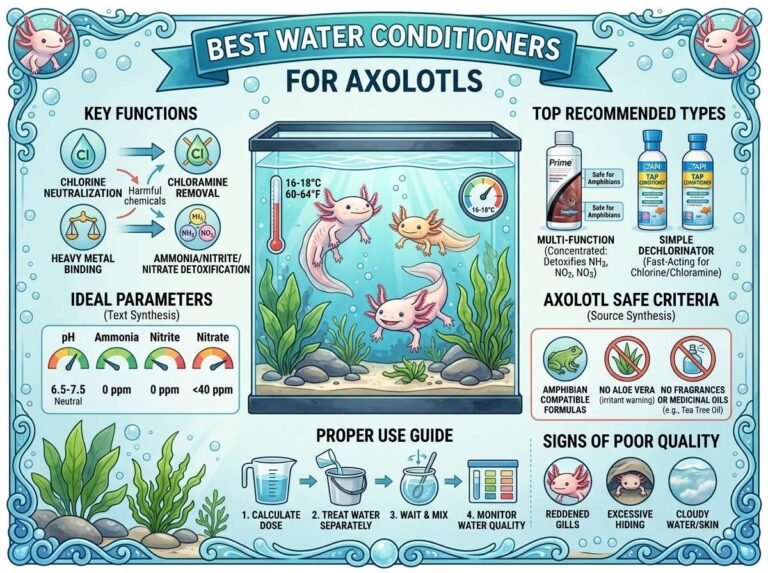
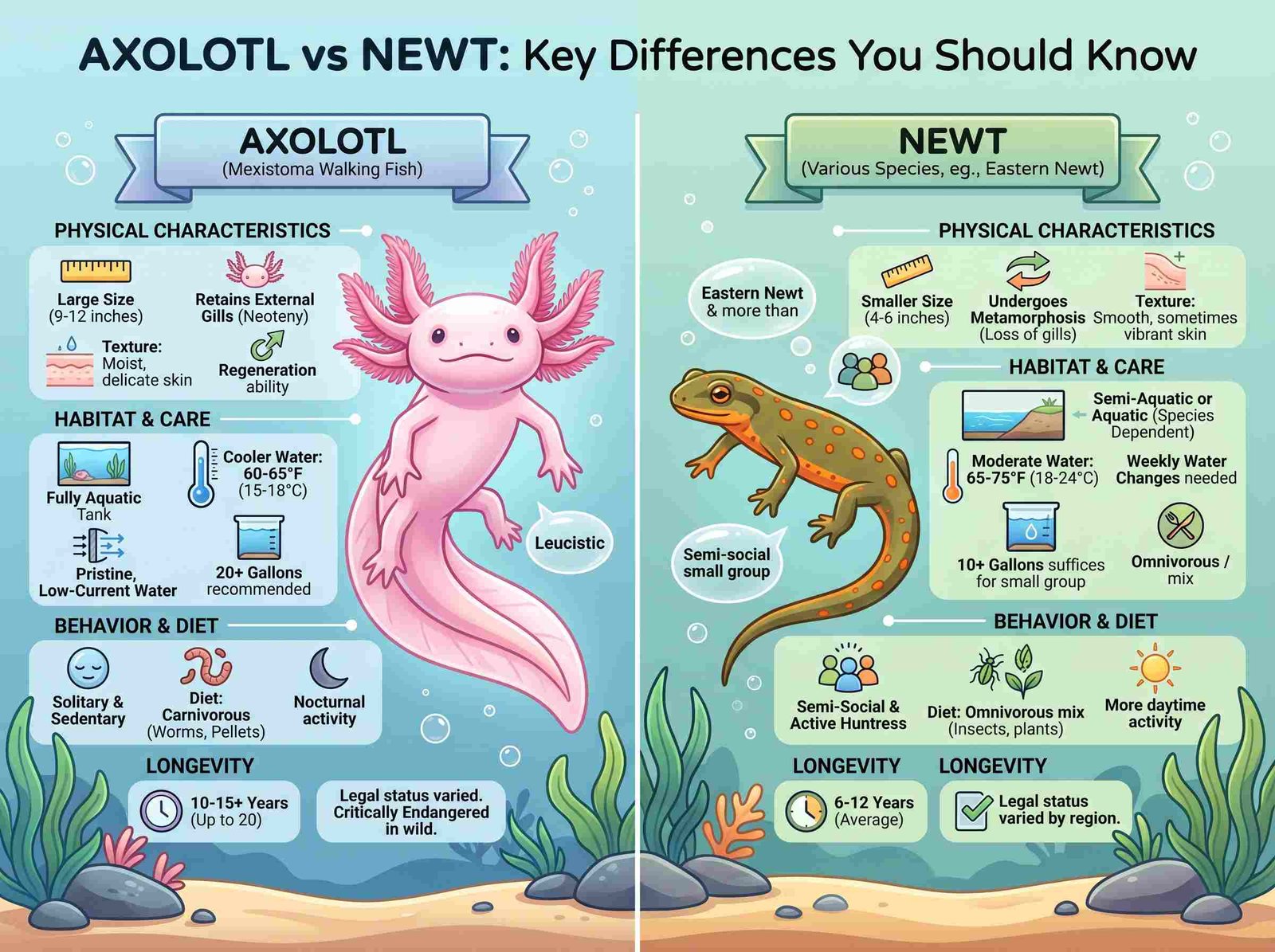
Axolotls (Ambystoma mexicanum) thrive in aquatic environments and require a suitable tank size of at least 20 gallons for a single axolotl to provide ample swimming space and maintain stable water conditions. The ideal water temperature for axolotls ranges from 60°F to 65°F (15°C to 18°C), as they prefer cooler water. Keeping the water quality pristine is crucial; thus, regular monitoring of pH levels (between 6.5 and 7.5) and ammonia levels is necessary. A filtration system with minimal water movement is recommended, as strong currents can stress axolotls. Their diet predominantly consists of high-quality pellets, worms, or small prey like brine shrimp.
In contrast, newts, such as the Eastern newt (Notophthalmus viridescens), can adapt to both aquatic and semi-aquatic environments. A tank size of at least 10 gallons is sufficient for a small group of newts. The recommended water temperature for newts generally falls between 65°F and 75°F (18°C to 24°C). Newts require clean water with good filtration, and a weekly change of about 25% of the water can maintain water quality. The aquatic phase of newts necessitates some land area, so ensuring a terrestrial section or floating plants is beneficial. Regarding diet, newts are omnivorous: they consume a mix of pellets, live food like worms, and plant matter.
Both species necessitate regular tank maintenance, including cleaning substrates and removing uneaten food to prevent water contamination. Understanding these habitat and care requirements will enable potential owners to meet the needs of their axolotls or newts effectively, ensuring that both species lead healthy lives in a home environment.
Physical Characteristics Comparison
When comparing axolotls and newts, one can observe distinct physical attributes that set these two amphibians apart. Firstly, the size of each species varies significantly. Axolotls typically reach lengths of around 9 to 12 inches, making them substantially larger than newts, which usually range from 4 to 6 inches. This notable difference in size is often one of the first identifiers for those interested in these creatures.
Coloration also provides a visual distinction between axolotls and newts. Axolotls are commonly found in a variety of colors, including golden albino, white, and grayish brown. These colors are often accompanied by a distinct external feature: their feathery gills that protrude from the sides of their heads, providing them with a unique appearance. Newts, on the other hand, present a somewhat more subdued color palette, typically showcasing shades of olive, brown, or black with bright orange or yellow spots, depending on the species. The skin of newts is often smoother compared to the more textured appearance of an axolotl’s moist skin, resulting in an easily distinguishable look.
Another distinguishing characteristic is the tail structure. Axolotls possess a broad, flattened tail that aids in swimming, while newts have a more slender tail that is not as broad. Newts also go through a metamorphosis, losing their external gills and changing coloration as they mature from larvae to adult forms, whereas axolotls often remain in their larval form throughout their lives, a condition known as neoteny. This retention of juvenile features in axolotls contributes to their unique charm and appeal as pets.
Therefore, understanding the physical characteristics of axolotls and newts can help potential pet owners identify their preferred species more effectively, ensuring they make an informed choice when deciding to bring one of these fascinating amphibians into their home.
Behavioral Traits and Interaction
The axolotl and newt, while both members of the amphibian family, exhibit distinct behaviors that reflect their unique adaptations and lifestyles. Understanding these differences is essential for prospective pet owners who wish to provide the best care for their aquatic companions.
Axolotls, primarily aquatic and seldom venturing onto land, exhibit a relatively calm demeanor. They are not particularly social animals; rather, they tend to be solitary creatures. When placed in an aquarium, axolotls generally prefer to explore their environment at a slow pace, often resting on the substrate or near decorations. Their slow, methodical movements allow them to conserve energy, and they are most active during the evening or nighttime hours. This nocturnal nature can make them quite engaging to observe during nighttime feedings or simply watching as they navigate their habitat.
In contrast, newts, which can be both aquatic and semi-aquatic, display a more active and curious behavior. They are typically more social than axolotls, often engaging in interactions with other newts when kept in groups, making them potentially more engaging for pet owners who desire interactive pets. Newts demonstrate a higher degree of activity, frequently swimming around their tanks and exploring different levels of their aquarium. Their responses to environmental changes can be quite pronounced, as they adapt their behavior depending on water temperature and quality.
Both species can exhibit responsiveness to human interaction, although their reactions may vary based on how accustomed they are to human presence. Axolotls may come to recognize their owners during feeding times, displaying curiosity without overt aggression. Newts, on the other hand, can become more playful in their movements, interacting with the surroundings and even exploring the hands of caregivers when they become familiar with them. Assessing these behavioral traits is crucial for understanding their care needs and ensuring a suitable fit for potential pet owners.
Lifespan and Longevity
The lifespan of axolotls and newts varies significantly, especially when considering their care in captivity. Generally, axolotls are known for their impressive longevity, often living for 10 to 15 years, while some individuals have been recorded to reach up to 20 years under optimal conditions. In contrast, newts typically have a shorter lifespan, averaging between 6 to 12 years, depending on the species and environmental factors.
Several factors contribute to the longevity of these amphibians in captivity, most notably diet, habitat conditions, and common health issues. A balanced diet is crucial for both axolotls and newts. Axolotls thrive on a variety of protein sources, including worms, small fish, and specially formulated pellets, whereas newts often require a mix of live food, such as insects and plant matter to ensure nutritional needs are met.
Habitat conditions also play a vital role in these pets’ lifespan. Axolotls prefer a cooler aquatic environment, usually kept between 16 to 18 degrees Celsius. Newts, while also aquatic, often require access to both water and land in their setups, necessitating a habitat that closely mimics their natural environments. Poor quality water, inadequate temperature, and lack of stimulation can lead to stress and illness, potentially shortening their lifespan.
Furthermore, common health issues can greatly affect longevity. Axolotls are prone to conditions such as fungal infections and skin lesions, which can be exacerbated by poor water quality or stress. Newts, on the other hand, can suffer from diseases related to bacterial infections or parasites. Understanding these aspects can aid prospective pet owners in recognizing the serious commitment involved in caring for these unique creatures.
Common Health Issues
When considering the health of axolotls and newts, it is crucial for pet owners to be aware of common health concerns that can arise with both species. Each species exhibits its unique vulnerabilities, and being informed allows owners to implement preventative measures effectively.
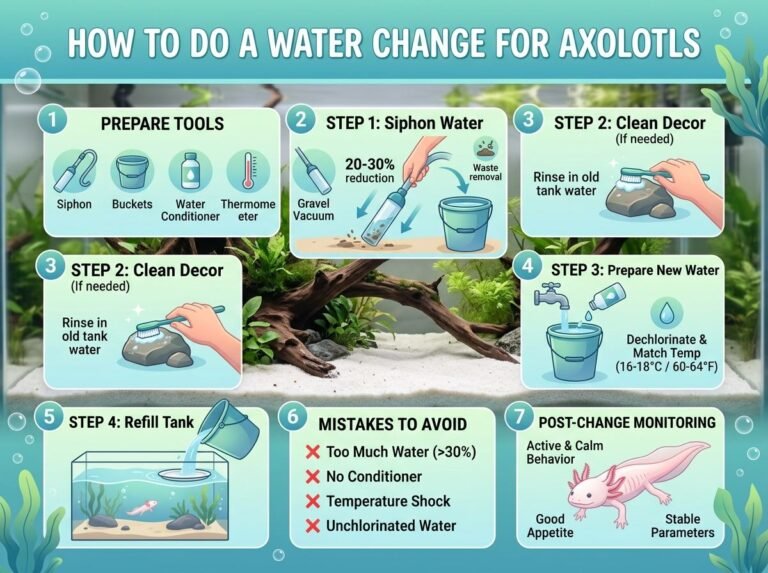
Axolotls, known for their regenerative capabilities, can still suffer from several health issues. One prevalent concern is bacterial infections, which may manifest as swelling or redness on their skin or gills. Symptoms to watch for include lethargy, loss of appetite, and abnormal swimming behaviors. Maintaining optimal water quality is essential to prevent bacterial issues, as poor water conditions can exacerbate stress and weaken their immune systems. Regular water changes, along with the use of water conditioners, can help maintain an ideal environment.
Another significant health issue for axolotls is fungal infections, which can develop when water parameters are not carefully monitored. Fungal infections may appear as white, fluffy spots on the skin or gills. Treating such infections promptly is crucial, and owners should consult a veterinarian specializing in amphibians for appropriate antifungal treatments. Keeping the habitat clean and ensuring that axolotls are not stressed can help prevent such infections.
Newts, on the other hand, experience their range of health concerns, particularly related to their skin. The presence of excessive mucus or discoloration can indicate stress or illness. Amphibians are sensitive to pollutants, and newts can suffer from skin diseases if introduced to harmful chemicals in their environment. To mitigate these risks, it is essential for owners to create a natural and clean habitat while using amphibian-safe products.
In both cases, regular health check-ups and monitoring of behavior are essential practices for maintaining the wellness of these aquatic pets. Providing a stress-free environment, appropriate diet, and optimal water quality will mitigate health risks and support their longevity.
Legal Considerations and Conservation Status
Owning axolotls and newts comes with various legal considerations and regulations that prospective pet owners must be aware of. The legal status of these amphibians varies widely around the world, often depending on the specific species. In many regions, axolotls are legal to own as pets, yet certain municipalities have imposed restrictions due to potential ecological concerns. For example, in some areas, regulations are in place to prevent the release of non-native species into local ecosystems, which can disrupt native wildlife.
Similarly, newts, like the popular Eastern Newt or the Pacific Newt, may have restrictions in some states and countries. This is often due to their conservation status and declining populations in the wild, prompted by habitat loss and pollution. Potential owners should check local wildlife regulations or consult with specialized pet stores before purchasing these amphibians to ensure compliance with applicable laws.
When considering the purchase of axolotls or newts, it is also crucial to examine their conservation status. Axolotls, classified as critically endangered in their natural habitat due to environmental issues and habitat degradation, have become popular in the pet trade. However, this popularity comes with ethical ramifications, as the demand for these creatures can drive wild populations closer to extinction if not managed properly. On the other hand, while some newt populations are stable, others face threats, thereby making responsible breeding and care essential in preserving their species.
In summary, potential axolotl and newt owners must be knowledgeable about the legal aspects surrounding the ownership of these amphibians, including regional regulations that might apply to their purchase and care. Furthermore, understanding their conservation status is vital in order to promote ethical ownership practices that contribute positively to their survival in the wild.
Which is the Right Pet for You?
Choosing between an axolotl and a newt involves understanding the distinct characteristics and care requirements of each species. Both pets come with different levels of commitment and specific needs, which can significantly impact your decision-making process. Evaluating your lifestyle, interests, and ability to meet the care demands of either animal will provide clarity on which pet may be the best fit for you.
Firstly, consider your living situation. Axolotls require a stable aquatic environment with specific water conditions—adequate filtration, temperature control, and regular water changes are crucial for their health. They thrive in a well-maintained aquarium that allows them ample space to swim. Conversely, newts generally adapt better to varied habitats, including terrestrial and semi-aquatic settings, depending on the species. If you possess limited space for an aquarium or the ability to provide consistent water conditions, a newt might be a more manageable option.
The commitment to care is another important factor. Axolotls have long lifespans and can live over a decade with proper care and attention. They require a consistent feeding schedule (typically every two to three days) and may need specialized diets, which include pellets and various types of live food. Newts, while also requiring regular feeding, often have a more diverse diet depending on the species, with some being more adaptable to processed foods than others. If you prefer a low-maintenance pet, a newt’s varied environmental needs may appeal to you.
Finally, reflect on your personal interests in pet ownership. If you are fascinated by unique aquatic creatures and enjoy establishing elaborate aquarium environments, the axolotl could be an enticing choice. Alternatively, if you appreciate mildly interactive creatures that might not require as much constant supervision, a newt may suit your lifestyle. In conclusion, understanding the key differences in their care requirements and how they align with your living situation and interests will facilitate a more informed decision in selecting either an axolotl or a newt as your new companion.
Conclusion
In conclusion, both axolotls and newts present unique qualities and distinct care needs that cater to different kinds of pet owners. Axolotls, known for their captivating appearance and fascinating regenerative abilities, thrive in aquatic environments and require specific water conditions to ensure their health and happiness. Their diet primarily consists of protein-based foods, which demands careful attention to their nutritional needs. They are ideal for those who appreciate observing unique aquatic behaviors and are willing to commit to maintaining the precise conditions that an axolotl requires.
On the other hand, newts, with their diverse species offering a range of colors and patterns, can be either fully aquatic or semi-aquatic, depending on the variety. Their care demands include varied habitats that accommodate both land and water, catering to their need for an environment that mimics their natural habitat. Newts also require a balanced diet of both live and processed food sources. This adaptability allows them to fit into more varied spaces, making them appealing to different kinds of exotic pet enthusiasts.
As prospective pet owners consider adding either an axolotl or a newt to their family, it is crucial to weigh the specific care requirements and the joy of interacting with these fascinating creatures. Potential owners must recognize that pet ownership, particularly of exotic animals like these, comes with significant responsibilities. Researching the temperament, habitat needs, and dietary requirements of each species will ensure a fulfilling experience. Consequently, making an informed choice can lead to rewarding moments as you nurture and bond with your chosen pet, enhancing both your life and that of the amphibian. Ultimately, it is about finding the right fit for your lifestyle and commitment level in the captivating world of exotic pets.