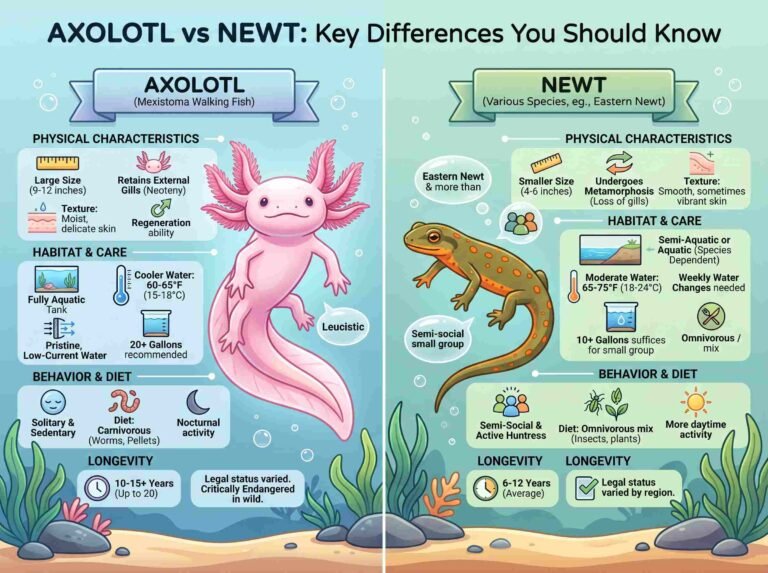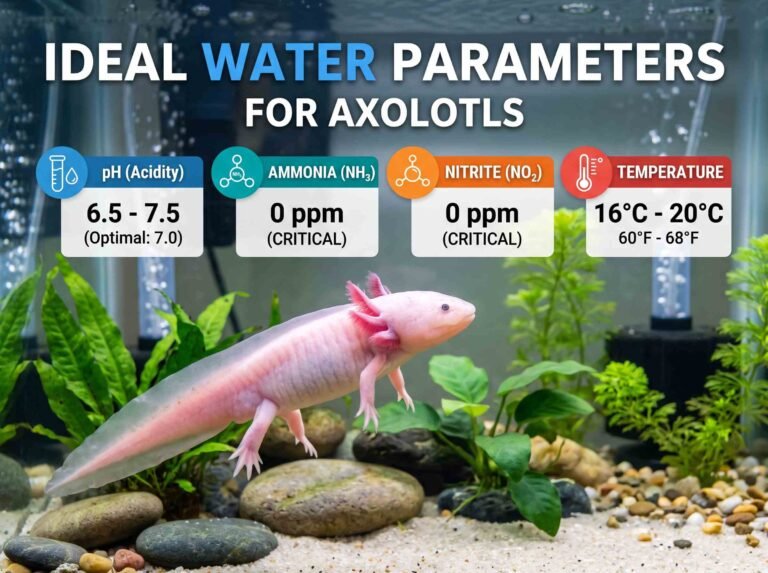
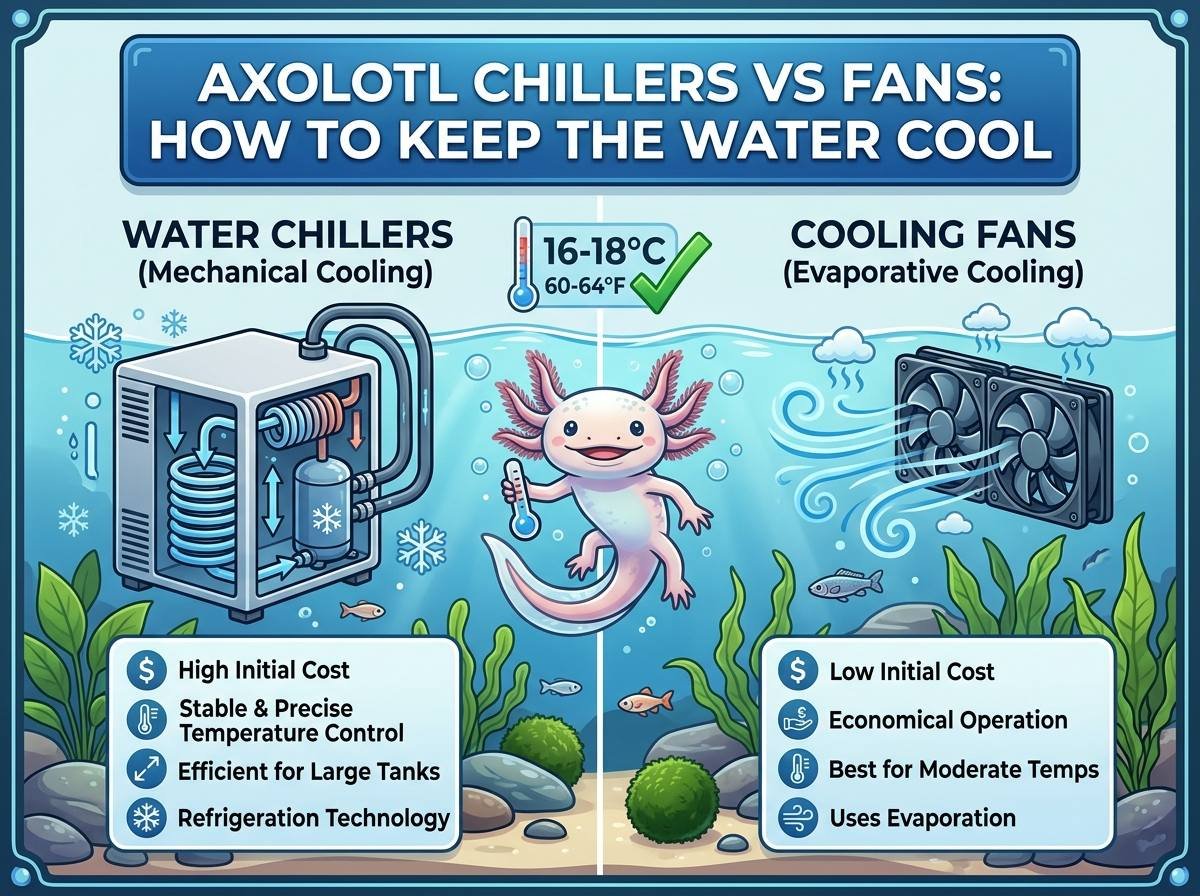
The axolotl, a fascinating aquatic creature native to the lakes of Mexico, has specific temperature requirements that are crucial for its health and well-being. Ideally, axolotls thrive in water temperatures ranging from 16°C to 18°C (60°F to 64°F). Maintaining this temperature range is vital, as fluctuations can provoke stress and negatively impact their metabolism and behavior.
Temperature control is essential in axolotl care because these animals are poikilothermic, meaning their body temperature is regulated by the surrounding environment. When the water temperature exceeds their preferred range, axolotls tend to become lethargic, and their metabolism accelerates. This acceleration can lead to various health issues, including increased susceptibility to disease and a shortened lifespan. Conversely, if the water becomes too cold, axolotls can experience slowed metabolic rates, making them less active and potentially compromising their immune function.
Moreover, temperature fluctuations can lead to behavioral changes in axolotls. For instance, elevated temperatures may cause them to exhibit increased aggression or stress behaviors, such as hiding or refusing to eat. This not only affects their physical state but can also lead to psychological stress. A stable environment is paramount for maintaining the delicate balance of their behavioral patterns, which is why consistent temperature monitoring is integral to proper aquatic husbandry.
Overall, creating a suitable habitat through effective temperature control methods, whether utilizing chillers or fans, directly influences the overall health of axolotls. By ensuring that their environment remains within the ideal temperature range, owners can promote optimal health, prolonged longevity, and an enriched behavioral experience for these unique creatures. Regular assessment and adjustments to their habitat’s temperature are necessary to keep these animals thriving in captivity.
Cooling Options Available for Axolotl Tanks
Maintaining a proper temperature in an axolotl tank is crucial for the health and well-being of these aquatic creatures. To achieve this, there are several cooling options available, including chillers, fans, and other alternatives, each with its own set of advantages and considerations.
Water chillers are one of the most effective methods for maintaining a cooler temperature in an axolotl tank. They work by circulating the tank water through a cooling system, removing heat via a refrigeration mechanism. Chillers are typically more expensive than other options but provide precise temperature control, making them ideal for larger tanks or environments with consistently high temperatures.
Fans represent a more economical alternative for cooling axolotl tanks. These devices operate by increasing evaporation from the water surface, which in turn helps to lower the water temperature. Placing a fan near the tank can create a cooling effect that may suffice for smaller aquariums or environments where the temperature fluctuates moderately. However, fans may not be as effective in extremely high temperatures and require consistent monitoring of water conditions.
In addition to chillers and fans, there are other methods available, such as ice packs or frozen water bottles placed in the tank. This technique can be temporary and is suitable for short-term cooling needs, particularly during heatwaves. However, frequent use can lead to unstable temperature changes, which may stress axolotls.
When choosing a cooling system for an axolotl tank, it is essential to consider factors including the size of the aquarium, the ambient temperature, and the budget. Each method offers varying degrees of efficiency and cost-effectiveness. Selecting the right cooling option ultimately depends on the specific requirements of the axolotls and the environmental conditions they are kept in.
Chillers: An In-Depth Look
Chillers are specialized cooling devices primarily used in aquaculture and aquaristics to regulate the water temperature in tanks. These devices are crucial for maintaining stable environments, especially for sensitive species such as axolotls, which thrive in specific temperature ranges. Operating continuously or on-demand, chillers function by circulating water through a system of coils and a refrigerant. As the water passes through the coils, the heat is absorbed, effectively lowering the water temperature before it is returned to the aquarium.
There are several types of chillers available, each catering to different needs and setups. The two main categories are water-cooled and air-cooled chillers. Water-cooled chillers operate using a cooling tower and require a water source for heat exchange, making them efficient for larger installations. Conversely, air-cooled chillers circulate air through their condenser coils and are typically more suitable for smaller aquariums due to their easier installation and maintenance.
When considering installation, ensuring sufficient space for airflow around the chiller is vital for optimal performance. Most models necessitate a minimum clearance to facilitate efficient cooling operation. As for maintenance, regular checks for contaminants, ensuring proper refrigerant levels, and cleaning the coils are essential practices to keep the chiller functioning effectively. Additionally, monitoring the temperature regularly helps preemptively identify issues before they escalate into serious problems.
In conclusion, chillers are invaluable tools for anyone looking to provide an ideal living environment for aquatic life. By understanding their operation, types, installation, and maintenance can ensure that the water temperature remains stable, thus enhancing the well-being of creatures such as axolotls.
Fans: The Affordable Solution
Maintaining suitable water temperatures is essential for the health and well-being of axolotls. One popular and cost-effective cooling method for axolotl tanks is the use of fans. Fans function by enhancing evaporative cooling, which involves the movement of air across the water surface. As the air passes over the water, it increases evaporation rates, allowing heat to escape and lowering the overall water temperature.
When selecting a fan for this purpose, several types are suitable for use in axolotl tanks. Clip-on fans, for instance, can be easily attached to the edge of the tank, providing focused airflow directly over the water. Additionally, oscillating fans can be effective as they distribute air more evenly throughout the tank, preventing hotspots that may develop from concentrated airflow. It is crucial to choose fans that operate quietly to minimize disturbances to the aquatic environment.
Installation and use of fans is relatively simple, making them an appealing choice for hobbyists. Most fans can be plugged into standard outlets and require minimal setup. It is recommended to position the fan so that it does not blow directly onto the axolotls to prevent any stress caused by excessive wind. Instead, directing the airflow across the water’s surface can enhance cooling without compromising the comfort of your aquatic pets.
In terms of energy efficiency, fans consume significantly less power compared to other cooling alternatives, which makes them an economical choice for long-term use. Additionally, fans can often be used in conjunction with other cooling methods, such as ice bottles, to achieve optimal temperature control in axolotl tanks.
In conclusion, fans present a viable and budget-friendly solution for keeping axolotl water cool. Their ease of installation, low energy consumption, and efficient cooling capabilities make them an excellent choice for aquarists seeking to maintain ideal temperatures for their aquatic companions.
Cost Comparison: Chillers vs. Fans
When it comes to maintaining optimal water temperatures for axolotls, the choice between chillers and fans is not only about performance but also significantly involves financial considerations. Understanding the upfront costs, ongoing energy consumption, and maintenance expenses is essential for making an informed decision.
Initially, purchasing a chiller can be a considerable investment. High-quality chillers designed explicitly for aquarium use can range from a few hundred to several thousand dollars, depending on the cooling capacity required for your axolotl setup. In contrast, fans are generally much less expensive, typically ranging from $20 to $100. This makes fans an attractive initial option for hobbyists looking to minimize upfront expenditures.
When evaluating ongoing energy consumption, chillers usually consume more electricity than fans. A typical aquarium chiller may use between 200 to 500 watts, depending on its size and efficiency. This can result in a noticeable increase in monthly electric bills, particularly in warmer climates where the chiller runs continuously. Conversely, fans, which usually consume only about 20 to 50 watts, offer a much lower running cost. However, the effectiveness of fans can vary; they are generally less efficient than chillers in high-temperature environments, potentially leading to inadequate cooling.
Additionally, maintenance costs should not be overlooked. Chillers may require periodic servicing and upkeep, which can add to their long-term costs. On the other hand, fans typically require minimal maintenance aside from regular cleaning to ensure optimal airflow. While the initial purchase cost of fans is lower and their operational costs are manageable, their efficiency in keeping water cool may not always match that of chillers in exceedingly hot conditions.
In conclusion, choosing between chillers and fans for axolotl care necessitates a thorough cost analysis. While chillers may demand a higher initial investment and increased energy consumption over time, fans offer a budget-friendly alternative with lower running costs, yet potentially less effective cooling, especially in extreme heat. The right choice ultimately depends on individual circumstances, including the specific environment and financial flexibility of the axolotl keeper.
Noise Levels: Which Option is Quieter?
When choosing a cooling system for axolotl tanks, one crucial factor to consider is the noise levels produced by chillers and fans. Both options serve the primary function of maintaining an optimal water temperature, yet they do so with varying degrees of sound output. This difference in noise may significantly impact the living environment, both for the axolotls and their owners.
Chillers, particularly those designed for aquariums, tend to operate with more mechanical components, including compressors and fans to circulate the refrigerant. The noise output of chillers can vary widely based on their design and build quality. High-quality models often feature sound-dampening technology, which can effectively reduce operational noise to a minimum. However, in general, chillers may produce a low humming sound or occasional operational noises when cycling on and off. Depending on the model, sound levels can range from 30 to 60 decibels, with quieter units being more desirable for home environments.
On the other hand, fans operate primarily by circulating air to lower the water temperature through evaporation. They tend to be quieter than chillers, with the noise output often residing in the 25 to 50 decibel range. However, the sound produced can vary depending on fan speed settings, blade design, and overall build quality. Some fans can generate an audible whirring noise, especially at higher speeds. For owners who prefer a tranquil environment, especially in common living areas, quieter fan models may be the ideal choice.
In considering these factors, it is vital for aquarists to assess their preferences for noise in conjunction with the cooling requirements for their tanks. Understanding the operating noise levels of different chiller and fan models can help owners create a comfortable atmosphere for their aquatic pets.
Effectiveness: Which Method Keeps Water Cooler?
When it comes to maintaining an appropriate water temperature for axolotls, selecting the right cooling method is crucial. Both chillers and fans have their own advantages and disadvantages, and understanding their effectiveness can help aquarium owners make informed choices.
Chillers are mechanical devices specifically designed to lower water temperatures. They work by circulating the water through a cooling unit that extracts heat from the water, thereby lowering its temperature efficiently. For instance, many aquarium enthusiasts report that chillers provide consistent temperature control, which is essential during the hot summer months when water temperatures can spike. One notable testimonial from a dedicated axolotl keeper discusses how a chiller maintained water temperatures between 18-20°C even on the hottest days, safeguarding the health of his axolotls.
On the other hand, fans tend to work by increasing evaporation and airflow over the water surface, thus cooling the water indirectly. While fans can be effective in moderate temperatures, their performance can fluctuate significantly based on humidity levels and air circulation. In particularly humid conditions, the cooling effect of fans may diminish. An aquarium owner noted that while a fan helped reduce the water temperature slightly, it often struggled to maintain temperatures during heat waves, leading to concern about his axolotls’ well-being.
In comparative studies of both cooling methods, chillers consistently exhibited superior performance in delivering stable water temperatures required for the health of axolotls during warmer months. For instance, in a case study involving a side-by-side comparison, tanks equipped with chillers maintained optimal conditions while those with fans experienced significant temperature fluctuations. These real-life examples highlight the importance of choosing a reliable temperature control method when caring for axolotls, particularly in hot weather.
Environmental Impact and Sustainability
As axolotl enthusiasts strive to maintain optimal conditions for their aquatic pets, the choice between chillers and fans becomes crucial, not just for water temperature but also in terms of environmental ramifications. Both options have distinct energy consumption patterns that can significantly influence their ecological footprints. While chillers operate using refrigeration technology that consumes a substantial amount of electricity, fans provide a more energy-efficient alternative. The energy demands of chillers can lead to increased greenhouse gas emissions if the power is sourced from fossil fuels. In contrast, fans, though less effective at maintaining low temperatures in extreme heat, utilize considerably less power, making them a more sustainable choice when the ambient temperatures are manageable.
Another consideration is the potential for eco-friendly practices that axolotl owners can adopt. Utilizing fans, particularly in combination with good aquarium placement—such as in shaded areas or during cooler times of the day—can lead to effective water cooling without heavy reliance on electricity. Moreover, owners might consider investing in renewable energy sources to power their equipment, further reducing the carbon footprint associated with keeping axolotls. By harnessing solar or wind energy, aquarists can operate chillers or fans with minimal environmental impact.
Additionally, regular maintenance of chilling systems ensures they run efficiently, mitigating the electricity required for operation. Optimizing water quality and incorporating live plants can also enhance the natural cooling effect needed in the aquarium, lessening the reliance on electrical devices. Ultimately, while both chillers and fans can effectively cool water, adopting resource-conscious habits and continually assessing the environmental implications of these cooling methods can foster a more sustainable approach to axolotl care.
Final Recommendations for Axolotl Owners
Choosing the right cooling solution for your axolotl tank is a crucial decision that can significantly affect the health and well-being of these unique creatures. After examining both axolotl chillers and fans in depth, it is essential for owners to carefully consider several key factors before making a final decision.
First and foremost, evaluate the specific temperature requirements of your axolotls and the current conditions of your aquarium. Axolotls thrive in cooler water, ideally between 60°F and 68°F (15°C to 20°C). If your local climate tends to produce higher temperatures, particularly in the summer months, a chiller may provide more reliable cooling than a fan. In contrast, for owners in temperate regions or those with stable room temperatures, a fan could sufficiently maintain adequate cooling.
Cost is another vital consideration. While chillers offer more consistent cooling, they are typically more expensive both to purchase and operate. Fans, although less effective in extreme heat, can be a budget-friendly option, particularly for those just beginning their journey as axolotl enthusiasts. Owners should weigh their financial capacity against their long-term plans for the hobby.
Moreover, the size and setup of your aquarium play a significant role. Larger tanks may require more powerful chillers, while smaller systems might benefit from the airflow provided by fans. Additionally, consider the presence of other equipment and how they may interact with your cooling solution. For instance, if you have a heavily planted tank, fans may disrupt the plants; thus, you’ll need to thoughtfully design your setup.
In conclusion, when it comes to choosing between axolotl chillers and fans, there is no one-size-fits-all solution. Careful consideration of your axolotl’s needs, your budget, and your tank conditions will guide you in making the best choice for your aquatic pets. By diligently evaluating these aspects, you can ensure a comfortable and healthy environment for your axolotls.