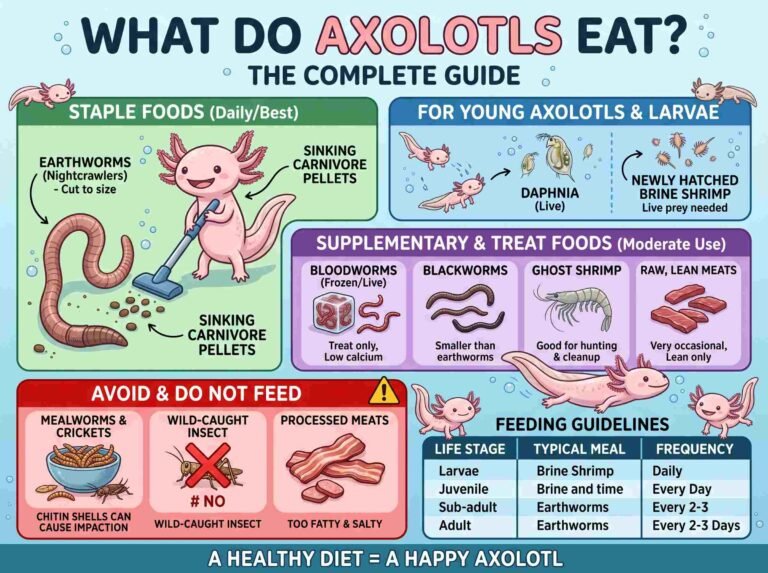
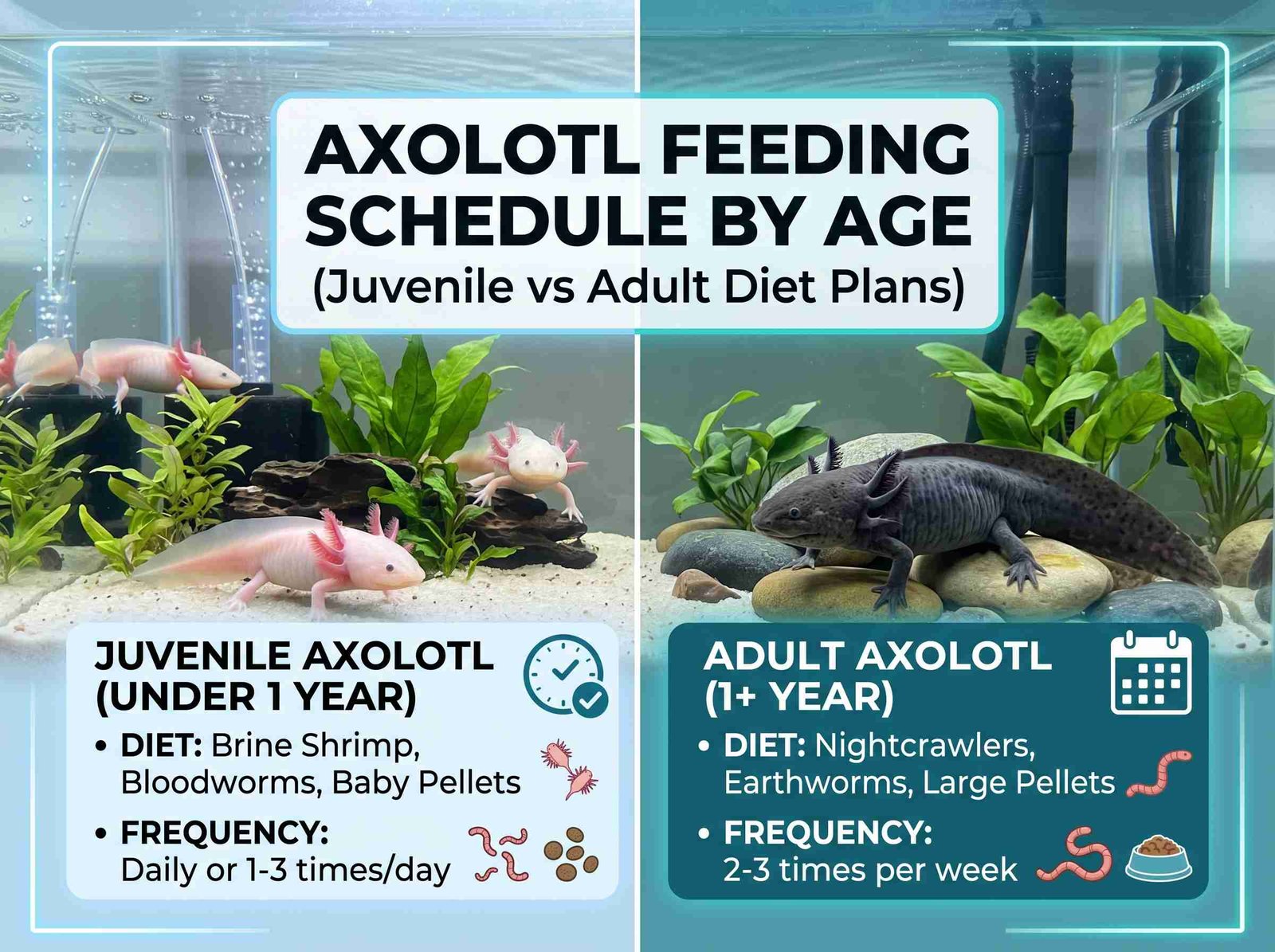
Axolotls, a unique species of neotenic salamanders, undergo several distinct life stages that significantly influence their dietary requirements. Recognizing these stages egg, larval, juvenile, and adult is essential for providing appropriate nutrition tailored to their developmental needs.
Axolotl Life Stages
The first stage is the egg stage, which typically lasts about two weeks. During this period, axolotl eggs are laid and fertilized in water. At this point, the dietary needs of the axolotl are non-existent, as they are dependent on the nourishment contained within their yolk sac. Proper care and a stable environment are crucial during this phase to ensure healthy hatching.
Once hatched, axolotls enter the larval stage, which can extend from a few weeks to several months depending on environmental factors. Larvae are typically quite small and have external gills. Their diet at this stage should consist of infusoria and other microscopic organisms. As they grow, the size of their food should gradually increase to match their rapid growth and energy needs. Feeding frequency should be at least two to three times a day to support optimal development during this critical phase.
As axolotls progress to the juvenile stage, which usually starts around two to three months of age, their diet can diversify to include larger prey such as bloodworms and high-quality pellets designed for amphibians. The juvenile stage lasts until they reach maturity, roughly around six months. At this point, feeding frequency can decrease to once every other day or so, as their growth rate slows.
Finally, the adult stage begins when axolotls reach sexual maturity at about one year. Adults require a diet that consists primarily of protein-rich food sources such as earthworms, large pellets, and live or frozen foods. The feeding frequency for adults can be reduced to two to three times a week, as they have a slower metabolism compared to their younger counterparts. Understanding and adapting dietary practices according to these life stages is vital for maintaining the health and well-being of your axolotl.
Juvenile Axolotl Diet and Feeding Schedule
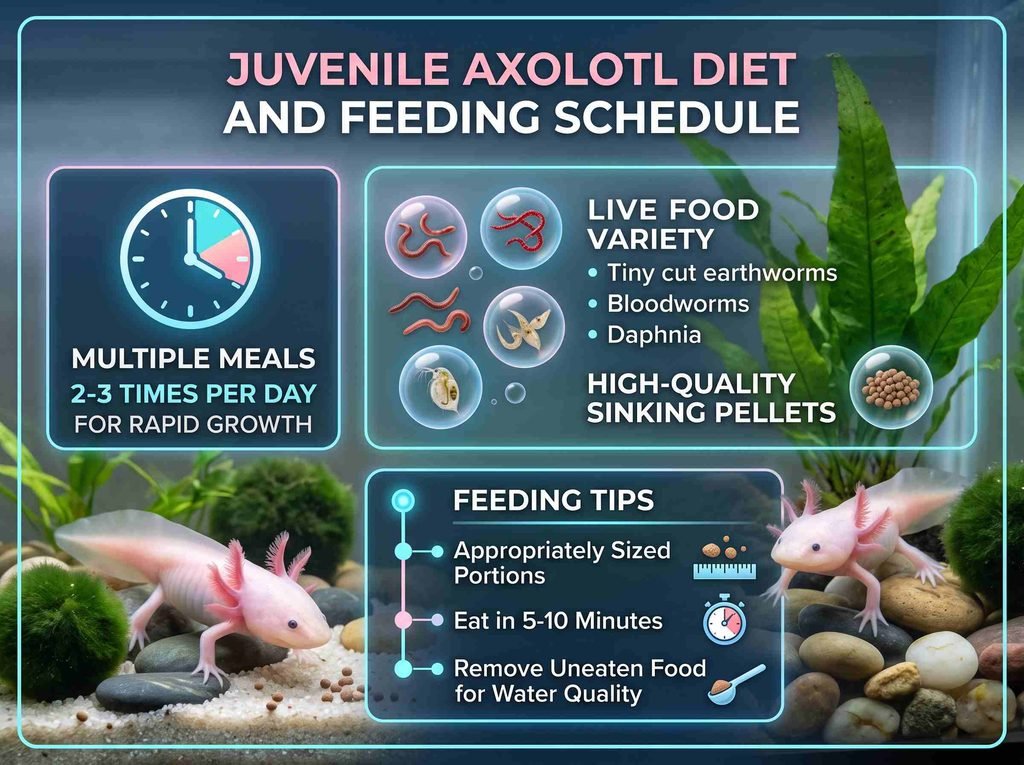
Juvenile axolotls, or larvae that are still in the early stages of their life, require a carefully balanced diet to support their rapid growth and developmental needs. When considering a feeding schedule for juvenile axolotls, it is essential to account for both the type of food offered and the frequency of feedings to promote optimal health.
At this stage, axolotls should be fed multiple times a day, typically 2 to 3 meals, to ensure they receive ample nutrition. The juvenile axolotl’s diet can primarily include live foods such as small earthworms, bloodworms, and daphnia. These live foods provide vital protein and nutrients necessary for their growth. Additionally, high-quality sinking pellets specifically designed for carnivorous amphibians can be introduced, as they offer a balanced nutritional profile. It is crucial to ensure that the food is appropriately sized; pieces should be small enough for the axolotl to consume easily, preventing choking hazards.
The quantity of food offered must be carefully monitored to prevent overfeeding, which can lead to health issues. As a guideline, offer an amount of food that can be eaten within 5 to 10 minutes. If uneaten food remains in the tank after this period, it should be removed to maintain water quality and prevent any potential bacterial growth. Over time, as the axolotl grows, the variety of food items and quantities can be adjusted accordingly. Regularly incorporating varied live foods helps to ensure a comprehensive intake of nutrients.
Furthermore, maintaining that juveniles are well-hydrated and the water quality is optimal is crucial to the effectiveness of their diet and can significantly impact their feeding behavior. Therefore, it’s advisable to maintain a consistent monitoring routine of both dietary intake and environmental factors to promote the overall health of juvenile axolotls.
Selecting the Right Foods for Juvenile Axolotls
Feeding juvenile axolotls requires careful consideration of their dietary needs to ensure proper growth and overall health. At this stage, these unique amphibians are still developing and demand a specific nutritional balance in their diet. Providing a variety of food options is essential for maintaining their health and stimulating their natural feeding behaviors.
One of the best food choices for juvenile axolotls is live foods. Daphnia, brine shrimp, and small earthworms can be particularly beneficial as they offer high protein content, which aids in the growth and development of young axolotls. Such live foods not only provide essential nutrients but also encourage natural hunting instincts, keeping them active and engaged.
In addition to live food, high-quality pellets designed specifically for axolotls are excellent options. These pellets should be rich in protein and made with high-quality ingredients to ensure that your juvenile axolotls receive the necessary vitamins and minerals. Pellets offer convenience and can be a reliable staple in their diet; however, it is vital to ensure that they are appropriately sized for young axolotls to avoid any choking hazards.
Prepared diets, such as frozen bloodworms or specially crafted axolotl diets, can also be included in their meals. These options are beneficial as they are easy to serve and are designed to meet the specific needs of axolotls. It is advisable to introduce new food items gradually to avoid gastrointestinal upset and to observe their reactions to various offerings.
In summary, feeding juvenile axolotls a balanced diet consisting of live foods, pellets, and prepared diets will contribute significantly to their health and growth. Ensuring a diverse menu not only addresses their nutritional requirements but also supports their development into healthy adult axolotls.
Transitioning from Juvenile to Adult Diet
As axolotls mature, their dietary requirements also evolve significantly. Initially, juvenile axolotls typically thrive on a diet rich in small live foods such as brine shrimp and worms. These components provide essential nutrients necessary for their growth and development. However, as they transition into adulthood, it becomes critical to shift their feeding practices to accommodate their changing dietary needs.
The transition from a juvenile to an adult diet should be approached gradually. It is important to monitor the axolotl’s size and behavior during this period, as these factors will guide you in determining when to introduce more substantial food options. A key indicator that it’s time to adjust their feeding is when the axolotl reaches about 6-7 cm in length. At this growth stage, they can start consuming larger food items, primarily high-quality pellets, earthworms, or larger aquatic insects.
Moreover, adult axolotls should receive a varied diet to ensure they are not only getting the necessary protein but also vitamins and minerals. Unlike juveniles, who may eat multiple times a day, adults typically require less frequent feeding, often every two to three days. This helps prevent overfeeding and maintains optimal health. If the axolotl appears less active or shows a lack of interest in food, this might also indicate that their diet needs reviewing.
In conclusion, careful monitoring and gradual adjustments to an axolotl’s diet are essential for their health as they grow. Recognizing the signs of maturation and making appropriate dietary changes will lead to a healthier, more vibrant adult axolotl. Regular assessment of their eating habits and physical condition will ensure that they receive a balanced and nutritious diet throughout their lifecycle.
Adult Axolotl Diet and Feeding Frequency
The diet of adult axolotls is a critical aspect of their care, significantly impacting their overall health and longevity. Adult axolotls should typically be fed a diet that is rich in protein, as they are carnivorous creatures. Common food options include high-quality pellets designed specifically for amphibians, live worms, small pieces of fish, and insects. It is essential to ensure that the food offered is appropriately sized for the axolotl, as larger chunks can pose a choking hazard.
In terms of feeding frequency, adult axolotls generally require less frequent feedings compared to their juvenile counterparts. It is advisable to feed adult axolotls 2 to 3 times a week. The exact frequency may depend on the individual axolotl’s appetite and activity level. When feeding, owners should provide a portion size that is roughly equivalent to the size of the axolotl’s head. This helps to prevent overfeeding, which can lead to health complications such as obesity and related disorders.
Maintaining a consistent feeding schedule is vital, as it helps establish a routine and allows for better monitoring of your axolotl’s eating habits. Always observe your axolotl during feeding times to ensure that they are consuming their food without any issues and to check for any signs of distress or health problems. Additionally, it is important to remove any uneaten food from the tank after a few hours to maintain water quality and prevent the buildup of harmful bacteria.
Furthermore, incorporating a variety of food sources can enrich the axolotl’s diet, providing essential nutrients and encouraging natural foraging behaviors. Regularly alternating between different protein sources will not only enhance their diet but also stimulate their interest in feeding, contributing to their overall wellbeing.
Best Food Choices for Adult Axolotls
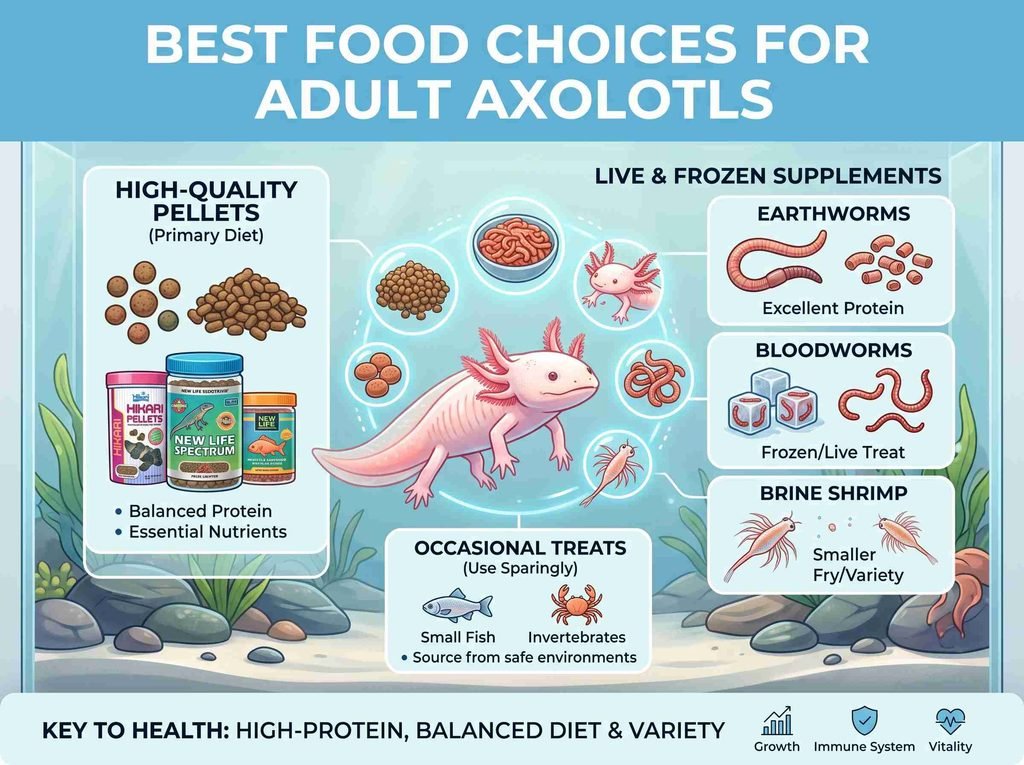
Feeding adult axolotls requires careful consideration of their dietary needs to ensure they maintain optimal health and well-being. As adult axolotls transition from juvenile stages, their nutritional requirements shift, primarily necessitating a high-protein diet. This is crucial as it supports their growth, immune system, and overall vitality.
One of the best food choices for adult axolotls is high-quality pellets specifically designed for amphibians or carnivorous aquarium fish. Brands like Hikari offer pellets that are formulated to cater to the nutritional needs of these unique creatures. These pellets contain balanced protein levels and essential nutrients, making them a reliable source of sustenance. Additionally, the New Life Spectrum line provides a high-protein formula that is beneficial for axolotls, ensuring they receive all necessary vitamins and minerals.
Aside from pellets, you can supplement their diet with frozen or live foods. Options such as earthworms, bloodworms, and brine shrimp are excellent sources of protein and can be easily digestible for your axolotl. Offering a variety of foods not only keeps their meals interesting but also supports their dietary needs by mimicking their natural feeding habits. It’s important to avoid overfeeding, as axolotls are prone to obesity, which can lead to health issues.
Moreover, providing occasional treats such as small fish or other invertebrates can enhance their diet, though this should be done sparingly. Remember to ensure any live food is sourced from safe environments to prevent introducing harmful parasites or diseases to your axolotl. In conclusion, providing a balanced and protein-rich diet with a variety of food sources will contribute significantly to the health and longevity of your adult axolotls.
Signs of Overfeeding and Underfeeding
Maintaining a balanced diet for your axolotl is crucial for its health and longevity. However, improper feeding practices can lead to serious health problems. Understanding the signs of overfeeding and underfeeding is essential for all axolotl keepers.
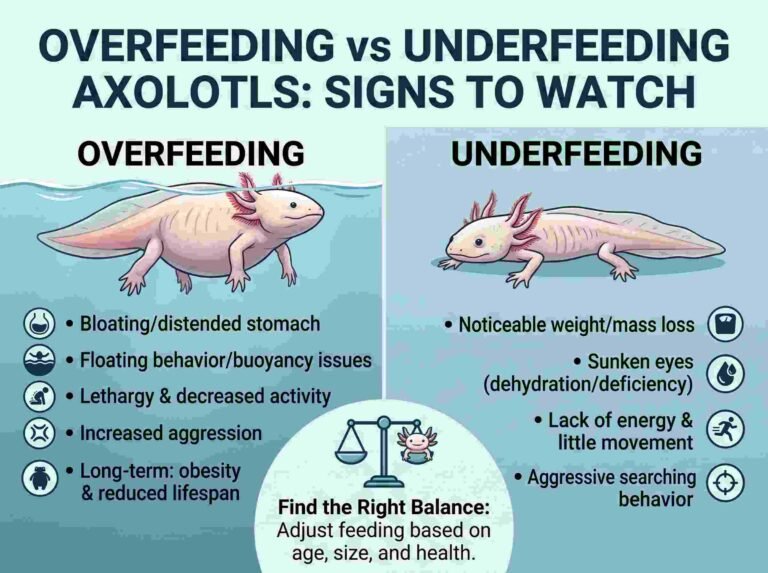
Overfeeding can manifest in several ways. One of the most evident signs is noticeable weight gain. If an axolotl’s abdomen appears swollen or excessively round, it may be consuming too much food. Additionally, overfed axolotls may become lethargic, showing minimal interest in their environment. Excessive food can also lead to changes in behavior, such as reduced activity levels or disinterest in feeding. Furthermore, uneaten food that remains in the tank can lead to water quality issues, exacerbating stress on the axolotl.
Conversely, underfeeding is equally detrimental to an axolotl’s health. If an axolotl is not getting enough nourishment, it may exhibit a loss of body condition, leading to a sunken appearance or visible ribs and spine. Such symptoms indicate that the axolotl is not receiving adequate sustenance. Behavioral changes can also be observed; a starving axolotl may become more aggressive during feeding or may attempt to eat anything that resembles food. It will also display reduced energy, preferring to stay hidden rather than explore its habitat.
Health complications associated with overfeeding include issues like obesity and digestive problems, while underfeeding can lead to stunted growth and weakened immune responses. Thus, keeping a close eye on your axolotl’s weight, behavior, and overall condition is vital.
To ensure your axolotl stays healthy, it’s essential to strike a balance in their diet. Regular monitoring and adjustments based on growth stage and activity level are necessary to prevent the adverse effects of overfeeding and underfeeding. Recognizing these signs early can help in adjusting dietary habits, ensuring that your axolotl thrives in its aquatic environment.
Tips for Feeding Multiple Axolotls
Feeding multiple axolotls can present unique challenges, particularly in terms of ensuring each animal receives their fair share of food while maintaining a peaceful environment. It is vital to implement strategies that prevent dominance behaviors and encourage an equitable distribution of food among your aquatic pets.
One effective approach to feeding multiple axolotls is to establish a routine. By consistently feeding at the same time each day, you can help your axolotls associate this schedule with mealtime, reducing anxiety around food availability. It is advisable to choose a calm time of day when the tanks are quieter, minimizing stress and competition among the animals.
Another strategy is to utilize feeding zones within the tank. By creating separate feeding areas using decorations or plants, you can help each axolotl feel secure while eating. This method can limit interactions during feeding, decreasing the likelihood of aggressive behavior or food stealing. Additionally, consider providing food in small, manageable quantities to avoid overwhelming the animals and to minimize waste.
It is crucial to observe the behavior of your axolotls during feeding time. Pay attention to any signs of stress or aggression, and adjust your feeding techniques accordingly. In cases where one axolotl consistently dominates feeding, separate feeding might be necessary. This can involve using a separate container to feed the more timid individuals or adjusting tank layouts to better facilitate peace during meal times.
Finally, ensure that all axolotls are fed appropriate-sized food that caters to their developmental stages. Juvenile axolotls may require finer food particles compared to adults, and having a variety of foods on hand can cater to the dietary needs of each individual in your group.
By implementing these strategies, you can create a harmonious feeding environment that benefits all of your axolotls, promoting well-being and healthy growth.
Expert Insights and Common Mistakes to Avoid
Feeding axolotls presents unique challenges, and through observation and experience, several common mistakes can be identified that owners should avoid to ensure their pet’s health and wellbeing. One of the most frequent errors is overfeeding. Many owners, eager to provide their axolotl with ample food, may offer excessive quantities at once. Axolotls generally require small amounts of food, and an overabundance can lead to obesity and other health issues, such as swim bladder problems.
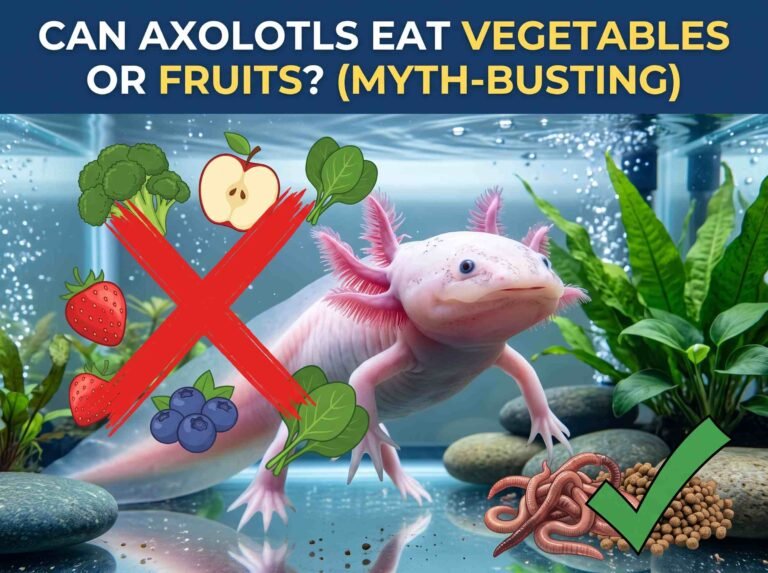
Another common mistake is the use of inappropriate food choices. While axolotls are largely carnivorous, some owners may unwittingly feed them items that do not meet their nutritional requirements. For instance, while some types of fish can be offered, feeder fish should be properly sourced to avoid introducing parasites. An ideal diet encompasses high-quality pellets, live or frozen worms, and other protein sources that closely mimic their natural prey.
Additionally, a lack of variety can be detrimental. Much like humans, axolotls benefit from a diverse diet to ensure they receive all necessary nutrients. Sticking to one food source can lead to deficiencies; hence, rotating different types of foods is advisable. Owners should keep an eye on their axolotl’s response to new foods, as individual preferences may vary.
One particularly insightful tip is to establish a feeding schedule. Many axolotl owners feed their pets inconsistently which can lead to stress or unhealthy behaviors. A consistent routine not only promotes better eating habits but also helps in monitoring the axolotl’s appetite and health. Observing your axolotl during feeding can provide valuable insights; noticing how they react to different foods will help refine your approach.
In conclusion, avoiding these common feeding mistakes is crucial for maintaining the health and vitality of your axolotl. With patience and the right knowledge, any owner can develop an effective feeding strategy that promotes their pet’s wellbeing.