Axolotls, known scientifically as Ambystoma mexicanum, are unique amphibians that are native to the freshwater lakes of Mexico. As fascinating as they are, understanding their dietary needs is essential for their overall health and wellbeing. In their natural habitat, axolotls primarily consume a carnivorous diet comprising live prey. This includes various aquatic organisms such as small fish, worms, insects, and crustaceans. Their feeding habits are closely tied to their physical adaptations; axolotls possess a toothless jaw, which requires them to capture and swallow live food. Consequently, their diet is characterized by a need for protein-rich sources.
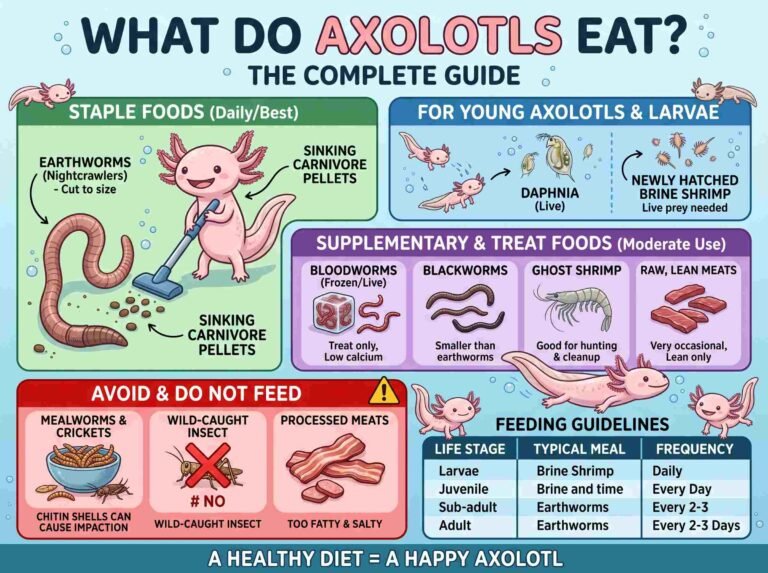
In captivity, it is crucial to replicate their natural diet as closely as possible to ensure that axolotls receive all the necessary nutrients. A varied diet that includes high-quality pellets designed for carnivorous amphibians, live or frozen worms, and occasional treats such as small pieces of shrimp or fish can help maintain their health. While axolotls may have individual preferences, offering a balanced combination of these foods is key to preventing dietary deficiencies.
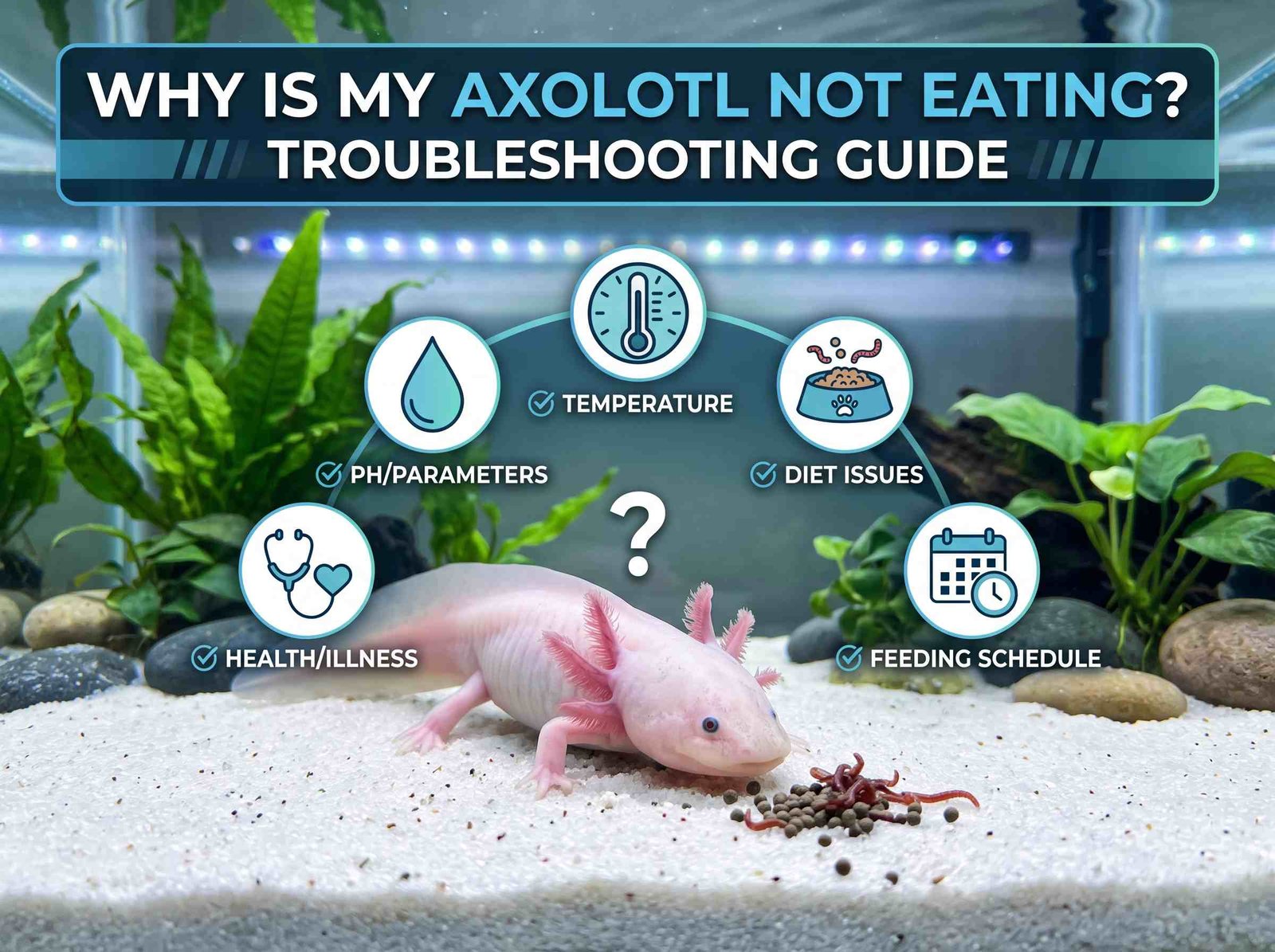
Moreover, understanding their dietary requirements also aids in recognizing potential eating issues that can arise. For example, stress, water quality, or improper feeding techniques can affect an axolotl’s willingness to eat. Moreover, axolotls may refuse food due to environmental factors such as temperature fluctuations or changes in their surroundings. Therefore, providing a stable and suitable environment alongside an appropriate diet is crucial for ensuring that axolotls maintain a healthy appetite and thrive in captivity.
Signs Your Axolotl is Not Eating
Understanding the indicators that your axolotl may not be eating is crucial for ensuring its health and well-being. There are several behavioral and physical signs that can suggest a loss of appetite in these fascinating aquatic creatures. Firstly, one of the most noticeable signs is a change in feeding habits. If your axolotl usually consumes its food eagerly but suddenly starts ignoring it, this could signal a problem.
Another important indicator is the axolotl’s general activity level. Healthy axolotls are generally quite active and engage in regular swimming and exploration behaviors. If you notice that your pet is lethargic or spending excessive time at the bottom of the tank, it may be experiencing discomfort or illness that is affecting its appetite.
Monitoring the water conditions in the tank is also essential, as poor water quality can lead to stress, thus reducing your axolotl’s urge to eat. If your axolotl is spending more time hiding or showing less interest in interaction, these behaviors could further indicate a lack of appetite. Additionally, you should be aware of any unusual physical symptoms, such as swelling or discoloration, which may accompany changes in eating habits.
Another subtle sign to be vigilant about is the condition of the food itself; if it seems uneaten after a prolonged period or if there are remnants in the aquarium, it may indicate your axolotl is refusing to eat. To better understand your axolotl’s habits, it is beneficial to maintain a journal of its feeding patterns and behaviors, which can aid in identifying any troubling changes.
In summary, recognizing the signs that suggest your axolotl is not eating involves careful observation of its behavior, feeding habits, and overall health. By being attentive and proactive, you can take the necessary steps to ensure your axolotl remains healthy and well-fed.
Common Reasons for Loss of Appetite in Axolotls
The axolotl, a unique and fascinating aquatic creature, can experience a decline in appetite due to various factors. Understanding these reasons is crucial for any axolotl owner aiming to maintain the health and well-being of their pet.
One of the primary causes of decreased appetite in axolotls is poor water quality. These amphibians are sensitive to their environment, and factors such as high levels of ammonia, nitrites, or nitrates can significantly affect their feeding habits. Maintaining clean, well-filtered water is essential, as it directly impacts the overall health of the axolotl. Regular water testing and changes should be a routine aspect of axolotl care to prevent such issues.
Another critical factor is stress, which can manifest in several ways and lead to a reduced interest in food. Common stressors include sudden changes in tank conditions, such as fluctuations in temperature or water parameters. Additionally, overcrowding or the presence of aggressive tank mates can contribute to anxiety, making the axolotl less willing to eat. Creating a stable and secure environment is vital for the well-being of these creatures.
Environmental changes, such as moving the axolotl to a new tank or introducing unfamiliar objects into their habitat, can also influence their eating patterns. Axolotls thrive in familiar surroundings, and adjustments that alter their sense of security can lead them to avoid food. Owners should strive to minimize alterations to their axolotl’s environment and allow them time to acclimate before expecting a return to regular feeding behavior.
In summary, several common factors can lead to a loss of appetite in axolotls, including issues related to water quality, stress, and environmental changes. Addressing these concerns promptly is key to ensuring the continued health and vitality of these remarkable amphibians.
Water Quality and Its Impact on Eating
The quality of water in which axolotls are housed is crucial not only for their overall health but also for their eating habits. Several factors within the aquatic environment can significantly affect an axolotl’s appetite and willingness to feed.
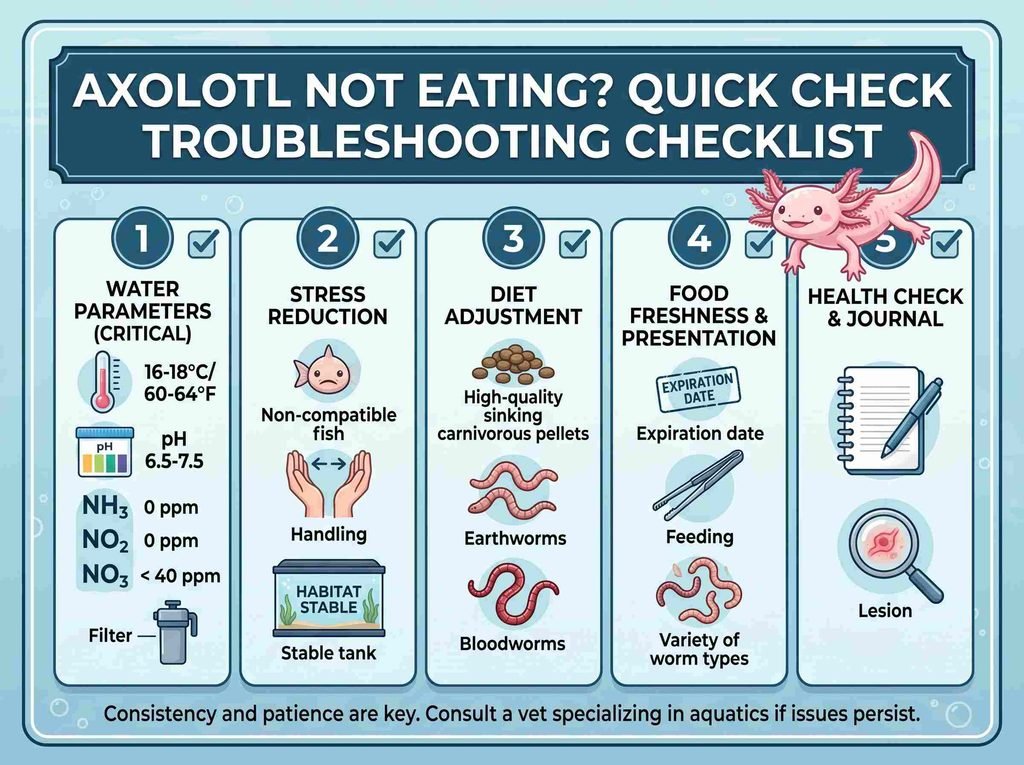
First and foremost, temperature plays a fundamental role in the well-being of axolotls. These creatures thrive in cooler water, ideally between 16-18 degrees Celsius (60-64 degrees Fahrenheit). Warmer temperatures can lead to stress and discomfort, which may result in decreased feeding behavior. Maintaining a stable temperature within this range is essential for optimal axolotl health and their subsequent eating habits.
Another critical aspect of water quality is pH level. Axolotls generally prefer a pH range of 6.5 to 7.5; extreme deviations can lead to stress and health issues. Fluctuations in pH levels may cause discomfort, which can directly affect their willingness to eat. Regular monitoring and adjustment of the pH level can help create a conducive environment for feeding.
Moreover, ammonia, nitrite, and nitrate levels in the water are vital indicators of its quality. Ammonia, even in low concentrations, is highly toxic for axolotls and can lead to severe health problems. Similarly, nitrite levels should be kept at zero, while nitrate levels should be managed to stay below 40 ppm. Elevated levels of these compounds can cause stress in axolotls, further diminishing their appetite.
In summary, ensuring optimal water quality by regulating temperature, pH, and nitrogenous compounds is vital for maintaining the health of axolotls. A stable and appropriate aquatic environment will not only promote better overall well-being but will significantly enhance their eating behavior, ultimately leading to a healthier life for these unique amphibians.
Stress Factors Affecting Axolotls
Axolotls, known for their unique appearance and aquatic lifestyle, are sensitive creatures that can experience stress due to various environmental factors. Understanding these stressors is crucial for maintaining their health and ensuring proper feeding habits. One of the primary contributors to stress in axolotls is the presence of incompatible tank mates. If housed with aggressive or boisterous species, axolotls may become anxious, leading to a significant reduction in their food intake. It is essential to select tank companions that are peaceful and compatible with axolotl behavior to mitigate this stress.
Another critical factor is handling. Regularly handling axolotls can cause unnecessary stress. These amphibians have delicate skin that can be damaged by human contact, and stress from being removed from their habitat can lead to food refusal. It is advisable to limit handling and interactions, allowing axolotls to thrive in their environments without additional anxiety. Establishing a calm and quiet environment is beneficial for their well-being.
Changes in habitat can also significantly affect axolotl feeding habits. Frequent alterations, such as water quality fluctuations, temperature variances, or even tank decoration changes, can create a stressful situation for these creatures. Consistency in their habitat is key; maintaining stable conditions helps axolotls feel secure and encourages regular eating behaviors. Furthermore, any stressors related to water parameters should be regularly monitored to ensure optimal living conditions.
Overall, minimizing stress factors such as incompatible tank mates, excessive handling, and fluctuations in their environment is critical for promoting healthy feeding habits in axolotls. Understanding these aspects is fundamental for any owner looking to provide the best care for their pets.
Health Issues: Recognizing Illness in Axolotls
Axolotls, known for their unique regenerative abilities and captivating appearance, can sometimes face health challenges that may lead to a decrease in appetite. Recognizing these issues early is crucial for the well-being of your aquatic pet. The first step in identifying potential health problems is to observe your axolotl closely for any unusual behavior.
One common issue that may result in an axolotl stopping eating is stress. Stress can be caused by various factors, including poor water quality, abrupt changes in their environment, and improper tank mates. Signs of stress may include erratic swimming, hiding for prolonged periods, or exhibiting lethargy. Maintaining optimal tank conditions—such as temperature, pH levels, and cleanliness—is essential to creating a stable environment for the axolotl.
In addition to stress, axolotls can also suffer from infections or parasites, which can lead to appetite loss. Symptoms to look out for include swelling, discoloration, or lesions on the skin. Fungal infections may present as white or fluffy growths, while bacterial infections often manifest as redness or inflammation. If you notice any of these symptoms, it’s vital to consult a veterinarian specializing in aquatic animals for a proper diagnosis and treatment plan.
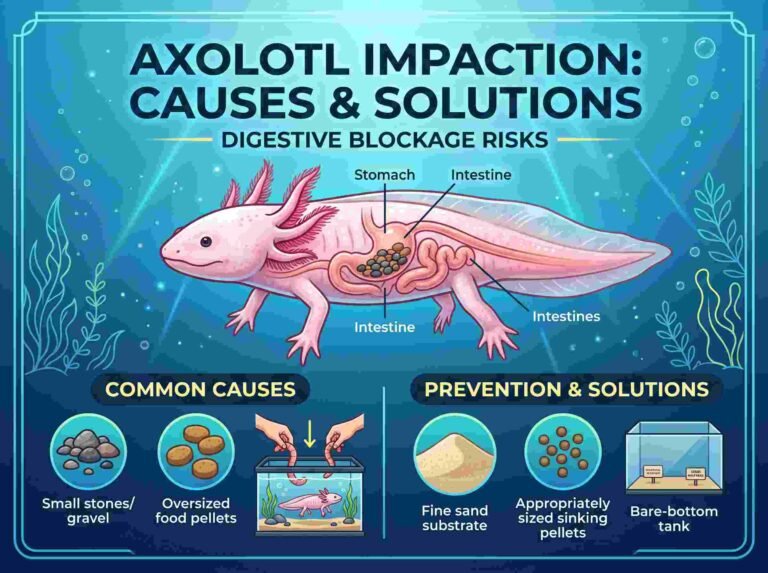
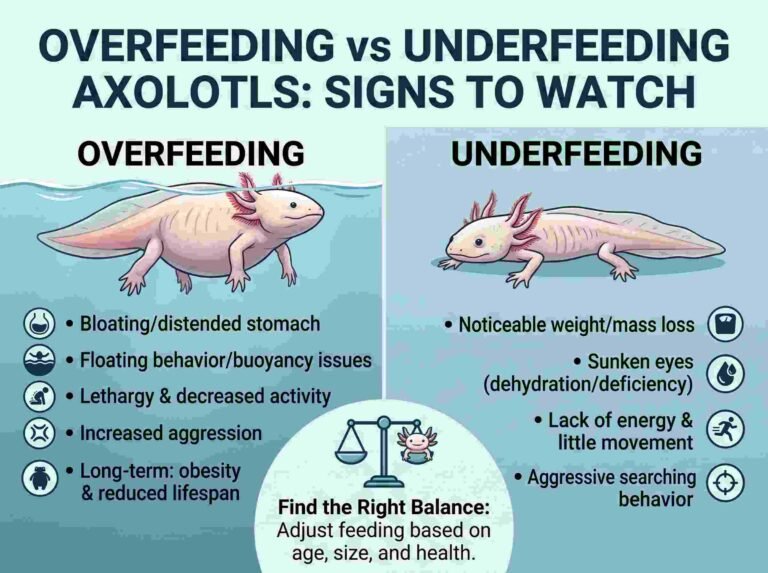
Moreover, axolotls can experience digestive issues that may prevent them from eating effectively. Bloating, an indication of constipation, can lead to discomfort and an aversion to food. Ensuring you provide a balanced diet, including high-quality pellets or live food, can help prevent these digestive problems. Avoid overfeeding, as it can exacerbate issues with digestion and cause health complications.
In conclusion, recognizing illness in axolotls involves careful observation of their behavior and physical condition. By being vigilant and proactive in maintaining their health, owners can significantly improve their pet’s quality of life and encourage a healthy appetite.
Food Issues: What and How You’re Feeding Matters
When it comes to caring for axolotls, the quality and type of food provided plays a critical role in ensuring their health and vitality. Axolotls are unique aquatic creatures with specific dietary needs, and understanding these requirements is essential for promoting optimal feeding behavior.
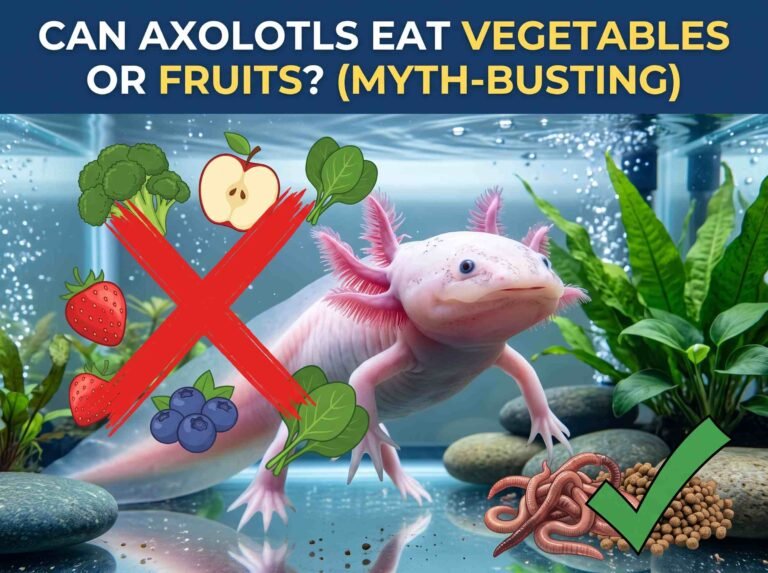
The first consideration is the type of food being offered. Axolotls are carnivorous and typically thrive on a diet consisting of high-quality protein sources. Common food options include earthworms, bloodworms, and specially formulated pellets designed for salamanders. However, using inappropriate food items, such as plant-based diets or stale products, can lead to reduced interest in feeding. This decline in appetite is often a sign that the axolotl is not receiving the nutrients necessary for its well-being.
Besides the type of food, the freshness of the feed significantly impacts an axolotl’s willingness to eat. Stale or expired food can deter these creatures from feeding, as the nutritional value diminishes over time. It is essential to regularly check the expiration dates of commercial feed and to avoid using food that has been improperly stored. For live food sources, maintaining their health and nutritional quality is equally important; dead or unhealthy worms may carry bacteria that can harm axolotls.
Axcitingly, it’s also important to consider how the food is presented. Axolotls may also be picky eaters; thus, varying the delivery method can make a difference in their feeding behavior. For some individuals, scattering food on the substrate or using feeding tongs to dangle live prey might stimulate interest better than simply dropping food into the water.
In conclusion, attention to the quality and freshness of the food provided is vital in promoting healthy feeding in axolotls. Proper food selection and storage coupled with understanding their feeding preferences can significantly enhance their overall feeding behavior and health.
Steps to Encouraging Your Axolotl to Eat Again
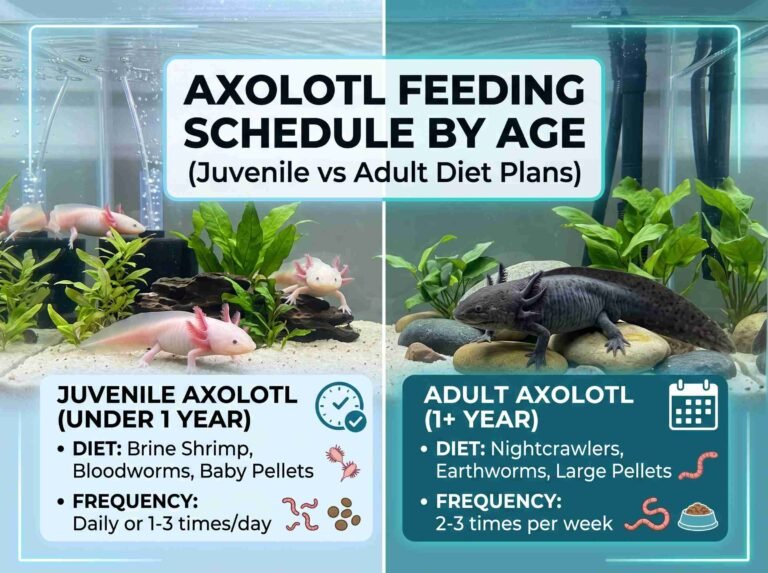
When facing issues with an axolotl’s reluctance to eat, it is essential to adopt a supportive approach to encourage feeding. There are several effective strategies that can assist in coaxing your axolotl back to a healthy eating routine. The first step involves evaluating and potentially altering the types of food offered. Axolotls are often picky eaters, and introducing a variety of food options can stimulate their appetite. Consider offering live food, such as earthworms or bloodworms, alongside high-quality pellets, as the movement of live food may entice the axolotl to take an interest in eating.
Another strategy is to modify the feeding schedule. Axolotls may respond better to a consistent but flexible routine, so establishing a regular feeding time while being attentive to their behavior can be beneficial. For instance, if your axolotl seems more active during certain parts of the day, consider adjusting the feeding time to coincide with when they are more likely to seek food.
Additionally, making environmental modifications can have a positive impact on your axolotl’s feeding habits. Ensuring that the habitat is stress-free and conducive to eating is crucial. This includes maintaining appropriate water conditions, such as temperature, pH, and ammonia levels. Too much activity in the tank or disturbances from other inhabitants can create stress, leading to decreased appetite. Providing a calm environment where the axolotl feels safe may encourage them to resume eating.
Lastly, patience is key. Sometimes, axolotls may refuse food due to natural variations in their behavior and cycles. Keeping a close eye on your pet’s overall health and maintaining a stress-free environment will foster a more conducive setting for recovering their appetite.
When to Seek Professional Help
While many axolotl eating issues can be resolved through careful observation and adjustments in care, there are times when intervention by a veterinarian is crucial. Understanding when to seek professional assistance is an important aspect of ensuring the health and well-being of your axolotl.
If your axolotl has shown a significant change in appetite that continues for several consecutive days, it is advisable to consult a veterinarian with experience in aquatic animals. A sudden refusal to eat can indicate underlying health problems that might not be immediately apparent. Common signs that necessitate professional help include lethargy, abnormal swimming behavior, or physical manifestations such as swelling or lesions.
Moreover, if your axolotl exhibits signs of distress during feeding attempts, such as excessive gaping, coughing, or regurgitation, these may be symptoms requiring veterinary attention. Some eating issues may stem from injuries, infections, or parasites, which can only be effectively diagnosed and treated by a professional.
It is also wise to consider seeking help if you have exhausted all troubleshooting methods without success. If changes in tank parameters, diet, and feeding routines do not yield improvements, this persistence of the problem signals that the situation may be more serious than initially thought. A veterinarian can perform a thorough examination and possibly recommend diagnostic tests to pinpoint the cause of the eating issue.
In summary, when it comes to axolotl care, vigilance is key. Don’t hesitate to reach out to a qualified veterinarian if you notice any concerning signs or if the problem lasts longer than expected. Prompt action can be vital to your axolotl’s recovery, ensuring that it leads a healthy and fulfilling life.