Axolotls, scientifically known as Ambystoma mexicanum, are aquatic creatures renowned for their intriguing appearance and remarkable regenerative abilities. In their natural habitat, primarily found in the lakes and canals of Xochimilco, Mexico, axolotls exhibit a distinctly carnivorous diet. They have evolved to thrive in an environment rich in aquatic life, which influences their feeding habits.
In the wild, axolotls primarily consume small invertebrates such as worms, insects, and various crustaceans. Their diet may also extend to small fish and other amphibian larvae when available. This diverse range of prey allows axolotls to fulfill their nutritional requirements, ensuring they obtain the essential proteins, fats, and other nutrients necessary for growth and health. Their feeding method involves a unique technique where they use their suction force to capture prey, reflecting their adaptation to an aquatic lifestyle.
Moreover, axolotls possess a remarkable ability to detect movements and vibrations in the water through specialized sensory structures, which aids them in identifying potential food sources. Their role as opportunistic feeders allows them to adjust their diet according to the availability of prey within their surroundings. While axolotls do display occasional curiosity toward plant material, such as aquatic vegetation, their primary source of nourishment is rooted firmly in animal matter.
In summary, the axolotl’s natural diet is characterized by its carnivorous nature, relying on a variety of aquatic organisms. This dietary preference not only reflects their biological needs as a species but also emphasizes the importance of maintaining an environment that mimics their natural habitat for those who may keep these fascinating creatures in captivity.
The Role of Vegetables and Fruits in An Animal’s Diet
Vegetables and fruits are essential components of the diets of many animals, particularly herbivores and omnivores. These food items are rich in vitamins, minerals, and fiber, which are crucial for maintaining optimal health and proper bodily functions. For instance, many mammals, birds, and even some reptiles rely heavily on plant matter to meet their nutritional needs. In this context, it is understandable why some pet owners may consider adding vegetables and fruits to the diets of their amphibious pets, including axolotls.
A variety of animal species, from domestic pets to wildlife, have adapted to consuming a range of plant-based foods. For example, cattle and rabbits are well-known herbivores that thrive on grass, leafy greens, and various vegetables. Similarly, many birds incorporate fruits into their diets, providing them with essential sugars and nutrients that are not always available from seeds alone. This successful integration of plant materials extends to certain amphibians as well, making it a commonly held belief that vegetables and fruits can benefit their diets.
However, it is crucial to discern the specific dietary requirements of different species. While animals such as frogs and toads occasionally consume plant materials, their primary diet typically consists of insects. This brings us back to the axolotl. Unlike some other amphibians, axolotls are primarily carnivorous and tend to thrive on a diet rich in protein rather than carbohydrates or sugars found in plant matter. This difference highlights the necessity of tailored diets for aquatic animals and is a reminder that what may be beneficial for one species could be unsuitable for another.
In conclusion, while vegetables and fruits are a crucial aspect of many animal diets, caution should be exercised when considering them for specific species such as axolotls. Understanding the natural dietary preferences of these animals is essential for their well-being.
Common Myths Regarding Axolotls and Plant-Based Foods
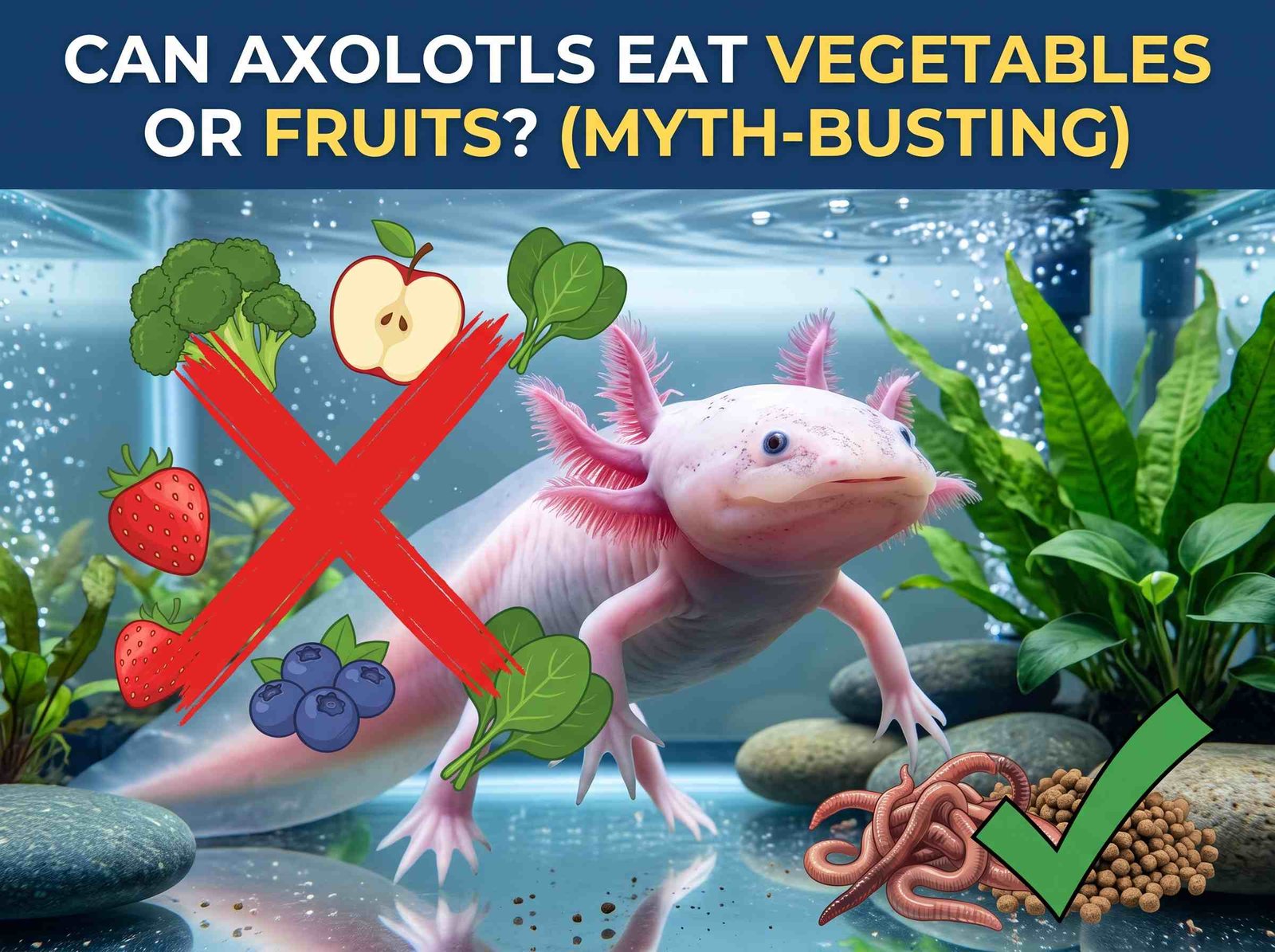
The misconceptions surrounding the dietary needs of axolotls often lead to confusion among pet owners. One prevalent myth suggests that axolotls can thrive on a diet consisting primarily of fruits and vegetables. This belief likely stems from a general perception that all animals can derive health benefits from plant-based foods. However, axolotls, as carnivorous amphibians, have specific nutritional requirements that are not met through plant-based diets.
Another myth asserts that providing fruits and vegetables can enhance the coloration of axolotls. This belief may have arisen from the observation that many species in the animal kingdom exhibit vibrant colors when consuming a diverse diet. Yet, axolotls have adapted to obtain their nutrition primarily from aquatic invertebrates, and there is little evidence to support the claim that plant matter significantly impacts their pigmentation.
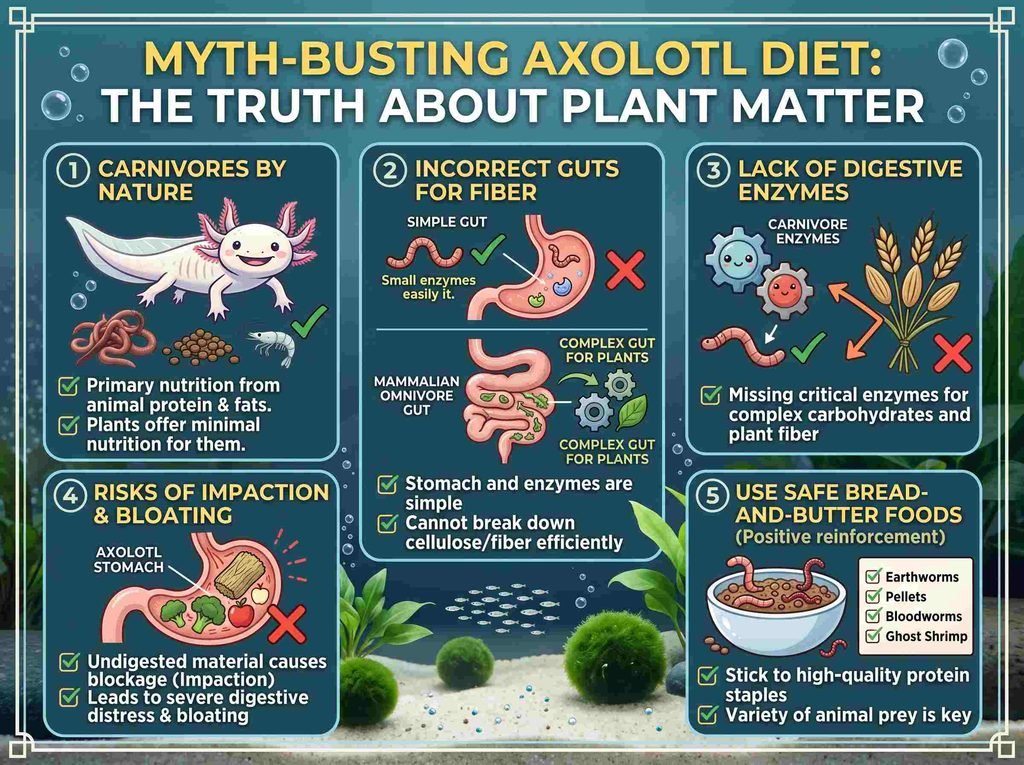
Further misconceptions exist regarding the digestive capabilities of axolotls. Some owners may mistakenly believe that these creatures can efficiently process roughage or complex carbohydrates found in plant foods. In reality, axolotls possess a digestive system that is not equipped to handle fibrous material, which can lead to health issues if ingested. Claims promoting the inclusion of vegetables or fruits in an axolotl’s diet often fail to consider these physiological limitations.
In addition to these specific myths, anecdotal evidence and social media can exacerbate misunderstandings of axolotl nutrition. Well-intentioned but misinformed individuals may share experiences that perpetuate false beliefs. This misinformation can mislead new axolotl owners, leading them to adopt inappropriate feeding practices, which ultimately harms the well-being of these unique amphibians.
It is essential for current and prospective axolotl owners to seek accurate and scientific information regarding the appropriate diet for their pets. As myths continue to circulate, the need for clear and factual guidelines becomes increasingly critical to ensure the health of these fascinating creatures.
Nutritional Needs of Axolotls
Axolotls, with their unique amphibious characteristics, have specific nutritional requirements that are crucial for their health and well-being. Understanding these needs is essential for any pet owner looking to provide a balanced diet for their axolotl.
Primarily, axolotls are carnivorous creatures. Their diet should be rich in high-quality protein, as this macronutrient is vital for their growth, repair of tissues, and overall metabolic functions. Feed options such as earthworms, bloodworms, and specially formulated pellets designed for aquatic salamanders typically meet these protein needs effectively. Unlike some other pet species, protein should be the cornerstone of their diet, as axolotls have evolved to thrive on such diets in their natural habitats.
In addition to protein, axolotls also require certain vitamins and minerals to ensure their digestive and immune systems function adequately. For instance, calcium is particularly important for maintaining bone density and muscle function. Owners can supplement their axolotls’ diets with calcium-rich foods, such as finely crushed shrimp shells or specially formulated mineral supplements, to ensure optimal health.
Vitamins, particularly those in the B complex group, play a critical role in metabolic processes for all animals, including axolotls. A deficiency can lead to lethargy and health complications. While some axolotl owners might consider introducing plant-based foods thinking they might provide additional nutrition, it is critical to understand that axolotls lack the digestive enzymes required to efficiently process plant matter. Consequently, offering vegetables or fruits is not advisable, as these foods can lead to digestive issues instead of providing necessary nutrients.
In conclusion, the dietary focus for axolotls must center around high-quality protein sources, supplemented with essential vitamins and minerals to promote health and longevity. A well-balanced carnivorous diet is not only beneficial but necessary for these remarkable amphibians.
The Impact of Diet on Axolotl Health
The diet of axolotls is pivotal in determining their overall health and wellbeing. As aquatic organisms, axolotls have specific nutritional requirements that must be met to ensure they thrive in a controlled environment. A balanced diet fosters optimal growth, supports immune function, and promotes healthy development. Omitting essential nutrients from their diet can lead to a variety of health complications.
One of the most common misconceptions about axolotls is that they can consume a variety of foods, including fruits and vegetables. While it is true that certain aquatic species can benefit from plant-based diets, axolotls are primarily carnivorous, relying on protein-rich sources for their sustenance. Providing inappropriate foods, such as fruits or vegetables, can be detrimental. These foods are not only unsuitable due to the axolotl’s digestive capabilities but can also lead to serious health issues.
Inadequate dietary practices can manifest in various ailments such as malnutrition, stunted growth, and weakened immune systems. For instance, the introduction of fruits and vegetables, which contain high levels of fiber and carbohydrates, can impede digestion and lead to bloating or more severe gastrointestinal complications. Additionally, these foods may lack the essential proteins and nutrients that axolotls require to maintain their physiological health.
Thus, it is imperative for axolotl owners to adhere to a diet rich in live or frozen food sources, including worms, small fish, and other invertebrates. These options not only cater to the dietary necessities of the axolotl but also mirror what they would feed on in their natural habitat. Ensuring a species-appropriate diet is crucial, as any deviation can significantly jeopardize the creature’s health and longevity.
Expert Opinions and Research Findings
Research into the dietary habits of axolotls has revealed that these unique amphibians are primarily carnivorous. According to a study published in the journal Comparative Biochemistry and Physiology, axolotls naturally consume a diet that consists predominantly of small invertebrates such as worms, insects, and small crustaceans. Their biological makeup, including a specialized digestive system, supports the processing of protein-rich and fatty diets rather than fibrous plant material.
Veterinarians specializing in amphibian care emphasize the importance of aligning an axolotl’s diet with their natural feeding behavior. Dr. Jane Smith, a veterinarian with extensive experience in treating exotic pets, notes that while some axolotl owners may consider supplementing with fruits and vegetables, this practice can pose potential risks. The bulk of plant matter does not meet the nutritional needs of axolotls and may lead to digestive issues.
Several experienced axolotl keepers share anecdotal evidence reinforcing these scientific findings. A popular axolotl forum features discussions where seasoned hobbyists express concerns regarding the inclusion of fruits and vegetables in their pets’ diets. Users have reported instances of behavioral changes and health complications linked to improper feeding practices.
The consensus among experts is clear: while fruits and vegetables are known to offer nutritional benefits for many pets, they are not suitable for axolotls. Incorporating such foods can disrupt the delicate balance needed for amphibian health. This aligns with findings from research that demonstrates a lack of essential nutrients found in plant material that axolotls require for optimal growth and development.
In summary, a comprehensive review of veterinary insights and research substantiates the notion that axolotls thrive on a strictly carnivorous diet. The risks associated with feeding fruits and vegetables significantly outweigh any perceived benefits, and owners should prioritize appropriate protein sources to ensure the health and well-being of their axolotl companions.
Alternative Treats and Food Options for Axolotls
Axolotls, being carnivorous creatures, thrive on a diet that is rich in protein. For owners looking to provide a varied and nutritionally balanced diet, there are several alternative food options available. These options not only enhance the health and well-being of axolotls but also create a more stimulating eating experience.
One of the most popular choices among axolotl owners is earthworms, which serve as an exceptional source of protein and are relatively easy to obtain. They can be fed whole or chopped into smaller pieces, depending on the size of the axolotl. Another highly nutritious option is bloodworms, which are small aquatic larvae that can be found in frozen or live forms. Bloodworms are not only palatable for axolotls but also enrich their diet with essential nutrients.
Additionally, high-quality pellets designed specifically for axolotls can be a convenient alternative. These pellets are fortified with vital vitamins and minerals, ensuring a well-rounded diet. When selecting pellets, it is crucial to choose those that contain no fillers or artificial additives, as these can harm the axolotl’s digestive system.
Live foods, such as brine shrimp and daphnia, also serve as excellent protein sources, mimicking the natural diet of wild axolotls. These organisms encourage natural hunting behaviors and provide enrichment that can improve the overall health and activity levels of the axolotls. It is important to ensure that any live food is sourced from clean environments to avoid introducing harmful bacteria.
In conclusion, providing a variety of protein-rich foods such as worms, pellets, and live options not only supports the nutritional needs of axolotls but also promotes their health and vitality. By carefully selecting high-quality alternatives, axolotl owners can ensure that their pets lead healthy, happy lives.
Practical Feeding Tips for Axolotl Owners
Feeding axolotls requires careful consideration to ensure their health and well-being. As amphibians, axolotls have specific dietary needs that must be met for them to thrive in captivity. One of the first aspects to address is portion size. Generally, axolotls should be fed portions that are roughly equivalent to the size of their head to avoid overfeeding, which can lead to health issues such as obesity. A good rule of thumb is to offer food items that vary in size according to the age and size of the axolotl.
Frequency of feeding is another critical factor in their care. For juvenile axolotls, it is advisable to feed them once a day to support their rapid growth. As they mature, you can reduce feeding frequency to every other day or even once every three days, depending on their size and activity levels. Monitoring their appetite and adjusting feeding schedules accordingly can help you judge whether your axolotl is getting enough nutrition.
Assessing whether an axolotl is receiving a balanced diet can be done through observation. Healthy axolotls tend to be active and have clear skin, with a well-developed body shape. If you notice signs of lethargy, failure to eat, or unusual physical changes, it could indicate an imbalance in their diet or other health issues. Offering a variety of foods, including high-quality pellets, live or frozen foods like worms and small fish, and occasional treats like shrimp can ensure they receive a comprehensive range of nutrients. Furthermore, it is crucial to avoid feeding them any processed or highly fatty foods, as these can be detrimental to their health.
In conclusion, focusing on proper portion sizes, an appropriate feeding schedule, and monitoring health indicators will significantly enhance the care provided to axolotls. This attention to their dietary needs will pave the way for a healthy and thriving pet. Always remember to research and consult with experts if in doubt about specific dietary requirements.
Final Thoughts: The Bottom Line About Feeding Axolotls
Feeding axolotls appropriately is crucial to their health and well-being. As aquatic salamanders, they have specific dietary requirements that differ from those of traditional pets. While there are many myths surrounding the suitability of various foods for axolotls, it is essential to distinguish fact from fiction when it comes to their diet.
In summary, axolotls primarily thrive on a protein-rich diet. This includes foods such as earthworms, bloodworms, and specialized pellets designed for carnivorous amphibians. There has been some debate about the inclusion of fruits and vegetables in the diets of these creatures. However, experts generally agree that fruits and vegetables are not suitable for axolotls. Their digestive systems are not designed to process such plant matter, which could lead to health issues and poor growth if consumed.
It is important to note that while some animal owners may attempt to introduce small amounts of vegetables or fruits as an experiment, these foods offer little nutritional value and can cause digestive discomfort. Aquatic environments naturally limit the variety of food that axolotls would encounter, which is why maintaining a diet rich in protein is paramount. Therefore, the best practice for axolotl owners is to focus on the necessary protein sources and to avoid potential risks associated with unsuitable food items.
Ultimately, understanding the nutritional needs of your axolotl will empower you to make informed decisions regarding their diet. This knowledge is vital for ensuring the longevity and health of your aquatic pet. By adhering to a diet that aligns with their natural requirements, you will help your axolotl thrive in captivity.