The axolotl, known scientifically as Ambystoma mexicanum, is a fascinating amphibian native to the lake complex of Xochimilco in Mexico. This species is particularly unique due to its remarkable regenerative abilities and neotenic characteristics, which allow it to retain juvenile features throughout its life. In the wild, axolotls primarily inhabit freshwater environments, where they demonstrate carnivorous feeding habits.
In their natural habitat, axolotls feast on a variety of food sources, which includes small invertebrates, insects, and other aquatic organisms. This diverse diet is crucial for their growth and overall health, as it provides essential nutrients that support their biological functions. Understanding these natural feeding behaviors is important for anyone looking to keep axolotls as pets, as it guides the selection of appropriate food sources that mimic their wild diet.
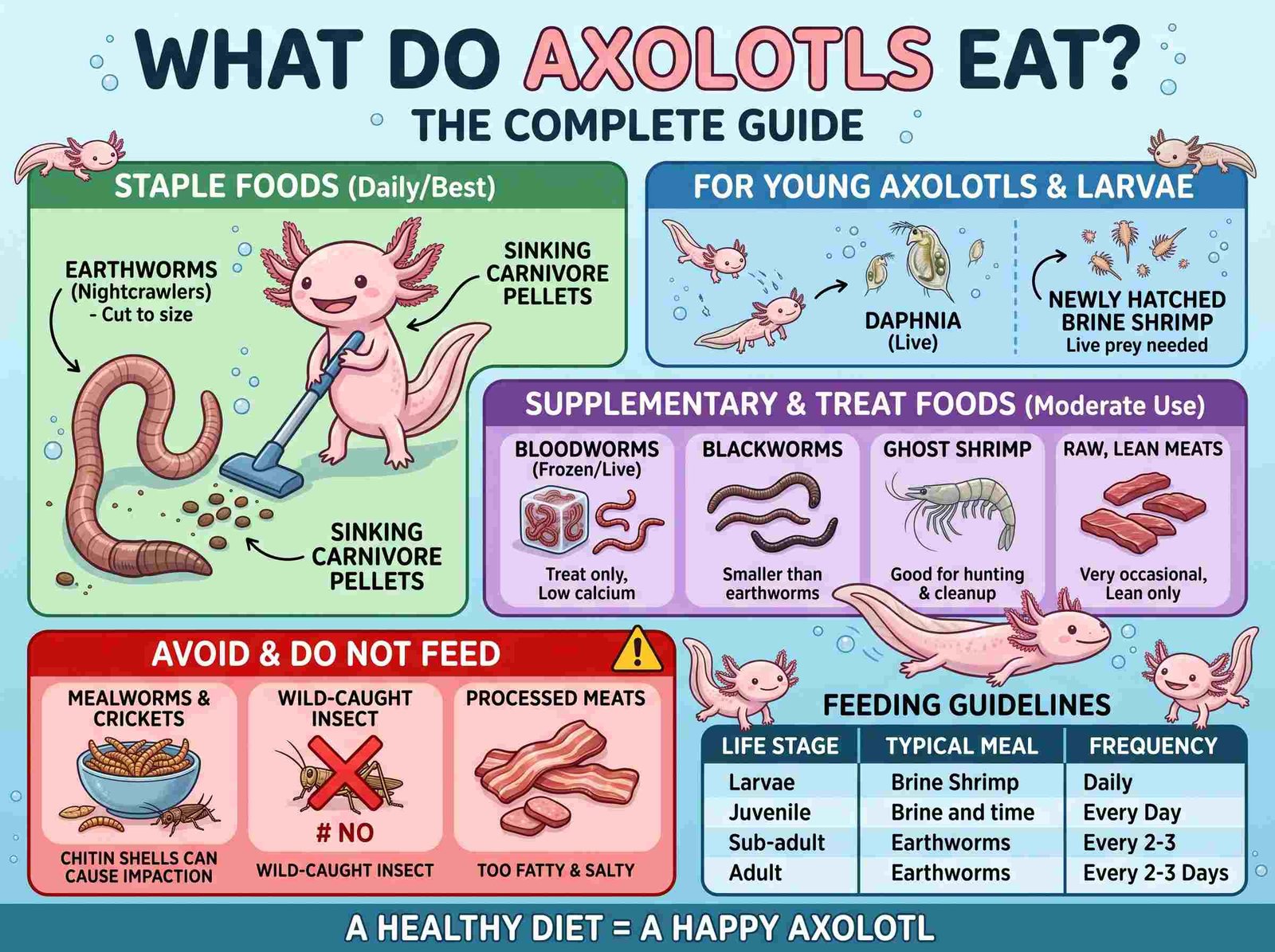
Providing a well-rounded diet is essential when caring for pet axolotls. Offering a mixture of live, frozen, or freeze-dried foods can closely replicate what they would consume in the wild. Common food items include bloodworms, brine shrimp, and earthworms, which provide both protein and fat necessary for their development. Furthermore, recognizing the eating habits of axolotls aids in preventing health issues such as obesity or malnutrition.
A well-informed understanding of the axolotl diet is crucial for pet owners. By replicating their natural feeding habits, one can ensure the health and well-being of these extraordinary creatures. Furthermore, proper dietary practices can contribute to the longevity and vibrant coloration of pet axolotls, enhancing the overall experience of keeping these unique amphibians in captivity.
The Essentials of Axolotl Feeding
Axolotls, a unique and fascinating amphibian species, possess specific nutritional needs that must be met for optimal health and growth. Understanding the basic nutritional requirements is crucial for any axolotl owner. A balanced diet primarily consists of proteins, fats, vitamins, and minerals, each playing a vital role in their development.
Proteins are the cornerstone of an axolotl’s diet. Being carnivorous by nature, these amphibians thrive on high-protein foods such as worms, small fish, and specially formulated axolotl pellets. Protein is essential for muscle development and overall growth. It is important to ensure that the protein content of the diet is sufficient, usually constituting about 40-50% of their total nutritional intake. However, care should be taken to avoid overfeeding, which could lead to obesity and health issues.
In terms of fats, a moderate amount is also essential for axolots; these fats provide energy and assist in the absorption of fat-soluble vitamins. In fact, a diet with a fat content of around 15% is generally considered to be adequate. However, it is critical not to exceed this level as excessive fat can lead to long-term health complications.
Axolotls also require a variety of vitamins and minerals to maintain their overall health. Vitamins such as A, D, and E are vital for supporting their immune system and promoting healthy skin and growth. Minerals, including calcium and phosphorous, play a crucial role in bone development and maintenance. Therefore, introducing a diverse range of foods can help ensure that axolotls receive their required vitamins and minerals.
Ultimately, providing a balanced and tailored diet is key to the well-being of axolotls. Regularly assessing and adjusting their feeding regimen based on growth stages and individual health needs can lead to a thriving axolotl that showcases its natural beauty and vitality.
Safe Foods for Axolotls
Axolotls, as amphibious creatures, have specific dietary needs that must be met to ensure their health and well-being. A diverse diet is crucial for providing the essential nutrients required for growth and development. This section outlines various safe food options that axolotls can consume.
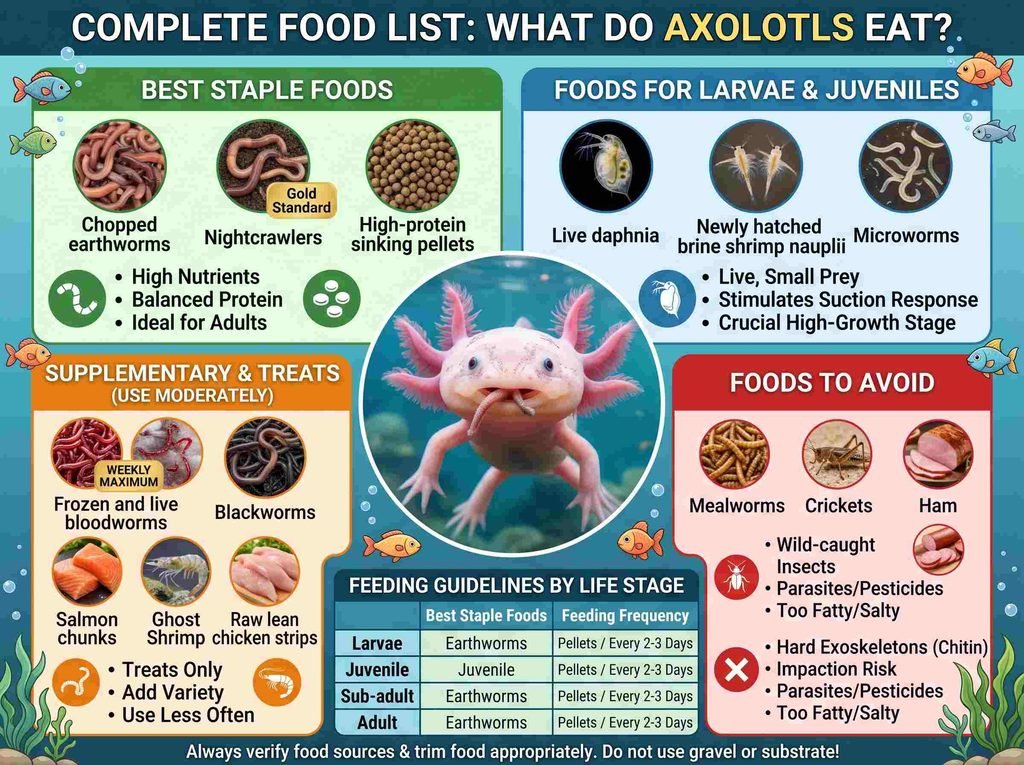
One of the most nutritious live foods suitable for axolotls includes earthworms. These worms are an excellent source of protein and are easily digestible. Another beneficial addition to their diet can be bloodworms, which are often available in both live and frozen forms. Additionally, blackworms are a favored choice among many axolotl owners as they stimulate natural hunting behaviors.
Insects can also be included in an axolotl’s diet. Suitable options include brine shrimp, daphnia, and small crickets. It is important to ensure that these insects are appropriately sized for the axolotl, as excessively large prey can pose a choking hazard.
For those who prefer commercial food options, specially formulated axolotl pellets are available in pet stores. These pellets often contain balanced nutrients and can serve as a staple in their diet. However, it is crucial to select high-quality products that are specifically designed for axolotls rather than generic fish food.
In addition to live foods and pellets, frozen foods are also a convenient alternative. Options like frozen bloodworms, mysis shrimp, and finely chopped fish can be offered to axolotls. These foods retain a significant amount of nutrients and are easy to store, yet they should be thawed properly before serving to the axolotl.
Offering a variety of food types will not only ensure a well-rounded diet for axolotls but also enhance their feeding experience. By including both live and prepared foods, axolotl owners can maintain their pet’s appetite and overall health.
Foods to Avoid
Understanding what foods are harmful to axolotls is critical for ensuring their health and longevity. Many pet owners may not realize that certain foods commonly believed to be safe can actually be detrimental to these aquatic creatures. This section outlines specific foods that should be avoided when feeding axolotls.
One notable food to avoid is chicken. Although it may seem like a protein-rich option, chicken contains high levels of fatty acids that can lead to digestive issues in axolotls. The complex proteins in chicken can also be difficult for them to digest, posing potential harm to their delicate systems. Other meats, including beef and pork, should also be excluded from their diet for similar reasons.
Fish, while natural prey for amphibians, can also be problematic. Specifically, feeder fish such as goldfish or guppies can introduce diseases or parasites to axolotls. Additionally, these fish contain thiaminase, an enzyme that breaks down vitamin B1, potentially leading to vitamin deficiencies for axolotls. Instead, utilizing specialized axolotl pellets or earthworms is highly recommended.
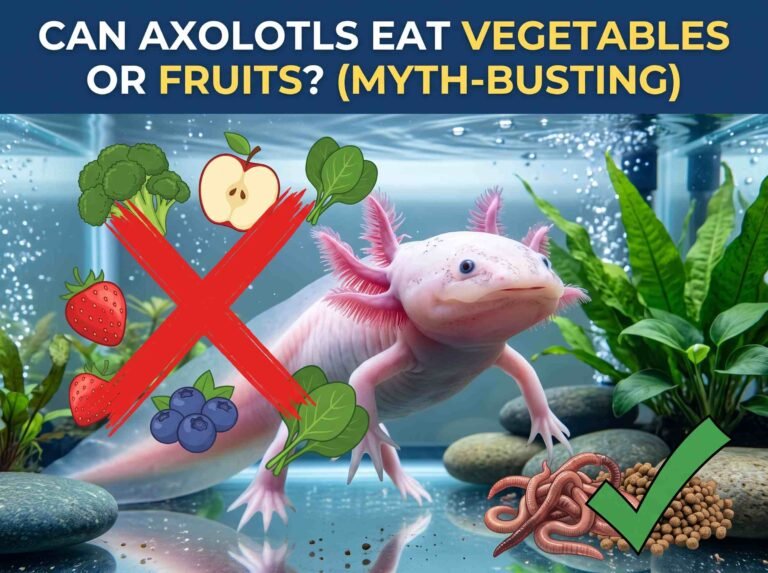
Fruits and vegetables are another category that should be avoided. Foods such as lettuce or potatoes can cause gastrointestinal distress due to their high fiber content, which is unsuitable for the axolotl’s slow digestive system. Furthermore, any form of processed food should be strictly prohibited as they often contain additives and preservatives that are not beneficial—and can be harmful—to axolotls.
In summary, feeding your axolotl requires careful consideration of their dietary needs. By avoiding foods like chicken, fatty meats, certain fish varieties, fruits, and processed items, pet owners can ensure a healthy diet that supports the overall well-being of these fascinating creatures. Prioritizing proper nutrition is essential for longevity and vitality in axolotls.
Feeding Frequency and Portions
Understanding the feeding frequency and portion sizes for axolotls is crucial for maintaining their health and well-being. Axolotls, being carnivorous amphibians, require a diet that is rich in protein and suitable to their size and age. For optimal growth and health, the feeding schedule can vary based on the age of the axolotl.
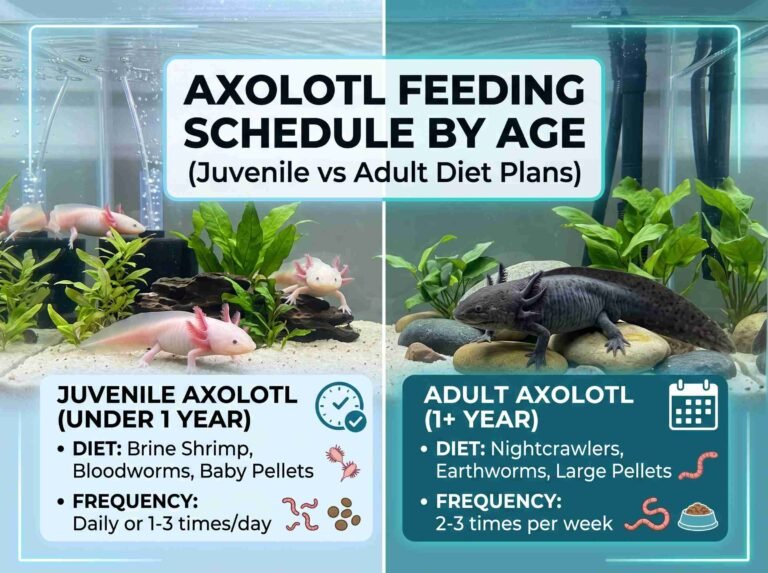
Juvenile axolotls, which are typically 1 to 3 months old, should be fed more frequently than adult axolotls. It is recommended to feed them two to three times per day. Smaller portions are ideal during these feedings, as juvenile axolotls tend to have smaller stomachs. Each portion should not exceed what they can consume in approximately 10-15 minutes. A good rule of thumb is to offer an amount that is roughly 1-2 of their head sizes in food, ensuring they finish the meal promptly to maintain a clean habitat and prevent uneaten food from decaying.
As axolotls grow and reach adulthood at around 6 months old or larger, the frequency of feedings can be reduced to once a day. Adult axolotls can take larger portions, which should again be about the size of their head. It is essential to monitor your axolotl’s behavior and adjust feeding accordingly. Some axolotls may require more food, especially if they are particularly active or larger than average, while others may need less if they are more sedentary or smaller.
Additionally, it is important to observe individual preferences and needs. Some axolotls may prefer certain types of food over others, and this can affect portion sizes as well. Adjusting the feeding schedule to accommodate their individual requirements can significantly enhance their nutrition and overall health. By keeping a close eye on their size, activity level, and feeding behavior, you can create a tailored feeding regiment that supports your axolotl’s unique needs.
Supplemental Feeding Tips
In the quest for optimal axolotl health and wellbeing, supplemental feeding can play an important role. While a balanced diet consisting mainly of high-quality pellets, worms, and live prey is critical for their growth and vitality, there are specific instances when incorporating supplements can be beneficial. These additional nutrients can enhance an axolotl’s diet, ensuring they receive all the essential vitamins and minerals they need.
Supplements are often recommended when the axolotl’s primary diet lacks certain elements, which can occur based on dietary choices or availability of food sources. For instance, vitamin preparations can be particularly helpful in promoting robust development and preventing deficiencies. Calcium supplements are especially important during growth phases and for breeding axolotls, as they support strong bone formation and overall health.
Another necessary supplement is a source of omega fatty acids, which contribute to skin health and promote a shiny, vibrant appearance in axolotls. Fish and aquatic invertebrates are natural providers of these fatty acids; however, commercially available fish oil can also serve as an effective supplement if the diet is otherwise lacking. When considering any type of supplementation, it is vital to follow dosage recommendations to avoid any adverse effects.
Moreover, monitoring the axolotl’s behavior and health post-supplementation is important. An increase in activity or improvements in skin condition are indicators of positive effects. However, excessive supplementation can lead to nutritional imbalances. Therefore, it is advised to only introduce supplements after proper research or consultation with a veterinarian who specializes in aquatic animals. This approach ensures that any added nutrients genuinely contribute to the well-being of your axolotl.
In summary, enhancing an axolotl’s diet with supplements can be beneficial under specific circumstances. By being mindful of dietary needs and monitoring health, keepers can successfully improve the nutritional profile of their axolotls with the appropriate supplements.
Special Considerations for Baby Axolotls
Baby axolotls, or larvae, have unique dietary requirements that are crucial for their growth and development. During their initial growth stages, it is important to provide a diet that is rich in protein and suitable for their size. One of the best food options for baby axolotls is live food, such as brine shrimp and daphnia, which encourage natural hunting behaviors and stimulate growth.
In the early weeks, baby axolotls should be fed several times a day. It is essential to ensure that the food provided is appropriately sized to prevent any choking hazard. As they grow, their dietary needs will evolve, and they can be introduced to a wider variety of foods, including finely crushed pellets and small pieces of earthworms or bloodworms. These options not only meet their growing protein requirements but also contribute to their overall health.
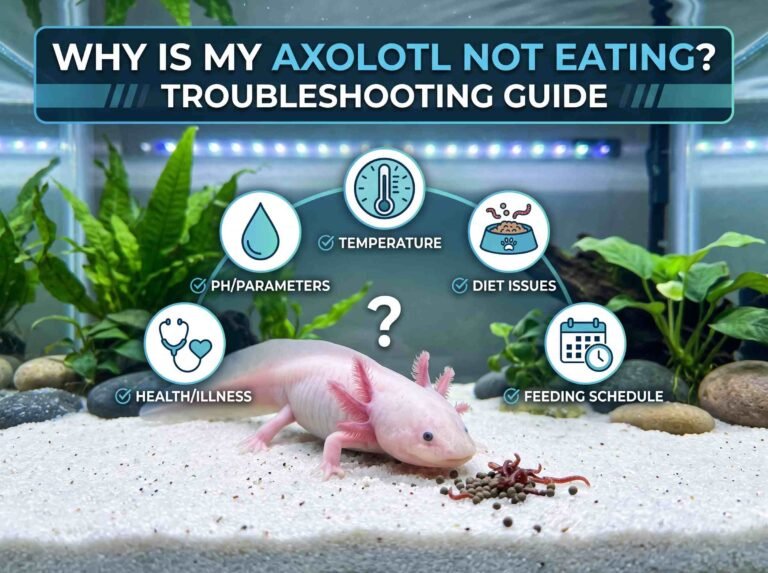
It is also vital to monitor the water quality in their environment. Poor water conditions can affect their ability to feed and thrive. Regular water changes and maintaining optimal parameters for temperature and pH are necessary for baby axolotls. Additionally, because they are sensitive to overfeeding, maintaining a feeding schedule is essential. Feeding them too much can lead to health problems, including obesity and water quality issues.
Moreover, ensuring that the food items are nutritionally balanced is a key consideration. This means checking that the diet is not only high in protein but also includes necessary fats and vitamins. Commercial baby axolotl food can be utilized, but it should complement live food choices for the best results. As they transition into adulthood, their diet can be expanded further to include a diversity of food options.
In conclusion, catering to the specific dietary needs of baby axolotls is fundamental for their growth and lifelong health. By providing a varied and balanced diet, as well as maintaining proper water quality, caregivers can ensure their axolotls thrive during this critical stage of development.
Monitor Your Axolotl’s Health through Diet
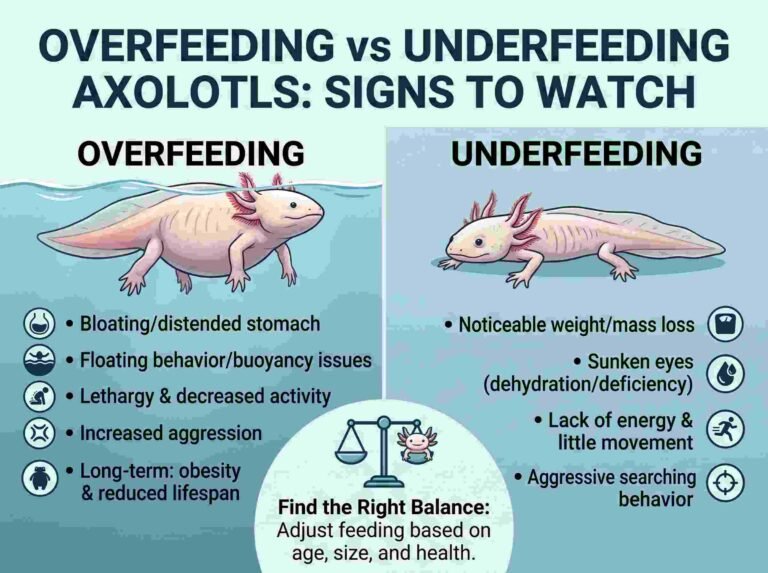
Monitoring the health of an axolotl is essential for ensuring it thrives in its aquatic environment. One of the most critical aspects of this monitoring is observing the animal’s diet, as it can directly impact its overall well-being. Healthy axolotls typically exhibit vibrant coloration, clear eyes, and a robust swimming pattern. Any deviation from these signs may indicate underlying issues, often linked to nutritional deficits or overfeeding.
Proper nutrition is paramount. Axolotls are carnivorous and require a diet rich in protein. Common food sources include earthworms, small fish, and specialized pellets designed for aquatic salamanders. Consuming a varied diet allows axolotls to receive essential vitamins and minerals necessary for optimal health. When an axolotl is not receiving sufficient nutrients, it may display symptoms such as weight loss, lethargy, or a decrease in activity levels. Regularly assessing the diet can help identify any shortfalls in nutrition.
On the contrary, overfeeding is another prevalent issue among axolotl owners. If the axolotl is fed excessively, it can lead to obesity, which manifests as an enlarged body and decreased mobility. Moreover, overfeeding can cause gastrointestinal issues, resulting in conditions such as constipation or bloating. To prevent these health concerns, it is advisable to adhere to a consistent feeding schedule and provide appropriate portion sizes based on the axolotl’s size and age.
Incorporating regular health assessments into your care routine helps ensure that dietary practices align with the axolotl’s health needs. Observing physical signs, such as the condition of their skin and the presence of any unusual behavior, can be invaluable in detecting issues early. By prioritizing a balanced diet and conducting consistent evaluations, axolotl owners can foster a healthy, thriving environment for their pets.
Common Myths About Axolotl Feeding
The feeding habits and dietary needs of axolotls have been the subject of much speculation and misinformation. It is essential to debunk these myths to ensure proper care for these fascinating aquatic creatures. One common misconception is that axolotls can thrive solely on dry foods, such as pellets or flakes. While some commercially available dry foods are nutritionally balanced, they should not comprise the entirety of an axolotl’s diet. Fresh or frozen foods like earthworms, bloodworms, and specially formulated axolotl diets are imperative for their health and wellbeing.
Another prevalent myth is that axolotls only need to eat once or twice a week. This misbelief can lead to malnutrition, as juvenile axolotls require more frequent feeding due to their rapid growth. Ideally, young axolotls should be fed daily, whereas adults can be fed every two to three days. However, care must be taken not to overfeed, as this can lead to obesity and other health issues. Observing your axolotl’s appetite and adjusting feeding schedules accordingly is crucial for their dietary management.
Additionally, some keepers believe that axolotls do not require a varied diet. Variety is vital in providing a balanced nutritional intake. Feeding axolotls a mix of protein sources, including live and frozen options, can help stimulate their natural hunting instincts while promoting robust health. Supplements like calcium may be necessary, especially if live foods are not a consistent part of their meals. Thus, a well-rounded approach to axolotl feeding is essential for their vitality.
In conclusion, dispelling these myths is critical for aspiring and current axolotl owners. By understanding their nutritional requirements and adhering to best practices for feeding, one can ensure the health and longevity of these unique aquatic pets.